

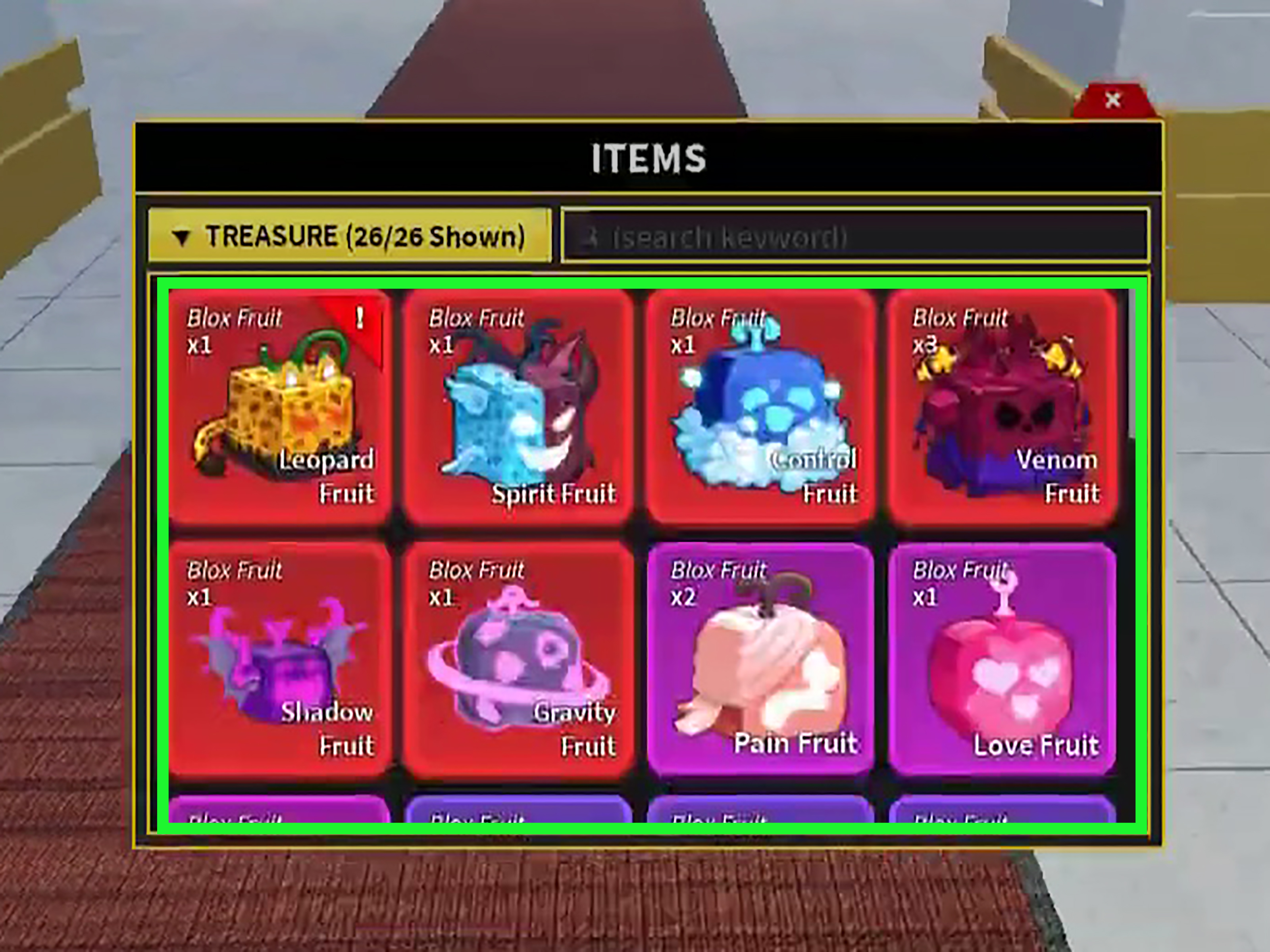
If you have ever walked into the Café or Mansion in Blox Fruits and watched two players argue over whether Buddha plus adds is “fair,” congratulationsyou have already witnessed the game’s real endgame: trading drama. Sure, leveling matters. PvP matters. Grinding matters. But trading is where spreadsheets, hype, greed, and accidental genius all shake hands.
The good news is that learning how to trade in Blox Fruits is not rocket science. The bad news is that it can feel like rocket science when one player says a fruit is “worth way more because of demand,” another says “calculator says fair,” and a third keeps spamming “W trade bro trust.” This guide breaks it all down in plain English, with practical tips, realistic strategy, and a few examples so you can stop donating your inventory to strangers with confidence issues.
How Trading Works in Blox Fruits
Before you can make smart offers, you need to know how the trading system actually works. In Blox Fruits, trading is done in designated safe areas, and the game itself puts guardrails on what counts as an acceptable exchange. That means you are not negotiating in total chaosonly partial chaos.
Where to Trade
You can trade in two main places: the Café in the Second Sea and the Mansion in the Third Sea. These spots are popular because they gather serious traders, collectors, and the occasional person trying to turn one okay fruit into a miracle.
What You Can Trade
Players can trade physical fruits, certain game passes, and some premium items that have been properly stored in inventory. Permanent fruits and game passes are not magically tradable just because you bought them. In most cases, they must be gifted to yourself and stored first before they can enter the trading pool.
The System Rules You Cannot Ignore
- Each side can place up to four items in a trade.
- Players can only make a limited number of trades in a set cooldown window.
- The built-in system blocks trades with a value gap that is too large.
- You normally can store only one copy of each fruit unless you own +1 Fruit Storage.
That last point matters more than people think. Utility items like +1 Fruit Storage often trade extremely well because they solve a problem every active trader eventually runs into: “Oops, I got another good fruit and now I have nowhere to put it.”
Price, Value, and Demand: The Holy Trinity of Blox Fruits Trading
If you only remember one thing from this article, make it this: price is not the same as value. And value is not the same as demand. Welcome to the part where Blox Fruits starts acting like a tiny stock market run by pirates.
Price Is the Official Tag
Every fruit has an in-game price. That is the number the game assigns to it. Nice, clean, simple. Very cute. Unfortunately, traders do not stop there.
Value Is the Market Opinion
In the player economy, value is shaped by how useful a fruit is, how hard it is to get, how strong it is in PvP or grinding, and whether the community currently wants it. In other words, a fruit can look average on paper and still trade like a celebrity because everybody wants one right now.
Demand Is What Changes Everything
This is why some fruits outperform their sticker price in trades. A fruit with strong utility, reliable PvP performance, or broad popularity can command better offers than a lower-demand fruit with a similar technical value. That is also why Buddha, Portal, Dough, and other high-utility or meta-relevant fruits tend to stay attractive in the market. They are not just items; they are liquid assets. Basically, they are the “cash equivalents” of Blox Fruits trading.
So when traders say, “Don’t look at price, look at demand,” they are not entirely wrong. They are just saying it in the most annoying possible way.
How to Trade in Blox Fruits Without Getting Cooked
1. Learn the Difference Between a Fair Trade and a Good Trade
A fair trade means the value is reasonably balanced. A good trade means it helps you move closer to your goal. Those are not always the same thing.
Example: If you are trying to build toward a top-tier fruit, taking a slightly lower raw-value deal for an item with better demand can still be smart. Why? Because you are trading into something easier to flip later. In Blox Fruits, liquidity matters. The best item is not always the strongest one; sometimes it is just the one people actually want to accept tomorrow.
2. Start by Trading Into Popular Utility Fruits
If you are a beginner, do not chase every flashy mythical fruit you see. That is how inventories get weird fast. Instead, try to build around fruits with stable demand and broad usefulness. These are often easier to move, easier to bundle, and less likely to leave you stuck with an item nobody wants unless it comes with emotional support.
Great beginner and mid-tier trade targets usually include:
- Buddha for its grinding reputation
- Portal for travel and utility appeal
- Dough for strong demand and combat relevance
- Rumble/Lightning and similar fruits that stay useful in the meta
3. Use Value Tools, But Do Not Worship Them
Trade calculators and value lists are helpful. They can quickly tell you whether a trade is roughly a W, F, or L. Use them. Absolutely. But do not treat them like sacred text carved into stone tablets by the Blox Fruits gods.
Why? Because values move. Demand changes. Hype spikes after updates. Some traders overpay for convenience. Others overpay because they have been looking for one specific fruit for two hours and have lost the will to negotiate. Calculators are a guide, not a guarantee.
4. Bundle Smart, Not Desperate
Throwing random adds into a trade does not automatically improve it. Strong bundles usually have one clear purpose:
- They close a reasonable value gap.
- They increase demand appeal.
- They make the offer easier to accept at a glance.
A clean offer often beats a messy one. For example, one desirable fruit plus one useful add is better than a pile of low-demand clutter that makes the other player feel like they are being paid in coupons.
5. Know When Premium Items Make Sense
Game passes and premium utility items can be excellent trade pieces because they hold value differently from standard fruits. +1 Fruit Storage is one of the best-known examples. It has practical value, traders understand it, and it appeals to players across different progression levels.
That said, do not toss premium items into weak deals just because they “feel valuable.” Premium inventory should be used deliberately. If you are trading a game pass, aim for highly demanded, easily flippable fruits rather than a random collection of shiny distractions.
Best Offers in Blox Fruits: What Actually Works
There is no single universal “best offer” because the market changes. Still, the best offers usually follow a few patterns.
Best Offers for Beginners
Beginners do best when they trade upward through stable utility. That means turning lower-demand fruits into items that are always useful to someone else. If you can trade a niche fruit into Buddha or Portal with a modest add, that is often better than chasing a hype fruit you cannot resell.
Best Offers for Mid-Level Traders
Mid-level traders should look for demand mismatches. This is when two offers are close in value, but one side contains fruit that is easier to move. Example: giving up a more awkward bundle to get one cleaner, popular item. That kind of trade may look merely “fair” on paper, but it is often a win in practice.
Best Offers for Endgame Traders
Higher-end trading revolves around premium items, top-demand fruits, and timing. The strongest offers are usually the ones that combine real value with market appeal. If the community is hot on a certain fruit after an update, that fruit may pull better deals than a technically equal but less exciting option.
At this level, the best offer is often not “maximum raw value.” It is maximum resale power.
Common Trading Mistakes to Avoid
Overpaying for Hype
Freshly hyped items attract emotional trading. Players panic-buy. They overbundle. They convince themselves this is “investment behavior.” It usually is not. Wait for the market to cool unless you genuinely need that item for your own build.
Ignoring Demand
A calculator might say the numbers are even, but if one item is notoriously hard to move, you can still walk away with the worse side. Value on paper is nice. Demand in the real market is nicer.
Taking Clutter Adds
Not all adds are useful. A trade full of low-demand filler can make your inventory larger without making it better. Bigger is not always better. Ask any overstuffed closet.
Trading Without a Goal
If you do not know whether you are trading for PvP, grinding, flipping, or collection purposes, you will say yes to deals that look exciting but do not help you. Set a goal first. Then judge the offer.
A Simple Step-by-Step Blox Fruits Trading Strategy
- Decide your goal. Are you building for profit, for gameplay, or for a dream fruit?
- Check recent market opinion. Compare demand, not just listed value.
- Build a clean offer. Lead with one solid item, then add only what improves acceptance.
- Use calculators as a filter. If the deal looks terrible there, it is probably terrible in real life too.
- Ask the resale question. “Can I move this again easily?” If the answer is no, slow down.
- Walk away from pressure. The best response to “fast fast accept” is usually “absolutely not.”
Real Trading Experiences and Lessons From the Café and Mansion
If you spend enough time trading in Blox Fruits, you start noticing patterns that no value list explains perfectly. The first is that the loudest trader in the room is usually not the smartest trader in the room. There is always one player typing in all caps about a “MASSIVE W” while offering three awkward fruits and a prayer. Newer players sometimes get pulled in by the energy. Veteran traders usually do not even look up.
One of the most common experiences is learning that a “fair” trade can still feel bad afterward if the items you got are hard to move. That happens a lot when someone accepts a bunch of random adds that technically patch the value gap but do nothing for demand. Your inventory looks fuller, but suddenly you are holding a collection of fruit that nobody seems excited about. It is the Blox Fruits version of cleaning your room by moving the mess into a different corner.
Another thing experienced traders learn is that utility wins arguments. A fruit like Buddha may not always look flashy compared to a trendy mythical, but because so many players value it for grinding, it tends to stay relevant. The same goes for items that solve storage or progression problems. When an item is useful to many kinds of players, it becomes easier to trade, easier to bundle, and easier to trust as part of a bigger strategy.
There is also a huge lesson in timing. Right after updates, people rush toward whatever looks strongest, newest, or rarest. During that window, offers can get wild. Some players overpay because they want to be first. Some underpay because they hope the other person is confused. The calm trader usually wins here. Waiting a bit, watching the market, and making offers after the initial chaos often leads to much better results.
Many players also discover that the best trades are not always dramatic. Sometimes the smartest move is a boring one: exchanging an awkward, low-demand item for a slightly lower-value fruit that has much stronger market appeal. That does not feel exciting in the moment, but it makes the next trade easier. Over time, those quiet upgrades build a healthier inventory than one giant gamble.
And then there is the social side of trading. Some of the best outcomes happen because a player is honest, patient, and clear. A simple message like “I’m looking for demand, not just raw value” often gets better responses than spamming trade offers at everyone in sight. Good traders build a reputation. Bad traders build block lists.
The final experience almost everybody shares is this: the best offer is the one that still looks good after the excitement wears off. If you accept a trade and immediately need five strangers to tell you it was a win, that is probably a sign. Smart Blox Fruits trading is less about chasing applause and more about building momentum. If the deal helps you progress, improves your inventory, and gives you something easier to trade next, you probably did just fine.
Final Thoughts
Learning how to trade in Blox Fruits is really about learning how the player market thinks. The game provides the rules, but the community creates the economy. That means the best traders are not just people with rare fruits; they are people who understand demand, utility, timing, and clean offers.
If you want the short version, here it is: trade for items that are useful, popular, and easy to move. Do not obsess over raw price. Do not overpay for hype. Use value calculators as a guide, not a religion. And whenever possible, trade into assets that help you again on the next deal.
In Blox Fruits, the best offer is not always the one that looks biggest. It is the one that keeps your inventory strong, flexible, and one step closer to your next win.