

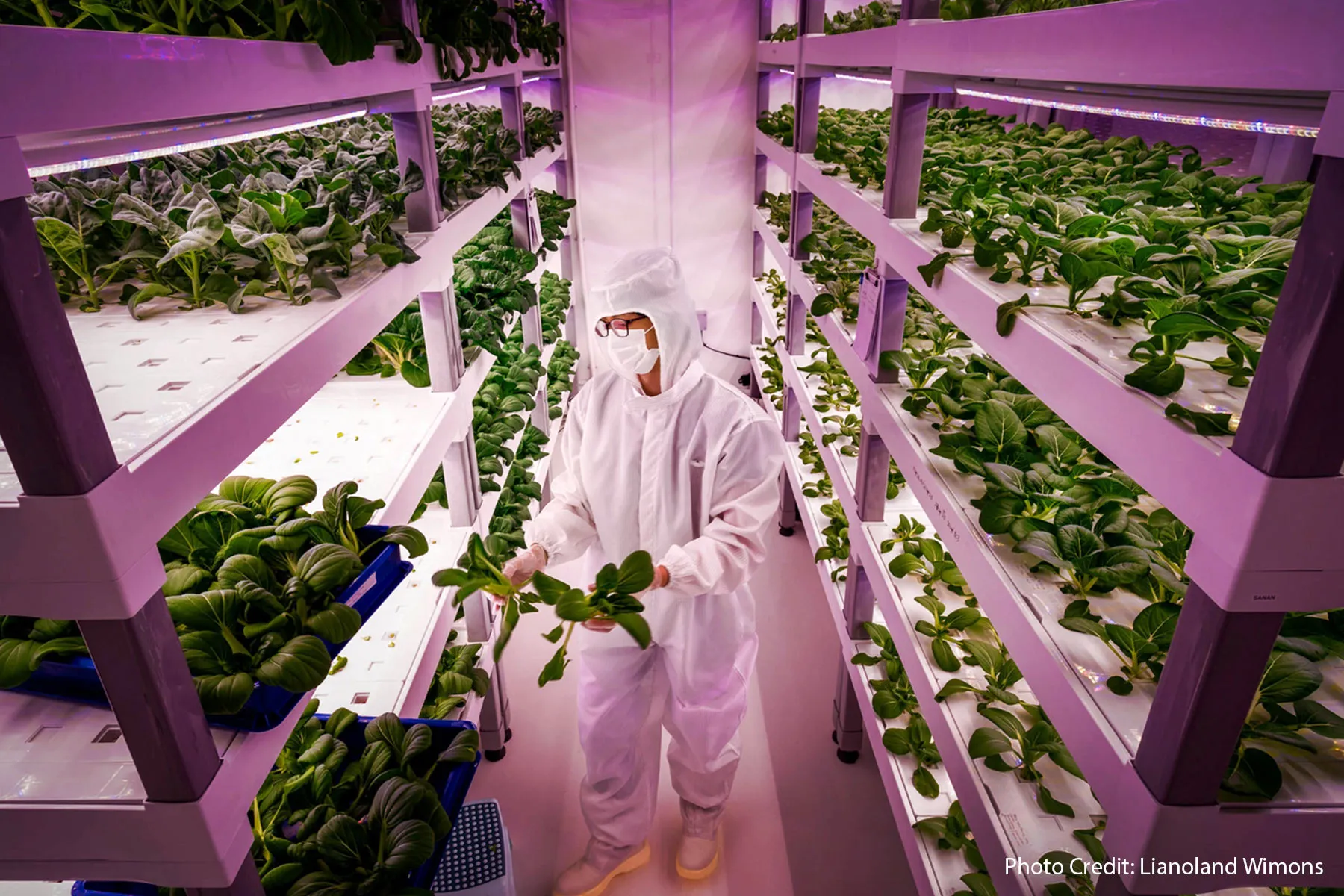
Picture dinner in the future. Your salad might come from a vertical farm two subway stops away. Your burger may be made from peas, mushrooms, cultured animal cells, or a clever blend of all three. Your tomatoes may have been grown with help from satellites, soil sensors, and an irrigation system that waters plants with the precision of a watchmaker. And yes, your grandmother may still insist that the best food technology ever invented is a cast-iron skillet.
The question “In the future, how will we feed ourselves?” sounds like science fiction, but it is quickly becoming one of the most practical questions on Earth. The world population is expected to approach 9.7 billion people by 2050, while climate change, water stress, soil degradation, supply chain shocks, and shifting diets are already challenging the way food is grown, transported, cooked, wasted, and shared. Feeding the future will not come from one miracle crop, one shiny robot, or one lab-grown steak wearing a cape. It will come from a smarter, more flexible food system.
The future of food will likely be a mix of old wisdom and new tools: healthier soil, climate-smart agriculture, urban farms, alternative proteins, sustainable aquaculture, artificial intelligence, better food storage, and a serious effort to stop throwing away edible food. In other words, tomorrow’s dinner plate may be less about replacing farming and more about reinventing it.
The Big Challenge: More Food, Fewer Excuses
Future food security starts with a difficult equation: more people will need nutritious food, but agriculture must produce it while using land, water, energy, and fertilizer more carefully. Expanding farmland endlessly is not a sustainable option. Forests, wetlands, grasslands, and biodiversity cannot simply be treated like spare pantry shelves.
At the same time, food demand is not just about calories. As incomes rise in many parts of the world, diets often shift toward more protein, dairy, processed foods, fruits, vegetables, oils, and convenience meals. That means the future food system must provide more than enough grain. It must provide affordable nutrition, cultural variety, safety, flavor, and resilience. Nobody wants a future where dinner is technically nutritious but tastes like cardboard having an identity crisis.
Climate change adds another layer. Heat waves can reduce crop yields. Drought can limit irrigation. Floods can destroy fields. Warmer conditions can expand pest and disease pressure. Farmers are already adapting, but the next generation of agriculture will need to be faster, more data-driven, and more locally responsive.
Climate-Smart Agriculture Will Become the New Normal
Climate-smart agriculture is not a single gadget. It is a strategy for producing food while adapting to climate stress and reducing environmental harm. It includes practices such as drought-tolerant crops, precision irrigation, improved fertilizer management, crop rotation, agroforestry, better livestock systems, and stronger local food infrastructure.
One major shift will be the use of data. Farmers increasingly rely on weather models, satellite imagery, soil sensors, drones, and artificial intelligence to make decisions. Instead of watering an entire field because “it looks thirsty,” future farms may water only the specific rows or zones that need moisture. Instead of applying fertilizer broadly, farmers may use variable-rate technology to give plants exactly what they need, where they need it.
This matters because agriculture is a game of margins. A few inches of rain, a few degrees of heat, or a few days of delayed planting can affect an entire season. Better information helps farmers reduce waste, protect yields, and respond to problems before they become expensive disasters.
Soil Health: The Future Starts Under Our Feet
Future food conversations often get distracted by futuristic kitchens and lab-grown everything, but one of the most important technologies is still soil. Healthy soil stores water, supports microbes, cycles nutrients, reduces erosion, and helps crops tolerate stress. When soil is degraded, farmers need more inputs to get the same results. When soil is healthy, it behaves like a living savings account for the farm.
Soil-health practices include cover cropping, reduced tillage, crop rotation, compost use, managed grazing, and keeping living roots in the ground for more of the year. These practices are not always easy to adopt, and they must be tailored to local climates and farm economics. Still, they are central to long-term food resilience.
In the future, more farms may be judged not only by how much they produce this season, but by whether they are improving the land for the next season. That is a healthier business model than squeezing the soil until it files a formal complaint.
Vertical Farming and Controlled Environment Agriculture
Controlled environment agriculture, including greenhouses, hydroponic systems, aeroponics, and vertical farms, will play a larger role in future food production. These systems can grow crops indoors or under carefully managed conditions, using less land and often less water than traditional field production. Leafy greens, herbs, strawberries, and specialty crops are especially common candidates.
The biggest advantage is control. Indoor farms can manage light, humidity, temperature, nutrients, and pests. They can produce food near cities, shorten supply chains, and reduce losses from droughts, floods, or unexpected freezes. A head of lettuce grown near a supermarket does not need to take a cross-country road trip like it is auditioning for a travel documentary.
However, vertical farming is not a magic wand. Energy use, startup costs, labor, crop selection, and profitability remain major challenges. Growing wheat or corn in skyscraper farms is unlikely to become mainstream soon because staple crops need vast scale and low cost. But for perishable, high-value produce, controlled environment agriculture can strengthen urban food security and reduce dependence on long-distance shipping.
Precision Agriculture: Farming With a Digital Co-Pilot
Precision agriculture uses technology to help farmers manage fields more efficiently. GPS-guided tractors, satellite crop monitoring, robotic weeders, moisture sensors, automated irrigation, and machine-learning models are already changing food production. In the future, these tools will become more connected and more affordable.
Imagine a farm where sensors measure soil moisture, drones scan for pest damage, software predicts yield risks, and equipment applies water or nutrients only where needed. This kind of system can reduce waste, lower costs, and help farmers protect the environment while staying profitable.
Automation will also become more important as agricultural labor shortages continue. Robots may harvest delicate fruits, remove weeds without herbicides, monitor livestock health, or pack produce. The best future farm technology will not replace farmers; it will give them better tools. A robot may pick strawberries, but it will not replace the farmer’s knowledge of weather, markets, soil, timing, and that one corner of the field that always acts weird.
Alternative Proteins: More Choices on the Plate
Protein is one of the biggest food questions of the future. Traditional livestock provides important nutrition and supports many livelihoods, but it also requires land, feed, water, and careful management of emissions and manure. Future diets will likely include a wider range of protein sources.
Plant-Based Proteins
Plant-based foods made from beans, lentils, peas, soy, grains, nuts, and mushrooms will become more sophisticated and more common. Some products will try to imitate meat, while others will simply celebrate plants as plants. The most successful options will likely be affordable, tasty, nutritious, and easy to cook. Consumers may care about sustainability, but at dinner time, flavor still gets a vote.
Fermentation-Derived Foods
Fermentation is ancient, but precision fermentation gives it a futuristic twist. Microorganisms can be used to produce specific proteins, fats, enzymes, or flavor compounds. This could help create animal-free dairy proteins, better plant-based cheese, egg-like ingredients, or improved nutrition in processed foods. It is less “mystery goo” and more “yeast with a very specific job description.”
Cultivated Meat and Seafood
Cultivated meat is made by growing animal cells in controlled environments rather than raising and slaughtering whole animals. In the United States, regulators have created oversight pathways for foods made with cultured animal cells. The technology has attracted attention because it could eventually reduce some pressures associated with conventional meat production, but it faces big hurdles: cost, scale, energy use, regulation, labeling, and consumer trust.
In the near future, cultivated meat is more likely to appear in limited restaurant settings or blended products than as an everyday grocery staple. Over time, if production becomes cheaper and more efficient, it may become one more option in the protein aisle.
Sustainable Seafood and Aquaculture
Seafood will be another important part of the future food system. Wild fisheries must be managed carefully to avoid overfishing, protect ecosystems, and maintain long-term supply. Aquaculture, or farmed seafood, can increase the availability of fish, shellfish, and seaweed when done responsibly.
Sustainable aquaculture can provide nutritious protein while supporting coastal and rural economies. Shellfish and seaweed farming may offer environmental benefits in some contexts, such as filtering water or absorbing nutrients. But aquaculture must be managed well. Poorly designed systems can create pollution, disease, habitat damage, or feed-sourcing problems.
The future of seafood will likely depend on better feed ingredients, improved monitoring, stronger standards, and local systems that match the right species to the right environment. Not every coast should grow everything. Nature is not a buffet with unlimited refills.
Food Waste: The Easiest Future Food Is the Food We Stop Losing
One of the most overlooked ways to feed the future is to waste less food. A large share of food produced in the United States is never eaten. That waste also wastes the land, water, labor, fuel, fertilizer, packaging, and money used to produce it. When food goes to landfills, it can generate methane, a powerful greenhouse gas.
Reducing food waste may not sound as glamorous as growing lettuce on Mars, but it is one of the most practical solutions available right now. Better storage, clearer date labels, improved forecasting, smarter grocery ordering, donation programs, composting, smaller portions, and creative leftovers can all help.
In the future, homes and businesses may use smart refrigerators, inventory apps, dynamic pricing, and local redistribution networks to keep edible food out of the trash. Restaurants may design menus around whole-ingredient use. Grocery stores may discount food before it spoils. Cities may expand composting and food recovery systems. The future pantry may be high-tech, but the basic rule remains simple: eat what we grow.
Personalized Nutrition and Smarter Diets
Future food will not only be about production. It will also be about health. Advances in nutrition science, wearable devices, microbiome research, and medical data may lead to more personalized diets. People may receive food recommendations based on blood sugar response, allergies, gut health, activity level, age, or chronic disease risk.
That does not mean every breakfast will be prescribed by an algorithm named Trevor. But it does mean food choices may become more targeted. A person managing diabetes, high blood pressure, kidney disease, or athletic performance may use digital tools to plan meals more effectively.
The challenge will be equity. Personalized nutrition should not become a luxury service only for people who can afford premium apps and designer smoothies. A better future food system must make healthy, culturally appropriate food easier to access for everyone.
Urban Food Systems and Local Resilience
The future will also bring stronger local and regional food networks. Global trade will still matter, but recent disruptions have shown that long supply chains can be vulnerable. Cities and regions may invest more in local farms, food hubs, farmers markets, community gardens, rooftop farms, school food programs, and emergency food planning.
Local food does not automatically mean sustainable food, and global food does not automatically mean bad food. The real goal is balance. A resilient food system can import what makes sense, produce locally where practical, and avoid depending too heavily on one route, one crop, one supplier, or one technology.
Will We All Eat Bugs?
Insects are often mentioned in future food conversations because they can be efficient sources of protein. In some cultures, insects are already normal foods. In the United States, however, consumer acceptance remains a major hurdle. Many Americans are not emotionally prepared for cricket tacos, no matter how persuasive the nutrition label may be.
That said, insects may become more common in animal feed, pet food, protein powders, or specialty snacks. The future of food does not require everyone to eat insects, but it may require society to become more open-minded about protein sources that once seemed unusual.
The Human Side: Trust, Taste, and Tradition
Food is never just fuel. It is memory, identity, comfort, family, culture, and pleasure. That is why future food technology must earn trust. Consumers will ask fair questions: Is it safe? Is it healthy? Who owns the technology? Is it affordable? Does it help farmers or hurt them? Does it taste good? Can I pronounce the ingredients without sounding like I’m reading a chemistry spell?
The future food system will succeed only if it respects people’s values. A climate-friendly meal that nobody wants to eat will not change the world. A nutritious food that is too expensive will not solve hunger. A new technology that ignores farmers will create resistance. The best future food solutions will be practical, transparent, delicious, and fair.
What the Future Dinner Plate May Look Like
A future dinner plate may include familiar foods produced in unfamiliar ways. You might eat rice bred for climate resilience, vegetables grown in a water-efficient greenhouse, fish from a responsibly managed aquaculture system, bread made from climate-adapted wheat, and yogurt made with fermentation-derived dairy proteins. You might also eat a traditional stew made from beans, herbs, and vegetables grown by a nearby farmer using soil-building practices.
The point is not that the future will erase traditional food. More likely, it will expand the toolbox. Some meals will look almost exactly like today’s meals. Others will be produced with new methods behind the scenes. The dinner table may change slowly, then suddenly, then slowly againbecause food habits are stubborn little creatures.
Experience-Based Reflections: Learning to Eat Like the Future Is Already Here
The future of food becomes easier to understand when we look at everyday experiences. Anyone who has grown herbs on a windowsill has already participated in miniature controlled environment agriculture. Anyone who has saved leftovers, frozen ripe fruit, or turned vegetable scraps into soup has practiced food-waste reduction. Anyone who has chosen beans instead of meat for dinner has experimented with alternative protein. The future is not waiting politely in a laboratory. It is already sneaking into our kitchens wearing an apron.
One useful experience is shopping with attention. A future-minded grocery trip is not about buying the most expensive “eco” product on the shelf. It is about noticing what is seasonal, what is local when practical, what has excessive packaging, what can be used in multiple meals, and what will realistically be eaten before it spoils. The most sustainable kale is not the kale that wilts sadly in the back of the refrigerator while you order pizza. Practical planning beats good intentions every time.
Another experience is cooking with flexibility. Future food systems will need adaptable consumers as much as adaptable farms. If a favorite ingredient becomes expensive because of drought or supply disruption, people who know how to substitute will manage better. Lentils can replace some ground meat in sauces. Mushrooms can add savory depth. Frozen vegetables can rescue a weeknight dinner. Canned fish, beans, oats, rice, eggs, and seasonal produce can create affordable meals without turning dinner into a financial obstacle course.
Trying new proteins is also part of the experience. Plant-based burgers, tofu, tempeh, seitan, bean patties, chickpea pasta, mushroom blends, and fermented foods all offer different lessons. Some are delicious. Some need better seasoning. Some make you wonder whether the recipe developer has ever met a human mouth. That is fine. Food innovation is a process. The important point is to explore without treating every new food as a moral test. The future diet will not be perfect; it will be improved through repetition, feedback, and better recipes.
Gardening, even on a small scale, teaches another lesson: food is not effortless. A tomato plant needs light, water, nutrients, timing, and protection from pests. After one season of fighting aphids, a person develops new respect for farmers very quickly. This respect matters. Future food conversations should not reduce agriculture to robots and apps. Technology helps, but food still depends on ecological knowledge, labor, patience, and risk.
Finally, eating for the future can be joyful. It can mean sharing meals, learning preservation skills, supporting responsible producers, asking better questions, and wasting less. It can mean choosing a bean chili on Monday, grilled fish on Wednesday, a greenhouse-grown salad on Friday, and grandma’s roast chicken on Sunday. Feeding ourselves in the future will not require one single diet for everyone. It will require a smarter relationship with foodless careless, more curious, and much more resilient.
Conclusion
So, how will we feed ourselves in the future? Not with one grand invention, but with a network of better choices. Farms will become more precise. Soil health will become more valuable. Cities will grow more of their own fresh produce. Alternative proteins will expand the menu. Seafood systems will become more carefully managed. Food waste will be treated less like a harmless habit and more like the expensive problem it is.
The future of food is not a cold, robotic cafeteria where everyone eats nutrient cubes while staring sadly into the middle distance. It can be flavorful, diverse, nourishing, and even exciting. But it will require investment, trust, science, farmer knowledge, consumer flexibility, and policies that make sustainable food accessible rather than exclusive.
If the past taught us how to grow enough food for billions, the future must teach us how to grow, share, and enjoy food without exhausting the planet that serves as our only kitchen.