

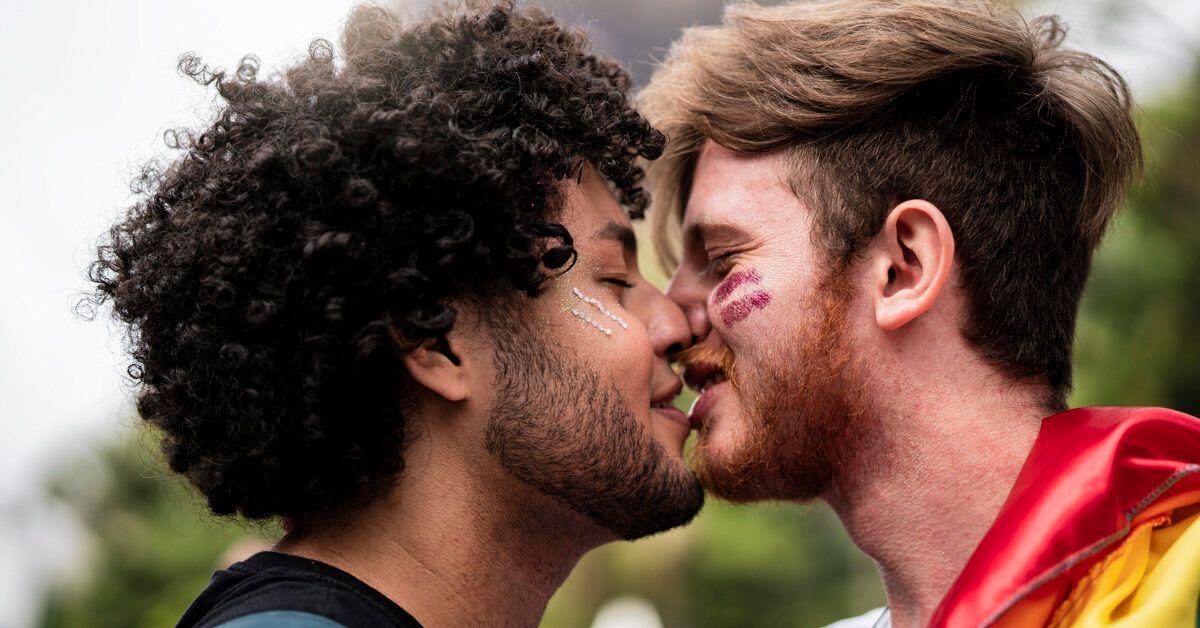
Few health questions can make a person open seventeen browser tabs faster than this one: Is HIV transmitted through kissing? The short, science-backed answer is reassuring: HIV is not transmitted through saliva, and closed-mouth kissing does not spread HIV. Even deep kissing is considered extremely low risk, with concern only in rare situations where both people have significant bleeding sores or bleeding gums and blood is exchanged.
That may sound surprisingly simple, especially because HIV has carried decades of fear, stigma, and misinformation. But the virus is not magical, airborne, or waiting on a spoon like a tiny villain in a horror movie. HIV needs specific body fluids, a way into the bloodstream or certain mucous membranes, and enough virus present to establish infection. Saliva does not provide the right environment for HIV transmission.
This guide explains how HIV is transmitted, how it is not transmitted, when kissing becomes a theoretical concern, what prevention tools actually work, and when HIV testing makes sense.
Can You Get HIV From Kissing?
In everyday life, you cannot get HIV from kissing. Closed-mouth kissing, cheek kissing, social kissing, and romantic kissing do not spread HIV because saliva does not transmit the virus. HIV does not survive or travel effectively through spit, and saliva also contains enzymes and proteins that make it a poor vehicle for HIV.
The only kissing-related scenario that public health experts discuss is deep, open-mouth kissing when both people have bleeding gums, mouth sores, or open cuts, and blood from a person with HIV enters the other person’s bloodstream or mucous membranes. Even then, this is considered extremely rare. The key issue is not saliva; it is blood.
What About French Kissing?
French kissing does not transmit HIV through saliva. The theoretical risk appears only if there is visible blood or open mouth wounds. For example, if two people both have actively bleeding gums after dental work, that is different from normal kissing after dinner. In ordinary situations, French kissing is not considered an HIV transmission route.
What About Chapped Lips or a Small Cut?
A tiny dry crack on the lip is not the same as significant blood-to-blood contact. HIV transmission requires the right fluid, enough virus, and a route into the body. If there is no blood exposure, the risk remains effectively absent. If there is obvious bleeding, it is wise to stop kissing, rinse gently, and let the area healnot because kissing is dangerous by default, but because blood changes the situation.
How HIV Is Actually Transmitted
HIV is transmitted through certain body fluids from a person who has HIV and has a detectable viral load. These fluids include blood, semen, pre-seminal fluid, rectal fluids, vaginal fluids, and breast milk. For transmission to occur, these fluids must reach the bloodstream or certain mucous membranes, such as those in the rectum, vagina, penis, or mouth, or enter through broken skin.
The most common ways HIV is transmitted include sex without effective protection, sharing needles or injection equipment, and transmission from parent to baby during pregnancy, birth, or breastfeeding when HIV is not treated. In modern health care settings in the United States, blood transfusion transmission is extremely rare because the blood supply is screened carefully.
Sexual Transmission
HIV can be transmitted through vaginal or anal sex when no effective prevention is used. Anal sex carries a higher risk than vaginal sex because rectal tissue is more delicate. Condoms, PrEP, and effective HIV treatment all greatly reduce risk. When a person with HIV takes treatment and maintains an undetectable viral load, they do not transmit HIV through sex. This is often called U=U: Undetectable equals Untransmittable.
Needles and Injection Equipment
Sharing needles, syringes, or other injection equipment can transmit HIV because blood can remain in equipment and enter another person’s bloodstream. This is one of the clearest examples of direct blood exposure. Using sterile equipment every time and never sharing injection supplies are important prevention steps.
Pregnancy, Birth, and Breastfeeding
HIV can be passed from a parent to a baby during pregnancy, labor, delivery, or breastfeeding. The good news is that modern HIV treatment dramatically lowers this risk. People who are pregnant or planning pregnancy should be tested for HIV and connected to care quickly if they test positive.
Blood Transfusions and Medical Procedures
In the United States, blood donations are screened, and medical equipment is sterilized or single-use. Because of these safeguards, HIV transmission through blood transfusion is extremely rare in regulated health care settings. The risk is much higher in settings where blood is not properly screened or medical equipment is reused unsafely.
How HIV Is Not Transmitted
Understanding what does not transmit HIV is just as important as understanding what does. Misinformation creates unnecessary panic and unfair stigma toward people living with HIV.
HIV is not transmitted through:
- Closed-mouth kissing
- Saliva, spit, tears, or sweat
- Hugging, handshakes, or casual touching
- Sharing food, drinks, forks, spoons, or cups
- Toilet seats, towels, bedding, or swimming pools
- Coughing or sneezing
- Mosquitoes or other insects
- Working, studying, or living near someone with HIV
Put simply: HIV is not spread by normal human contact. You do not need separate dishes, separate bathrooms, or a ten-foot emotional moat around someone with HIV. Kindness is safe. So is sharing pizza.
Why Saliva Does Not Spread HIV
Saliva is not one of the fluids that transmits HIV. Even when tiny amounts of HIV are detected in saliva, the amount is not enough to cause infection, and saliva contains substances that interfere with the virus. This is why kissing, sharing utensils, and drinking from the same glass are not HIV risks.
This distinction matters because people often confuse “body fluid” with “all body fluids.” HIV is not transmitted by every fluid the body produces. Sweat, tears, and saliva are not transmission routes. Blood, semen, vaginal fluids, rectal fluids, and breast milk are the fluids that matter in HIV prevention.
When Should You Worry After Kissing?
Most people do not need to worry after kissing someone, even if that person has HIV. If the kiss involved no visible blood and no open bleeding mouth sores, HIV testing because of kissing alone is not usually necessary.
However, you may want to contact a health care provider if there was clear blood exposure, such as both people having actively bleeding gums or mouth wounds during deep kissing. This is not a common situation, but it is reasonable to ask a professional if you are unsure.
Also, remember that a person with HIV who is on treatment and has an undetectable viral load does not transmit HIV through sex. For kissing, saliva already makes transmission a non-issue in ordinary circumstances.
What To Do If You Think You Were Exposed to HIV
If you believe you had a real HIV exposure, timing matters. PEP, or post-exposure prophylaxis, is a medication course that may help prevent HIV after a possible exposure. It must be started as soon as possible and within 72 hours. PEP is for emergencies, such as a condom break during sex with a partner whose HIV status is positive or unknown, sexual assault, or needle exposure.
For ongoing prevention, PrEP, or pre-exposure prophylaxis, is medication taken by people who do not have HIV to reduce their chance of getting HIV. PrEP is highly effective when taken as prescribed. Condoms also help prevent HIV and many other sexually transmitted infections, which PrEP does not prevent.
When Should You Get Tested for HIV?
Testing is the only way to know your HIV status. Everyone between ages 13 and 64 should be tested at least once, and people with ongoing risk factors may need testing more often. If you had a possible exposure, the right test depends on how much time has passed.
Different HIV tests have different window periods. A nucleic acid test can usually detect HIV earlier than other tests, often within 10 to 33 days after exposure. A lab-based antigen/antibody test using blood from a vein can usually detect HIV within 18 to 45 days. Rapid tests and self-tests may take longer, often up to 90 days, depending on the test type.
If you test too soon, a negative result may not be final. A health care provider or testing clinic can tell you when to retest based on the type of test used and the timing of your possible exposure.
Common Myths About HIV and Kissing
Myth 1: “If someone has HIV, their saliva is dangerous.”
False. HIV is not transmitted through saliva. Sharing a drink, kissing, or eating from the same plate does not spread HIV.
Myth 2: “You can tell if someone has HIV by looking at them.”
False. Many people with HIV look and feel healthy, especially with treatment. The only way to know HIV status is testing.
Myth 3: “Only certain groups of people get HIV.”
False. HIV can affect people of any gender, orientation, age, race, or background. Risk is based on exposure, not identity.
Myth 4: “HIV always becomes AIDS.”
False. With effective treatment, people with HIV can live long, healthy lives and prevent sexual transmission by maintaining an undetectable viral load.
Real-Life Experiences and Practical Lessons About HIV Anxiety
Many people who search “Can I get HIV from kissing?” are not asking out of curiosity. They are asking because they are worried. Maybe they kissed someone at a party and later learned that person has HIV. Maybe they noticed a small mouth sore the next morning and immediately imagined the worst. Maybe they grew up hearing outdated warnings that made HIV sound like it could spread through almost anything. Health anxiety can turn one kiss into a full courtroom drama, with the brain acting as judge, jury, and very dramatic background music.
A common experience is the “what if” spiral. Someone remembers that their gums bled earlier while brushing their teeth. Then they wonder whether the other person had blood in their mouth. Then they wonder whether saliva counts. Then they wonder whether a tiny cut counts. The most helpful way to step out of that spiral is to return to the facts: saliva does not transmit HIV, closed-mouth kissing does not transmit HIV, and deep kissing is only a theoretical concern in rare situations involving visible blood and open wounds in both people’s mouths.
Another real-world lesson is that stigma often causes more harm than the actual situation. A person living with HIV who is on treatment may have an undetectable viral load, meaning they do not transmit HIV through sex. Yet many people still fear casual contact because old myths remain loud. Treating people with HIV as dangerous because of a kiss, a cup, or a hug is not prevention. It is misinformation wearing a lab coat.
People also learn that sexual health conversations feel awkward only until they become normal. Asking, “When were you last tested?” or “Do you use PrEP?” may feel clunky at first, but it is far better than guessing. Honest conversations reduce fear and help partners make informed choices. You do not need to deliver the question like a courtroom attorney. A simple, calm conversation is enough.
One practical takeaway is to match your response to the actual risk. If the only event was ordinary kissing, HIV testing is not usually needed because of that kiss. If there was sex without protection, needle sharing, or another recognized exposure, then testing and prevention options matter. If the possible exposure happened within 72 hours, urgent medical advice about PEP may be appropriate. If the concern is ongoing, PrEP, condoms, routine testing, and communication are much more useful than panic-searching symptoms at 2 a.m.
The final experience many people share is relief. Once they understand how HIV is and is not transmitted, the fear becomes easier to manage. Knowledge does not remove the need for prevention, but it does remove unnecessary panic. HIV prevention is not about being afraid of people. It is about knowing the routes of transmission, using the tools that work, and letting go of myths that never protected anyone in the first place.
Conclusion
So, is HIV transmitted through kissing? In normal circumstances, no. HIV is not spread through saliva, closed-mouth kissing, social kissing, sharing utensils, or casual contact. Deep kissing is only discussed as a rare theoretical concern when both people have bleeding sores or bleeding gums and blood is exchanged.
HIV transmission happens through specific body fluids, including blood, semen, vaginal fluids, rectal fluids, and breast milk, when those fluids enter the body in specific ways. The best protection comes from accurate information, HIV testing, condoms, PrEP, PEP after emergencies, sterile injection equipment, and effective HIV treatment. The best antidote to fear is not panic. It is facts.