

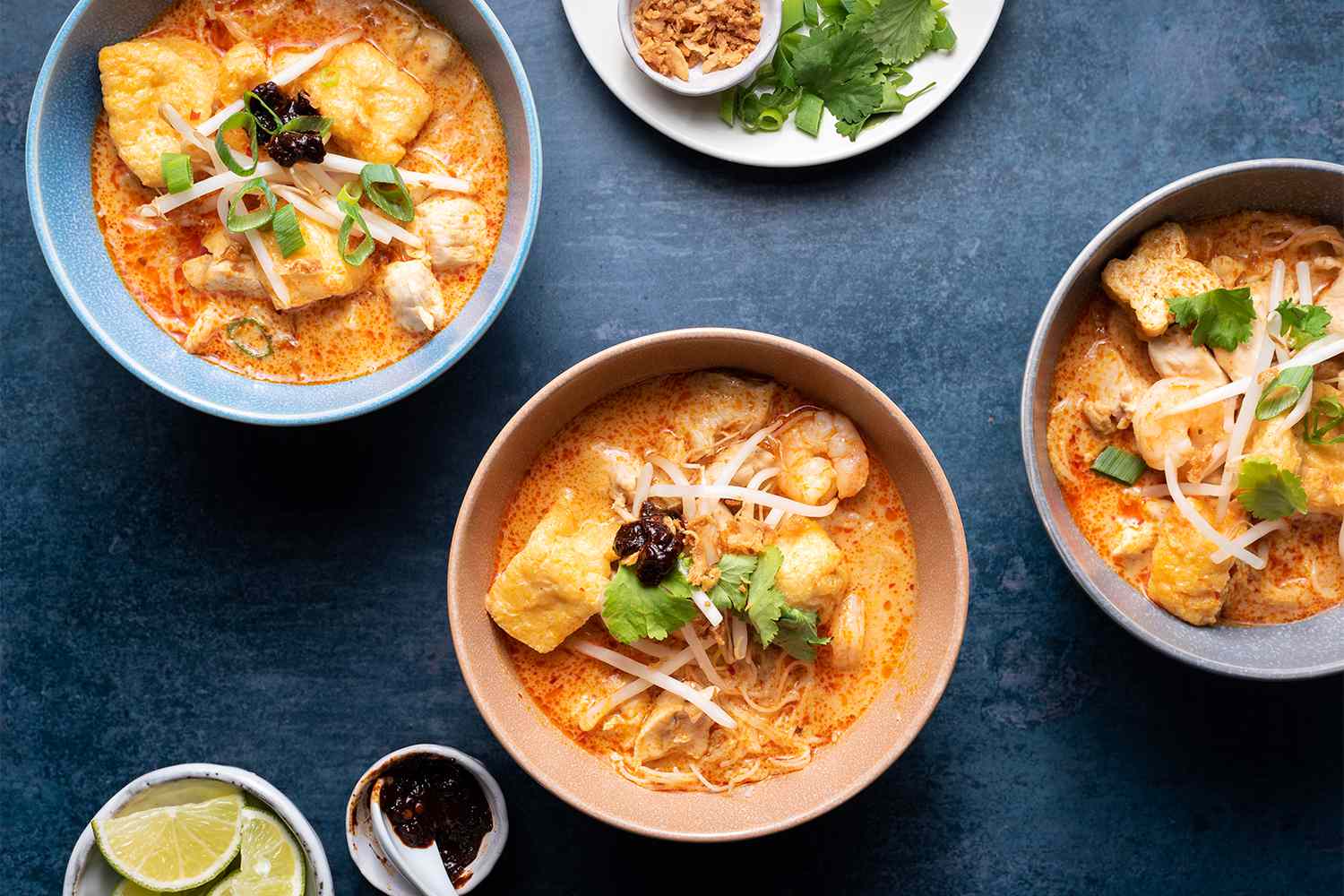
Some soups whisper. Laksa walks into the room wearing a silk robe, carrying a brass band, and announcing that dinner is about to get interesting. This laksa noodle soup recipe is creamy, spicy, fragrant, and deeply satisfyingthe kind of bowl that makes you lean over the steam and briefly reconsider every boring meal you have ever eaten.
Laksa is a beloved Southeast Asian noodle soup with roots across Malaysia, Singapore, Indonesia, and Peranakan cooking traditions. There are many regional versions, but one of the most popular styles is curry laksa, a coconut milk-based noodle soup enriched with aromatic spice paste, chicken or shrimp, chewy noodles, tofu puffs, herbs, bean sprouts, and a bright squeeze of lime.
This version is designed for the American home kitchen: bold enough to taste restaurant-worthy, practical enough for a weeknight, and flexible enough that you do not need to turn your pantry into an international airport terminal. You can use store-bought laksa paste for convenience or build extra flavor with garlic, ginger, lemongrass, chili, curry powder, and shrimp paste or fish sauce. Either way, the goal is the same: a golden, coconut-rich broth that clings to noodles like it has emotional attachment issues.
What Is Laksa Noodle Soup?
Laksa is a spicy noodle soup known for its layered broth, springy noodles, and generous toppings. It is not a single recipe so much as a family of soups. Some versions are sour and fish-based, while others are creamy and curry-like. The version most familiar to many American cooks is coconut curry laksa, also called curry laksa or laksa lemak.
At its best, laksa balances four major flavors: richness from coconut milk, heat from chilies, savoriness from shrimp paste or fish sauce, and brightness from lime or fresh herbs. The noodles can be rice vermicelli, thick rice noodles, egg noodles, or a mix. Proteins often include chicken, shrimp, fish cakes, tofu puffs, or boiled eggs. The toppings are not decoration; they are part of the architecture. Bean sprouts add crunch, herbs add freshness, and lime keeps the broth from becoming too heavy.
Why You’ll Love This Laksa Noodle Soup Recipe
This recipe gives you the soul of traditional curry laksa without asking you to spend three hours pounding spices with a mortar while your stomach files a formal complaint. It uses accessible ingredients and smart cooking techniques to build flavor quickly.
It Is Rich, But Not Heavy
Coconut milk gives the soup its creamy texture, but lime juice, herbs, bean sprouts, and chili keep every spoonful lively. The broth feels luxurious without turning into a bowl of edible furniture polish.
It Works With Chicken, Shrimp, Tofu, or Vegetables
This laksa soup recipe is easy to customize. Use shredded chicken for comfort, shrimp for a seafood-forward bowl, tofu puffs for classic texture, or mushrooms and bok choy for a vegetable-heavy version.
It Tastes Even Better With the Right Toppings
Laksa is one of those dishes where the toppings do serious work. A plain bowl is good. A bowl finished with crispy shallots, cilantro, Thai basil, lime, and chili oil is the kind of meal that makes people stop talking for a minute.
Ingredients for Homemade Laksa Noodle Soup
This recipe makes about 4 hearty servings.
For the Laksa Broth
- 2 tablespoons neutral oil, such as avocado, canola, or vegetable oil
- 3 tablespoons laksa paste, or Thai red curry paste in a pinch
- 3 cloves garlic, minced
- 1 tablespoon fresh ginger, grated
- 1 stalk lemongrass, tender inner part finely chopped, or 1 tablespoon lemongrass paste
- 1 teaspoon curry powder
- 1/2 teaspoon turmeric
- 1 teaspoon brown sugar
- 4 cups low-sodium chicken broth or seafood stock
- 1 can full-fat coconut milk, about 13.5 ounces
- 1 tablespoon fish sauce, plus more to taste
- 1 tablespoon lime juice, plus wedges for serving
- 1 to 2 teaspoons chili garlic sauce or sambal, optional
For the Noodles and Protein
- 8 ounces rice noodles, rice vermicelli, or egg noodles
- 1 pound boneless chicken thighs or chicken breast, thinly sliced
- 1/2 pound shrimp, peeled and deveined, optional
- 1 cup tofu puffs, halved, optional but highly recommended
For Serving
- 2 cups bean sprouts
- 1 cup shredded Napa cabbage or baby bok choy
- Fresh cilantro, Thai basil, or Vietnamese mint
- Fried shallots
- Lime wedges
- Sliced red chili or chili oil
- Soft-boiled eggs, optional
How to Make Laksa Noodle Soup
Step 1: Prepare the Noodles
Cook the noodles according to the package directions. Rice noodles usually need soaking or a quick boil, while egg noodles may need a few minutes in simmering water. Drain them, rinse lightly if needed, and divide them among serving bowls. Do not overcook the noodles unless you enjoy soup with the texture of a wet sweater.
Step 2: Bloom the Laksa Paste
Heat the oil in a large pot over medium heat. Add the laksa paste and cook for 1 to 2 minutes, stirring constantly. This step is important because it wakes up the spices and deepens the flavor. Add the garlic, ginger, lemongrass, curry powder, turmeric, and brown sugar. Cook for another minute until the mixture smells intensely fragrant.
Step 3: Build the Coconut Curry Broth
Pour in the chicken broth or seafood stock and stir well to dissolve the paste. Add the coconut milk and bring the soup to a gentle simmer. Avoid boiling it aggressively after adding coconut milk, as high heat can make the broth look separated. It will still taste good, but it will lose that smooth, glossy finish that makes laksa look so inviting.
Step 4: Cook the Chicken and Shrimp
Add the sliced chicken and simmer until cooked through. If using shrimp, add them during the last 2 to 3 minutes of cooking. Shrimp cook quickly and should turn opaque and firm. Chicken should reach a safe internal temperature of 165°F, and most seafood should reach 145°F or become pearly and opaque.
Step 5: Add Tofu Puffs and Vegetables
Stir in the tofu puffs and shredded cabbage or bok choy. Simmer for 1 to 2 minutes, just long enough to warm everything through. Tofu puffs are little flavor sponges, and in laksa they become gloriously juicy. If you have never used them before, prepare to wonder why they have not been invited to more of your soups.
Step 6: Season the Broth
Add fish sauce, lime juice, and chili garlic sauce to taste. This is where laksa becomes personal. Want it saltier? Add fish sauce. Want it brighter? Add lime. Want it hotter? Add chili. Want it creamier? Add a splash more coconut milk. Taste and adjust until the broth makes you nod quietly like a wise person in a cooking show.
Step 7: Assemble the Bowls
Ladle the hot broth, chicken, shrimp, tofu, and vegetables over the noodles. Top with bean sprouts, herbs, fried shallots, sliced chili, lime wedges, and a soft-boiled egg if using. Serve immediately while the broth is steamy and the toppings still have their crunch.
Recipe Card: Easy Laksa Noodle Soup
Prep Time
20 minutes
Cook Time
25 minutes
Total Time
45 minutes
Servings
4 bowls
Ingredients
Use the ingredient list above for broth, noodles, protein, vegetables, and toppings.
Instructions
- Cook noodles according to package directions, drain, and divide among bowls.
- Heat oil in a large pot and cook laksa paste for 1 to 2 minutes.
- Add garlic, ginger, lemongrass, curry powder, turmeric, and sugar; cook until fragrant.
- Pour in broth and coconut milk, then bring to a gentle simmer.
- Add chicken and simmer until cooked through.
- Add shrimp during the final few minutes, if using.
- Stir in tofu puffs and vegetables.
- Season with fish sauce, lime juice, and chili sauce.
- Ladle soup over noodles and garnish generously.
Best Noodles for Laksa
The best noodles for laksa depend on the texture you want. Rice vermicelli is light and delicate, making it ideal if you want the broth to remain the star. Thick rice noodles are chewy and satisfying. Egg noodles add a springy bite and a richer flavor. Many laksa shops use a combination of rice vermicelli and yellow egg noodles, which gives the bowl more contrast.
For a weeknight version, rice noodles are the easiest choice because they cook quickly and are widely available in American grocery stores. If using fresh noodles from an Asian market, rinse or blanch them briefly before serving so they do not cloud the broth.
How to Make Laksa Paste Taste Better
Store-bought laksa paste is convenient, but it often tastes flat if you simply stir it into broth. The secret is to fry or sauté the paste first. Cooking it in oil helps release the aromatic compounds in the spices and gives the broth a deeper flavor.
You can also boost the paste with fresh garlic, ginger, lemongrass, chili, and curry powder. This small step makes a big difference. It is the culinary equivalent of turning on good lighting before taking a photo: same subject, much better result.
Substitutions and Variations
Chicken Laksa
Use boneless chicken thighs for the juiciest result. Chicken breast works too, but slice it thinly and avoid overcooking. Shredded rotisserie chicken is a handy shortcut; add it near the end so it warms without drying out.
Shrimp Laksa
Shrimp gives the soup a sweet seafood flavor. For extra depth, use seafood stock or simmer shrimp shells in the broth for a few minutes before straining. It is a small chef trick that makes the soup taste like you worked harder than you did.
Vegetarian Laksa
Use vegetable broth, skip the fish sauce, and season with soy sauce or tamari. Add tofu puffs, mushrooms, baby bok choy, snap peas, or roasted squash. Choose a vegetarian laksa paste, since some pastes contain shrimp paste.
Spicy Laksa
Add sambal, chili crisp, sliced Thai chilies, or extra chili garlic sauce. Start small. Laksa should be warming and bold, not a dare from someone who owns too many hot sauces.
Common Mistakes to Avoid
Boiling the Coconut Milk Too Hard
A gentle simmer keeps the broth smooth. Hard boiling can cause separation, especially with some brands of coconut milk.
Skipping the Fresh Garnishes
Bean sprouts, lime, and herbs are not optional little green confetti. They balance the richness of the coconut broth and make the soup taste complete.
Overcooking the Noodles
Cook noodles separately and add them to each bowl before serving. If noodles sit in the soup too long, they soak up the broth and become mushy.
Underseasoning the Broth
Coconut milk softens salt, spice, and acidity. Taste the broth near the end and adjust with fish sauce, lime, and chili until the flavors pop.
How to Store and Reheat Laksa
For best results, store the broth and noodles separately. Keep the laksa broth in an airtight container in the refrigerator for 3 to 4 days. Store cooked noodles separately so they do not absorb all the liquid. Reheat the broth gently on the stovetop, then pour it over fresh or reheated noodles.
If freezing, freeze the broth without noodles, bean sprouts, or fresh herbs. Coconut milk-based soups may separate slightly after thawing, but gentle reheating and stirring usually bring them back together. Add fresh toppings after reheating for the best texture.
What to Serve With Laksa Noodle Soup
Laksa is hearty enough to be the whole meal, but a few sides can make dinner feel extra special. Try cucumber salad, scallion pancakes, crispy spring rolls, steamed dumplings, or simply sliced fruit after the meal. Because the soup is rich and spicy, light and crunchy sides work best.
For drinks, iced tea, sparkling water with lime, ginger lemonade, or a cold coconut water all pair nicely. The goal is refreshment, not flavor competition. Laksa already brought the fireworks.
Experience Notes: What Making Laksa Teaches You
The first time you make laksa noodle soup at home, you may look at the ingredient list and think, “Is this dinner or a scavenger hunt?” That feeling is normal. Laksa has layers: aromatics, paste, broth, noodles, protein, toppings, acidity, heat. But once you understand the rhythm, it becomes one of the most rewarding soups to cook.
The biggest lesson is that flavor does not always come from long cooking. Sometimes it comes from sequence. Frying the laksa paste before adding liquid changes everything. The garlic becomes sweeter, the ginger turns warm and sharp, the lemongrass releases its citrusy perfume, and the spices stop tasting dusty. This is the point where your kitchen starts smelling like something impressive is happening, even if you are still wearing pajama pants.
Another experience worth noting is the importance of texture. A great bowl of laksa is not just creamy broth and noodles. It needs crunch, chew, softness, and freshness. Bean sprouts provide snap. Tofu puffs soak up broth. Shrimp adds bounce. Herbs bring brightness. Fried shallots add crispiness. Without toppings, laksa can taste good; with toppings, it becomes memorable.
Home cooks also learn quickly that laksa is forgiving. If you do not have laksa leaf, cilantro or Thai basil works. If you cannot find tofu puffs, use fried tofu or skip them. If you want a lighter broth, use part light coconut milk and part stock. If you want a richer bowl, add more full-fat coconut milk. If your grocery store does not carry laksa paste, Thai red curry paste can create a delicious cousin of the dish, especially when strengthened with lemongrass, ginger, turmeric, and fish sauce.
There is also a small hosting lesson hidden in this recipe: laksa is excellent for serving people with different preferences. Set the broth on the stove, place noodles in bowls, and arrange toppings on the table. One person can add extra chili, another can pile on herbs, someone else can choose shrimp over chicken, and the person who says “I do not like spicy food” can control their own level of adventure. Everyone gets a custom bowl without you running a restaurant out of your kitchen.
Finally, laksa teaches patience in the best way. Not the long, boring kind of patience, but the kind where you taste and adjust. Add fish sauce. Taste. Add lime. Taste. Add chili. Taste again. You learn to listen to the broth. When it is right, it tastes rich first, then spicy, then savory, then bright. That final squeeze of lime is often the moment the whole bowl comes alive. It is the soup version of opening the curtains.
After making laksa a few times, you may stop treating it as a strict recipe and start treating it as a template. Leftover chicken? Laksa. Extra shrimp in the freezer? Laksa. Half a bag of bean sprouts and a lonely lime? Absolutely laksa. It is cozy, flexible, dramatic in the best possible way, and far easier than its flavor suggests. That is the magic of a good laksa noodle soup recipe: it tastes like a special occasion, but it can happen on a Tuesday.
Conclusion
This Laksa Noodle Soup Recipe brings together everything that makes Southeast Asian coconut curry soups so irresistible: a fragrant spice base, creamy coconut broth, tender noodles, juicy protein, crisp toppings, and a bright finish of lime. It is bold without being complicated, comforting without being bland, and customizable enough for chicken lovers, seafood fans, vegetarians, and spice chasers alike.
The secret is not perfection. It is balance. Bloom the paste, simmer gently, season carefully, and finish with fresh garnishes. Do that, and you will have a bowl of homemade laksa that tastes vibrant, cozy, and deeply satisfyingthe kind of meal that makes takeout menus suddenly feel nervous.
Note: This article is written for web publication and synthesizes real cooking practices, ingredient guidance, and food-safety principles into original, publish-ready content.