

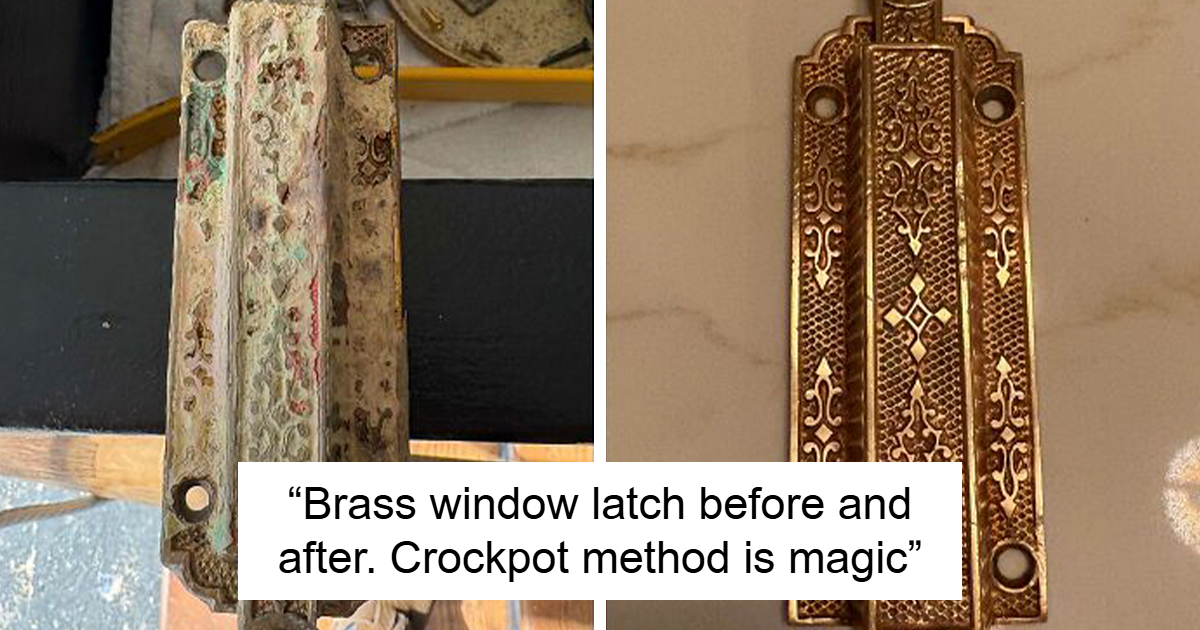
There are few phrases in the renting universe more instantly understood than the “landlord special.” It is not a paint color, a decorating style, or an official renovation methodthank goodness. It is the legendary move where someone grabs a roller, a bucket of white paint, and the confidence of a raccoon operating power tools, then paints over everything in sight: hinges, outlets, doorknobs, locks, vents, tile, switch plates, and sometimes, if the internet is to be believed, a spider that simply chose the wrong wall at the wrong time.
But hidden beneath those thick, glossy layers are often beautiful original details waiting for a comeback. That is why before-and-after restoration photos are so satisfying. They show neglected objects, old homes, thrifted furniture, vintage fixtures, and painted-over architectural details being returned to their original glory. A brass doorknob emerges from under five coats of paint. A hardwood floor comes back from the dead. A fireplace tile surround stops looking like a sad marshmallow and starts looking like history again.
The beauty of the “landlord special” restoration trend is that it celebrates patience, craftsmanship, and the oddly emotional joy of undoing bad decisions. These 50 before-and-after transformations are not just about pretty pictures. They are tiny acts of rescue.
What Does “Landlord Special” Mean?
The phrase “landlord special” usually refers to quick, low-cost cosmetic fixes that make a rental look “fresh” at first glance but cause headaches later. The most famous example is painting over hardware instead of removing or taping around it. Think painted hinges that no longer move smoothly, outlets sealed under latex paint, cabinet pulls with mystery texture, and window locks that look like frosted cupcakes.
To be fair, not every landlord is guilty of this. Many rental owners maintain properties carefully. But the term became internet shorthand because so many renters have seen the same thing: a rushed paint job used as a magic wand. Unfortunately, paint is not magic. It cannot repair water damage, fix poor ventilation, restore cracked grout, or make a 1920s brass doorplate happy about being buried alive.
Why Before-And-After Restoration Photos Are So Addictive
Before-and-after pictures work because they give the brain a tiny standing ovation. The “before” image is chaos: chipped paint, rust, grime, broken edges, sticky layers, or forgotten charm. The “after” image is order restored. It is visual problem-solving, and the payoff is immediate.
With “landlord special” restorations, the satisfaction is even stronger because the original beauty was never truly gone. It was only covered. A viewer can almost feel the scraper lifting old paint from a brass hinge or the first swipe of cleaner revealing patterned tile. It is the design equivalent of someone taking off foggy glasses and realizing the room has been gorgeous all along.
50 Things Commonly Restored From A “Landlord Special”
While every restoration project is different, the most popular before-and-after photos tend to fall into a few wonderfully dramatic categories. Here are 50 examples of things people often rescue from years of neglect, paint overload, or questionable “improvements.”
1. Painted Brass Door Knobs
Few transformations beat an old brass doorknob freed from layers of beige paint. Once cleaned and polished, the details return: grooves, floral patterns, keyholes, and that warm antique glow modern hardware rarely matches.
2. Hinges Buried Under Paint
Painted hinges are a classic landlord special. Restoring them can make doors swing better and instantly upgrade the look of a room. Sometimes the “after” photo looks like someone discovered jewelry hiding on the doorframe.
3. Original Hardwood Floors
Old wood floors may be scratched, dull, or stained, but many can be sanded, repaired, and refinished. The result often changes the entire personality of a home from “tired rental” to “historic gem with stories to tell.”
4. Fireplace Tile
Many older fireplaces have colorful or handmade tile that was painted white during a quick update. Carefully removing the paint can reveal deep greens, blues, terra cotta tones, or decorative patterns that make the fireplace the star again.
5. Metal Air Vents
Decorative registers and vents are often coated until their delicate cutouts almost disappear. After paint removal, they can look like small pieces of functional art.
6. Window Locks And Latches
Painted window hardware is not only unattractive but also inconvenient. Restoring locks and sash lifts can improve both appearance and everyday use.
7. Built-In Cabinets
Old built-ins sometimes suffer from sloppy paint, broken knobs, or stuck doors. A careful restoration can bring back storage charm without replacing the original craftsmanship.
8. Clawfoot Tubs
A chipped clawfoot tub may look beyond saving, but refinishing the interior and cleaning the feet can turn it into a bathroom centerpiece. Bonus points if the feet are fancy enough to deserve their own fan club.
9. Vintage Light Fixtures
Restored lighting can completely change a room. Cleaning glass shades, rewiring safely, and polishing metal details often reveals why older fixtures were worth keeping.
10. Wood Trim And Baseboards
Layered paint can soften crisp trim profiles. Gentle stripping or careful repainting can bring back depth, shadow lines, and architectural definition.
11. Stair Railings
Banisters and spindles take a beating. Removing grime, repairing chips, and refinishing wood can make a staircase look elegant rather than exhausted.
12. Pocket Doors
Many older pocket doors are hidden, jammed, or painted shut. When restored, they save space and add instant vintage drama. They are basically the secret agents of old-house design.
13. Kitchen Cabinet Hardware
Original pulls and knobs can be charming once stripped of paint. Even simple hardware can look intentional when cleaned and reinstalled properly.
14. Old Desks
Thrifted desks often look hopeless until someone sands the top, repairs the drawers, and gives the wood a proper finish. Suddenly, it is not junkit is “mid-century character.”
15. Leather Chairs
Scuffed leather can often be cleaned, conditioned, and repaired. A worn chair can go from “garage goblin” to “library gentleman” with the right care.
16. Brick Walls
Painted brick is controversial. In some cases, paint removal can reveal beautiful masonry underneath. However, brick restoration requires caution because harsh methods can damage the surface.
17. Cast-Iron Radiators
Old radiators have sculptural shapes that deserve better than lumpy paint. Cleaning and refinishing them can turn a utility item into a design feature.
18. Antique Mirrors
Frames coated in flat paint may hide carved wood, metal leaf, or ornate plaster details. Restoring the frame brings back texture and personality.
19. Tile Floors
Old bathroom or entry tile may look dingy until grout is cleaned and paint splatters are removed. Patterned tile especially can create a dramatic reveal.
20. Wooden Doors
Solid wood doors are often higher quality than modern hollow-core replacements. Stripping, sanding, staining, or repainting them carefully can restore their weight and dignity.
21. Porch Railings
Exterior railings need maintenance, but rushed paint jobs can hide rot or rough patches. Proper restoration includes cleaning, sanding, repairing, priming, and repainting for durability.
22. Vintage Trunks
Old trunks often have metal corners, leather handles, wood slats, and travel stickers. Restoring them preserves both function and nostalgia.
23. Dining Tables
A scratched table can become stunning after refinishing. The best restorations keep signs of age without leaving the piece looking neglected.
24. Record Cabinets
Mid-century record cabinets are popular restoration projects. After cleaning, veneer repair, and hardware polish, they look ready for jazz and responsible adult beverages.
25. Garden Benches
Weathered benches often need rust removal, new wood slats, and protective finish. The after photo usually screams, “I belong in a charming backyard, not behind a shed.”
26. Old Tools
Rusty tools can be cleaned, sharpened, oiled, and used again. Restoring them honors durability in a world full of disposable everything.
27. Typewriters
Vintage typewriters are beloved restoration subjects. Cleaning keys, freeing stuck parts, and polishing the body brings back both beauty and mechanical charm.
28. Sewing Machines
Old sewing machines often have ornate decals and cast-iron bases. Restored models can be functional tools or beautiful display pieces.
29. Wicker Furniture
Wicker can be cleaned, repaired, and repainted or sealed. The transformation from dusty porch relic to breezy sunroom piece is always satisfying.
30. Original Kitchen Sinks
Deep porcelain sinks can sometimes be refinished instead of replaced. Their shape and durability make them worth saving when possible.
31. Old Bicycles
Bike restorations often involve cleaning rust, replacing tires, adjusting brakes, and polishing chrome. The “after” photo feels like summer.
32. Wooden Chests
Chests and hope boxes can hide beautiful grain under scratches or dark varnish. Careful refinishing can make them heirloom-worthy again.
33. Vintage Radios
Restored radios combine electronics, woodwork, and nostalgia. Even when upgraded internally, their exterior design remains a conversation starter.
34. Painted Stone
Stone fireplaces, steps, or mantels sometimes get painted during trend-driven updates. Removing paint from stone requires patience and the gentlest effective method.
35. Entry Doors
A restored front door improves curb appeal immediately. Hardware, glass, panels, and finish all work together to create a memorable entrance.
36. Mail Slots
A painted mail slot may seem minor, but once polished, it becomes a small historic detail that makes the whole door look more intentional.
37. Cabinet Doors
Old cabinet doors with layers of paint can be cleaned up, rehung properly, and given new life. Sometimes all they need is patience and better hardware.
38. Wood Windows
Original windows are often repairable. Reglazing, weatherstripping, and careful painting can improve performance while preserving architectural character.
39. Floor Registers
Like wall vents, floor registers are frequently paint victims. Restoring them adds a polished finishing touch to older rooms.
40. Mantels
A mantel can anchor an entire room. Removing poor paint, repairing chips, and highlighting original lines can make it feel grand again.
41. Ceramic Hardware
Porcelain knobs and pulls often clean up beautifully. Their simple shine can soften a kitchen, pantry, or built-in cabinet.
42. Old Lamps
A lamp restoration might involve rewiring, cleaning metal, replacing a shade, and polishing the base. Safety comes first, but style comes right behind it wearing a better lampshade.
43. Wooden Chairs
Chairs are forgiving restoration projects. Tightening joints, sanding, staining, and reupholstering can make a forgotten seat useful again.
44. Exterior Shutters
Real wood shutters need care, but restored shutters add depth and authenticity to older homes.
45. Bathroom Medicine Cabinets
Vintage medicine cabinets may have beveled mirrors, metal frames, or clever storage. Restoring them can preserve charm in a small space.
46. Ceiling Medallions
Paint can blur ornate ceiling details. Cleaning and repainting with care can make a medallion look crisp and elegant again.
47. Hardware Backplates
Door backplates often hide beautiful stamped or cast designs. Once stripped, they add instant character.
48. Old Shop Signs
Vintage signs can be restored while keeping patina. The goal is not always to make something look new; sometimes it is to make it look respected.
49. Wooden Dressers
A dresser with peeling veneer or thick paint may still have great bones. Repairing drawers, refinishing the top, and replacing missing pulls can create a stunning piece.
50. Entire Historic Homes
The most dramatic restorations involve full houses: porches rebuilt, original siding repaired, floors refinished, windows saved, and architectural details celebrated instead of erased.
The Smart Way To Restore Without Ruining The Original
The best restorations begin with restraint. That may sound boring, but it is the difference between “carefully preserved” and “oops, we sanded off the history.” Preservation experts often recommend using the gentlest effective method first, especially with historic wood, masonry, and decorative surfaces.
Before stripping paint, identify the material underneath. Metal hardware can often handle soaking methods better than wood. Old woodwork may need careful scraping, heat control, chemical testing, or professional help. Brick and stone can be damaged by aggressive blasting. Antique furniture may have veneer that looks thick but is actually thinner than your patience after assembling flat-pack furniture.
Safety matters too. In the United States, homes built before 1978 may contain lead-based paint. Disturbing old paint can create dangerous dust, so renovations in older properties require special care. For large projects, child-occupied spaces, or rental units, professional lead-safe practices are not optional window dressing; they are essential.
Why Restoring Original Details Is Often Better Than Replacing Them
Replacement is tempting because it feels fast. A new knob, new door, new floor, or new cabinet can seem easier than restoring an old one. But older materials often have quality that is difficult or expensive to match today. Solid wood doors, cast metal hardware, old-growth floors, hand-laid tile, and custom millwork were made with a level of durability that deserves respect.
Restoration also keeps a home from becoming generic. A space with original details has texture, memory, and visual depth. It does not look like it was ordered in one weekend from the same online cart as everyone else’s “modern farmhouse starter pack.”
There is also an environmental argument. Restoring usable materials reduces waste and lowers the need for new manufacturing. A rescued dresser, refinished floor, or polished brass handle is not only charming; it is a small vote against throwing away things that still have life left.
Common Mistakes People Make During Restoration
Rushing The Prep Work
Most restoration failures begin before the fun part. Skipping cleaning, testing, labeling, sanding, or taping usually leads to frustration. Prep work is not glamorous, but neither is repainting something twice because the first coat peeled like sunburn.
Using Harsh Tools Too Soon
Aggressive sanding, grinding, or blasting can permanently damage original surfaces. Start small, test in a hidden spot, and work up only when necessary.
Ignoring Safety
Old paint, mold, asbestos-containing materials, and electrical fixtures should be treated seriously. A beautiful after photo is not worth a health hazard.
Trying To Make Everything Look Brand-New
Original glory does not always mean showroom perfection. Sometimes the best restoration keeps small signs of age. A few honest marks can give a piece character.
How To Approach Your Own “Landlord Special” Rescue
If you rent, always check your lease and ask permission before making permanent changes. Removing paint from hardware may seem harmless, but landlords can have strict rules about alterations. If you own your home, you have more freedom, but you still need to plan carefully.
Start with a small project. A single doorknob, hinge, vent cover, or cabinet pull is less intimidating than an entire staircase. Take photos before you begin, not just for social media glory, but also so you remember how pieces fit back together. Label screws and hardware in bags. Work in a ventilated area. Wear appropriate protection. Test cleaning methods before committing.
Most importantly, do not assume every old thing should be stripped. Sometimes repainting is historically appropriate. Sometimes the original finish is too damaged. Sometimes the safest and best choice is to stabilize, clean, and preserve rather than fully reveal.
Experiences From The World Of “Landlord Special” Restorations
Anyone who has tackled a landlord-special restoration knows the emotional stages. First comes innocent optimism: “This will probably take twenty minutes.” Then comes discovery: “Interesting, this hinge has seven coats of paint and one of them is apparently made of stubbornness.” Next comes bargaining, usually involving a scraper, a toothbrush, and a sincere conversation with the universe. Finally, if all goes well, comes victory: a clean piece of hardware shining like it just remembered who it was.
One of the most relatable experiences is restoring painted door hardware. At first, the knob looks like a sad blob. The keyhole may be nearly invisible. The backplate details are buried. After careful removal, soaking, or gentle scraping, the design appears in stages. A line here. A curve there. Suddenly, what looked cheap becomes elegant. The room has not changed, but it feels more cared for.
Another common experience is the painted-over outlet or switch plate. This is where comedy and concern meet. A switch should not look like it was dipped in cake frosting. Restoring or replacing plates is usually simple, but electrical safety matters. Power should be handled carefully, and damaged outlets should be evaluated by a qualified professional. The goal is charm, not sparks.
Old furniture restoration brings its own lessons. A dresser found on the curb may look hopeless, but solid construction can hide under scratches and bad paint. Many restorers learn that the hardest part is not sanding or stainingit is deciding when to stop. Over-restoring can erase the warmth that made the piece appealing in the first place. The best after photos often balance clean lines with a little history.
Floor restoration is more dramatic but also less forgiving. Pulling up carpet and finding hardwood underneath feels like winning the home-improvement lottery. But old floors can have stains, gaps, pet damage, or previous sanding mistakes. A professional refinisher may be worth the cost, especially if the boards are thin or historic. When done well, refinished floors can make a home feel brighter, larger, and more valuable.
Painted fireplace restorations are another emotional roller coaster. Many people start with a white-painted brick or tile fireplace and wonder what is underneath. Sometimes the reveal is stunning. Other times the original surface is damaged, uneven, or not worth fully exposing. That is why testing matters. Restoration is partly detective work, partly design judgment, and partly accepting that old houses enjoy keeping secrets.
Renters face a special challenge. They may live with painted hinges, sealed windows, and sloppy trim but have limited permission to change things. In that case, the best approach is documentation and reversible improvements. Cleaning, adding better lighting, using removable décor, and politely requesting repairs can improve the space without risking a security deposit. For anything permanent, written approval is your best friend.
The deeper experience behind these projects is surprisingly personal. Restoring something old teaches patience. It rewards observation. It proves that improvement does not always mean replacing the past with something new. Sometimes it means uncovering what was already there and giving it room to breathe.
That is why “landlord special” before-and-after photos keep spreading online. They are funny, yes. They let us laugh at painted-over hinges and mystery-textured walls. But they also satisfy a larger desire: to see care defeat carelessness. Every restored doorknob, floorboard, tile, and cabinet pull says the same thing in a tiny, shiny voice: “I was worth saving.”
Conclusion
The “landlord special” may begin as a joke, but the restoration movement behind it is full of real skill and appreciation. Before-and-after photos remind us that original details matter. They show how patience can uncover beauty buried under paint, grime, rust, and neglect. Whether it is a brass hinge, a hardwood floor, a vintage chair, or an entire old house, restoring something to its original glory is more than a makeover. It is a rescue mission with better lighting.
Note: This article is written in original American English and is based on established restoration, preservation, lead-safe renovation, and DIY home repair guidance.