

Imagine landing a dream job with a headline-making salary, only to discover your workplace has the emotional maturity
of a middle-school group chat. You show up ready to work. They show up ready to comment on your body, your clothes,
your existence, and (apparently) their belief that professionalism is a myth invented by boring people.
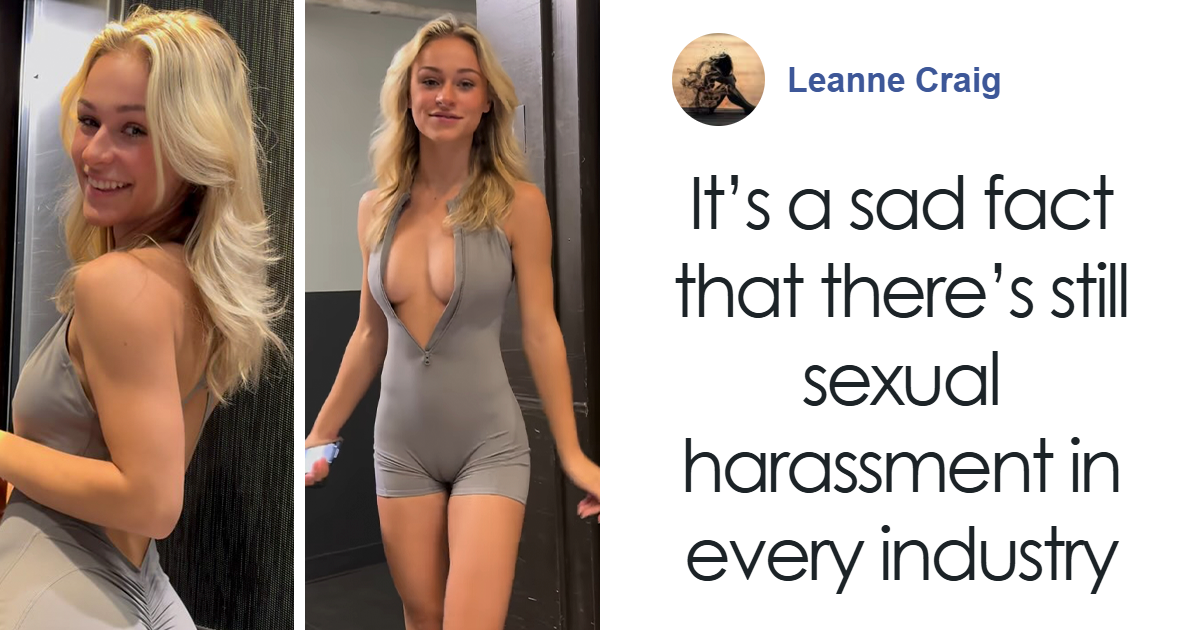
That’s the uncomfortable core of the viral story making rounds online: a 23-year-old woman in a high-paying role
said she walked away after enduring repeated gross, degrading comments from men at work. The twist that hit many
readers hardest wasn’t just the harassment—it was how normal everyone acted about it. The message she kept
hearing, directly or indirectly, was: Take the money. Take the jokes. Take it.
But here’s the truth that doesn’t fit on a paycheck: harassment is expensive. It costs confidence, safety,
sleep, career momentum, and sometimes the entire job. And no salary is high enough to make your dignity a “work perk”
other people get to borrow without asking.
Why This Story Blew Up (And Why It Keeps Happening)
In the reported account, the young woman described entering a male-dominated space and being treated less like a coworker
and more like background decoration. Comments turned her into a punchline. The vibe wasn’t “welcome to the team”;
it was “welcome to being watched.” Over time, the constant sexualized talk and objectifying remarks made her feel
like she wasn’t being valued for her skill, effort, or ambition.
The headline detail—earning around $180,000 and still quitting—forces a question many people avoid:
if the money is incredible, why leave? Because harassment doesn’t just make a workplace unpleasant. It can make it unsafe,
isolating, and psychologically exhausting. And in industries where teamwork and safety matter (construction is a big one),
distraction and stress aren’t just uncomfortable; they can be dangerous.
The “laughed in my face” moment also matters. Dismissal is a cultural cousin of harassment: it tells targets
they should expect disrespect, tolerate it, and maybe even be grateful for it. That mindset is how toxic workplaces recruit
their next victim: not through job ads, but through silence.
What Counts as Workplace Harassment (And What Doesn’t)
In U.S. law and policy, workplace harassment generally means unwelcome conduct based on a protected characteristic (like sex)
that becomes a condition of employment or is so severe or pervasive that it creates an intimidating, hostile, or offensive
work environment. Not every rude comment is illegal, but patterns matter. Impact matters. Power dynamics matter.
Common forms of sex-based harassment at work
- Sexual comments, jokes, or persistent “rating” someone’s appearance
- Unwanted flirting, repeated requests for dates, or boundary-pushing messages
- Leering, gestures, or “accidental” invasions of personal space
- Spreading rumors, creating group chats to comment on someone, or turning work into a spectator sport
- Retaliation after someone speaks up (schedule changes, exclusion, threats, career sabotage)
The tricky part is that harassment often arrives wearing a disguise labeled “just kidding.” If the joke
always targets the same people, always centers someone’s body, and always makes work feel smaller and more unsafe,
it’s not humor. It’s control with a punchline.
Why a Big Salary Doesn’t Cancel Out a Toxic Culture
A high salary can buy a lot: rent, groceries, a car that doesn’t make a scary noise when you turn left. But it can’t
buy back your nervous system after months of constant stress. It can’t buy back the confidence you lose when people
treat you like you don’t belong. And it definitely can’t buy back time spent rehearsing how to exist at work
without becoming a target.
There’s also a practical reality: talented workers leave. Replacing employees is expensive, and turnover drains teams.
When harassment is tolerated, the company is effectively paying a hidden tax on every project—lost productivity, training,
mistakes, and reputational damage. The workplace becomes a revolving door where the problem stays and the good people rotate out.
The Hidden Costs: Health, Safety, and Career Trajectory
Workplace stress isn’t just a mood. It can affect sleep, focus, and physical health. Chronic stress can increase risk for
anxiety and depression, and it can make everyday tasks feel heavier than they should. When you’re bracing for comments,
your brain is multitasking in the worst way: part of you is doing the job, part of you is scanning for threats.
In environments like construction, manufacturing, field work, and other high-risk settings, distraction can affect safety.
A culture that treats a coworker as entertainment often also treats rules as optional. That should worry everyone, not just the target.
Career-wise, harassment can block opportunities in sneaky ways. People avoid certain job sites, shifts, or teams to stay safe.
They skip networking events because the “fun” part isn’t fun. They stop asking questions because it triggers comments.
Over time, that can look like disengagement—but it’s actually self-protection.
If You’re Facing Gross Comments at Work: A Practical Playbook
If you’re dealing with this right now, you deserve support and options. The goal isn’t to turn you into a courtroom attorney
(unless you want to be one). The goal is to help you regain control.
1) Name it (to yourself) without minimizing it
A useful test: if a comment makes you feel unsafe, smaller, or like you’re being watched instead of respected, take it seriously.
You don’t have to wait until it becomes “bad enough” by someone else’s standards. Your experience counts.
2) Document patterns, not just moments
Write down dates, times, locations, who was present, and what happened (short and factual). Save messages if relevant.
A pattern is harder to dismiss than a single incident. And documentation helps if you report internally or externally.
3) Set a boundary (only if you feel safe doing so)
You don’t owe anyone a debate. Short, boring, and direct works best:
- “Don’t comment on my appearance at work.”
- “That’s not appropriate. Keep it professional.”
- “I’m here to work. Stop.”
If your workplace punishes boundary-setting, that information is important. It tells you what you’re dealing with.
4) Use the reporting channels—strategically
Many workplaces have policies and procedures for reporting harassment. If HR exists, use it. If there’s a supervisor you trust,
start there. If the harasser is the supervisor, you may need to report higher up or use a hotline or written complaint path.
Keep copies of what you submit.
5) Know that retaliation is a real risk (and also prohibited)
People sometimes fear reporting because they worry about backlash. That fear isn’t paranoid; it’s based on reality in some workplaces.
Still, U.S. equal employment laws generally prohibit retaliation for asserting rights related to discrimination or harassment.
That doesn’t mean retaliation never happens—it means it matters if it does.
6) Consider outside support
Depending on the situation, you may want to consult an employment lawyer, a state or local civil rights agency,
or file a charge with the EEOC. Timing can matter: for many claims, there are filing deadlines (often 180 or 300 days,
depending on where you live and what agency coverage applies). Even if you’re not ready to file anything, learning your options
can reduce the feeling of being trapped.
What Employers Should Do (If They Actually Want to Keep Talent)
If your company loses a high performer because “the guys were being guys,” that’s not a culture problem.
That’s a leadership failure with a paper trail.
Build a harassment-prevention system, not a harassment-punishment speech
- Clear policies that define unacceptable behavior in plain language (no legal Sudoku)
- Multiple reporting paths so employees aren’t forced to report to the person causing the problem
- Fast, fair investigations with documented steps, privacy protections, and consistent follow-through
- Real consequences for repeat offenders (not a “don’t do that again, champ” talk)
- Bystander training so coworkers know how to interrupt harassment without making it worse
Bystander intervention matters because harassment is often social. It thrives on laughter and silence. When the room stops rewarding it,
it loses oxygen. Leaders can help by modeling language like: “Not funny. Keep it professional.” Simple. Effective. Free.
For male-dominated industries: fix the jobsite culture, not just the handbook
In settings like construction, small teams and informal dynamics can blur boundaries quickly. That doesn’t mean harassment is inevitable.
It means prevention has to be practical: supervisor accountability, consistent discipline, clear expectations, and daily reinforcement.
Safety culture and respect culture are the same culture.
If You Decide to Quit: Protect Yourself While You Exit
Leaving can be an act of self-respect. It can also be messy. If you’re planning an exit, consider:
- Save documentation on a personal device or secure location (not your work computer)
- Request clarity in writing if you experience sudden changes after reporting
- Ask for references from people who respected your work (before rumors fill the space)
- Keep your resignation simple: you don’t have to argue your case in the resignation letter
- Consider an exit interview only if you believe it will be handled professionally
Some people fear quitting will look like “they couldn’t handle it.” The reality is often the opposite:
they handled it long enough to realize the workplace wouldn’t change. Leaving isn’t weakness. Staying in a place that harms you
isn’t a requirement for proving strength.
So What Does a Healthy Workplace Look Like?
It looks boring—in the best way. People talk about the work. Jokes don’t target someone’s body.
When someone says “Stop,” the conversation stops. When someone reports harassment, leaders treat it like a safety issue,
not a popularity contest.
And here’s the wild part: respectful workplaces aren’t just kinder. They’re more productive. Teams communicate better.
People stay longer. Knowledge doesn’t walk out the door. Everyone wins, including the company’s bottom line.
(Even the CFO, who loves feelings as long as they come in spreadsheet form.)
Extra: Real-World Experiences People Share About This Problem (And What Helped)
To make this topic feel less like a headline and more like reality, here are common experiences that workers in different industries
often describe when they talk about gross comments, harassment, and the decision to stay or leave. These are composite examples—not one person’s story—but they reflect patterns many people recognize.
Experience #1: The “It’s Just Jokes” Trap
A young employee joins a team where crude jokes are treated like a team-building exercise. At first, she laughs politely because she’s new
and doesn’t want to be labeled “uptight.” Then the jokes start to include her: comments about her outfit, her body,
or whether she’s “distracting” the guys. The moment she says, “Please stop,” the tone shifts:
now she’s the problem. What helped? One coworker quietly backed her up in the moment—“Cut it out, we’re working”—
and the supervisor later reinforced expectations in a team meeting. It didn’t fix everything overnight, but it stopped the group from treating harassment like a sport.
Experience #2: The “Private Messages” Problem
In an office setting, a colleague starts sending late-night messages that aren’t work-related. They begin as “friendly”
but gradually become personal and uncomfortable. When she ignores them, he brings it up at work: “Why are you acting weird?”
It becomes a pressure campaign disguised as confusion. What helped? She saved screenshots, told a manager she trusted, and used a clear boundary:
“Please only message me about work during work hours.” When the behavior continued, documentation made it easier for HR to address the pattern instead of treating it like a misunderstanding.
Experience #3: When Reporting Feels Risky
In a jobsite environment, the target worries that reporting will lead to fewer hours, worse assignments, or being labeled a complainer.
So she tries to endure it. She becomes quieter, avoids break areas, and stops asking for help because help comes with comments.
Eventually she realizes the job is changing her personality outside of work too—short-tempered, anxious, exhausted.
What helped? A mentor from outside the company encouraged her to treat the situation like any other workplace hazard:
identify it, document it, report it, and plan an exit if leadership refuses to fix it. She didn’t report because she wanted drama;
she reported because she wanted her life back.
Experience #4: The Relief After Leaving
People who leave toxic workplaces often describe an unexpected feeling after the first week: relief mixed with anger.
Relief because the daily dread is gone. Anger because they realize how much energy they spent surviving.
One person described it like taking off a backpack they didn’t know they were carrying. What helped after leaving?
Updating a resume with fresh wins, reaching out to former colleagues who respected their work, and choosing future employers based on culture signals:
how leaders talk, how they handle conflict, and whether respect shows up in everyday behavior—not just posters on a wall.
If any of these feel familiar, you’re not alone. And if you’re reading this as a manager or coworker thinking,
“I’ve seen this happen,” consider this your invitation to be the person who stops it. Harassment thrives in silence,
but it shrinks fast when someone says, calmly and clearly: “No. Not here.”
Conclusion: The Real Question Isn’t “Why Did She Quit?”
The better question is: why did her workplace let it get to that point? A 23-year-old shouldn’t have to choose between
a great salary and basic respect. When someone quits a high-paying job over gross comments, it’s not because they’re fragile.
It’s because the workplace is.
If you’re dealing with harassment, you deserve options, support, and a workplace that values your work—not your discomfort.
If you’re an employer, the fix isn’t complicated: set standards, enforce them, protect reporters, and treat respect like the safety issue it is.
The best talent in the world won’t stay where dignity is optional.