

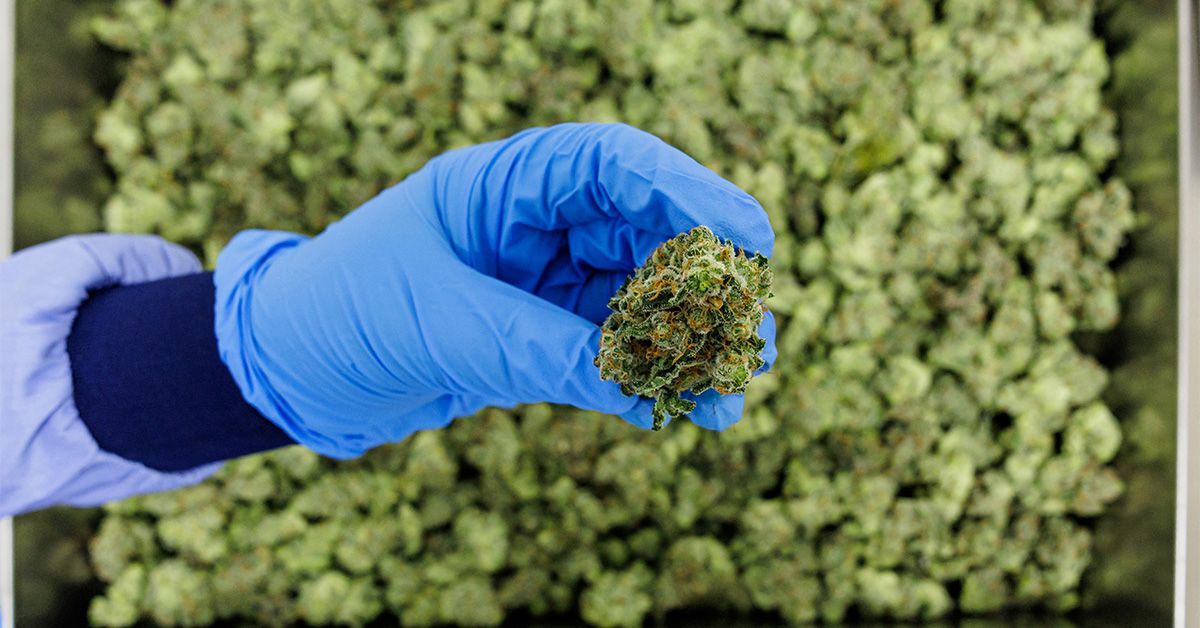
Medical cannabis has been called everything from a breakthrough treatment to expensive oregano with better public relations. The truth, as usual, is less dramatic and more useful: certain cannabis-derived medicines can meaningfully help specific symptoms and conditions, while many popular claims remain unsupported, exaggerated, or simply premature.
The key question is not whether cannabis is “good” or “bad.” It is whether a particular product, containing a known dose of THC, CBD, or another cannabinoid, can improve a clearly defined medical problem without causing more trouble than it solves. That distinction matters because prescription cannabidiol, laboratory-tested oral cannabinoids, dispensary flower, gummies, oils, concentrates, and gas-station CBD are not interchangeable.
Here is what current evidence says about the medical uses of cannabis, including where benefits are strongest, where they appear modest, and where the science is still waving a tiny white flag.
What Is Medical Cannabis?
Medical cannabis refers broadly to cannabis plants, extracts, or cannabinoid-containing products used to relieve symptoms or treat disease. The two best-known cannabinoids are tetrahydrocannabinol, or THC, and cannabidiol, or CBD.
THC can reduce nausea, influence pain perception, stimulate appetite, and relax muscles. It can also cause intoxication, anxiety, impaired coordination, memory problems, and a faster heart rate. CBD does not produce the classic marijuana “high,” but it is not biologically inactive. At prescription doses, CBD can affect liver enzymes, interact with medications, and cause side effects such as sleepiness, diarrhea, and decreased appetite.
The U.S. Food and Drug Administration has not approved the cannabis plant itself as a treatment for any disease. It has, however, approved one purified cannabis-derived CBD medicine and three synthetic cannabinoid-related prescription drugs. This is an important difference: an FDA-approved medication has standardized ingredients, tested dosing, manufacturing controls, and evidence for a specific medical use. A dispensary brownie may have excellent vibes, but it does not come with the same clinical résumé.
Conditions With the Strongest Evidence
Certain Severe Forms of Epilepsy
The clearest modern success story is pharmaceutical-grade CBD for specific seizure disorders. The prescription drug cannabidiol, sold as Epidiolex, is FDA-approved for seizures associated with Lennox-Gastaut syndrome, Dravet syndrome, and tuberous sclerosis complex in patients age one and older.
Clinical trials found that adding purified CBD to standard antiseizure treatment reduced seizure frequency in some patients with these difficult-to-control conditions. The evidence applies to a carefully manufactured prescription product, not automatically to commercial CBD oils or homemade cannabis extracts. Over-the-counter products may contain inconsistent CBD levels, unexpected THC, contaminants, or less active ingredient than the label promises.
CBD can also interact with antiseizure medicines, particularly clobazam and valproate. Patients may need medication adjustments and liver-function monitoring. In other words, this is genuine medicine, not a wellness garnish.
Refractory Chemotherapy-Induced Nausea and Vomiting
Cannabinoid medicines can help some adults whose chemotherapy-related nausea and vomiting remain uncontrolled despite standard anti-nausea treatment. Dronabinol and nabilone are prescription cannabinoids used for this purpose, and oncology guidelines recognize that cannabinoids may provide additional relief when guideline-based antiemetic regimens are not enough.
The word additional matters. Cannabis should not automatically replace proven anti-nausea combinations prescribed by an oncology team. It may function as an adjunct or rescue option, especially for patients who continue to experience severe symptoms.
Possible drawbacks include dizziness, sleepiness, altered thinking, anxiety, and intoxication. For a person already exhausted from chemotherapy, adding a medication that causes more fatigue may be less charming than it sounds. Treatment should therefore be individualized and coordinated with the cancer-care team.
Appetite Loss and Weight Loss Associated With AIDS
Dronabinol is also FDA-approved for anorexia associated with weight loss in people with AIDS. THC can increase appetite, making food seem more appealing and sometimes helping patients improve calorie intake.
This indication comes from an earlier era of HIV treatment, when severe wasting was more common. Modern antiretroviral therapy has changed the clinical landscape, but cannabinoid medication may still be considered in selected cases. It treats appetite-related symptoms; it does not treat HIV itself or replace antiretroviral therapy, nutritional support, or evaluation for other causes of weight loss.
Conditions That May Improve, but Usually Only Modestly
Chronic Pain, Especially Neuropathic Pain
Chronic pain is one of the most common reasons people seek medical cannabis. It is also an area where headlines frequently outrun the evidence.
Systematic reviews suggest that certain oral or sublingual products containing THC, sometimes combined with CBD, may produce small short-term improvements in chronic pain. Benefits appear most plausible for neuropathic pain caused by damaged or irritated nerves. Examples include burning, electric, shooting, or pins-and-needles pain rather than every variety of sore back, aching knee, or mysterious Tuesday discomfort.
The average benefit in studies is usually modest. Some patients respond well, many notice little change, and others stop because of dizziness, sedation, nausea, impaired attention, or unpleasant psychoactive effects. Evidence on long-term effectiveness, tolerance, dependence, and whether cannabis reduces opioid-related harm remains limited.
The American College of Physicians advises clinicians to discuss potential benefits, harms, product composition, and route of use before patients try cannabis for chronic noncancer pain. Inhaled cannabis is generally discouraged because dosing is difficult to standardize and smoke can harm lung tissue. Extra caution is appropriate for adolescents, pregnant patients, people with current or past substance-use disorders, and individuals at increased risk of psychosis, falls, or cardiovascular complications.
Multiple Sclerosis Spasticity
Cannabinoids may reduce patient-reported muscle stiffness, spasms, and related pain in some people with multiple sclerosis. The improvement is typically short-term and modest, and objective measurements of spasticity do not always improve as much as patients’ descriptions of their symptoms.
Cannabis does not slow multiple sclerosis progression or replace disease-modifying treatment. Its potential role is symptom control, particularly when conventional antispasticity medicines have been ineffective or poorly tolerated.
THC-related dizziness, weakness, fatigue, and impaired balance deserve special attention in MS because the condition itself may already affect walking and coordination. A treatment that relaxes a muscle spasm but introduces an unexpected meeting with the floor is not an uncomplicated victory.
Sleep Problems Related to Pain or Spasticity
Some patients report better sleep when cannabis reduces nighttime pain or muscle spasms. That does not necessarily mean cannabis directly treats insomnia. Small studies have produced mixed results, and regular THC use may alter sleep architecture, lose effectiveness as tolerance develops, or cause rebound sleep problems after discontinuation.
People with persistent insomnia should still be evaluated for sleep apnea, restless legs syndrome, depression, medication effects, and behavioral causes. Cognitive behavioral therapy for insomnia remains a better-supported long-term treatment than relying on a nightly gummy whose dose may be more adventurous than advertised.
Popular Uses With Uncertain or Insufficient Evidence
Anxiety
CBD is heavily marketed for anxiety, but evidence from large, long-term clinical trials remains limited. Small studies suggest that carefully measured CBD may reduce anxiety in certain experimental or situational settings. That is not the same as proving that retail CBD reliably treats generalized anxiety disorder, panic disorder, or social anxiety disorder.
THC may temporarily feel relaxing at a low dose, yet higher doses can produce panic, paranoia, rapid heartbeat, and a powerful conviction that everyone in the grocery store is analyzing your choice of cereal. People with anxiety disorders should not assume all cannabis products are calming.
Post-Traumatic Stress Disorder
Some people with post-traumatic stress disorder report that cannabis helps them sleep, reduces nightmares, or briefly numbs distress. However, U.S. Department of Veterans Affairs guidance states that research does not support cannabis as an effective PTSD treatment. Long-term use may worsen avoidance, contribute to dependence, and interfere with recovery for some patients.
Evidence-based trauma-focused psychotherapies and certain prescription medications have stronger support. Cannabis use does not necessarily prevent someone from benefiting from PTSD therapy, but it should not be presented as a proven replacement.
Migraine and Other Headache Disorders
Patient surveys and observational reports suggest that some people experience migraine relief with cannabis. Controlled evidence remains too limited to determine the best cannabinoid, dose, timing, or route. Frequent use may also contribute to medication-overuse patterns or cannabinoid hyperemesis syndrome, a condition involving repeated episodes of severe nausea and vomiting.
Fibromyalgia
Some people with fibromyalgia report improvements in pain, sleep, or quality of life. Research is still limited by small studies, inconsistent products, short follow-up periods, and a lack of standardized dosing. Cannabis may eventually prove helpful for selected patients, but current evidence does not justify describing it as a dependable first-line treatment.
Inflammatory Bowel Disease
People with Crohn’s disease or ulcerative colitis may feel less pain, nausea, or poor appetite when using cannabis. Studies have not clearly shown that cannabis controls intestinal inflammation, heals the bowel, or prevents complications. Symptom relief can be valuable, but feeling better is not always the same as the disease becoming less active.
Parkinson’s Disease, ALS, Dementia, and Other Neurologic Conditions
Cannabinoids have been studied for tremor, agitation, movement symptoms, sleep disturbances, and pain associated with several neurologic disorders. Results remain inconsistent or insufficient. Older adults are also more vulnerable to confusion, low blood pressure, falls, hallucinations, and medication interactions.
Conditions Cannabis Does Not Treat or Cure
Cancer Itself
Laboratory research has found that cannabinoids can affect cancer cells under certain experimental conditions. That has not established cannabis as a cancer treatment in humans. The American Society of Clinical Oncology recommends against using cannabis or cannabinoids as cancer-directed therapy outside a clinical trial.
Cannabis may help selected treatment-related symptoms, particularly refractory chemotherapy-induced nausea and vomiting. It should not replace surgery, radiation therapy, immunotherapy, chemotherapy, targeted therapy, or other evidence-based cancer care.
Glaucoma
THC can temporarily lower pressure inside the eye, but the effect lasts only a few hours. Maintaining pressure control would require repeated dosing throughout the day and night, creating substantial intoxication and cardiovascular effects. CBD may even raise eye pressure in some circumstances.
The American Academy of Ophthalmology does not recommend marijuana or CBD as glaucoma treatment. Modern eye drops, laser procedures, and surgery provide more reliable pressure control and protect vision more effectively.
COVID-19, Diabetes, Alzheimer’s Disease, and “Inflammation” in General
Claims that cannabis cures viral infections, reverses diabetes, prevents dementia, or broadly “detoxifies” the body are not supported by clinical evidence. The endocannabinoid system is biologically interesting, but “scientists found a receptor” is not the same sentence as “this gummy cures chronic disease.”
Risks That Matter in Medical Use
Calling cannabis medical does not erase its risks. THC can impair memory, judgment, coordination, and reaction time. Patients should not drive, operate machinery, or perform hazardous work while impaired. Combining cannabis with alcohol, opioids, sleep medicines, or other sedating drugs can increase drowsiness and accident risk.
Frequent use can lead to tolerance, withdrawal symptoms, and cannabis use disorder. High-THC products are more likely to cause anxiety, paranoia, psychosis-like symptoms, or severe intoxication. People with a personal or strong family history of psychotic disorders generally require particular caution.
Smoked cannabis exposes the lungs to irritants and can contribute to cough, mucus production, and airway injury. Edibles avoid smoke but introduce a different problem: delayed onset. A person may take a second serving because “nothing is happening,” only to discover later that both servings have filed a joint application for control of the evening.
Cannabis can increase heart rate and may affect blood pressure. Older adults and people with cardiovascular disease should discuss these effects with a clinician. Pregnancy and breastfeeding are not appropriate times to experiment with cannabis; major U.S. obstetric organizations recommend avoiding it because THC reaches the developing fetus and may pass into breast milk.
CBD and THC may also alter how the liver processes prescription medicines. Anyone taking blood thinners, antiseizure drugs, sedatives, transplant medicines, or multiple prescriptions should obtain a medication-interaction review.
How to Evaluate Medical Cannabis More Safely
A responsible trial begins with a specific goal. “I want to reduce nighttime nerve pain enough to sleep six hours” is measurable. “I want cannabis to fix my entire relationship with my spine” is less practical.
Patients and clinicians should discuss the diagnosis, conventional treatments already tried, psychiatric and substance-use history, pregnancy status, cardiovascular risk, current medications, work duties, and driving needs. Product selection should focus on known THC and CBD content rather than strain names such as Purple Cosmic Pancake, which are memorable but not particularly useful clinical data.
When cannabis is considered, clinicians often favor starting with a low dose, increasing slowly, avoiding high-potency THC, and reassessing benefits and adverse effects after a defined period. A symptom diary can record pain, sleep, nausea, function, mood, dose, and side effects. Treatment should be stopped when it produces no meaningful benefit, requires escalating doses, causes impairment, or begins controlling the patient rather than the symptom.
What Medical Cannabis Experiences Often Look Like in Real Life
Clinical studies provide averages, but patients live in the land of individual results. The following composite examples illustrate common experiences reported in medical practice. They are not testimonials and do not predict how any specific person will respond.
The Neuropathic Pain Trial
Imagine a patient with burning nerve pain from diabetic neuropathy. Standard medications have reduced the pain slightly but caused troublesome side effects. After discussing risks with a clinician, the patient tries a low-dose oral product containing a small amount of THC and CBD at night.
The pain does not disappear. Instead, it drops from a relentless seven out of ten to perhaps five or six, and the patient wakes less often. That modest change may still matter because better sleep improves energy and coping the next day. After increasing the dose too quickly, however, the patient experiences dizziness and morning grogginess. Returning to the lower dose produces a better balance.
This is a realistic version of benefit: partial symptom relief, not a miraculous reset button. Function, sleep, and tolerability matter more than chasing a pain score of zero.
The Chemotherapy Rescue Option
Another patient is receiving chemotherapy and already takes several standard anti-nausea medicines. Most days are manageable, but nausea remains severe after certain treatment cycles. The oncology team adds a prescription cannabinoid rather than replacing the established regimen.
The additional medication reduces vomiting and makes small meals easier. It also causes sleepiness, so the patient avoids driving and takes it when a family member is available. The treatment succeeds because it addresses a clearly defined problem, is monitored by the oncology team, and is judged according to both benefit and burden.
The same patient would not be advised to abandon cancer treatment in favor of cannabis oil. Symptom management and cancer treatment are two entirely different jobs, even when online marketing tries to put them in the same uniform.
The Multiple Sclerosis Trade-Off
A person with multiple sclerosis may try an oral cannabinoid for painful nighttime spasms. The legs feel less rigid, and falling asleep becomes easier. During daytime use, however, the patient notices slower thinking and poorer balance.
The eventual plan may involve limited evening use rather than all-day dosing. This illustrates an important medical principle: the most effective dose is not always the highest dose. It is the dose that provides enough relief while preserving alertness, mobility, and daily function.
When “Relaxing” Cannabis Makes Anxiety Worse
A person with anxiety may initially find that THC quiets racing thoughts. Over time, the dose creeps upward, the calming effect becomes less reliable, and skipped doses bring irritability and poor sleep. A high-potency product then triggers panic and paranoia.
This experience does not mean everyone who uses cannabis will develop a problem. It does show why short-term relief must be separated from long-term treatment success. Feeling different for two hours is not automatically the same as recovering from an anxiety disorder.
The Product Consistency Problem
Some patients discover that one bottle of oil feels helpful while the next causes stronger intoxication or no effect at all. Differences in labeling accuracy, formulation, absorption, food intake, and manufacturing can produce inconsistent results. Gummies may take one or two hours to feel noticeable and can last much longer than inhaled cannabis.
A safer experience usually involves standardized products, measured doses, realistic goals, and regular review with a healthcare professional. The process should resemble a monitored medication trial, not a scavenger hunt through a dispensary menu.
The Bottom Line
Medical cannabis is neither a cure-all nor medical nonsense. Strong evidence supports prescription CBD for several rare seizure disorders. Cannabinoid medicines can also help refractory chemotherapy-induced nausea and vomiting and AIDS-related appetite loss. Some cannabis-based products may provide modest relief for chronic neuropathic pain and multiple sclerosis spasticity.
Evidence is much weaker for anxiety, PTSD, insomnia, migraine, fibromyalgia, inflammatory bowel disease, Parkinson’s disease, and many other qualifying conditions listed by state programs. Cannabis has not been shown to cure cancer, and it is not a practical glaucoma treatment.
The smartest approach is condition-specific and product-specific. Patients should know what symptom they are targeting, what cannabinoid and dose they are taking, how success will be measured, and what risks might outweigh the benefit. Medical cannabis works best when treated like medicine: cautiously, transparently, and without requiring anyone to believe the marketing department.