

Note: This article is for general wellness education only. It is not medical advice, and anyone with IBS, SIBO, food intolerance, digestive disease, or a prescribed diet should talk with a qualified healthcare professional before making major dietary changes.
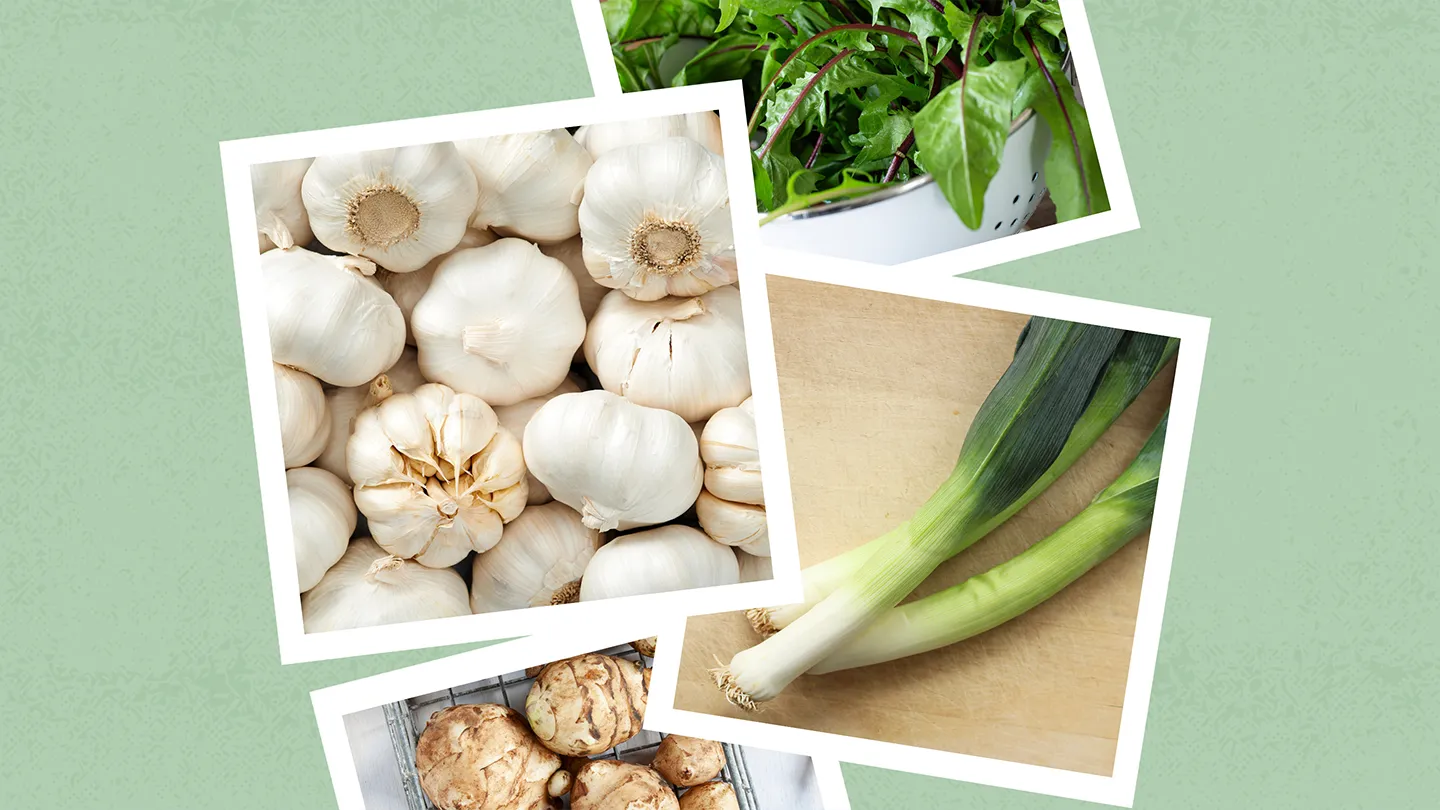
Some foods enter the kitchen like background actors. Onions sit in the pantry. Garlic hides in a tiny papery jacket. Leeks look like onions that went to finishing school. Yet these humble allium vegetables are now getting well-deserved attention for something far more exciting than making soup taste like someone knew what they were doing: they are among the most impressive prebiotic-rich foods you can eat.
Prebiotics are not the same as probiotics. Probiotics are live microorganisms found in foods such as yogurt, kefir, and some fermented vegetables. Prebiotics, on the other hand, are the food supply for beneficial gut bacteria already living in your digestive system. Think of probiotics as guests at a party and prebiotics as the snack table. Without snacks, even the friendliest party gets awkward fast.
Onions, garlic, and leeks are rich in special fibers and plant compounds, including inulin and fructooligosaccharides, often called FOS. These compounds resist digestion in the upper digestive tract and travel to the colon, where gut microbes ferment them. During this process, the microbes produce short-chain fatty acids, which help support the gut lining, digestive comfort, and overall microbiome balance.
In plain English: your gut bacteria enjoy a good onion moment.
What Makes a Food “Prebiotic-Rich”?
A prebiotic-rich food contains compounds that nourish beneficial bacteria in the gut. Not every fiber is automatically a prebiotic, but many prebiotics are types of fiber. The best-known prebiotic compounds include inulin, fructans, FOS, galactooligosaccharides, resistant starch, pectin, and beta-glucan. These sound like ingredients in a science experiment, but they are found in everyday foods such as onions, garlic, leeks, asparagus, oats, bananas, beans, lentils, barley, apples, and Jerusalem artichokes.
The magic happens because humans cannot fully digest these compounds on their own. Gut microbes step in like tiny chefs, breaking them down and producing beneficial byproducts. Among the most important are short-chain fatty acids, including acetate, propionate, and butyrate. Butyrate is especially loved by gut-health researchers because it helps fuel cells in the colon and supports the intestinal barrier.
That is why prebiotic foods are connected with digestive health, regularity, immune support, and a more diverse gut microbiome. A diverse microbiome is generally considered a good thing because it means your internal ecosystem is less like a one-man band and more like a full orchestra.
Why Onions, Garlic, and Leeks Lead the Prebiotic Parade
Allium vegetables are a family of flavorful plants that includes onions, garlic, leeks, shallots, scallions, and chives. They are famous for their bold aroma, their ability to rescue bland meals, and their talent for making breath mints feel underemployed. But beyond flavor, alliums are naturally rich in prebiotic fibers, especially fructans and inulin-type compounds.
Research summaries and nutrition experts often place garlic, leeks, and onions near the top of the list for naturally occurring prebiotic content. They are not rare, expensive, or difficult to cook. You do not need a gold-plated blender, a subscription box, or a mysterious powder with a name that sounds like a moon rock. You need a cutting board, a pan, and maybe a tissue if the onion gets dramatic.
Garlic: Small Clove, Big Gut-Friendly Personality
Garlic is tiny, but nutritionally loud. It contains prebiotic fructans that help feed beneficial gut bacteria. It also contains sulfur-containing compounds that give garlic its famous punchy smell and many of its studied health properties. In cooking, garlic can turn simple foods into comfort food in about thirty seconds. Add it to olive oil, and suddenly vegetables start acting like they belong in a restaurant.
From a gut-health perspective, garlic’s prebiotic value comes from its ability to provide fermentable fibers that microbes can use. Raw garlic may contain more intact prebiotic compounds, but it can also be intense for sensitive stomachs. Cooked garlic is usually gentler and still contributes flavor and plant compounds. Roasting garlic is especially friendly for beginners because it becomes sweet, soft, and spreadable, like butter’s more responsible cousin.
Onions: The Everyday Prebiotic Hero
Onions may be the most common prebiotic food hiding in plain sight. Yellow onions, red onions, white onions, and sweet onions all contain prebiotic fibers. They also bring antioxidants and plant compounds that help make meals more flavorful without requiring heavy sauces or excessive salt.
Raw onions add sharp crunch to salads, tacos, sandwiches, and grain bowls. Cooked onions become sweet and mellow, especially when sautéed or caramelized. If raw onions make your stomach complain like it has filed paperwork, cooked onions may be easier to tolerate. Starting with small amounts is smart, especially for anyone new to higher-fiber eating.
Leeks: The Elegant Cousin With Serious Prebiotic Power
Leeks look fancy, but they are not fussy. Their flavor is milder and sweeter than onions, making them perfect for soups, stews, omelets, pasta dishes, and roasted vegetable trays. Leeks contain inulin-type prebiotic fibers and belong firmly in the allium family’s gut-friendly club.
The one thing leeks demand is proper washing. Dirt loves to hide between their layers like it is avoiding rent. Slice the leek lengthwise, rinse between the layers, and then chop. Once clean, leeks cook beautifully and add a soft, savory flavor that makes simple dishes feel cozy and slightly French.
Prebiotics vs. Probiotics: Why You Need Both
People often talk about probiotics as if they are the entire gut-health story. They matter, but they are only part of the picture. Probiotic foods introduce beneficial microbes. Prebiotic foods help feed beneficial microbes. A gut-friendly eating pattern often includes both.
For example, a bowl with Greek yogurt, oats, sliced banana, and a sprinkle of flaxseed gives you probiotic potential from the yogurt and prebiotic support from the oats, banana, and seeds. A dinner of lentil soup with garlic, onions, and leeks brings a hearty dose of prebiotic fiber. Add a side of fermented vegetables if tolerated, and you have a meal that understands teamwork.
The best strategy is not to chase one miracle food. The gut microbiome prefers variety. Different bacteria enjoy different fibers, so a diet with onions, garlic, leeks, beans, oats, asparagus, apples, berries, nuts, seeds, and whole grains gives your gut a broader buffet.
Health Benefits of Prebiotic-Rich Foods
1. They Help Feed Beneficial Gut Bacteria
The most direct benefit of prebiotic-rich foods is that they provide fuel for helpful microbes. When these microbes ferment prebiotics, they produce compounds that support the gut environment. This can encourage microbial diversity and help maintain a healthier balance between beneficial and less helpful bacteria.
2. They Support Digestive Regularity
Prebiotic foods are usually high in fiber, and fiber supports bowel regularity. Some fibers add bulk, while others help retain water and soften stool. Together, they help keep digestion moving at a reasonable pace. No one wants a digestive system that behaves like a traffic jam on a holiday weekend.
3. They May Support the Gut Barrier
The gut lining acts as a protective barrier. Short-chain fatty acids produced during fiber fermentation help nourish cells in the colon and support the integrity of this barrier. A strong gut barrier is important because the digestive tract is not just a food-processing tube; it is a major interface between the body and the outside world.
4. They Can Help Make Healthy Eating More Delicious
This benefit is underrated. Many people struggle to eat more vegetables because plain steamed broccoli can feel like a punishment from a very strict gym teacher. Onions, garlic, and leeks solve this problem by adding aroma, sweetness, depth, and savory flavor. They make beans taste better, vegetables more exciting, soups richer, and whole grains less lonely.
5. They Fit Into Many Eating Styles
Prebiotic-rich alliums work in Mediterranean, vegetarian, vegan, flexitarian, and many balanced omnivore diets. They are affordable, widely available, and easy to use. A bag of onions and a bulb of garlic can improve a week of meals without requiring a culinary degree or a dramatic lifestyle announcement.
Best Ways to Eat More Onions, Garlic, and Leeks
You do not need to eat a raw onion like an apple. Please do not make your lunch table suffer unless everyone has signed a waiver. Instead, build alliums into meals gradually and creatively.
Breakfast Ideas
Add sautéed onions and leeks to scrambled eggs, omelets, tofu scramble, or breakfast potatoes. A small amount of garlic can work well in savory breakfast bowls with spinach, mushrooms, and brown rice. If mornings are chaotic, cook a batch of onions and leeks ahead of time and keep them in the fridge for quick meals.
Lunch Ideas
Use thinly sliced red onion in salads, wraps, and grain bowls. Add roasted garlic to hummus or white bean dip. Stir leeks into vegetable soup or lentil stew. A simple lunch bowl with quinoa, chickpeas, roasted vegetables, and a garlic-lemon dressing can deliver prebiotic fiber without tasting like “health food” in the sad, cardboard sense.
Dinner Ideas
Start sauces, soups, chili, stir-fries, and casseroles with onions and garlic. This classic base builds flavor before the main ingredients even arrive. Roast leeks with olive oil and herbs, add garlic to pasta with vegetables, or caramelize onions for burgers, sandwiches, flatbreads, and baked potatoes.
Snack Ideas
Roasted garlic can be mashed into yogurt-based dips, bean spreads, or avocado toast. Pickled onions add bright flavor to tacos and salads. Just remember that pickled onions may be acidic, so people with reflux or sensitive stomachs may want smaller portions.
How Much Should You Eat?
There is no single official daily requirement for onions, garlic, or leeks specifically. The better goal is to include a variety of fiber-rich plant foods every day. Many adults fall short on total fiber, so adding prebiotic foods can help improve overall intake.
A practical starting point might look like this: one small serving of onion or leek in a cooked meal, one clove of garlic in a sauce or soup, and other prebiotic foods throughout the day, such as oats, beans, bananas, apples, asparagus, or whole grains. Gradual progress is better than suddenly eating a mountain of raw onions and wondering why your stomach has become a jazz drummer.
Who Should Be Careful With Allium Prebiotics?
Onions, garlic, and leeks are high in fermentable carbohydrates known as FODMAPs. For many people, that is not a problem. For people with irritable bowel syndrome, small intestinal bacterial overgrowth, or certain digestive sensitivities, high-FODMAP foods may trigger gas, bloating, cramps, or changes in bowel habits.
This does not mean these foods are “bad.” It means tolerance is personal. Some people do better with cooked alliums than raw ones. Some tolerate garlic-infused oil because fructans do not dissolve well into oil, while others may need to avoid even small amounts during a structured elimination phase. Anyone following a low-FODMAP plan should do so with professional guidance, because the goal is usually to identify triggers, not ban vegetables forever.
Simple Prebiotic-Rich Meal Examples
Garlic-Lentil Soup
Sauté onion, garlic, carrots, and celery in olive oil. Add lentils, tomatoes, broth, herbs, and a handful of chopped leeks. Simmer until tender. This meal offers prebiotic fiber from alliums and legumes, plus protein and minerals from lentils.
Roasted Leeks With Potatoes
Slice cleaned leeks and potatoes, toss with olive oil, black pepper, and herbs, then roast until golden. The result is simple, sweet, savory, and far more exciting than the phrase “fiber-rich side dish” usually promises.
Onion and Garlic Oat Bowl
For a savory twist, cook oats with broth instead of water. Stir in sautéed onions, garlic, mushrooms, spinach, and a fried or poached egg if desired. Oats bring beta-glucan fiber, while onions and garlic add allium-based prebiotics.
Bean Tacos With Pickled Red Onion
Fill corn tortillas with black beans, sautéed peppers, avocado, cilantro, and pickled red onion. Add a garlic-lime yogurt sauce or cashew cream. This meal is colorful, satisfying, and friendly to your microbiome without announcing itself as a science project.
Common Myths About Prebiotic Foods
Myth 1: Supplements Are Always Better
Prebiotic supplements can be useful in some cases, but whole foods bring more than isolated fiber. Onions, garlic, and leeks provide prebiotics along with vitamins, minerals, antioxidants, and flavor. Food also encourages dietary variety, which is one of the best long-term strategies for gut health.
Myth 2: More Prebiotics Means Better Results
The gut does not appreciate surprise attacks. Adding too much prebiotic fiber too quickly can cause bloating and gas. Increase intake slowly, drink enough water, and allow your digestive system time to adapt.
Myth 3: If a Food Causes Gas, It Must Be Unhealthy
Gas can be a normal result of fermentation. It may simply mean gut bacteria are doing their job. However, pain, severe bloating, diarrhea, or ongoing discomfort should not be ignored. Healthy eating should not feel like a digestive obstacle course.
Experience-Based Section: What It Feels Like to Add More Prebiotic Foods
Adding onions, garlic, and leeks to everyday meals is less like starting a strict diet and more like upgrading the flavor settings on your kitchen. The first noticeable change is usually not dramatic health fireworks. It is dinner smelling better. A pan of onions slowly cooking in olive oil has a way of making everyone nearby ask, “What are you making?” even if the answer is technically “cleaning out the fridge.”
One practical experience many home cooks discover is that prebiotic-rich foods are easiest to eat when they become part of the cooking base. Instead of thinking, “I must eat prebiotics today,” start with chopped onion and garlic before making soup, pasta sauce, chili, stir-fry, rice, beans, or roasted vegetables. This habit turns gut-friendly eating into a normal routine. No motivational poster required.
Leeks are especially useful for people who want a softer flavor. In soups, they almost melt into the broth, giving it a gentle sweetness. A potato-leek soup, for example, can taste creamy and comforting even without heavy cream. Add white beans, garlic, and herbs, and suddenly you have a meal that supports fiber intake while still feeling like something you would happily eat on a rainy day.
Another real-life lesson: portion size matters. Someone who rarely eats fiber-rich foods may not feel amazing after suddenly eating raw onion salad, garlic-heavy hummus, lentils, and three apples in one day. The gut is adaptable, but it prefers a polite introduction. Start with cooked onions in dinner, then add garlic to sauces, then try leeks in soup, and gradually bring in other prebiotic foods such as oats, beans, bananas, asparagus, and barley.
Cooking method also changes the experience. Raw garlic is bold and can feel harsh. Roasted garlic is mellow, sweet, and almost buttery. Raw onion is crisp and sharp. Caramelized onion is rich and sweet. Leeks become silky when cooked slowly. These differences matter because the best prebiotic food is the one you can actually enjoy regularly.
There is also a budget-friendly advantage. Onions and garlic are inexpensive compared with many trendy wellness products. A few dollars can buy enough alliums to flavor several meals. That matters because healthy eating should not require a luxury receipt long enough to use as a scarf.
Socially, garlic deserves a small warning label. It is delicious, but it has confidence. If you eat a garlic-loaded meal before a close conversation, your breath may enter the room before you do. Pair garlic with parsley, citrus, or yogurt-based sauces if you want balance, and keep a toothbrush nearby if romance or business meetings are on the schedule.
The biggest experience-based takeaway is that prebiotic eating works best as a pattern, not a stunt. A single onion will not transform your microbiome overnight. But a consistent diet that includes alliums, legumes, whole grains, fruits, vegetables, nuts, and seeds can support a healthier gut environment over time. Small daily habits often do more than dramatic weekend makeovers.
Conclusion
Onions, garlic, and leeks deserve their place at the top of the prebiotic-rich foods conversation. They are affordable, flavorful, versatile, and naturally rich in compounds that feed beneficial gut bacteria. Their prebiotic fibers, especially inulin and fructans, help support microbial fermentation and the production of short-chain fatty acids, which play a valuable role in digestive wellness.
The smartest approach is simple: use allium vegetables often, combine them with other fiber-rich plant foods, and increase intake gradually. Your gut does not need perfection. It needs consistency, variety, and meals that do not taste like cardboard wearing a health halo.
So the next time you chop an onion, crush a garlic clove, or rinse a leek, remember this: you are not just building flavor. You are feeding a microscopic community that works hard behind the scenes. Tiny tenants, big benefits.