

Poison sumac is not the kind of “sumac” you want sprinkled over your salad. While some sumacs are harmless, beautiful, and even useful, poison sumac is the swamp-loving troublemaker of the plant world. Touch it, brush against it, or handle contaminated tools afterward, and your skin may respond with an itchy, blistering rash that feels like nature filed a complaint against you personally.
The good news? Poison sumac exposure is usually manageable, especially when you act quickly. The better news? Once you learn how to identify poison sumac, treat the rash, and clean up after possible contact, you can enjoy the outdoors without treating every green leaf like a tiny villain in disguise.
This guide explains what poison sumac is, where it grows, how to identify it, what poison sumac rash looks like, how to treat it at home, when to call a doctor, and how to prevent future run-ins with this itchy little menace.
What Is Poison Sumac?
Poison sumac is a woody shrub or small tree known scientifically as Toxicodendron vernix. It belongs to the same plant group as poison ivy and poison oak, which means it contains urushiol oilthe sticky plant resin responsible for most allergic reactions from these plants.
Unlike poison ivy, which can appear along trails, fences, yards, and wooded edges, poison sumac is more particular about its real estate. It prefers wet, swampy, boggy, or marshy areas, especially in parts of the eastern United States. In other words, if your weekend adventure includes wetlands, muddy boots, and mosquitoes acting like they pay rent, poison sumac may be nearby.
Poison sumac is considered less common than poison ivy, but it can cause a strong skin reaction in people who are sensitive to urushiol. Every part of the plant can contain the oil, including leaves, stems, roots, and berries. Even dead plants may still carry urushiol, so “it looked dried out” is not a reliable safety strategy.
How to Identify Poison Sumac
Correct identification is one of the best ways to avoid poison sumac rash. The plant can be confused with nonpoisonous sumacs, but a few features help separate the itchy suspect from the innocent landscaping cousin.
Key Features of Poison Sumac
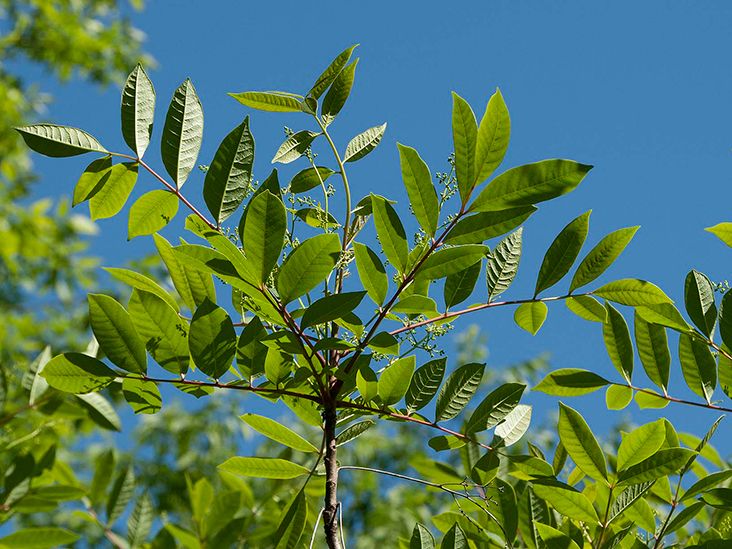
- Leaves: Poison sumac usually has compound leaves with 7 to 13 smooth-edged leaflets.
- Leaf arrangement: The leaflets grow in pairs along a central stem, with one leaflet at the tip.
- Stems: The central leaf stem often looks reddish, which is a helpful clue.
- Berries: Poison sumac produces whitish or pale green berries that hang in loose clusters.
- Habitat: It commonly grows in wet areas such as swamps, bogs, and marshes.
- Fall color: In autumn, the leaves may turn bright orange, red, or yellow, looking gorgeous while still being deeply rude to your skin.
One major difference between poison sumac and harmless sumacs is the fruit. Many nonpoisonous sumacs, such as staghorn sumac, have upright clusters of red berries and often grow in drier areas. Poison sumac, by contrast, tends to have drooping clusters of pale berries and prefers wet ground.
What Causes Poison Sumac Rash?
The rash comes from urushiol oil. When urushiol touches the skin, the immune system may treat it as an invader. This reaction is called allergic contact dermatitis. Not everyone reacts the same way, but many people become sensitive after exposure and may react more strongly the next time.
Urushiol is sneaky because it sticks to surfaces. It can cling to clothing, shoes, gardening gloves, backpacks, pet fur, sports gear, and tools. That means you can get a poison sumac rash without realizing you touched the plant directly. Your dog can happily trot through a wetland, return home looking adorable, and accidentally deliver an itchy souvenir on its fur. Cute? Yes. Helpful? Absolutely not.
What Does Poison Sumac Rash Look Like?
A poison sumac rash usually appears as red, itchy, swollen skin. It may develop bumps, streaks, or fluid-filled blisters. The rash often shows up in lines or patches where the plant brushed against the skin or where contaminated fingers spread the oil before it was washed away.
Symptoms may include:
- Intense itching
- Redness or inflammation
- Swelling
- Small bumps or raised patches
- Blisters that may ooze and later crust
- Tender or irritated skin
The rash may appear within hours, but it can also take one to several days to develop. Different areas of the body may react at different times, which can make it seem like the rash is spreading. In many cases, what is really happening is that skin exposed to different amounts of urushiol is reacting on its own schedule. Apparently, your skin has a calendar and enjoys suspense.
Is Poison Sumac Rash Contagious?
No, the rash itself is not contagious. You cannot catch poison sumac rash simply by touching someone’s blisters or rash. The fluid inside blisters does not spread the rash.
However, urushiol oil can spread. If the oil remains on skin, clothes, shoes, tools, or pet fur, it can transfer to another person or another body part. This is why washing quickly after exposure matters so much. The rash is not contagious, but the oil is a clingy little disaster.
What to Do Immediately After Poison Sumac Exposure
If you think you touched poison sumac, act fast. Quick cleaning can reduce the amount of urushiol on your skin and may lower the chance or severity of a rash.
First Steps
- Wash exposed skin right away. Use soap and plenty of water. Dish soap or a poison plant wash may help remove oily residue.
- Rinse thoroughly. Do not let soapy water dry on your skin, because it may move oil around.
- Scrub under fingernails. Urushiol can hide there and later spread to your face, arms, or other areas.
- Remove contaminated clothing. Wash clothes, socks, shoes, and gloves separately with detergent.
- Clean tools and gear. Wipe down garden tools, walking sticks, backpacks, and anything else that may have touched the plant.
- Bathe pets if needed. Use pet-safe shampoo and gloves if your pet may have brushed against poison sumac.
Do not panic if you cannot wash within the first few minutes. Washing later can still help reduce leftover oil and prevent transfer to other surfaces.
Poison Sumac Treatment at Home
Most mild poison sumac rashes can be treated at home. The goal is to calm itching, protect the skin, avoid infection, and stop yourself from scratching like you are trying to win a tiny invisible boxing match.
Cool Compresses
Apply a clean, cool, wet cloth to itchy areas for 15 to 30 minutes at a time. Cool compresses can soothe inflammation and make the itch feel less dramatic. Use a fresh cloth each time, especially if there is any chance it contacted urushiol.
Calamine Lotion
Calamine lotion can reduce itching and help dry oozing blisters. It is a classic treatment for poison ivy, poison oak, and poison sumac rashes for a reason. It may also make you look temporarily pink and chalky, but that is a small price to pay for not scratching your arm like a DJ at a woodland rave.
Hydrocortisone Cream
Over-the-counter hydrocortisone cream may help with mild inflammation and itching. Follow the product label and avoid using it on sensitive areas unless a healthcare professional says it is appropriate.
Colloidal Oatmeal Baths
Short baths with colloidal oatmeal can help calm irritated skin. Keep the water lukewarm rather than hot. Hot water may feel satisfying for about five seconds, then make itching worse, which is a terrible bargain.
Oral Antihistamines
Oral antihistamines may help with itching, especially at night. Some can cause drowsiness, so read labels carefully and use them only as directed. For children, teens, older adults, or anyone taking other medications, it is wise to ask a pharmacist or healthcare professional first.
Avoid Scratching
Scratching can break the skin and raise the risk of infection. Keep nails short, cover the rash loosely with clean gauze if needed, and distract your hands with something harmless. Your skin is trying to heal; do not turn the rash into a renovation project.
When to See a Doctor
Some poison sumac reactions need medical care. Contact a healthcare professional if the rash is severe, covers a large area, affects the face or genitals, or does not improve with home treatment.
Seek medical help urgently if you have:
- Trouble breathing or swallowing
- Swelling around the eyes, lips, face, or throat
- A rash covering a large portion of the body
- Fever, pus, increasing pain, or warmth that may suggest infection
- Severe itching that prevents sleep
- A rash that continues worsening after several days
- Exposure from smoke after burning poison sumac, poison ivy, or poison oak
Doctors may prescribe stronger topical corticosteroids or oral steroids for more serious cases. Do not use leftover prescription steroids or someone else’s medication. Skin is not a place for “close enough” experiments.
Never Burn Poison Sumac
Burning poison sumac is dangerous. Urushiol can become airborne in smoke and irritate the skin, eyes, nose, throat, and lungs. Inhaling smoke from burning poison sumac, poison ivy, or poison oak may cause serious respiratory symptoms and needs medical attention.
If poison sumac is growing on your property, do not toss it into a burn pile. Wear protective clothing and consider hiring a professional, especially if the plant is large, near water, or difficult to remove safely.
How to Prevent Poison Sumac Rash
Prevention begins with recognition. Learn what poison sumac looks like in different seasons, especially if you hike, fish, garden, hunt, camp, work outdoors, or explore wet areas.
Smart Prevention Tips
- Wear long sleeves, long pants, socks, and closed-toe shoes in swampy or brushy areas.
- Use gloves when handling plants, brush, or yard debris.
- Wash clothing and gear after outdoor activities in high-risk areas.
- Keep pets out of dense wetland vegetation when possible.
- Use barrier skin products only as directed; they are not a substitute for washing.
- Teach kids not to pick unknown leaves or berries.
- Do not burn unknown brush piles.
For gardeners and homeowners, accurate identification matters before removal. Many harmless sumacs support wildlife and add beauty to landscapes. Do not declare war on every sumac-shaped shrub unless you know what you are dealing with.
Poison Sumac vs. Poison Ivy vs. Poison Oak
Poison sumac, poison ivy, and poison oak all contain urushiol oil, but they look different and grow in different places.
Poison Ivy
Poison ivy often has three leaflets. The familiar phrase “leaves of three, let it be” is useful for poison ivy and poison oak, though it does not apply neatly to poison sumac.
Poison Oak
Poison oak also commonly has three leaflets, but the leaf edges may look more rounded or oak-like. It is more common in certain coastal and woodland areas.
Poison Sumac
Poison sumac usually has 7 to 13 leaflets, smooth edges, reddish stems, pale hanging berries, and a strong preference for wet habitats. If poison ivy is the common neighborhood nuisance, poison sumac is the swamp specialist with a dramatic flair.
Common Myths About Poison Sumac
Myth 1: The Rash Spreads from Blister Fluid
False. Blister fluid does not spread poison sumac rash. The rash spreads only if urushiol oil is still present on skin or objects.
Myth 2: Dead Poison Sumac Is Safe
False. Urushiol may remain active on dead plants and contaminated objects for a long time. Handle dead poison sumac with the same caution as living plants.
Myth 3: You Are Immune If You Have Never Reacted
Not necessarily. Sensitivity can develop over time. A person may not react after one exposure but develop a rash after another.
Myth 4: Scrubbing Harder Fixes Everything
Gentle washing helps remove oil. Aggressive scrubbing after a rash appears can irritate the skin and make the situation worse. Your skin is not a dirty pan; please do not treat it like one.
Experience-Based Notes: What Poison Sumac Teaches Outdoor People
People who spend time around wetlands often learn that poison sumac is less about fear and more about attention. The plant is not chasing anyone. It is simply sitting there in its preferred damp habitat, looking leafy and innocent, while holding a chemistry set your immune system may strongly dislike.
One common experience is the “mystery rash after a hike.” Someone walks near a pond, pushes through brush for a better fishing spot, or leans into vegetation to take a photo. The rash appears a day or two later, and the person blames mosquitoes, soap, laundry detergent, the universe, and possibly lunch. Only after thinking back do they remember the wet, brushy area and the smooth leaflets along reddish stems. The lesson: when a rash appears in streaks or patches after outdoor exposure, review where your skin, clothes, and gear actually went.
Another familiar scenario happens during yard cleanup. A homeowner removes brush near a drainage ditch or low wet corner of the property. Gloves come off. A sleeve gets pushed up. A tool touches the plant, then the tool handle touches bare skin. Later, the rash shows up on wrists, forearms, or ankles. In this case, the plant may not be the only problem; contaminated gloves, pruners, boots, and sleeves can keep the urushiol party going long after the yard work ends.
Pet owners have their own version of the story. A dog runs through wet brush, returns happy, and gets hugged. The dog may not develop a visible rash, but urushiol on the fur can transfer to human skin. This is why bathing pets after possible exposure matters. It is also why “but I never touched the plant” is not always the winning argument people think it is.
The most important experience-based advice is simple: build a cleanup routine. After hiking, fishing, camping, or gardening in areas where poison sumac may grow, wash exposed skin, change clothes, clean shoes, and rinse tools. Do it before collapsing on the couch. Your couch did nothing wrong and does not deserve urushiol.
Finally, people who have had a bad poison sumac rash tend to become excellent plant detectives. They learn the difference between pale drooping berries and red upright berry clusters. They notice wet habitats. They stop grabbing unknown branches for balance. That knowledge turns anxiety into confidence. Poison sumac is unpleasant, but it is not mysterious once you know what to look for and what to do after exposure.
Conclusion
Poison sumac is a toxic wetland shrub or small tree that can cause an itchy, blistering rash through contact with urushiol oil. It is less common than poison ivy but can cause strong reactions, especially when the oil remains on skin, clothing, tools, or pet fur. The best defense is learning to identify the plant, avoiding contact, washing quickly after possible exposure, and treating mild rashes with cool compresses, calamine lotion, hydrocortisone, oatmeal baths, and careful skin care.
Most poison sumac rashes improve with time and home treatment, but severe reactions, breathing problems, facial swelling, infection signs, or smoke exposure require medical help. The outdoors is still wonderful. It just occasionally comes with plants that need a firm “no thank you” from a safe distance.