

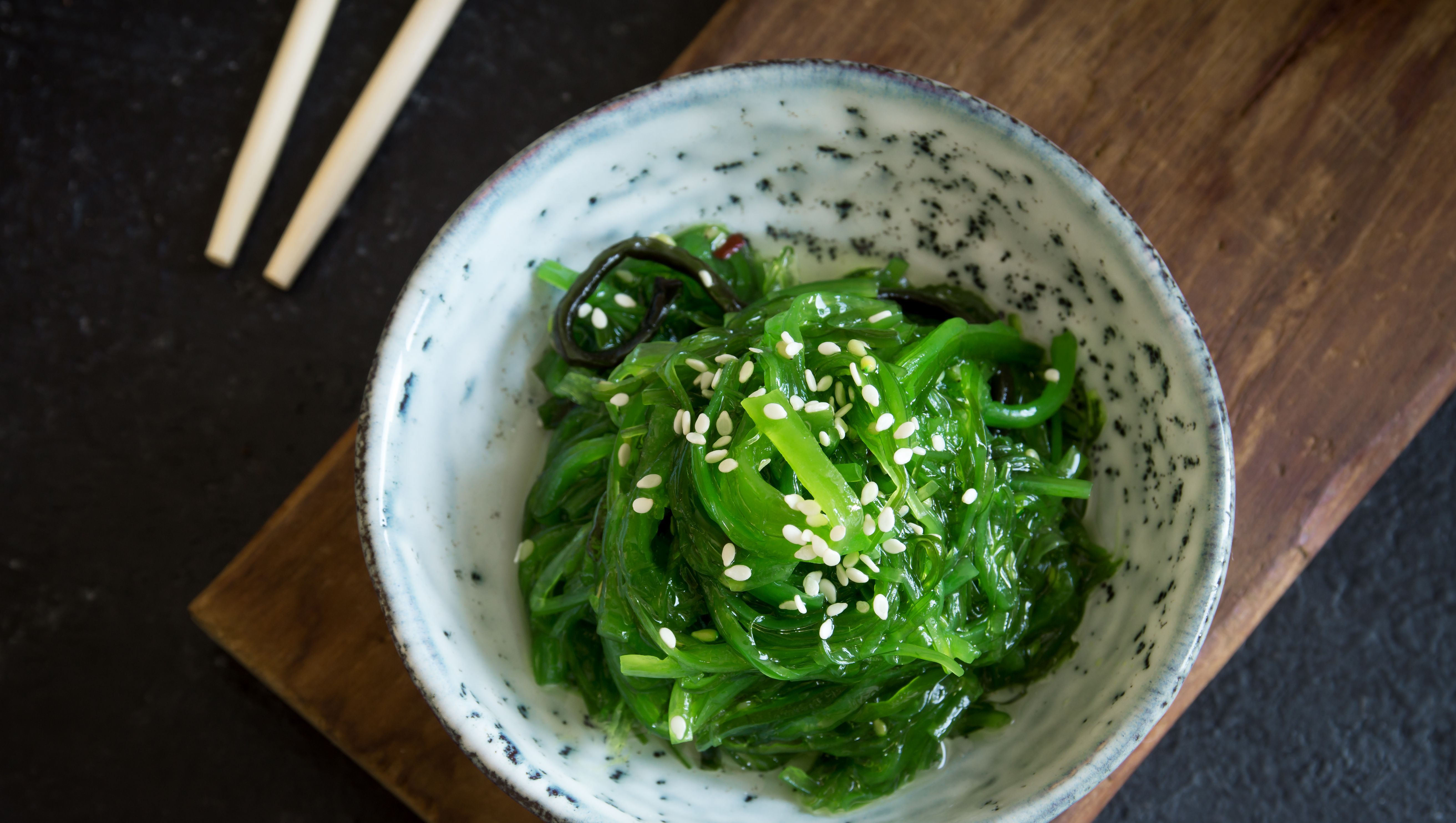
Sea kelp is having a very photogenic moment. It shows up in smoothies, crunchy snacks, miso soup, “thyroid support” supplements, skin-care products, and wellness posts that make it sound like a magical green ribbon pulled straight from Poseidon’s pantry. But before anyone starts treating kelp like ocean-grown fairy dust, it deserves a closer look.
Kelp is a type of brown seaweed that grows in underwater forests in cool, nutrient-rich waters. It is naturally rich in minerals, fiber-like compounds, antioxidants, and especially iodine, the trace mineral your thyroid needs to make hormones that help regulate metabolism, growth, body temperature, and energy use. That is the good news. The slightly less glamorous news is that kelp can also contain wildly different amounts of iodine depending on the species, harvest location, processing method, and serving size. In other words, kelp is nutritious, but it is not a “sprinkle endlessly and hope for superpowers” food.
This guide breaks down the real nutritional benefits of sea kelp, the possible side effects, who should be careful with kelp supplements, and how to enjoy kelp in a sensible, food-first way. Think of it as a friendly nutrition map: less hype, more helpful, and absolutely no requirement to start wearing sandals made of recycled seaweed.
What Is Sea Kelp?
Sea kelp refers to several large brown seaweeds, often from the order Laminariales. Common edible types include kombu, wakame, sugar kelp, bladderwrack, and other brown algae used in Asian cuisines, sea vegetable snacks, soups, broths, seasonings, and supplements. Kelp grows quickly and absorbs minerals from seawater, which is why it can be so nutrient-dense. That same absorbent quality is also why quality control matters: seaweed can take up minerals and, in some environments, unwanted contaminants.
In food form, kelp may be sold fresh, dried, powdered, roasted, pickled, or added to broths and sauces. In supplement form, it appears as capsules, tablets, drops, or “thyroid support” blends. Food and supplements are not the same thing. A spoonful of kelp powder or a capsule may provide much more iodine than a casual serving of seaweed in soup. That difference is where many potential side effects begin.
Sea Kelp Nutrition: What Does It Contain?
Kelp is low in calories and provides small amounts of carbohydrates, fiber, minerals, and bioactive compounds. Its exact nutrient profile varies widely, but sea kelp may contain iodine, calcium, magnesium, potassium, iron, folate, vitamin K, and trace minerals such as copper and manganese. It also contains polysaccharides, including alginate, fucoidan, and laminarin, which are being studied for possible effects on digestion, metabolism, and immune function.
The star nutrient, however, is iodine. Adults generally need about 150 micrograms of iodine per day, while pregnant and breastfeeding people need more. The adult tolerable upper intake level is commonly set at 1,100 micrograms per day. Some kelp products can approach or exceed that amount in a single serving, especially concentrated supplements or kombu-heavy products. This does not mean kelp is “bad.” It means the label matters, the serving size matters, and your thyroid’s opinion definitely matters.
Nutritional Benefits of Sea Kelp
1. Supports Healthy Thyroid Function
The thyroid gland uses iodine to make thyroid hormones, which influence metabolism, heart rate, body temperature, and many other body processes. If a person truly does not get enough iodine, thyroid hormone production may suffer. In areas or diets where iodine intake is low, iodine-rich foods can be useful.
Kelp is one of the richest natural food sources of iodine, which is why it is often promoted for thyroid health. But this benefit has a ceiling. The thyroid needs enough iodine, not an oceanic flood of it. Too much iodine may trigger or worsen thyroid problems in some people, especially those with Hashimoto’s thyroiditis, Graves’ disease, nodules, hyperthyroidism, or a history of thyroid dysfunction.
2. Provides Minerals in a Low-Calorie Package
Sea kelp offers minerals without bringing much fat or many calories to the plate. It can add savory flavor, known as umami, to soups, rice bowls, noodles, beans, vegetables, and broths. This makes kelp a useful ingredient for people who want more flavor without automatically reaching for heavy sauces.
Kombu, for example, is often simmered in Japanese dashi to create a deep, savory broth. A small strip can add flavor and minerals, then be removed before serving. That is a very different situation from taking multiple kelp capsules daily because an influencer with excellent lighting said it “boosts metabolism.” Food culture: lovely. Supplement roulette: less lovely.
3. Contains Fiber-Like Compounds That May Support Digestion
Seaweeds contain unique carbohydrates and soluble fibers. Alginate, fucoidan, and laminarin are among the best-known compounds in brown seaweed. These substances may help feed beneficial gut bacteria, contribute to stool regularity, and influence how foods move through the digestive tract.
Research on seaweed fibers is promising, but it is still developing. Eating kelp as part of a balanced diet is not the same as proving that a kelp supplement cures digestive issues. For everyday meals, kelp can be one more fiber-containing plant food in a pattern that includes beans, vegetables, fruit, oats, nuts, seeds, and whole grains.
4. Offers Antioxidant Compounds
Brown seaweeds contain antioxidants, including polyphenols and carotenoids such as fucoxanthin. Fucoxanthin is a pigment that gives brown algae their color and has been studied for antioxidant, anti-inflammatory, and metabolic effects. Laboratory and animal studies have generated interest, but human evidence is still not strong enough to treat kelp as a cure-all.
The practical takeaway is simple: kelp can contribute antioxidant compounds to your diet, but it should not be your only antioxidant strategy. Colorful fruits, leafy greens, berries, herbs, spices, legumes, tea, and other plant foods still deserve their place at the table. Kelp is a supporting actor, not the entire Marvel universe.
5. May Help Add Savory Flavor With Less Sodium
Kelp naturally contains glutamates, compounds that create a savory umami taste. That makes it useful in broths, soups, sauces, and plant-based recipes where cooks want depth without relying only on salt, butter, or processed flavor packets.
However, dried seaweed snacks and packaged kelp products may contain added sodium. If you are watching your sodium intake, read the Nutrition Facts label. “Sea vegetable” sounds peaceful and spa-like, but a salty snack is still a salty snack, even if it once waved gracefully in the Pacific.
6. Fits Well Into Many Eating Patterns
Kelp can be used in vegetarian, vegan, pescatarian, Mediterranean-style, and Asian-inspired diets. It can add flavor to beans, lentils, mushrooms, tofu, fish, rice, and noodle dishes. Because it is plant-based and mineral-rich, it may be especially attractive to people who do not eat much seafood.
Still, kelp should be treated as a strong-flavored ingredient, not a daily megadose. A little can be useful. A lot may be unnecessary or risky, particularly when iodine intake is already adequate from iodized salt, dairy foods, fish, eggs, or multivitamins.
Potential Side Effects of Sea Kelp
1. Too Much Iodine
The biggest concern with sea kelp is excessive iodine intake. High iodine intake can cause thyroid dysfunction in susceptible people. Depending on the person, excess iodine may contribute to hypothyroidism, hyperthyroidism, goiter, thyroid inflammation, or changes in thyroid blood tests.
Symptoms of thyroid imbalance can include fatigue, weight changes, racing heartbeat, anxiety, heat or cold intolerance, hair changes, constipation, diarrhea, sleep problems, and menstrual changes. These symptoms can come from many causes, so they should be evaluated by a healthcare professional rather than self-treated with more supplements.
2. Risk for People With Thyroid Conditions
People with existing thyroid disease should be especially cautious with kelp supplements. This includes people with Hashimoto’s thyroiditis, Graves’ disease, thyroid nodules, hyperthyroidism, hypothyroidism, or a history of thyroid cancer treatment. Kelp may interfere with carefully managed iodine intake or thyroid medication plans.
If you take levothyroxine or other thyroid medication, do not add kelp supplements without medical guidance. The thyroid is not a gadget you can fix by pressing random buttons. It is more like a sensitive thermostat attached to your whole body.
3. Possible Heavy Metal Exposure
Seaweed can absorb elements from the water where it grows. Depending on the environment, species, and processing, seaweed products may contain arsenic, cadmium, lead, mercury, or other contaminants. Many products are safe when responsibly sourced, but quality varies.
This is one reason to buy kelp from reputable brands that test for contaminants and clearly disclose iodine content. Be cautious with unlabeled powders, mystery capsules, extreme detox products, and imported supplements that provide no testing information. “Natural” does not automatically mean “clean,” just as “found in the ocean” does not automatically mean “approved by a mermaid nutrition board.”
4. Digestive Upset
Some people experience nausea, bloating, gas, loose stools, or stomach discomfort after eating seaweed or taking iodine-rich supplements. This may be due to fiber-like compounds, iodine dose, added ingredients, or simply eating more seaweed than the body is used to.
If you are new to kelp, start with small food amounts rather than concentrated supplements. For example, try a small serving in soup or a modest amount of seaweed salad, then see how your body responds.
5. Medication Interactions
Kelp supplements may interact with thyroid medications, iodine-containing medications, blood thinners, potassium-related medications, or other supplements. Some seaweeds may contain vitamin K, which can matter for people taking warfarin. People on medications should ask a clinician or pharmacist before using kelp supplements.
This does not mean a tiny piece of kombu in soup is dangerous for everyone. It means concentrated kelp pills should be treated like active supplements, not casual snacks.
Who Should Be Extra Careful With Kelp?
Some groups should be particularly cautious with sea kelp, especially in supplement form. These include pregnant or breastfeeding people, children, people with thyroid disease, people scheduled for radioactive iodine treatment, people with kidney disease, people taking thyroid medication, and anyone using high-dose multivitamins or iodine supplements.
Pregnancy and breastfeeding increase iodine needs, but excess iodine can still be harmful. This is why prenatal nutrition should be guided by a healthcare professional. More iodine is not automatically better. The goal is enough, not “let’s see what happens.”
Sea Kelp Food vs. Kelp Supplements
Food-based kelp and kelp supplements differ in dose, concentration, and risk. A small amount of seaweed in soup or a rice bowl usually provides a culinary serving. A capsule may deliver a concentrated amount of iodine with less context, less satiety, and sometimes less transparency.
When choosing kelp products, look for labels that list iodine per serving. Also check serving size, sodium, added sugars, and third-party testing. Avoid products that make dramatic claims such as “melts fat,” “cures thyroid disease,” or “detoxes heavy metals.” Those claims are not only suspicious; they are also waving a red flag so large it could be seen from a lighthouse.
How to Eat Sea Kelp Safely
The safest approach for most healthy adults is to enjoy kelp as a food ingredient in moderate amounts, not as a daily high-dose supplement. You can add kombu to broth, use kelp flakes sparingly as a seasoning, mix seaweed into soups, add small strips to rice bowls, or try seaweed salad occasionally.
Rotate your sea vegetables instead of relying only on kelp. Nori, wakame, dulse, and other seaweeds have different flavors and iodine levels. If you already get iodine from iodized salt, dairy, seafood, eggs, or a multivitamin, be especially mindful of concentrated kelp products.
Common Myths About Sea Kelp
Myth 1: Kelp Automatically Boosts Metabolism
Kelp provides iodine, and iodine is needed for thyroid hormone production. But if your iodine intake is already adequate, extra kelp will not magically turn your metabolism into a sports car. In some people, too much iodine may actually disrupt thyroid function.
Myth 2: Kelp Is Always Safe Because It Is Natural
Many natural foods are wonderful. Many natural substances are also powerful. Kelp can be both nutritious and risky depending on dose, product quality, and individual health conditions. Nature is impressive, but it does not print dosage instructions on seaweed leaves.
Myth 3: Kelp Supplements Are Better Than Eating Kelp
Not necessarily. Supplements may be useful in specific cases under professional guidance, but they can also deliver excessive iodine. Food forms are usually easier to control and come with flavor, texture, and culinary enjoyment.
Practical Experience: What It Is Like to Add Sea Kelp to Everyday Meals
For many people, the best way to understand kelp is not through a supplement bottle but through the kitchen. Imagine someone who wants to eat healthier, reduce boring meals, and add more mineral-rich foods without turning dinner into a science project. Kelp can fit beautifully into that goal when used with common sense.
A first experience with kelp often starts with miso soup or ramen broth. A small piece of kombu simmered in water can create a savory base that tastes deeper than plain water but lighter than heavy stock. The flavor is not “fishy” when used carefully; it is more like a quiet background note that makes other ingredients taste more complete. Mushrooms taste meatier, tofu tastes less shy, and vegetables stop acting like they were invited to dinner at the last minute.
Another easy use is kelp seasoning. A tiny pinch of kelp flakes over rice, eggs, avocado toast, roasted vegetables, or popcorn can add a briny, savory lift. The key word is tiny. Kelp seasoning is not parmesan cheese at an Italian restaurant; you do not need a snowfall. Too much can make food taste like it lost a fight with the ocean.
Seaweed snacks are another common entry point. They are crisp, salty, and easy to eat quickly, which is both the charm and the trap. Because packaged seaweed snacks can contain added oil and sodium, it is worth checking the label. They can be part of a balanced snack, especially with protein-rich foods like edamame, yogurt, boiled eggs, or hummus, but they should not replace full meals.
Some people try kelp because they feel tired and suspect their thyroid needs support. That is understandable, but fatigue has many possible causes, including poor sleep, stress, low iron, low vitamin D, depression, infection, intense training, under-eating, or medical conditions. Taking kelp without testing can create confusion. If symptoms point toward thyroid trouble, the smarter experience is a thyroid blood test and a conversation with a clinician, not a guessing game with capsules.
People who do well with kelp tend to treat it like a flavorful ingredient. They use it occasionally, buy from reputable brands, read iodine information when available, and avoid stacking kelp with iodine supplements or “thyroid support” blends. People who run into problems are often those who take concentrated products daily without knowing the iodine dose. The supplement may look harmless, but the thyroid may strongly disagree.
A realistic kelp routine might look like this: kombu broth once a week, seaweed salad occasionally, nori with sushi or rice bowls, and kelp flakes used sparingly. This approach gives variety without turning one food into a wellness obsession. It also keeps meals enjoyable, which matters more than most nutrition trends admit. Healthy eating should not feel like homework assigned by a very strict sea turtle.
The biggest lesson from real-life kelp use is balance. Sea kelp can be delicious, mineral-rich, and useful in the kitchen. It can also be overdone. Respect the iodine, respect the label, and respect your personal health situation. When kelp is treated as food rather than a miracle, it becomes much easier to appreciate.
Conclusion
Sea kelp is a nutrient-rich brown seaweed with real benefits and real cautions. It can provide iodine, minerals, fiber-like compounds, antioxidants, and deep savory flavor. It may support thyroid health when iodine intake is low, and it can make soups, broths, rice bowls, and plant-based meals more satisfying.
But kelp is not a food where “more” always means “better.” Its iodine content can vary dramatically, and too much iodine may cause or worsen thyroid problems. Kelp may also contain contaminants depending on where and how it is harvested. The safest choice for most people is moderate food use, reputable sourcing, and caution with supplements.
If you have thyroid disease, are pregnant or breastfeeding, take thyroid medication, have kidney disease, or are considering kelp capsules, talk with a healthcare professional before adding kelp regularly. Sea kelp can be a smart addition to the diet, but it should be invited to the table politelynot handed the keys to your thyroid.
Note: This article is for educational web content only and does not replace medical advice, diagnosis, or treatment from a qualified healthcare professional.