

Note: This article is written as publish-ready body-only HTML in standard American English. It is original, naturally SEO-optimized, and source links are intentionally omitted from the article body as requested.
Roasted garlic is what happens when regular garlic goes to a spa, takes a long nap, and returns as a buttery, golden, deeply mellow spread that somehow makes everything taste like you tried harder than you did. Sharp raw garlic can be bold, spicy, and a little dramatic. Roasted garlic, on the other hand, is sweet, soft, nutty, and wonderfully spreadable. It slips into mashed potatoes, pasta, soups, pizza, salad dressings, garlic bread, roasted vegetables, and even sandwiches like it has a VIP pass to the flavor department.
The best part? A great roasted garlic recipe requires only a few ingredients: whole garlic bulbs, olive oil, salt, and a little patience. That is it. No culinary degree, no secret handshake, no tiny kitchen torch. Once you learn how to roast garlic in the oven, you will probably start tossing a head or two into the oven whenever you are baking something savory. It is one of those small kitchen habits that quietly upgrades your cooking.
This guide covers the classic oven method, tips for perfect caramelized garlic, storage safety, troubleshooting, serving ideas, and real-life cooking experiences that make roasted garlic feel less like a recipe and more like a kitchen superpower.
What Is Roasted Garlic?
Roasted garlic is whole garlic that has been baked until the cloves turn tender, golden, and sweet. The process softens garlic’s aggressive raw bite and brings out a rich, almost caramel-like flavor. When properly roasted, each clove can be squeezed from its papery skin like a tiny golden nugget of flavor.
Fresh garlic is known for its pungent aroma and sharp taste because of sulfur compounds released when the cloves are cut, crushed, or chopped. Heat changes the story. As garlic roasts slowly with olive oil, the cloves become creamy, mild, and savory. The texture is so soft that you can mash it with a fork and spread it on toast, stir it into sauces, or whisk it into dressings.
In short, roasted garlic is garlic with better manners. It still tastes like garlic, but it has traded its loud microphone for a jazz band.
Why You Will Love This Roasted Garlic Recipe
It Uses Simple Ingredients
You only need garlic, olive oil, and salt. Black pepper, herbs, or butter can join the party, but they are optional. The recipe works beautifully with basic pantry staples.
It Makes Food Taste Restaurant-Level
Roasted garlic adds depth to everyday dishes. A spoonful can make plain mashed potatoes taste luxurious, turn a basic sandwich spread into something memorable, and give soups a silky, savory backbone.
It Is Easy to Scale
You can roast one head of garlic for dinner or roast six at once for meal prep. The oven does most of the work, which is exactly the kind of cooking arrangement most of us can support.
It Is Versatile
Use roasted garlic in pasta, hummus, compound butter, garlic bread, marinades, dips, pizza sauce, roasted chicken, grilled vegetables, salad dressing, and more. It is the little black dress of savory cooking.
Roasted Garlic Recipe Ingredients
- Whole garlic bulbs: Choose firm bulbs with tight skins. Avoid garlic that feels soft, damp, moldy, or sprouted.
- Extra-virgin olive oil: Olive oil helps the exposed cloves roast evenly and develop a rich, silky texture.
- Kosher salt: A small pinch enhances the natural sweetness of the garlic.
- Black pepper: Optional, but useful if you want a little warmth.
- Fresh herbs: Thyme, rosemary, or oregano can add aroma, especially if you are roasting garlic for bread, potatoes, or chicken.
How to Make Roasted Garlic in the Oven
Step 1: Preheat the Oven
Preheat your oven to 375°F. This temperature is a dependable middle ground: hot enough to soften and lightly caramelize the garlic, but gentle enough to avoid burning the exposed tops too quickly. If your oven runs hot, use 350°F. If you want a slightly faster roast, 400°F also works, but keep a closer eye on the garlic.
Step 2: Prepare the Garlic Bulbs
Remove the loose, papery outer layers from each garlic bulb, but keep the bulb intact. Do not peel the individual cloves. Using a sharp knife, slice about 1/4 to 1/2 inch off the top of each bulb to expose the cloves. The exposed surface allows the olive oil to sink in and helps the cloves become soft and golden.
Step 3: Add Olive Oil and Seasoning
Place each garlic bulb on a piece of foil, parchment-lined foil, or in a small covered baking dish. Drizzle each bulb with 1 to 2 teaspoons of olive oil. Rub the oil over the exposed cloves so they are lightly coated. Sprinkle with a pinch of salt and, if desired, black pepper or fresh herbs.
Step 4: Wrap and Roast
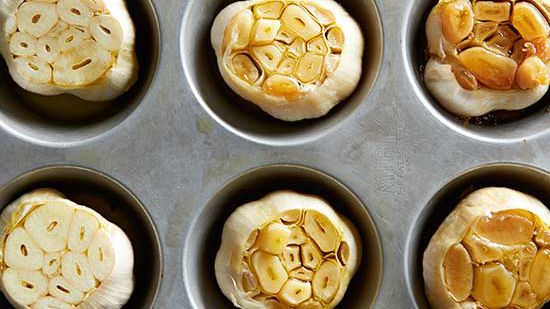
Wrap the garlic loosely in foil or cover the baking dish with a lid or foil. Roast for 40 to 60 minutes, depending on bulb size and oven temperature. The garlic is done when the cloves are deeply tender, golden, and easy to pierce with a knife.
Step 5: Cool and Squeeze
Let the roasted garlic cool for 5 to 10 minutes. Then squeeze the cloves from the bottom of the bulb toward the cut top. The cloves should slide out easily. If they resist, they may need a little more roasting time.
Recipe Card: Easy Oven Roasted Garlic
Easy Oven Roasted Garlic
Prep time: 5 minutes
Cook time: 40 to 60 minutes
Total time: 45 to 65 minutes
Yield: About 2 to 3 tablespoons roasted garlic per bulb
Ingredients
- 2 whole garlic bulbs
- 2 to 4 teaspoons extra-virgin olive oil
- 1/4 teaspoon kosher salt, or to taste
- Freshly ground black pepper, optional
- 1 small sprig thyme or rosemary, optional
Instructions
- Preheat the oven to 375°F.
- Remove loose outer skins from the garlic bulbs while keeping each bulb whole.
- Slice 1/4 to 1/2 inch from the top of each bulb to expose the cloves.
- Place the bulbs on foil or in a small oven-safe baking dish.
- Drizzle olive oil over the exposed cloves and rub it in gently.
- Sprinkle with salt, pepper, and herbs if using.
- Wrap the bulbs in foil or cover the dish.
- Roast for 40 to 60 minutes, until the cloves are golden, soft, and spreadable.
- Cool slightly, then squeeze the roasted cloves from their skins.
How to Know When Roasted Garlic Is Done
Perfect roasted garlic should be soft enough to mash with a fork. The color can range from pale gold to deeper amber, depending on your oven temperature and roasting time. If the cloves are still firm, give them another 10 minutes. If the tops are getting too dark before the centers soften, lower the oven temperature and keep the garlic covered.
The aroma is another clue. Raw garlic smells sharp and assertive. Roasted garlic smells mellow, savory, and slightly sweet. When your kitchen begins smelling like a cozy Italian restaurant that has its life together, you are probably close.
Best Temperature for Roasting Garlic
There is more than one correct oven temperature for roasted garlic. The right choice depends on your schedule and preferred flavor.
- 350°F: Best for slow, gentle roasting and very creamy cloves.
- 375°F: A balanced option for tender garlic with light caramelization.
- 400°F: Faster and slightly deeper in color, but watch carefully to prevent burning.
For most home cooks, 375°F is the sweet spot. It is forgiving, reliable, and easy to remember. If you are already roasting vegetables, chicken, or potatoes at 400°F, you can add wrapped garlic to the oven and simply check it early.
Foil-Free Roasted Garlic Method
If you prefer not to use foil, place the prepared garlic bulbs cut-side up in a small oven-safe dish with a lid. A mini Dutch oven, ramekin with a cover, or small baking dish covered with an oven-safe plate can work. The goal is to trap enough steam to soften the cloves while allowing the oil and heat to create that signature roasted flavor.
You can also use parchment paper under foil if you want the garlic to avoid direct contact with aluminum. Another option is to place garlic bulbs in a muffin tin, drizzle with oil, and cover the tin tightly with a baking sheet.
How to Use Roasted Garlic
Spread It on Bread
Mash roasted garlic with a little butter or olive oil, then spread it on toasted bread. Add flaky salt and chopped parsley if you want applause from people who wandered into the kitchen “just to see what smells good.”
Stir It Into Mashed Potatoes
Roasted garlic mashed potatoes are creamy, savory, and dangerously easy to love. Mash 4 to 8 roasted cloves into your potatoes with butter, milk, cream, or sour cream.
Add It to Pasta
Mix mashed roasted garlic with olive oil, Parmesan, lemon zest, and pasta water for a simple sauce. It tastes elegant without requiring a dramatic chef moment.
Blend It Into Soup
Roasted garlic adds depth to tomato soup, potato leek soup, white bean soup, butternut squash soup, and chicken noodle soup. Start with a few cloves and add more to taste.
Make Roasted Garlic Butter
Mash roasted garlic into softened butter with salt, parsley, and a squeeze of lemon. Use it on steak, corn, baked potatoes, dinner rolls, or vegetables.
Upgrade Sauces and Dressings
Whisk mashed roasted garlic into vinaigrette, ranch dressing, aioli, yogurt sauce, or tahini sauce. It adds body and flavor without the harshness of raw garlic.
Storage and Food Safety Tips
Roasted garlic tastes luxurious, but it should be stored carefully. Garlic is a low-acid food, and storing garlic in oil at room temperature can create conditions that may support harmful bacteria. Do not leave roasted garlic submerged in oil on the counter.
For short-term storage, place roasted garlic cloves in an airtight container and refrigerate them. Use them within a few days for the best quality and safety. If you cover roasted garlic with oil, keep it refrigerated at 40°F or colder and use it quickly. For longer storage, freeze roasted garlic in small portions, such as teaspoon-sized mounds or ice cube trays, then transfer the frozen portions to a freezer-safe container.
A practical rule: when in doubt, refrigerate promptly, label the date, and do not treat homemade garlic oil like a shelf-stable pantry product. Flavor is fun; food safety is non-negotiable.
Common Roasted Garlic Mistakes
Using Old or Soft Garlic
Start with fresh, firm bulbs. Old garlic may taste bitter, musty, or flat after roasting. If the cloves are shriveled or moldy, send that bulb into retirement.
Cutting Too Much Off the Top
You only need to expose the cloves. Cutting too deeply wastes garlic and can make the bulb fall apart. Aim for 1/4 to 1/2 inch.
Not Using Enough Oil
A little olive oil helps the cloves soften and brown. You do not need to drown the garlic, but the exposed tops should be lightly coated.
Roasting Uncovered
Uncovered garlic can dry out or burn before it becomes creamy. Foil or a covered dish traps steam and keeps the cloves moist.
Pulling It Too Early
If the cloves do not mash easily, they are not finished. Roast longer until the texture is soft and spreadable.
Flavor Variations
- Herb roasted garlic: Add thyme, rosemary, oregano, or sage before roasting.
- Spicy roasted garlic: Sprinkle with crushed red pepper flakes.
- Lemon roasted garlic: Add a strip of lemon zest to the foil packet.
- Butter roasted garlic: Add a small pat of butter with the olive oil for a richer flavor.
- Parmesan roasted garlic spread: Mash roasted garlic with grated Parmesan and olive oil.
What to Serve With Roasted Garlic
Roasted garlic pairs beautifully with roasted chicken, grilled steak, baked fish, pasta, risotto, focaccia, sourdough bread, roasted carrots, Brussels sprouts, cauliflower, and potatoes. It also works well in vegetarian meals because it adds savory depth without meat.
For an easy appetizer, serve whole roasted garlic bulbs with toasted baguette slices, goat cheese, olives, and roasted peppers. Guests can squeeze the cloves onto bread and build their own bites. It looks rustic, tastes impressive, and secretly requires very little effort.
Frequently Asked Questions About Roasted Garlic
Can I Roast Peeled Garlic Cloves?
Yes. Place peeled cloves in a small baking dish, drizzle with olive oil, cover, and roast at 325°F to 350°F until tender. Peeled cloves usually cook faster than whole bulbs, so check them after 25 to 30 minutes.
Can I Make Roasted Garlic in an Air Fryer?
Yes. Prepare the garlic the same way, wrap it in foil, and air fry at 350°F for about 25 to 35 minutes. Air fryers vary, so check early.
Can I Freeze Roasted Garlic?
Absolutely. Mash the roasted cloves and freeze them in small portions. Once frozen, move them to a sealed freezer bag or container. This makes it easy to add roasted garlic to soups, sauces, and weeknight dinners.
Why Is My Roasted Garlic Bitter?
Bitterness usually comes from garlic that burned, garlic that was old, or an oven temperature that was too high. Keep the garlic covered and roast at a moderate temperature for the best flavor.
How Many Cloves Are in One Head of Garlic?
Most garlic bulbs contain about 10 to 12 cloves, but the number varies by variety and bulb size. Since roasted garlic is mellow, you can often use more than you would with raw garlic.
Experience Notes: What Roasted Garlic Teaches You in a Real Kitchen
The first time you make roasted garlic, it may feel almost suspiciously easy. You cut the top off a bulb, add oil, wrap it up, and put it in the oven. Then, about 45 minutes later, you open the packet and feel like you have discovered buried treasure. The cloves are soft, golden, and fragrant, and suddenly you understand why people talk about roasted garlic with the enthusiasm usually reserved for vacations and new puppies.
One of the best experiences with this roasted garlic recipe is realizing how forgiving it can be. If dinner is running late, the garlic can usually handle a few extra minutes at a moderate temperature. If you are roasting chicken or vegetables, you can tuck a foil-wrapped bulb into the oven and let it cook alongside everything else. It is a quiet multitasker. It does not demand attention. It simply becomes delicious in the background, like the kitchen version of a supportive friend.
Roasted garlic is also a brilliant confidence booster for beginner cooks. Many recipes promise “big flavor,” but roasted garlic actually delivers it with very little technique. Mash it into butter and suddenly your dinner rolls taste special. Stir it into mayonnaise and your sandwich has personality. Add it to mashed potatoes and people start asking what your secret is. You can smile mysteriously, or you can tell them the truth: the secret is a humble garlic bulb that spent some quality time in the oven.
Another practical lesson is that roasted garlic makes leftovers more exciting. Plain cooked vegetables can become a warm salad with roasted garlic vinaigrette. Leftover pasta can be revived with olive oil, roasted garlic, chili flakes, and Parmesan. A basic bowl of rice can become savory and comforting with a spoonful of mashed roasted garlic, soy sauce, scallions, and a fried egg. It is the kind of ingredient that helps you improvise without feeling like you are just throwing random things into a pan and hoping for applause.
The aroma is part of the experience, too. Roasting garlic fills the kitchen with a warm, savory smell that makes everyone think dinner is going to be good. This is helpful even when dinner is extremely simple. A pot of soup, a loaf of bread, and roasted garlic can make a weeknight meal feel cozy and intentional. The smell alone practically tidies the kitchen emotionally, even if the sink disagrees.
After making roasted garlic a few times, you will likely develop your own preferences. Some cooks love a lighter roast, where the cloves are pale gold and delicate. Others prefer a deeper roast with darker caramelized edges and a stronger nutty flavor. Both are valid. The key is learning to check texture instead of relying only on the timer. When the cloves are soft enough to squeeze and mash, they are ready.
The biggest experience-based tip is to roast more than one bulb. One head of roasted garlic disappears quickly, especially if bread is involved. Two or three bulbs give you enough for dinner and a little extra for tomorrow’s sauce, dressing, or snack. Future you will be grateful, and future you has excellent taste.
Conclusion
A good roasted garlic recipe is simple, flexible, and wildly useful. With whole garlic bulbs, olive oil, salt, and a moderate oven, you can turn sharp raw garlic into a sweet, creamy, spreadable ingredient that improves everything from bread to pasta to mashed potatoes. The method is easy enough for beginners but flavorful enough for experienced cooks to keep in regular rotation.
For best results, use fresh firm garlic, roast it covered, check for a soft texture, and store leftovers safely in the refrigerator or freezer. Once you know how to roast garlic, you will find endless ways to use it. Consider this your official warning: your toast, potatoes, sauces, and soups may never be plain again.