

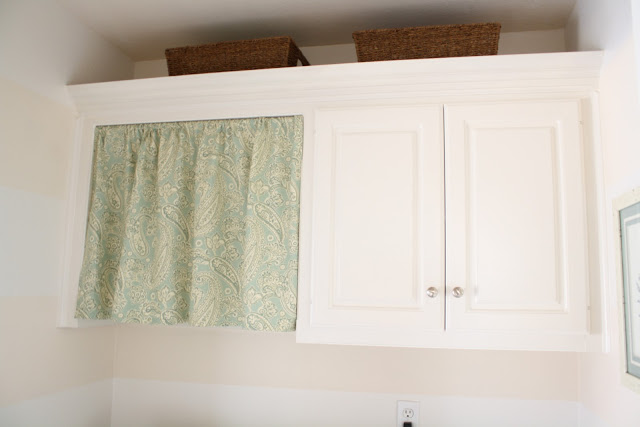
A laundry room rarely gets invited to the design party. It is usually the place where socks disappear, detergent bottles multiply, and everyone suddenly forgets how hampers work. But a striped wall laundry room can turn this hard-working corner into a space that feels polished, cheerful, and intentionally designedwithout requiring a full renovation or a second mortgage.
Stripes are one of the most reliable design tricks in the book because they are simple, flexible, and surprisingly powerful. Vertical stripes can make a low ceiling feel taller. Horizontal stripes can widen a narrow wall. Thin stripes add quiet texture, while bold stripes walk in like they own the place. In a laundry room, where square footage is often limited and function matters as much as style, striped walls offer the perfect balance: visual impact, budget control, and practical charm.
Whether you prefer painted stripes, peel-and-stick wallpaper, classic blue-and-white lines, modern black-and-cream contrast, or soft tone-on-tone neutrals, this guide will help you design a laundry room that looks less like “utility closet with lint” and more like “small but mighty design moment.”
Why a Striped Wall Works So Well in a Laundry Room
The best laundry room ideas usually solve two problems at once: they make the room more functional and more pleasant to use. A striped wall does both. It gives the eye a focal point, creates structure in a small space, and helps distract from the less glamorous realities of laundry daylike the towel mountain that somehow regenerates overnight.
Many laundry rooms are narrow, windowless, or tucked into hallways, mudrooms, basements, or closets. Because of that, they benefit from design elements that create movement and brightness. Stripes can visually stretch a wall, guide the eye upward, or add rhythm behind appliances and shelving. Even better, stripes work with almost every style: farmhouse, coastal, cottage, modern, traditional, retro, minimalist, and “I bought three baskets and now I am organized.”
Choosing the Right Stripe Direction
Vertical Stripes for Height
Vertical stripes are a smart choice when your laundry room has a low ceiling, upper cabinets, or stacked appliances. They pull the eye upward and create the illusion of height. This is especially helpful in basement laundry rooms or compact laundry closets where the ceiling can feel a little too friendly with your forehead.
For a classic look, try soft white and pale gray vertical stripes. For a bolder design, navy and white or charcoal and cream can create a crisp, tailored effect. Vertical stripes also pair beautifully with beadboard, shaker cabinets, brass hardware, and floating wood shelves.
Horizontal Stripes for Width
Horizontal stripes can make a tight laundry room feel wider. They work especially well on a short accent wall behind the washer and dryer. Wide horizontal bands create a calm, modern look, while thinner horizontal lines feel more playful and energetic.
If your laundry room is long and narrow, avoid wrapping high-contrast horizontal stripes around every wall unless you want the space to feel like a very stylish tunnel. Instead, use them on one main wall and keep the surrounding surfaces quiet.
Diagonal or Irregular Stripes for Personality
Diagonal stripes are not for the faint of heartor for anyone who measures once and hopes for the best. But when done well, they bring motion and personality to a laundry room. A diagonal striped accent wall can look modern, graphic, and custom. Irregular hand-painted stripes can also create a relaxed, artistic effect that feels less perfect and more personal.
This style works best when the rest of the room is simple. Let the stripe pattern be the star, and keep baskets, jars, rugs, and cabinet colors coordinated so the room does not start visually shouting.
Best Colors for a Striped Wall Laundry Room
Classic White and Navy
White and navy stripes are timeless, clean, and slightly nautical without requiring a decorative anchor. This combination looks excellent with white appliances, brushed nickel fixtures, woven baskets, and wood accents. It is especially effective in Irregular hand-painted stripes can also create a relaxed, artistic effect that feels less perfect and more personal.
This style works best when the rest of the room is simple. Let the stripe pattern be the star, and keep baskets, jars, rugs, and cabinet colors coordinated so the room does not start visually shouting.
Best Colors for a Striped Wall Laundry Room
Classic White and Navy
White and navy stripes are coastal, cottage, and transitional laundry rooms.
Soft Gray and Warm White
If you want stripes without drama, gray and warm white are a safe, elegant choice. The contrast is gentle, the room stays bright, and the pattern adds interest without overpowering cabinets or tile. This is a great option for small laundry rooms, shared laundry-mudrooms, or spaces connected to a hallway.
Black and Cream
Black and cream stripes create a polished, boutique feel. Use this combination carefully in small rooms: one striped wall is usually enough. Pair it with light countertops, simple shelves, matte black hooks, and warm wood details to keep the room from feeling too stark.
Pastel Stripes
Pale blue, blush, mint, butter yellow, and lavender-gray stripes can make a laundry room feel cheerful and fresh. Pastels are especially friendly in spaces with limited natural light because they add color without swallowing brightness. They also make folding towels feel slightly less tragic.
Tone-on-Tone Neutrals
Tone-on-tone stripes use two shades from the same color family, such as beige and ivory, sage and pale green, or greige and soft taupe. This creates a sophisticated look that feels textured rather than busy. It is ideal for homeowners who want character but do not want their laundry room to resemble a circus tent with a spin cycle.
Painted Stripes vs. Striped Wallpaper
Painted Stripes
Painted stripes are affordable, customizable, and easy to touch up. You can choose the exact width, color, direction, and placement. This option is perfect for DIY-friendly homeowners who own a level and are emotionally prepared to use painter’s tape with precision.
The key to crisp painted stripes is preparation. Start with a clean, dry wall. Patch holes, sand rough areas, and apply a base coat if needed. Measure carefully, mark lightly with pencil, tape along the outside edge of the lines, and press the tape firmly to reduce paint bleeding. A small roller gives better control on narrow stripes. Remove painter’s tape while the paint is still slightly wet for cleaner edges.
Striped Wallpaper
Striped wallpaper is a faster way to get a highly finished look, especially if you want very thin lines, textured paper, or a pattern that would be tedious to paint. Peel-and-stick wallpaper is popular for renters and commitment-shy decorators. Traditional wallpaper can be more durable and polished when installed correctly.
Wallpaper is especially useful behind open shelving, above a counter, or around a laundry nook. In humid laundry rooms, choose a durable wallcovering and make sure ventilation is adequate. Nobody wants beautiful wallpaper quietly giving up behind the dryer.
How Wide Should Laundry Room Stripes Be?
Stripe width changes the mood of the room. Wide stripes, usually between 8 and 16 inches, feel modern and calm. Medium stripes, around 4 to 6 inches, feel classic and balanced. Thin pinstripes can look elegant, but they require more patience and careful spacing.
For most laundry rooms, medium or wide stripes are easier to execute and easier to live with. If the room is tiny, very narrow stripes can become visually busy. If the wall is large and empty, wider stripes can make the design feel intentional and less fussy.
Where to Use Stripes in a Laundry Room
Behind the Washer and Dryer
The wall behind the washer and dryer is the most popular place for a striped accent wall. It creates a strong focal point and frames the appliances. Add a floating shelf above the machines, a few labeled containers, and a framed print, and suddenly your laundry room looks like it has a Pinterest account.
Above Wainscoting or Beadboard
Stripes above beadboard, shiplap, or wainscoting create a charming layered look. Keep the lower wall simple and durable, then use stripes on the upper half for pattern. This approach works beautifully in cottage, farmhouse, and traditional homes.
Inside a Laundry Closet
A laundry closet is a fantastic place to experiment with stripes. Because the area is small, you can go bolder than you might in a full room. Try vertical stripes behind stacked machines or horizontal stripes behind side-by-side appliances. When the doors open, the pattern adds a fun surprise.
On the Ceiling
Striped ceilings are bold, playful, and unexpected. They work best in laundry rooms with simple walls and good lighting. A soft stripe on the ceiling can add personality without taking up wall space, which is helpful if your laundry room is packed with cabinets, hooks, and shelves.
Storage Ideas That Pair Well with Striped Walls
A striped wall looks best when the laundry room is organized enough for the pattern to shine. Open shelving works well if you use matching baskets, glass jars, or labeled bins. Closed cabinets are better if your laundry supplies tend to look like a detergent aisle after a small earthquake.
Consider adding a hanging rod for air-dry clothes, hooks for cleaning tools, a pull-out hamper, or a folding counter over front-loading machines. A striped background can make simple storage feel more custom, but the trick is balance. If the wall is busy, keep storage containers quiet. If the stripes are subtle, you can add more texture with baskets, wood, metal, or patterned textiles.
Lighting Matters More Than You Think
Stripes can look very different depending on lighting. A soft gray stripe may appear elegant in daylight and slightly muddy under a dim yellow bulb. Good lighting helps the pattern read cleanly and makes laundry tasks easier. Use bright, even light where possible, especially near folding areas and stain-treatment stations.
If your laundry room has no window, choose lighter stripe colors and consider a semi-gloss or satin finish for easier cleaning. A fresh ceiling light, under-shelf lighting, or a small decorative fixture can make the room feel less like a utility zone and more like part of the home.
Common Mistakes to Avoid
Using Too Many Patterns
Stripes are friendly, but they do not need twelve roommates. If you use striped walls, be careful with patterned rugs, busy curtains, printed baskets, and bold floor tiles. One major pattern is usually enough in a compact laundry room.
Skipping the Measuring Step
“Looks straight enough” is how DIY legends become cautionary tales. Always measure carefully and use a level. Walls, ceilings, and floors are not always perfectly straight, especially in older homes. Plan your stripe layout before opening the paint can.
Choosing Harsh Contrast in a Tiny Room
High-contrast stripes can be stunning, but in a very small laundry room, they can feel intense. If the room is narrow or windowless, soften the contrast. Try cream instead of bright white, charcoal instead of jet black, or muted blue instead of electric navy.
Forgetting About Appliances
Your washer and dryer are part of the design whether they asked to be or not. White appliances blend well with light stripes. Stainless or dark appliances look great with deeper colors, warm neutrals, or graphic black-and-white designs. Choose stripe colors that complement the machines rather than fighting them.
Budget-Friendly Striped Wall Laundry Room Ideas
You do not need custom cabinetry or designer wallpaper to make a striped laundry room look expensive. Paint is one of the most budget-friendly upgrades available. A single accent wall may require only a small amount of paint, a roll of painter’s tape, a level, a pencil, and a patient afternoon.
For a low-cost refresh, paint stripes only above existing shelving or behind the appliances. Swap mismatched storage containers for uniform baskets. Add a washable runner, update cabinet pulls, and hang a simple sign or framed print. Even small changes can make the room feel finished.
If you rent, peel-and-stick striped wallpaper can offer a temporary solution. Test a small area first, especially on textured walls or older paint. Removable wallpaper works best on smooth, clean, properly painted surfaces.
Design Examples for Different Styles
Modern Farmhouse
Use soft charcoal and white vertical stripes above beadboard. Add black hooks, white cabinets, a butcher-block folding counter, and woven baskets. The result feels clean, warm, and practical.
Coastal Cottage
Choose blue-and-white stripes with natural wood shelving, glass jars, rattan baskets, and brushed nickel hardware. Keep the floor simple so the room feels breezy rather than themed.
Bold Modern
Try wide black-and-cream horizontal stripes behind front-loading machines. Add flat-front cabinets, matte black hardware, and minimal accessories. This style looks crisp and confident.
Soft Traditional
Use tone-on-tone beige or pale sage stripes with classic shaker cabinets, warm brass knobs, and a patterned but subtle floor runner. The room feels calm, elegant, and easy to maintain.
DIY Painting Steps for a Striped Laundry Room Wall
Start by removing wall decor, outlet covers, and anything that blocks the work area. Clean the wall with a mild solution to remove lint, dust, and detergent residue. Patch holes and sand rough spots. If the existing wall color is dark or uneven, apply primer or a fresh base coat.
Next, decide your stripe width. Measure the wall height or width, depending on stripe direction, and divide it evenly. Mark the layout lightly with pencil. Use a level or laser level to draw straight guide lines. Apply painter’s tape to the outside edge of the stripes you plan to paint, then press the tape firmly along the edge.
Paint the stripe color with a brush along the tape edges and a roller in the center. Apply a second coat if needed. Remove tape while the paint is still damp, pulling slowly at an angle. Let the paint cure before reinstalling shelves or pushing appliances back into place. Then stand back, admire your work, and pretend folding fitted sheets is now enjoyable.
Real-World Experience: Living with a Striped Wall Laundry Room
A striped wall laundry room looks charming in photos, but the real test is daily life. The good news is that stripes hold up surprisingly well in a hardworking space when the design is planned with function in mind. In many homes, the laundry room is not just for laundry. It becomes a drop zone, pet station, cleaning closet, mudroom, craft overflow area, and emergency hiding place for things you do not want guests to see. A striped wall can bring order to that chaos by making the room feel intentional.
One practical experience many homeowners notice is that stripes make even basic shelves look more designed. A plain wire shelf against a blank wall can look temporary, even if it has been there since 2009 and has no plans to leave. But place that same shelf against soft vertical stripes, add matching bins, and suddenly the setup feels styled. The wall gives the storage system a backdrop, which makes the entire room look more complete.
Another real-life advantage is motivation. No, striped walls will not fold towels for you. Science has not blessed us with that miracle yet. But a pleasant laundry room can make the chore feel less annoying. When the room is brighter, cleaner, and more attractive, people are more likely to keep it organized. A small design upgrade can create a psychological nudge: if the room looks cared for, you are less tempted to abandon a pile of socks on top of the dryer and walk away like nothing happened.
There are also lessons learned the hard way. High-contrast stripes show mistakes more clearly, so careful taping matters. If you are painting black stripes over white walls, tiny bleeds can be noticeable. For beginners, a tone-on-tone palette is more forgiving. Soft sage with pale green, warm white with cream, or light gray with greige can hide minor imperfections while still giving the room depth.
Maintenance is another consideration. Laundry rooms collect lint and dust, especially behind machines. A satin or eggshell finish is usually easier to wipe than flat paint. If the striped wall is close to a utility sink or folding counter, choose washable paint. For wallpaper, avoid overly delicate materials in splash-prone areas unless you have a protective backsplash or good ventilation.
In everyday use, the best striped laundry rooms are not the most elaborate ones. They are the ones that respect the room’s job. The stripes should support the layout, not compete with it. They should make the space feel cleaner, taller, brighter, or more cheerful. When paired with smart storage, good lighting, and a few durable finishes, a striped wall can transform laundry day from a dull routine into a slightly more stylish dull routineand honestly, that is progress.
Conclusion
A striped wall laundry room is one of the simplest ways to give a utility space personality, polish, and visual structure. With the right stripe direction, color palette, and placement, even a tiny laundry closet can feel fresh and thoughtfully designed. Vertical stripes can lift the ceiling, horizontal stripes can widen the room, and tone-on-tone stripes can add quiet texture without overwhelming the space.
The secret is balance. Let the striped wall be the design feature, then support it with practical storage, bright lighting, durable finishes, and clutter-control systems that actually match real life. Whether you choose paint or wallpaper, bold contrast or soft neutrals, the result can be both beautiful and useful. And if a laundry room can be beautiful and useful, perhaps there is hope for that missing sock after all.