

Note: This article is for educational purposes only and does not replace medical care. If you have a new genital rash, severe pain, swelling, pus, fever, or sores that are spreading quickly, get evaluated by a healthcare professional.
Finding an itchy rash on your penis is not exactly the kind of surprise anyone wants before coffee. Unfortunately, scabies can show up there, and when it does, it tends to cause two immediate reactions: panic and aggressive late-night Googling. The good news is that scabies is treatable. The less-fun news is that it is easy to mistake for something else at first, including irritation, folliculitis, balanitis, eczema, or even a sexually transmitted infection.
If you are wondering whether scabies on the penis is real, the answer is yes. The penis is one of the areas where scabies lesions can appear in adults. That does not mean every itchy bump is scabies, but it does mean a persistent, intensely itchy genital rash deserves attention. The key is knowing what symptoms fit, how treatment usually works, and how to avoid passing it back and forth like the world’s least welcome party favor.
What Is Scabies on the Penis?
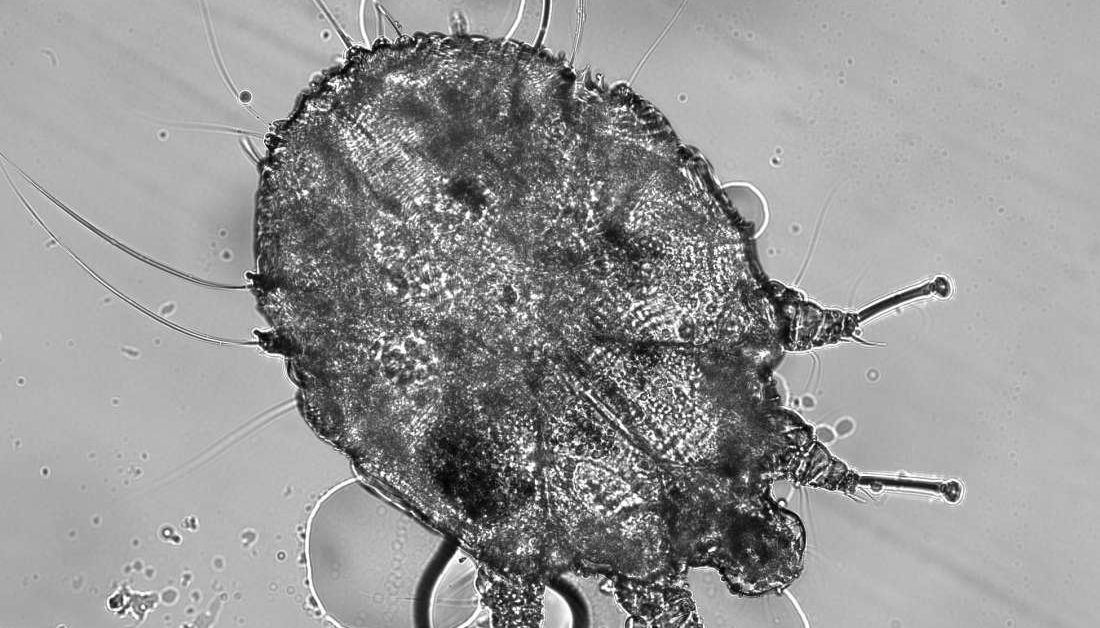
Scabies is a skin infestation caused by the microscopic mite Sarcoptes scabiei. These mites burrow into the upper layer of the skin, where they trigger an allergic-type reaction that leads to itching, bumps, and irritation. When scabies affects the genital area, people may notice lesions on the shaft of the penis, around the base, on the scrotum, or nearby on the groin and inner thighs.
Scabies is not caused by poor hygiene. It is not a sign that you are “dirty.” It spreads mainly through prolonged skin-to-skin contact with an infected person. That is why it can spread between sexual partners, among household members, and in places where people live in close quarters. In other words, this is a mite problem, not a character flaw.
One tricky part is timing. If it is your first scabies infection, symptoms may not appear for weeks after contact. If you have had scabies before, symptoms can show up much faster. That delay is one reason people often have trouble figuring out where the rash came from in the first place.
Scabies on the Penis Symptoms
Common signs to watch for
The classic symptom of scabies is intense itching that gets worse at night. On the penis, symptoms may include:
- Small red, brown, or skin-colored bumps
- Pimple-like spots or tiny papules on the shaft
- Very itchy rash on or around the penis and scrotum
- Thin, wavy, thread-like lines that may represent burrows
- Scratch marks, raw areas, or crusting from repeated rubbing
- Tender or irritated skin from friction, sweat, and scratching
Some people develop firm, itchy nodules in the genital region that linger longer than expected. Others notice only a few bumps on the penis but have itching in other classic scabies areas too, such as the finger webs, wrists, waistline, buttocks, elbows, or armpits. That bigger body pattern often helps clue clinicians in.
What scabies on the penis can feel like
The itch is usually the main event. It can be sharp, crawling, prickly, or just relentlessly annoying. Many people say daytime symptoms are manageable, but nighttime is when the itch really clocks in for its shift. Sleep can suffer. Concentration can disappear. And yes, scratching can make everything look worse by causing swelling, soreness, and secondary infection.
When symptoms may not look textbook
Not everyone gets the same rash. On darker skin tones, scabies may not look bright red. On very sensitive genital skin, the rash may look more inflamed than it does elsewhere. If you are only staring at one irritated area and trying to diagnose it from memory, it is easy to end up guessing wrong.
How Scabies Spreads
Scabies spreads most often through prolonged, close skin-to-skin contact. Sexual contact can absolutely be one way it spreads, which is why scabies on the penis often causes people to worry about STIs. But scabies itself is a mite infestation, not a classic STI in the same sense as gonorrhea or herpes. It can spread during sex, yet it can also spread through nonsexual close contact at home.
Recently used towels, bedding, and clothing can sometimes contribute, especially when the contact is close and frequent. That is why treatment is not only about the person with symptoms. It usually involves close contacts too.
Scabies on the Penis vs. Other Conditions
A rash on the penis has a long list of possible causes, so self-diagnosis is risky. Scabies may be confused with:
- Balanitis: often causes redness, irritation, swelling, or discharge, especially around the glans
- Folliculitis: tends to involve hair follicles and may look like inflamed pimples
- Contact dermatitis: can flare after soaps, condoms, lubricants, detergents, or fragrances
- Herpes: often causes painful blisters or ulcers rather than mainly itchy papules
- Genital warts: usually appear as flesh-colored growths instead of an intensely itchy rash
- Pearly penile papules: a normal, harmless anatomical variation, not an infection
Here is the practical takeaway: if the rash is very itchy, worse at night, and you also have bumps or itch elsewhere on the body, scabies moves higher up the suspect list. If the rash is painful, blistering, oozing, or associated with fever, you should get prompt medical care because something else may be going on.
How Doctors Diagnose Penile Scabies
Diagnosis usually starts with a physical exam and a simple but important question: Where else are you itchy? A clinician may look for the typical distribution of lesions, check for burrows, ask whether anyone close to you has similar symptoms, and review the timing of symptoms.
Sometimes the diagnosis is clinical, meaning the pattern is convincing enough on its own. In other cases, a clinician may do a skin scraping and examine it under a microscope to look for mites, eggs, or mite debris. That can be especially helpful when the rash is limited, unusual, or overlapping with another condition.
Because the penis is a sensitive and high-anxiety area for most people, many patients delay getting checked. That is understandable. It is also the reason scabies sometimes gets worse before treatment starts. When in doubt, let a professional sort out whether you are dealing with scabies, dermatitis, balanitis, or another cause of penile rash.
Treatment for Scabies on the Penis
Prescription treatment is the standard
Scabies is usually treated with a prescription medication that kills the mites. The most common first-line treatment is permethrin 5% cream. In some cases, a clinician may prescribe oral ivermectin, especially when topical treatment is not a good fit, when treatment has failed, or when a more extensive infestation is suspected.
One of the biggest mistakes people make is assuming that if the symptoms are on the penis, they only need to treat that small spot. That is not how scabies treatment usually works. In adults, topical scabies medicine is commonly applied broadly to the skin as directed by the clinician, not dabbed onto one heroic little bump and sent off to save the day.
What to expect after treatment
Successful treatment does not always mean instant comfort. The mites may be gone before the itch gets the memo. Itching and rash can persist for days or even a few weeks after treatment because the immune system is still reacting to what is left behind. That lingering itch can be unnerving, but it does not automatically mean treatment failed.
What matters more is the pattern. If you are still itching but the rash is gradually calming down, that can be normal. If you develop new burrows, new bumps, or ongoing symptoms beyond the expected recovery window, you should follow up. Some people need repeat treatment or reevaluation to rule out reinfestation, improper application, or a different diagnosis.
Do not improvise with random products
This is not the time to raid the cabinet and start freestyle skin chemistry. Over-the-counter anti-itch products may help symptoms, but they do not reliably cure scabies. Harsh disinfectants, essential oils, bleach baths, and household insect sprays are not appropriate for genital skin and can make a miserable area dramatically more miserable.
How to Prevent Reinfestation
Treating the skin is only half the battle. The other half is making sure the mites do not circle back for an encore.
1. Treat close contacts at the same time
Household members and sexual partners often need treatment too, even if they do not have symptoms yet. This matters because symptoms can lag behind exposure. If one person treats and another waits, scabies can boomerang right back.
2. Wash recently used fabrics
Wash clothing, towels, underwear, pajamas, and bedding used in the days before treatment in hot water and dry them on high heat. If something cannot be washed, dry-clean it or seal it in a plastic bag for several days to a week, depending on the item and guidance you were given.
3. Pause close skin contact until treatment is complete
That includes sex. Not romantic, but highly practical. Resuming close contact too soon can lead to reinfestation and another round of frustration.
4. Avoid sharing personal items
Skip shared towels, bedding, and clothing until everyone involved has been treated and the environment has been cleaned appropriately.
5. Follow the treatment instructions exactly
Scabies treatment is one of those situations where “close enough” is not actually close enough. Use the medication the way your clinician prescribed it. Incomplete treatment, missed contacts, and skipped environmental cleanup are some of the main reasons scabies keeps hanging around.
When to See a Doctor
You should seek medical care if:
- You have an itchy rash on the penis that is not improving
- The itching is worse at night or spreading to other body areas
- You notice sores, pus, crusting, or signs of infection
- You have treated for scabies but now have new bumps or burrows
- You are unsure whether the rash might be an STI or another genital condition
- You are immunocompromised or have widespread, severe skin changes
Genital skin deserves careful diagnosis. A quick exam can save you a lot of unnecessary worry and help you avoid treating the wrong thing.
Prevention Tips That Actually Help
If you want the short version, here it is: avoid prolonged skin-to-skin contact with someone who has untreated scabies, do not share recently used towels or bedding in that situation, and if exposure does happen, act quickly instead of waiting for the rash to become a full dramatic production.
For people in relationships, the most useful prevention strategy is honesty and simultaneous treatment when needed. Scabies thrives on secrecy, embarrassment, and “maybe it will just go away.” It rarely rewards any of those choices.
Conclusion
Scabies on the penis can be uncomfortable, stressful, and frankly awkward, but it is also treatable and manageable. The biggest clues are intense itching, especially at night, plus small itchy bumps or burrows on the penis or nearby skin. Because the condition can mimic other penile rashes, proper diagnosis matters. Once identified, treatment usually involves prescription medication, simultaneous care for close contacts, and practical cleanup steps at home to prevent reinfestation.
The bottom line is simple: do not panic, do not self-shame, and do not assume every genital rash will sort itself out. If the symptoms fit, get checked, get treated properly, and handle the prevention steps thoroughly. Scabies is persistent, but with the right plan, it does not get the final word.
Common Experiences Related to Scabies on the Penis
The following examples are composite, real-world style experiences based on common patterns people report when dealing with genital scabies. They are not direct quotes from individual patients.
One of the most common experiences is mistaking the first signs for something minor. A person notices a few itchy bumps on the shaft of the penis and assumes it is razor burn, sweat irritation, friction from sex, or maybe a reaction to a new soap. Because the spots may look small and harmless at first, people often wait. Then the nighttime itch kicks in, and suddenly the problem no longer feels small. Sleep gets interrupted. Scratching becomes hard to resist. And that “I’ll just keep an eye on it” plan starts falling apart fast.
Another common experience is confusion about timing. Someone may have had close contact with a partner weeks earlier and feel convinced the rash must have some other cause because the symptoms did not appear right away. That delay is exactly what makes scabies so sneaky. By the time the rash shows up, the connection to the original exposure is often blurry. People start retracing every detail, which can create anxiety, relationship tension, and a lot of unnecessary detective work.
Embarrassment is also a huge theme. Many people feel far more comfortable ignoring a rash on their arm than discussing bumps on their penis. Some worry it automatically means they have an STI. Others fear being judged by a partner or clinician. That embarrassment can delay care, which gives the infestation more time to spread. In real life, once people finally get evaluated, the emotional reaction is often a mix of relief and annoyance: relief because it is treatable, annoyance because they spent days or weeks worrying in circles.
People also commonly talk about how intense the itching feels at night. During the day, work, errands, and distractions may keep the discomfort in the background. At bedtime, the itching tends to become the main character. This can lead to poor sleep, irritability, and the very glamorous life choice of standing in the bathroom at 2 a.m. wondering whether every bump on the body is now suspicious. Scabies may be a skin condition, but its effect on stress and sleep is very real.
Then comes treatment, and with it, a fresh round of questions. Many people expect immediate relief after the first dose of treatment and get alarmed when the itching does not vanish overnight. That post-treatment itch causes a lot of panic. People worry the medicine failed, or that the rash is spreading, when in fact the skin may simply still be reacting. The challenge is knowing the difference between normal lingering irritation and signs that something is still active. That is why follow-up matters if new burrows or fresh lesions keep appearing.
A partner conversation is another experience that many people remember vividly. Explaining that a genital rash may be scabies is not anyone’s dream text message. Still, it is a necessary part of preventing reinfestation. In many cases, the biggest turning point is when both partners or household contacts get treated together and stop the back-and-forth cycle.
Finally, people often describe a surprising amount of mental relief once they understand what is happening. The symptoms may be miserable, but a clear diagnosis creates a plan. And when there is a plan, the whole situation becomes less mysterious, less scary, and much more manageable.