

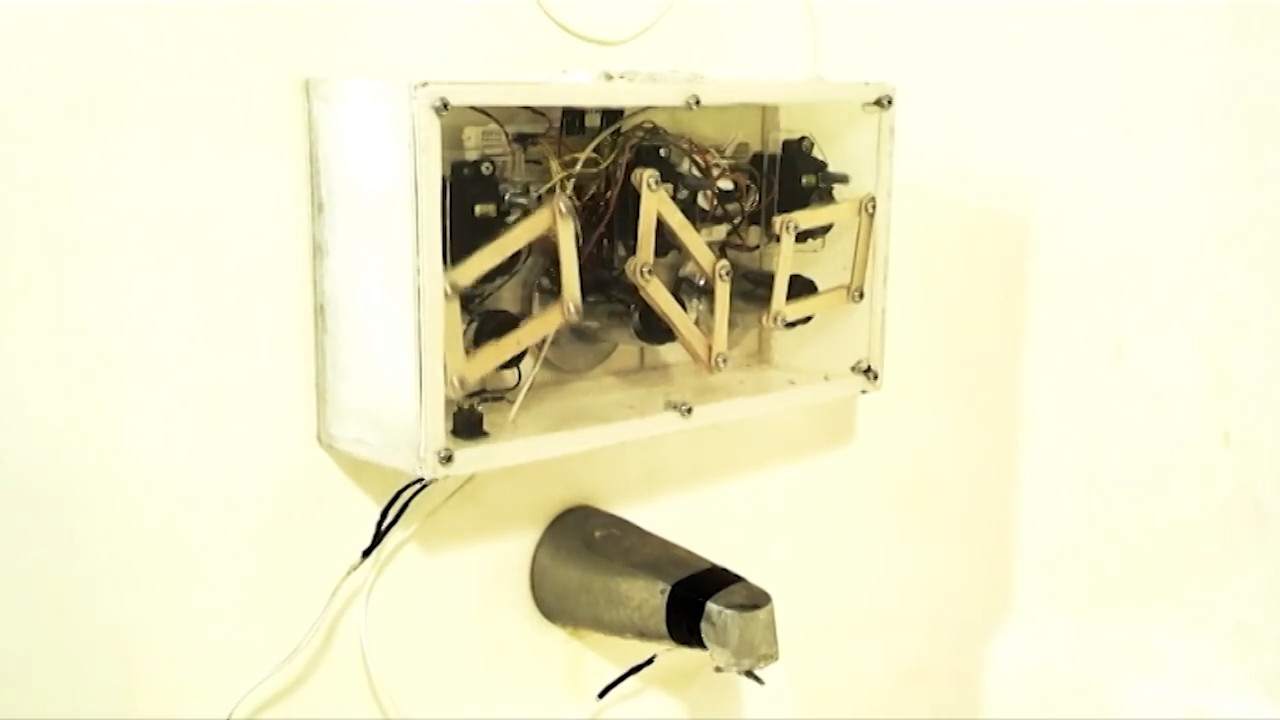
Note: This article is written for web publishing and is based on real Arduino, IoT, smart-home, water-efficiency, and bathroom electrical-safety principles. Any project that touches plumbing, pressurized water, or electrical systems near a shower should be designed with low-voltage electronics, proper waterproof enclosures, code-compliant GFCI protection, and professional review.
Some people start the morning with meditation. Others need coffee strong enough to make a spoon stand upright. Then there are the glorious tinkerers who look at a shower knob and think, “This could use Wi-Fi.” That, in one steamy sentence, is the charm of an Arduino IoT shower controller: it turns the most ordinary part of your morning routine into a tiny smart-home experiment.
The idea is simple but wonderfully nerdy. Instead of manually twisting the shower handle, waiting for the temperature to settle, and performing the classic “toe test” like a cautious penguin, an Arduino-based controller can monitor water temperature, automate valve movement, log shower data, and even let you prepare the shower from a phone dashboard. It is not about making your bathroom look like a spaceship, although that is a respectable bonus. It is about comfort, consistency, water awareness, and the joy of building something useful with your own hands.
The original spirit behind projects like this comes from the maker community, where boards such as the Arduino MKR1000, ESP32, and similar Wi-Fi-capable microcontrollers have been used to read sensors, move servos, publish data to cloud dashboards, and control small actuators. In a shower controller concept, those same ideas meet plumbing hardware, waterproof housings, temperature sensors, flow sensing, and a healthy respect for the fact that water and electricity should never be allowed to become best friends.
What Is an Arduino IoT Shower Controller?
An Arduino IoT shower controller is a smart automation system that uses a microcontroller to monitor and assist with shower operation. Depending on the design, it may read water temperature, detect flow, control a servo attached to an existing shower valve, send data to a cloud service, or connect with a smart-home platform such as Home Assistant through MQTT. The goal is not to replace common sense. The goal is to make the shower more predictable, efficient, and personalized.
In a typical concept, the Arduino or ESP32 acts as the brain. A waterproof temperature sensor measures the water. A flow sensor estimates how much water is being used. A servo or low-voltage actuator may adjust a mechanical valve. A dashboard shows status, temperature, runtime, and possibly preset routines. A user might choose “weekday shower,” “post-gym rinse,” or “do-not-speak-to-me-before-coffee mode.” The last one is not technically required, but it feels emotionally accurate.
Why Build a Smart Shower Instead of Buying One?
Commercial smart shower systems exist, and some are impressively polished. They can offer digital temperature control, app presets, voice assistant support, and sleek wall interfaces. The problem is that they can be expensive, installation may require significant plumbing work, and many systems are tied to specific ecosystems. A DIY Arduino shower controller offers a different kind of value: flexibility.
With Arduino, you can build a prototype around the features you actually care about. Maybe you only want a temperature display so nobody in the house has to guess when the water is ready. Maybe you want a shower timer to reduce water waste. Maybe you want a cloud log that proves your teenager’s “five-minute shower” was actually a documentary-length event. The Arduino approach lets you start small and expand carefully.
The Core Components Behind the Project
1. The Microcontroller
The microcontroller is the command center. Arduino boards with Wi-Fi support, ESP32 boards programmed through the Arduino IDE, and similar development boards are common choices for IoT projects. A Wi-Fi-capable board makes it easier to connect the system to a web dashboard, Arduino Cloud, MQTT broker, or home automation server.
For a bathroom environment, the board itself should not sit in the wet area. It belongs in a dry, protected enclosure, away from direct spray, steam buildup, and accidental splashes. The smartest shower controller is the one that does not become a tiny aquarium.
2. Temperature Sensing
Temperature is the star of the show. A waterproof digital temperature sensor can help the system know when the water has reached a comfortable target. This is especially useful in homes where hot water takes a while to arrive. Instead of standing there like a bathroom statue, the system can notify you when the water is ready.
Temperature sensing also supports safety. A well-designed controller should avoid extreme settings, show clear readings, and prioritize manual override. Automation should make the shower friendlier, not turn it into a surprise soup pot.
3. Flow Monitoring
A water flow sensor can estimate how many gallons are being used and how long the shower has been running. This matters because shower water adds up quickly. In the United States, standard showerheads are commonly rated around 2.5 gallons per minute, while WaterSense-labeled showerheads are designed to use no more than 2.0 gallons per minute while still meeting performance standards.
That means a ten-minute shower can use roughly 20 to 25 gallons depending on the fixture. A controller that tracks flow and time can turn vague advice like “take shorter showers” into actual feedback. Data has a funny way of making habits visible.
4. Servo or Actuator Control
Some DIY builds use servos or low-voltage actuators to move an existing shower handle. This is appealing because it may avoid replacing the whole valve body. However, it also introduces mechanical challenges. Shower handles vary in stiffness, shape, angle, and resistance. A servo that works beautifully on a test bench may struggle when attached to a real valve with years of mineral buildup and a personality problem.
Good mechanical design matters. The controller needs enough leverage, stable mounting, and a way to fail safely. The user should always be able to take manual control. If the automation jams, loses power, or misreads a sensor, the shower must still behave like a normal shower.
5. Connectivity and Dashboards
For IoT features, the controller can connect to services such as Arduino Cloud, ThingSpeak, Adafruit IO, Blynk, Node-RED, or a local Home Assistant setup using MQTT. A cloud dashboard is useful for viewing temperature, runtime, and usage trends. A local dashboard is attractive for privacy and reliability because the shower should not need a perfect internet connection to function.
The best design uses internet features as convenience, not as a dependency. Your shower should not refuse to cooperate because the router is having an existential crisis.
How the Morning Routine Could Work
Imagine a weekday routine. You wake up, open an app, and tap “Start warm-up.” The controller turns the valve to a preset position, monitors water temperature, and waits until the water reaches your preferred range. When it is ready, your phone gets a notification or a small bathroom display changes color. You step in, press a physical button, and the timer begins.
During the shower, the controller tracks duration and estimated water use. After the shower, it closes the session and logs the data. If you set a five-minute goal, it might flash a light, beep softly, or display a reminder. No judgment. Just a tiny electronic coach standing by with a clipboard.
More advanced versions could support multiple presets. One person may prefer 101 degrees Fahrenheit, another may like it cooler, and a third may claim they “do not care” while absolutely caring. Presets reduce knob fiddling and make the shower more consistent.
Important Safety Rules for Any IoT Shower Controller
This is the section that keeps the fun from turning into a cautionary tale. Bathrooms are wet, humid, slippery, and electrically sensitive spaces. Any DIY smart shower controller must be treated as a low-voltage control project with strong separation from mains power. The electronics should be housed in a proper enclosure, protected from water and steam, and positioned outside the wet zone.
Any outlet or power source serving bathroom equipment should follow local electrical code and use appropriate GFCI protection. A ground-fault circuit interrupter is designed to reduce shock risk by cutting power when it detects a dangerous imbalance. That protection is not a magic shield, but it is an essential layer of safety in wet areas.
Also, avoid letting the microcontroller directly switch high-voltage loads. If the system controls valves, pumps, or powered devices, use properly rated components and have the design reviewed by a qualified electrician or plumber. A shower controller should be built like something that lives near water, not like a science fair project balanced on hope and double-sided tape.
Water Savings: The Practical Side of the Geekery
The most practical benefit of an Arduino shower controller is water awareness. Many households underestimate how much water disappears down the drain during warm-up time and long showers. If your shower runs at 2.5 gallons per minute, every extra four minutes can use about 10 gallons. Multiply that by several people, several days a week, and suddenly the bathroom is running a tiny water park.
A smart controller can help in three ways. First, it can notify you when the shower is ready, reducing wasted warm-up water. Second, it can track shower length and encourage shorter sessions. Third, it can show trends over time, which makes conservation feel measurable rather than abstract.
This is where IoT becomes more than a novelty. A connected shower controller is not only about tapping a phone instead of turning a knob. It is about turning invisible habits into visible data. When you can see that one household member consistently uses twice as much water, the conversation changes from “You shower forever” to “The dashboard has entered the chat.”
Design Ideas That Make the Project Better
Use Physical Controls First
Smartphone control is fun, but physical buttons are essential. A wet-handed user should not need to unlock a phone to stop water. Add a clearly labeled manual stop button, a simple status indicator, and a mechanical override. In home automation, the best interface is often the one that works when everything else is being dramatic.
Keep the System Local When Possible
Cloud dashboards are convenient, but local control is safer and faster for core shower functions. Use the cloud for logging and notifications, not for critical operation. If the internet goes down, the shower should still turn on, turn off, and behave predictably.
Add Limits and Timeouts
Every automated water system should include limits. Set maximum run times. Define safe temperature ranges. Use default-off behavior after power loss. Add alerts for abnormal flow or unexpected runtime. These small rules can prevent waste and reduce risk.
Plan for Maintenance
Bathrooms create steam, minerals, soap residue, and general chaos. Sensors can drift. Mounts can loosen. Valves can stiffen. Design the controller so parts can be inspected and cleaned. A waterproof box is good. A waterproof box you can actually open without performing surgery is better.
Common Mistakes to Avoid
The first mistake is treating the shower like a dry electronics bench. It is not. The bathroom environment demands sealed enclosures, careful cable routing, corrosion-resistant choices, and safe placement. The second mistake is over-automating. A shower should not require a software update before breakfast.
The third mistake is ignoring mechanical reality. Servos are not magic muscles. If the valve is too stiff, the mount flexes, or the linkage is poorly aligned, the system will behave unpredictably. Start with sensing and monitoring before adding motion control. A temperature display and shower timer are safer beginner features than a fully automated valve system.
The fourth mistake is forgetting privacy. Shower data may sound harmless, but it can reveal routines, occupancy patterns, and household habits. Keep logs minimal, secure dashboards with strong passwords, and avoid sending unnecessary data to public cloud services.
Who Is This Project For?
An Arduino IoT shower controller is ideal for makers who enjoy practical home automation, data tracking, and mechanical tinkering. It is a great concept for people who already understand basic Arduino programming, sensors, waterproofing, and smart-home dashboards. It is not the best first project for someone who has never touched a microcontroller, because the bathroom adds safety and reliability concerns.
Beginners can still participate by building a non-invasive version: a battery-powered temperature display, a shower timer, or a flow-monitoring dashboard that does not control any valves. Those projects teach the same core ideas without taking over the plumbing. Once the sensing side works reliably, automation can be considered carefully.
Experience Notes: Living With an Arduino Shower Controller
Using an Arduino shower controller changes your morning in small but surprisingly satisfying ways. The first thing you notice is that waiting for hot water becomes less annoying. Instead of hovering beside the shower and testing the spray every few seconds, you let the system watch the temperature. When the water is ready, you get a signal. It feels like a tiny luxury, even if the electronics are sitting in a plain enclosure and the dashboard still looks like something designed by a spreadsheet with ambition.
The second experience is consistency. Manual shower knobs are weirdly personal. Move the handle a fraction too far, and the water goes from “pleasant spa” to “volcanic soup.” Move it the other direction, and suddenly you are questioning all your life choices under an icy waterfall. A controller with temperature feedback helps reduce that daily guessing game. Even when the system does not fully automate the valve, simply displaying accurate temperature makes the shower feel more controlled.
The third experience is awareness. Most people do not know how long they shower. They guess. They underestimate. They say “about five minutes” with the confidence of someone who has never met a timer. Once the controller starts logging sessions, the truth appears. A morning shower that feels quick may be nine minutes. A “long shower” may be fifteen. This can be humbling, but in a good way. It gives you something useful to improve without turning conservation into a lecture.
There is also a fun psychological effect. Because the controller makes water use visible, you start competing with yourself. Can you finish before the soft reminder? Can you reduce warm-up waste? Can you keep a weekly average under a target? It turns an ordinary habit into a small optimization game. For households with kids or roommates, the dashboard can make water-saving feel less like nagging and more like a scoreboard. Just do not weaponize it unless you enjoy bathroom diplomacy.
The project also teaches patience. Sensors need calibration. Enclosures need better sealing than you first expect. Wi-Fi may be weak in the bathroom. Steam can expose design flaws. A servo mount that looks solid on the workbench may wobble once attached near real plumbing. These little frustrations are part of the maker experience. The reward is that every improvement is visible in daily life. You are not building a gadget that sits in a drawer. You are building something you interact with every morning.
Most importantly, living with a smart shower controller reminds you that useful home automation does not have to be flashy. It does not need a giant touchscreen or a voice assistant announcing your rinse cycle like a sports commentator. The best version quietly solves a real problem: it saves a little water, saves a little time, and makes the morning smoother. That is the Arduino way at its bestpractical, hackable, slightly nerdy, and just charming enough to make your toothbrush jealous.
Conclusion: A Smarter Shower, One Safe Step at a Time
An Arduino IoT shower controller is a clever example of how maker technology can improve everyday routines. By combining temperature sensing, flow monitoring, low-voltage control, smart dashboards, and thoughtful safety design, it can turn a basic shower into a more efficient and personalized experience. The real win is not showing off that your bathroom has Wi-Fi. The real win is waking up to water that is ready, measurable, and less wasteful.
Still, this project deserves respect. Bathrooms are not casual electronics playgrounds. Keep control systems low-voltage, protect every component from moisture, use code-compliant electrical protection, and involve professionals when plumbing or mains power is part of the plan. Start with monitoring, learn from the data, and automate only what you can make safe and reliable.
Done right, an Arduino shower controller is more than a gadget. It is a morning upgrade with a maker’s soul: practical enough to matter, weird enough to be fun, and smart enough to make you wonder what else in the house could use a microcontroller.