

When hidradenitis suppurativa flares, it does not exactly send a polite calendar invite. One day your skin is behaving, and the next day you are dealing with a painful lump, swelling, pressure, drainage, and the strong desire to cancel every plan you have ever made. That is where steroids sometimes enter the picture. They are not a cure for HS, and they are not the hero of every treatment plan, but they can be useful when your skin decides to throw a small underground rebellion.
If you have been told you might need a steroid shot, a short course of prednisone, or another corticosteroid treatment, the big question is simple: does it work, and what is the catch? The answer is a very HS-style “it depends.” Steroids can calm inflammation fast, which makes them helpful for painful flares. But they also come with trade-offs, especially if they are used too often or for too long.
This guide breaks down how steroids are used for hidradenitis suppurativa, the results people may see, the side effects worth knowing, and how these medications fit into a bigger HS treatment plan that is trying to do more than just put out fires.
What steroids actually do for HS
Hidradenitis suppurativa is a chronic inflammatory skin disease that causes painful nodules, abscesses, drainage, tunnels under the skin, and scarring. In other words, HS is not just “bad boils,” and it is definitely not a hygiene problem. Because inflammation is a major part of the disease, corticosteroids may help by turning down that inflammatory response for a while.
That last phrase matters: for a while. Steroids are usually best at reducing swelling, pain, redness, and tenderness during active flares. They are much less impressive when it comes to fixing tunnels, reversing scars, or keeping HS away for the long haul. Think of them as a fire extinguisher. Very useful in the moment. Not the same as fireproofing the building.
How steroids are used in hidradenitis suppurativa treatment
1. Steroid injections into a painful lump
This is one of the most common ways steroids show up in HS care. A dermatologist may inject a corticosteroid, often triamcinolone, directly into an inflamed nodule. The goal is to quickly reduce swelling and pain in a specific spot that is flaring but not deeply infected.
For the right lesion, this approach can be wonderfully targeted. Instead of affecting your whole body, the medicine works mostly where the problem is. It is often used for an early, painful nodule that feels like it is gearing up for trouble. If your dermatologist says, “Let’s calm this one down before it becomes a bigger mess,” this is probably what they mean.
There is one catch, and it is important: a steroid injection is not a magic eraser for tunnels under the skin. If HS has already formed sinus tracts or extensive scarring, a shot may help with nearby inflammation, but it will not undo the deeper structural damage.
2. Oral steroids such as prednisone
Oral corticosteroids can reduce inflammation throughout the body, so they may be prescribed for short-term control of a severe flare. In HS, these pills are usually used as a temporary measure rather than a forever plan. Some doctors use them for one to several weeks to settle a flare or to help bridge the gap while another treatment, such as an antibiotic, hormonal therapy, or biologic medication, starts doing its job.
That short-term role is the key theme. Steroid pills can work quickly, but long-term use brings a longer list of side effects. That is why many HS specialists treat them like emergency backup dancers, not the headliner.
3. Topical steroids
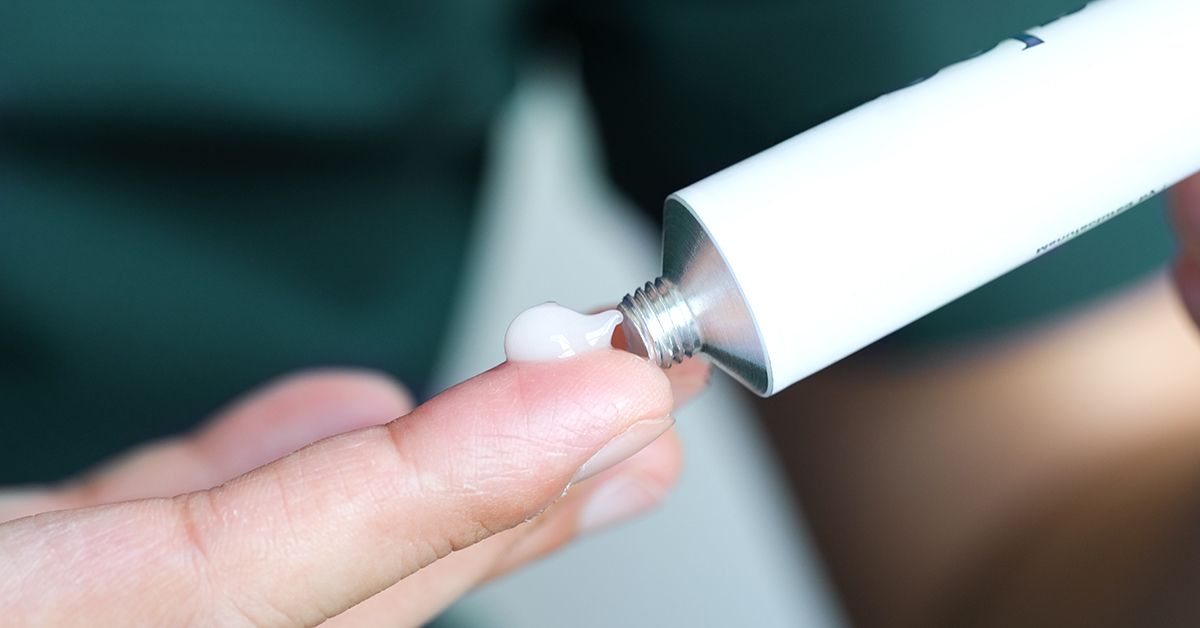
Topical corticosteroids are not usually the star treatment for HS, but they may occasionally be used in select situations when a clinician wants to calm surface inflammation. The issue is that HS often affects delicate skin folds such as the groin, underarms, under the breasts, and buttocks. Those areas are already dealing with friction, sweat, and irritation. Add a strong steroid cream for too long, and the skin may start filing formal complaints in the form of thinning, stretch marks, and visible veins.
So yes, steroid creams exist, but for HS they are usually not the long-term main event.
What kind of results can steroids deliver?
The short version: steroids can work fast, but the results are usually temporary and situation-specific.
In studies and clinical guidance, intralesional steroid injections have been associated with less pain very quickly, sometimes within a day, and with improvement in visible inflammation over about a week. That can be a huge deal if you are dealing with a lump that hurts when you walk, sit, sleep, or attempt the daring act known as “wearing clothes.”
But the evidence is not perfectly clean or universally dramatic. Some smaller studies and case series suggest clear benefit, while at least one placebo-controlled trial found the benefit was less impressive than many clinicians expected. That does not mean steroid injections never help. It means HS is complicated, lesions vary, and what works beautifully for one inflamed nodule may underwhelm in another.
Oral steroids can also bring quick relief in some people by reducing pain, swelling, and the angry “everything is on fire” feeling of a major flare. The problem is what happens next. Once the taper ends, symptoms may return if the underlying disease is not controlled by another treatment. This is why steroids are often used as a bridge rather than a destination.
Results steroids may help with
- Reducing pain from an inflamed HS nodule
- Lowering redness, swelling, and tenderness
- Calming a sudden flare quickly
- Buying time while slower treatments begin to work
Results steroids usually do not deliver
- Removing tunnels under the skin
- Erasing established scarring
- Preventing every future flare
- Serving as the safest long-term plan for most people
Side effects of steroid injections for HS
Because injected steroids are local, the side effects are often local too. That is the good news. The annoying news is that local side effects can still be frustrating, especially in visible or sensitive areas.
Possible side effects of steroid shots include skin thinning, changes in skin color, dark spots, and a slight depression or atrophy where the medication was injected. Some people also notice temporary flushing or trouble sleeping afterward. If you have diabetes or prediabetes, even localized steroid treatment can sometimes nudge blood sugar upward, so that deserves extra caution.
In short, a steroid injection may calm an HS lesion quickly, but the skin at the treatment site does not always leave without gossiping about it later.
Side effects of oral steroids for HS
Oral steroids are the bigger guns, and they come with a bigger side-effect profile because they affect the whole body. Some side effects can show up even during a short course. Others become more likely with repeated or long-term use.
Common short-term side effects
- Trouble sleeping
- Mood changes or feeling unusually keyed up
- Increased appetite
- Fluid retention or puffiness
- Upset stomach
- Higher blood sugar
Potential long-term or repeated-use side effects
- Thin, fragile skin and easier bruising
- Slower wound healing
- Acne-like breakouts
- Muscle weakness
- Weight gain
- Higher blood pressure
- Increased risk of infections
- Bone loss and osteoporosis
- Eye problems such as cataracts or glaucoma
- High blood sugar or worsening diabetes
For someone living with HS, this matters because the disease is chronic. A treatment that is easy to tolerate for five days may become a problem if it turns into a recurring habit every few weeks. That is why doctors usually aim to use the lowest effective dose for the shortest practical time.
Who may benefit most from steroids?
Steroids may make the most sense if you have a painful inflammatory flare that needs quick control, especially when one or two lesions are acting like they are auditioning for their own disaster movie. They may also be useful when your care team is transitioning you to another therapy and wants to prevent things from spiraling while the new medication takes effect.
Some patients with severe, difficult-to-control HS may use systemic corticosteroids as an adjunct under close specialist supervision. But that is usually the exception, not the routine. The average HS treatment plan relies more heavily on other long-term strategies, including antibiotics, hormonal therapy for select patients, biologics, laser-based approaches, and surgery when needed.
When steroids may not be the best fit
Steroids may be a shaky choice if you have uncontrolled diabetes, a history of serious steroid side effects, active infection concerns, fragile skin in the treatment area, or a pattern of rebound flares after every course. They may also be a poor match when the main problem is not acute inflammation but chronic tunnels and scarring. In that situation, a steroid can lower the noise for a bit, but it will not fix the architecture of the disease.
This is one reason HS treatment can feel so personal. Two people can both say, “I have HS,” and still need very different plans. One may need a quick injection to settle a new nodule. Another may need biologic therapy and surgery because the disease is already deep and recurrent.
How steroids fit into a bigger HS treatment plan
The smartest way to think about steroids in hidradenitis suppurativa is as one tool in a larger toolbox. They are often best used to control a flare while the rest of the plan handles the disease more strategically.
That bigger plan may include topical clindamycin for mild disease, oral antibiotics for anti-inflammatory control, hormonal treatments for carefully selected patients, biologic drugs for moderate to severe HS, pain management, laser hair reduction, and procedures such as deroofing or wide excision when tunnels and scarred areas need more definitive treatment.
Lifestyle measures also matter. Weight management, smoking cessation, reducing friction, and wearing loose clothing will not cure HS, but they can reduce flare pressure on skin that is already easily annoyed. Basically, your skin does not need extra drama from tight seams and trapped sweat.
Questions to ask before starting steroids for HS
If steroids are on the table, these are smart questions to bring to your appointment:
- Is this lesion the kind that usually responds well to a steroid shot?
- Are we treating a one-time flare or building a longer-term plan?
- What side effects should I watch for based on my health history?
- Could this affect my blood sugar, sleep, mood, or blood pressure?
- What happens if the flare comes back after the steroid wears off?
- What treatment is supposed to keep my HS controlled after this?
That last question is especially important. If the answer is basically a shrug and a hopeful expression, it may be time to ask for a fuller HS strategy.
Experiences with steroids for HS: what people often notice in real life
Real-world experience with steroids for hidradenitis suppurativa is rarely simple, which feels very on-brand for HS. Many people describe steroid injections as a “thank goodness” treatment for the right flare. A painful lump that felt hot, swollen, and impossible on Monday may be noticeably less angry by Tuesday or Wednesday. Walking hurts less. Sitting becomes possible again. That constant pressure eases up. For someone who has spent days negotiating with their own underarm or groin like it is a tiny, furious landlord, that relief can feel huge.
At the same time, people often learn quickly that relief is not the same as remission. The shot may calm one lesion beautifully, but HS is a chronic disease, and it may send a different lesion to take over the shift later. That is why many patients say steroid injections are helpful but not complete. They can rescue a bad week without solving a bad year.
Oral steroids often get even more mixed reviews. Some people report that a short prednisone course brings fast relief when their HS is flaring in multiple areas at once. The swelling drops, drainage slows, and the skin feels less explosive. Energy may improve simply because pain is no longer running the whole show. But others say the trade-off is rough. Sleep gets weird. Appetite surges. Mood takes a roller coaster. They feel better physically and stranger emotionally, which is not exactly the lifestyle upgrade anyone ordered.
Another common experience is the rebound effect. People sometimes feel noticeably better while on steroids, then watch symptoms creep back as the medication tapers off. That can be discouraging, but it is not unusual. Steroids suppress inflammation quickly; they do not always control the deeper disease process once they are gone. In practical terms, patients often feel most satisfied with steroids when the medication is paired with a longer-term plan, such as a biologic, hormonal therapy, antibiotics, or a procedural approach for tunnels and scars.
There is also the skin side of the experience. Some people tolerate injections with minimal issues, while others notice pigment changes, skin thinning, or a small dent where the shot was given. In delicate skin-fold areas, that can matter a lot. It may not be dangerous, but it can be frustrating if one problem improves and another cosmetic concern appears. That is part of why experienced HS clinicians tend to be thoughtful, not casual, about how often and where steroids are used.
Emotionally, steroids can be a strange mix of hope and realism. Patients often feel grateful that something can work fast, because HS pain is not subtle. But many also become savvy over time. They learn that a treatment can be useful without being perfect. They start looking for patterns: which lesions respond, how long relief lasts, what side effects are worth it, and when a steroid is acting as a helpful rescue versus a temporary bandage on a much bigger problem. In that sense, the most honest patient experience is this: steroids can absolutely help with HS, but they tend to work best when everyone involved understands their job description.
Final thoughts
Steroids for hidradenitis suppurativa can be effective, especially when you need fast relief from a painful inflammatory flare. Steroid injections may quickly calm a specific nodule, and short oral courses may help settle more widespread inflammation. But these medications are usually not long-term stand-alone solutions. Their strengths are speed and anti-inflammatory power. Their weaknesses are side effects, temporary results, and limited ability to fix tunnels or prevent future disease activity on their own.
The best HS care plan usually treats steroids as part of a layered strategy rather than the whole strategy. If your doctor recommends them, the most useful follow-up question is not only “Will this help?” It is also “What comes next?” That is where the real progress usually lives.
SEO Tags
Note: This article is for educational purposes only and should not replace medical advice, diagnosis, or treatment from a qualified clinician.