

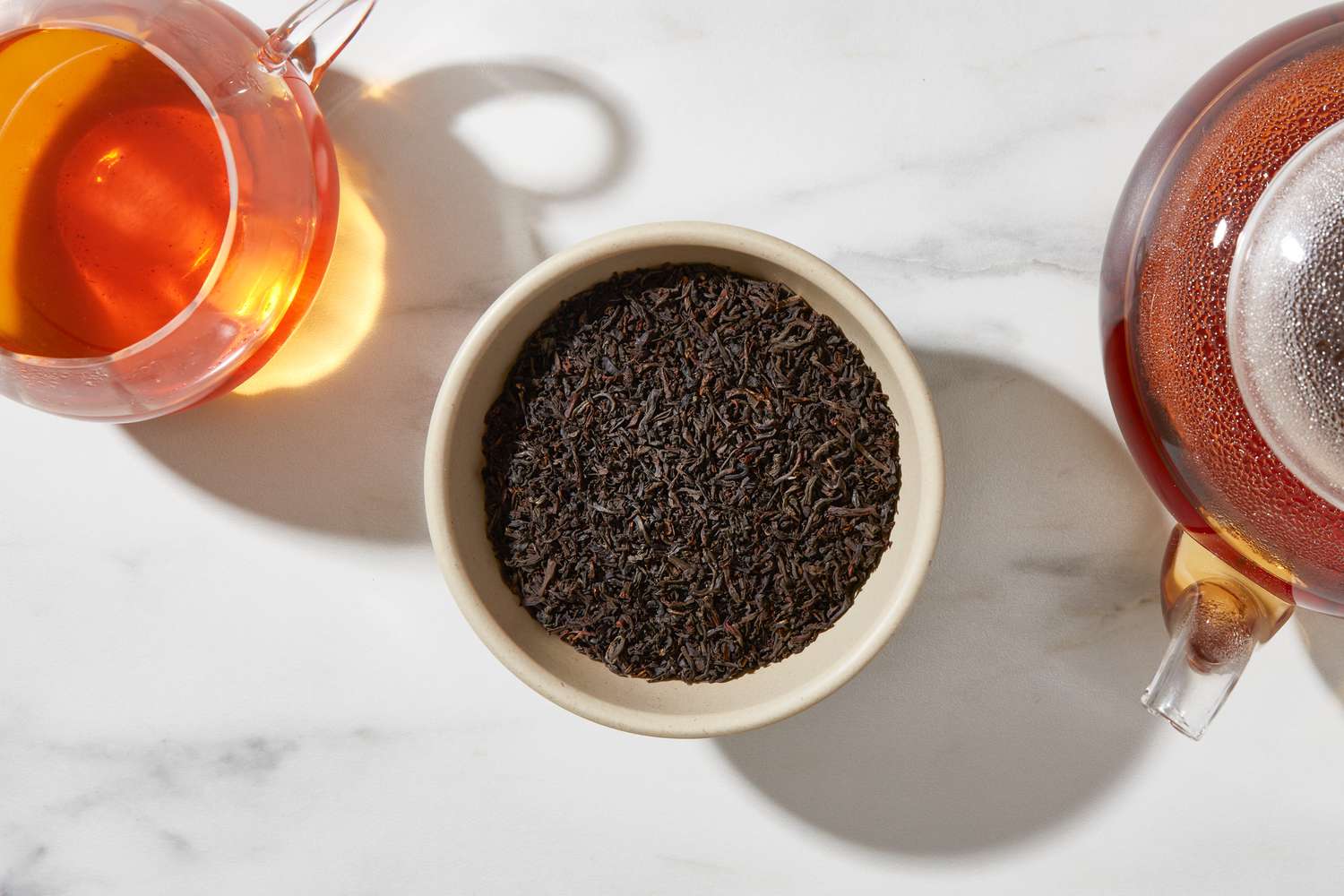
Ceylon tea is tea grown and produced in Sri Lanka, the island nation formerly known as Ceylon. Simple enough, right? Well, yesand also no. Calling it “just tea from Sri Lanka” is a little like calling a grand piano “a wooden box with opinions.” Technically correct, but wildly underdressed.
Ceylon tea is one of the world’s most recognizable tea styles, especially when we are talking about black tea. It is famous for its bright color, brisk body, clean aroma, and lively flavor that can lean citrusy, floral, honeyed, malty, spicy, or even lightly chocolatey depending on where it is grown. Because Sri Lanka has mountains, valleys, monsoon-influenced climates, warm lowlands, misty highlands, and tea gardens at dramatically different elevations, Ceylon tea is not one flavor. It is a whole flavor passport.
Most people meet Ceylon tea in breakfast blends, iced tea, milk tea, or a classic hot cup with lemon. It is dependable, bold without being bossy, and elegant without requiring you to whisper while drinking it. Whether you are a loose-leaf loyalist, a tea-bag realist, or someone who only owns one mug and it says “World’s Okayest Morning Person,” Ceylon tea has probably crossed your path.
What Makes Ceylon Tea Different?
The main keyword here is origin. True Ceylon tea comes from Sri Lanka. The name “Ceylon” stayed in the tea world even after the country officially became Sri Lanka in 1972. Today, the term is still used because it carries global recognition, quality expectations, and a long history of tea craftsmanship.
Ceylon tea is made from Camellia sinensis, the same plant behind black, green, white, oolong, and pu-erh tea. The difference comes from how the leaves are grown, harvested, oxidized, dried, sorted, and brewed. Most Ceylon tea sold worldwide is black tea, but Sri Lanka also produces green tea, white tea, and oolong-style teas.
The Classic Ceylon Tea Taste
A classic Ceylon black tea is often described as brisk, bright, and refreshing. “Brisk” in tea language means lively and pleasantly sharp, not rude. It gives the cup a clean snap, the kind that wakes up your palate and politely suggests that your brain join the meeting.
Common tasting notes include citrus peel, light spice, honey, malt, wood, caramel, dried fruit, and floral hints. Some cups feel delicate and golden. Others are darker, richer, and strong enough to handle milk. This variety is one of the biggest reasons Ceylon tea remains popular with tea drinkers, blenders, and restaurants.
Where Does Ceylon Tea Come From?
Ceylon tea comes from Sri Lanka, an island in South Asia located south of India. Tea gardens are especially concentrated in the central mountains and southern foothills. The country’s landscape gives tea growers a remarkable range of elevations and microclimates, which is why two Ceylon teas can taste dramatically different even though they share the same national origin.
Sri Lankan tea is commonly discussed by elevation: low-grown, mid-grown, and high-grown. Low-grown teas are usually richer, darker, and fuller-bodied. Mid-grown teas often balance strength and aroma. High-grown teas tend to be lighter, brighter, more fragrant, and sometimes more citrusy or floral.
The Seven Famous Ceylon Tea Regions
Sri Lanka’s best-known tea-growing regions include Nuwara Eliya, Uva, Dimbula, Uda Pussellawa, Kandy, Ruhuna, and Sabaragamuwa. Each region has its own personality, which is excellent news if you enjoy tea tasting and dangerous news if your kitchen cabinet is already one teabag away from becoming a small museum.
Nuwara Eliya is often associated with high-grown teas that are light, floral, fragrant, and refined. These teas can be wonderful plain or with lemon.
Uva is known for distinctive aromatic teas, often with sweet, woody, or brisk qualities. Uva teas can be bold enough for milk but still interesting enough to drink straight.
Dimbula produces teas that may be mellow, bright, and balanced, making them versatile for everyday drinking.
Kandy, a historic mid-grown region, often creates fuller cups with coppery color and a satisfying body.
Ruhuna and Sabaragamuwa are low-grown regions known for darker, richer teas with deeper color and notes that may remind drinkers of honey, caramel, or cocoa.
Types of Ceylon Tea
Ceylon Black Tea
Ceylon black tea is the most famous style. It is fully oxidized, giving it a darker leaf, deeper liquor, and stronger flavor. This is the tea most commonly used in breakfast blends, iced tea, and milk tea. It can be sharp and citrusy, smooth and malty, or bold and tannic depending on the region and grade.
Ceylon Green Tea
Ceylon green tea is less oxidized than black tea, so it keeps a greener color and lighter flavor. It may taste grassy, fresh, slightly nutty, or mildly sweet. It is not as internationally famous as Ceylon black tea, but it offers a cleaner, lighter drinking experience.
Ceylon White Tea
Ceylon white tea is delicate and often made from young buds or tender leaves. It is usually lighter in body, subtle in flavor, and prized by tea lovers who enjoy soft floral notes. It is the tea equivalent of speaking quietly but still having everyone listen.
Ceylon Oolong Tea
Oolong-style Ceylon tea is less common but increasingly interesting. Oolong sits between green and black tea in oxidation level, so it can carry floral, fruity, toasted, or creamy notes. Sri Lankan oolong is a good choice for curious drinkers who want something beyond the usual black tea experience.
Ceylon Tea vs. Regular Black Tea
“Regular black tea” is a broad category. Ceylon tea is a specific origin within that category. Assam black tea from India is often bold and malty. Darjeeling is frequently lighter, floral, and muscatel. Kenyan black tea can be powerful and full-bodied. Ceylon black tea usually stands out for its brightness, briskness, and refreshing finish.
If Assam is the deep bass note in the tea orchestra, Ceylon is often the trumpet: clear, lively, and impossible to ignore when brewed well. That bright character makes Ceylon tea especially useful in blends because it adds lift and clarity.
Does Ceylon Tea Have Caffeine?
Yes, Ceylon tea contains caffeine because it comes from the tea plant. The amount depends on the tea type, leaf grade, water temperature, steeping time, and how much leaf you use. Ceylon black tea usually has more caffeine than Ceylon green or white tea. A typical 8-ounce cup of brewed black tea is often around 40 to 70 milligrams of caffeine, though exact levels vary.
Compared with coffee, Ceylon black tea usually provides a gentler caffeine lift. Many drinkers describe tea energy as smoother, partly because tea also contains L-theanine, an amino acid associated with calm focus. Translation: it can help you feel alert without making you reorganize your entire closet at 6:45 a.m.
Potential Health Benefits of Ceylon Tea
Ceylon tea is not magic medicine in a mug, and it should not be treated as a cure for medical conditions. However, unsweetened tea can be a smart part of a balanced lifestyle. Like other true teas, Ceylon tea contains polyphenols, including flavonoids, which act as antioxidants in the body.
Antioxidant Support
Black tea contains plant compounds that help combat oxidative stress. In plain English, antioxidants help your body deal with unstable molecules called free radicals. Your body already has natural defense systems, but a diet rich in plant foods and drinks like tea can support overall wellness.
Heart-Friendly Habits
Black tea flavonoids are often studied for their relationship with cardiovascular health. Drinking tea without loading it with sugar can be a heart-smart swap for soda or heavily sweetened coffee drinks. The tea itself is naturally low in calories; the trouble usually starts when the cup turns into dessert wearing a beverage costume.
Focus and Morning Energy
Ceylon black tea can be a good morning drink for people who want caffeine but prefer less intensity than coffee. It is also useful in the afternoon when you need alertness without the “why can I hear my own thoughts running?” feeling that too much coffee may bring.
Hydration With Flavor
Plain brewed tea contributes to daily fluid intake. If you struggle to drink enough water, unsweetened Ceylon tea can make hydration more enjoyable. Hot, iced, plain, lemony, or lightly sweetened, it gives you options without requiring complicated equipment.
Possible Downsides and Who Should Be Careful
Ceylon tea is safe for most people in normal food amounts, but caffeine sensitivity matters. Too much caffeine may contribute to nervousness, sleep problems, headaches, rapid heartbeat, or digestive discomfort in some people. Pregnant people, people with certain medical conditions, and anyone taking medications that interact with caffeine should ask a healthcare professional for personalized guidance.
Also, beware of the “healthy tea” trap. A cup of Ceylon tea is naturally simple. A giant bottled sweet tea with enough sugar to make your dentist sigh into the distance is a different story. For the best everyday choice, keep it mostly unsweetened or lightly sweetened.
How to Brew Ceylon Tea Properly
Brewing Ceylon tea is easy, but a few details can make the difference between “bright and delicious” and “hot bitterness with emotional baggage.”
For Ceylon Black Tea
- Use 1 teaspoon of loose-leaf tea per 8 ounces of water.
- Heat water to about 194°F to 205°F, or just off a boil.
- Steep for 3 to 5 minutes.
- Use a shorter steep for a brighter cup and a longer steep for stronger flavor.
For Ceylon Green Tea
- Use slightly cooler water, around 175°F to 185°F.
- Steep for 2 to 3 minutes.
- Avoid boiling water, which can make green tea taste harsh.
For Iced Ceylon Tea
Ceylon black tea is excellent iced because its briskness stays refreshing even when chilled. Brew it slightly stronger than usual, pour over ice, and add lemon or mint if desired. For a smoother iced tea, try cold brewing: add tea leaves to cold water, refrigerate for 6 to 10 hours, then strain.
Best Ways to Drink Ceylon Tea
Ceylon tea is wonderfully flexible. Drink it plain if you want to taste the region and leaf quality. Add lemon if you enjoy a sharper, brighter cup. Add milk if the tea is bold, low-grown, or breakfast-blend style. Add honey if you want gentle sweetness, though a good Ceylon tea does not need much help.
It also works beautifully in chai, Thai iced tea, Hong Kong-style milk tea, tea lattes, and fruit iced teas. Because the flavor is clear and brisk, it can hold its own against spices, citrus, sweeteners, and dairy without disappearing like a shy guest at a karaoke party.
How to Buy Good Ceylon Tea
When buying Ceylon tea, check the origin. Look for packaging that clearly says Sri Lanka or Ceylon. Loose-leaf tea often gives better aroma and flavor than lower-quality dust-grade tea bags, although good tea bags can still make a satisfying cup.
If possible, choose tea that identifies the region, estate, elevation, or grade. Terms like OP, BOP, FBOP, and Pekoe refer to leaf styles and grades, not necessarily flavor quality by themselves. Freshness matters too. Tea will not spoil like milk, but old tea can taste flat and dusty, which is exactly as glamorous as it sounds.
Storage Tips
Store Ceylon tea in an airtight container away from light, heat, moisture, and strong odors. Tea leaves are excellent at absorbing smells, so do not store them next to garlic powder unless you are inventing a beverage no one asked for.
Experience Notes: Living With Ceylon Tea in the Real World
The first thing many people notice about Ceylon tea is how “awake” it tastes. Not just caffeinatedawake. A good Ceylon black tea has a crisp edge that feels like opening a window in a stuffy room. It is the kind of tea that makes sense at breakfast, at a desk, on a porch, or beside a book you fully intend to read before accidentally checking your phone for 22 minutes.
One of the best experiences with Ceylon tea is tasting two types side by side. Try a high-grown Ceylon black tea next to a low-grown one. The high-grown cup may feel lighter, brighter, and more fragrant, with a golden color and citrusy lift. The low-grown tea may look darker and taste richer, with more body and notes of malt, honey, or cocoa. Suddenly, “Ceylon tea” stops being one thing and becomes a small geography lesson you can drink.
For beginners, Ceylon tea is forgiving. If you like your tea plain, it has enough flavor to stand alone. If you like milk, many stronger Ceylon teas can handle it. If you like iced tea, Ceylon is one of the best bases because its briskness cuts through cold dilution. Add lemon and a little honey, and you have a glass that tastes like summer found a clean shirt.
A practical example: brew a strong Ceylon black tea for four minutes, chill it, then serve it over ice with orange slices and fresh mint. It becomes bright, fragrant, and grown-up without being fussy. Another example: steep Ceylon black tea with cinnamon, cardamom, ginger, and a splash of milk for a quick homemade chai-style drink. It will not be identical to traditional masala chai, but it will absolutely improve a cloudy afternoon.
Ceylon tea also fits nicely into a coffee-reduction routine. If you are trying to cut back from multiple cups of coffee, replacing one cup with Ceylon black tea can still give you a caffeine lift while feeling gentler. The ritual helps too: boiling water, warming the mug, watching the liquor turn amber, waiting three minutes like a patient adult. Tea has a way of making a pause feel productive.
For food pairing, Ceylon tea is more versatile than people expect. A bright high-grown tea pairs well with toast, citrus desserts, shortbread, scones, and fruit. A fuller low-grown Ceylon can pair with chocolate, spiced pastries, roasted nuts, or a hearty breakfast. With milk, it becomes cozy and round. With lemon, it becomes crisp and refreshing. Plain, it becomes the best judge of the leaf itself.
The only real mistake is treating all Ceylon tea as identical. The region, elevation, harvest, leaf grade, and brewing method all matter. If one Ceylon tea tastes too sharp, try a shorter steep or a different region. If one tastes too light, use more leaf or look for a fuller-bodied low-grown option. Tea is not a final exam. You are allowed to adjust.
In everyday life, Ceylon tea earns its reputation because it is dependable without being boring. It can be elegant in a porcelain cup, practical in a travel mug, refreshing in a tall iced glass, or comforting with milk on a rainy day. That range is the real charm. Ceylon tea does not demand a ceremony, but it rewards attention. And honestly, any drink that can be both sophisticated and perfectly happy next to buttered toast deserves a permanent spot in the pantry.
Conclusion: So, What Is Ceylon Tea?
Ceylon tea is tea from Sri Lanka, best known for its bright, brisk black teas but also available as green, white, and oolong styles. Its flavor depends heavily on elevation, region, climate, and processing, which means one cup may be citrusy and delicate while another may be rich, malty, and bold. That diversity is exactly what makes Ceylon tea special.
For beginners, it is an approachable tea with enough character to stay interesting. For experienced tea drinkers, it offers regional depth, brewing flexibility, and plenty of tasting adventure. Drink it hot, iced, plain, with lemon, or with milk. Just do not forget it steeping for twenty minutes unless your goal is to create a beverage that fights back.