

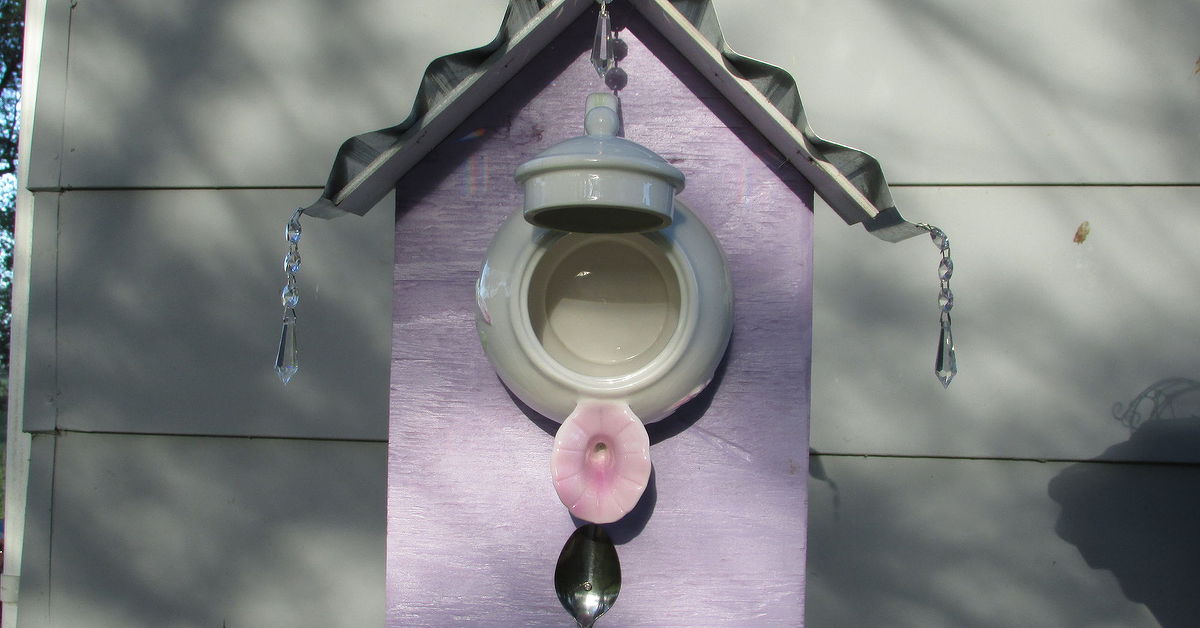
A tea pot bird house sounds like the kind of idea that was born during a charming afternoon in the garden with a biscuit, a paintbrush, and one dangerous sentence: “You know what this old teapot needs?” On paper, it is delightful. In the yard, it can be delightful too. But there is a tiny plot twist. Birds are not interior designers. They do not care that your floral porcelain looks fabulous beside the hydrangeas. They care about safety, shade, airflow, drainage, protection from predators, and whether the entrance says “cozy starter home” instead of “cute ceramic oven.”
That is exactly why a great tea pot bird house blends style with solid birdhouse basics. The best version is never just decorative fluff dangling from a hook like a garden earring. It is a thoughtfully designed nesting space that respects how cavity-nesting birds actually live. When done right, a teapot bird house can become an imaginative garden feature, a conversation starter, and a functional habitat for small backyard birds. When done wrong, it becomes what birds would probably describe as “a suspicious lump with commitment issues.”
This guide walks through what makes a tea pot bird house work, which birds might actually use one, how to design it safely, where to place it, and how to keep it looking whimsical without forgetting the practical details that matter most.
Why a Tea Pot Bird House Is So Appealing
There is a reason people love the idea of turning an old teapot into a bird house. It feels creative, nostalgic, and just a little magical. A chipped vintage teapot that no longer belongs on a breakfast table suddenly gets a second life in the garden. Instead of collecting dust in a cabinet, it becomes part sculpture, part wildlife feature, and part backyard personality.
A tea pot bird house also fits beautifully into cottage gardens, whimsical landscapes, pollinator patches, and upcycled outdoor decor schemes. It pairs naturally with climbing roses, weathered fences, herb beds, and old-fashioned yard accents. If your garden style leans toward “storybook but with decent drainage,” this project makes perfect sense.
Still, the smartest tea pot bird house owners know one important truth: birds are picky for good reasons. A novelty shape is not enough. The structure has to feel secure, stable, and properly sized. The decorative value gets human applause. The functional value gets actual birds.
The Big Question: Can a Real Teapot Work as a Bird House?
Yes, but not every teapot should. That distinction matters.
A purely decorative teapot hanging from its handle may look adorable, but many real teapots were never designed to serve as safe nesting cavities. Ceramic can heat up in strong sun. Metal can heat up even faster. Some teapots are too small inside. Others are difficult to clean. Many lack ventilation, drainage, predator protection, and a secure mounting system. If they sway in the wind, birds may avoid them entirely. If water collects inside, they may avoid them for an even better reason.
That does not mean the idea is bad. It means the best tea pot bird house is usually a hybrid. Instead of forcing a decorative object to do a full-time birdhouse job alone, you adapt it so the teapot adds charm while a more bird-friendly structure provides the real nesting environment.
The Best Approach: A Teapot-Inspired Hybrid
The most practical design is a teapot attached to or built around a small wooden nest box. In this setup, the teapot becomes the visual star, while the wood chamber handles the hard work: insulation, ventilation, drainage, and easier maintenance. This approach preserves the whimsy without asking a fragile antique to become a miracle condo.
If you are set on using the actual teapot body as the nest chamber, choose one that is roomy, thick, stable, and easy to modify safely. Even then, placement and ventilation become especially important.
How to Design a Tea Pot Bird House That Birds Might Actually Use
1. Choose the Right Teapot
Start with size. Tiny decorative teapots may be cute, but many are simply too cramped for nesting. A better choice is a medium or large teapot with enough internal space for a small cavity nester. Avoid hairline cracks, razor-sharp chips, unstable lids, or glazed surfaces that are flaking. If the piece is sentimental or valuable, consider using a replica instead of risking damage outdoors.
Ceramic is usually a better visual fit than metal, but it still needs shade and careful placement. If the teapot is dark in color, it may absorb more heat. Lighter, neutral exteriors are often a better choice for outdoor nesting structures. Keep the interior unfinished and free of glossy coatings, fillers, or decorative extras that reduce usable space.
2. Match the Entrance to the Bird, Not the Vibe
One of the most important details in any bird house is the entrance hole size. That one measurement influences who can enter, who stays out, and whether the house feels safe. Small species such as wrens and chickadees generally need smaller openings than bluebirds or swallows. A one-size-fits-all opening is like advertising an apartment for “whoever fits.” Nature tends to make that chaotic.
If your tea pot bird house is relatively compact, target small native cavity nesters. House wrens often use openings around 1 inch. Chickadees commonly do well with openings around 1 1/8 inches. Slightly larger cavity nesters may need larger entrance diameters and deeper boxes, which many teapots cannot provide comfortably. In most cases, a tea pot bird house is better suited to smaller birds than to larger nesting species.
3. Add Drainage and Ventilation
This is the part where whimsy meets reality. Rain happens. Heat happens. Condensation happens. A functional bird house needs a way for water to drain and fresh air to circulate. Add drainage holes at the bottom if the structure allows safe modification. Ventilation near the top is also important, especially if the teapot is ceramic and exposed to warm conditions.
If you cannot safely add both drainage and ventilation, the teapot is better used as decorative garden art than as an active nesting site. Pretty is nice. Preventing soggy chicks is nicer.
4. Skip the Perch
A perch may seem like a thoughtful little front porch, but birds that use nesting cavities do not need one. In fact, exterior perches can help predators or aggressive competitors. A clean, simple entrance is usually better.
5. Keep the Interior Safe and Simple
Do not stuff the teapot with fabric, cotton fluff, dryer lint, ribbon, plastic string, or mystery craft material that looks cute in a photo and regrettable in real life. Most cavity-nesting birds bring in their own nesting materials. The inside should be clean, dry, and appropriately textured so young birds can grip and climb when it is time to fledge.
6. Make It Easy to Clean
Any bird house is better when you can inspect and clean it safely between seasons. This is another reason hybrid designs win. A teapot with no clean-out access is charming until you remember that “bird parenthood” eventually includes maintenance. If possible, build the back or base so it opens. If not, think carefully before using it as a real nest box.
Where to Put a Tea Pot Bird House
Location can make or break occupancy. Even the best-designed bird house may sit empty if the placement is wrong.
Favor Morning Light, Avoid Harsh Afternoon Heat
A good general rule is to orient the entrance away from intense afternoon sun. In many yards, an east-facing or northeast-facing position works well because it gets gentler morning light and avoids the hottest part of the day. This matters even more with ceramic and metal materials, which can become uncomfortable fast in direct summer sun.
Mount It Securely
A swinging teapot may look poetic, but birds often prefer a stable cavity that does not wobble every time the breeze remembers it exists. Mount the structure firmly to a post, wall, or wooden backing rather than letting it dangle loosely by the handle. Stability suggests safety. Swaying suggests a questionable life decision.
Give Birds Some Cover, But Not an Ambush Zone
Many small birds appreciate nearby shrubs or trees for cover, but you do not want branches so close that cats, snakes, squirrels, or raccoons can use them as launching pads. The sweet spot is a location that feels sheltered without becoming a predator buffet.
Keep It Away From Busy Feeders
A nesting site is not the same thing as a lunch line. Heavy feeder traffic can increase competition and disturbance near a bird house. A little space between the nesting area and your feeding station often works better for everyone involved.
Which Birds Are Most Likely to Use a Tea Pot Bird House?
Not every backyard bird wants a bird house. Cardinals, robins, and hummingbirds are not browsing the real-estate market for enclosed teapots. A tea pot bird house is most relevant to small cavity-nesting birds, especially in garden settings.
Good Candidates
- House wrens: These birds are famous for using unusual cavities and can be surprisingly open-minded about quirky structures.
- Chickadees: When the dimensions, entrance size, and placement are right, they may use compact, secure nest boxes.
- Some nuthatches or titmice: Only if the design matches their needs and your region supports them.
Less Ideal Candidates
- Bluebirds: They usually prefer more standard box dimensions and open habitat, so a small decorative teapot is often not the best match.
- Larger cavity nesters: Most need more internal room and more substantial construction than a novelty teapot can comfortably offer.
If your goal is actual bird use rather than purely decorative charm, it helps to decide on a target species first and then build around its needs. Birds do not reward aesthetic ambition alone. They reward competent architecture.
How to Make It Beautiful Without Making It Silly
A tea pot bird house can absolutely be stylish. The trick is to keep the outside fun and the inside sensible.
Design Ideas That Work
- Mount a floral ceramic teapot onto a cedar backboard for a cottage-garden look.
- Use the lid as a decorative roof accent only if it is fixed securely and does not trap heat or water.
- Pair the bird house with native flowers and soft, natural colors rather than bright synthetic trim.
- Use weather-resistant hardware in muted finishes so the structure feels intentional instead of improvised.
- Display extra teacups nearby as planters or ornaments, leaving the actual bird house uncluttered and functional.
Paint only the exterior accents if needed, and keep finishes low-odor and weather appropriate. Avoid painting the interior or the rim of the entrance hole. The birds are moving into a home, not auditioning for a maximalist theater set.
Common Mistakes That Ruin a Cute Idea
- Using a teapot that is too small: If the cavity is cramped, birds may ignore it.
- Letting it swing freely: Decorative movement is not the same thing as structural comfort.
- No ventilation or drainage: This is the biggest functional failure in novelty bird houses.
- Adding a perch: Looks sweet, helps trouble.
- Placing it in full blazing sun: Particularly risky with ceramic and metal.
- Putting it too close to predators: Nearby branches, fences, and climbing routes matter.
- Choosing looks over species fit: A tea pot bird house should still be a bird house first.
Maintenance Matters More Than People Expect
Once nesting season is over and you are sure the house is no longer active, clean it out. Old nesting material can hold moisture, mites, and debris. Check hardware, make sure drainage holes are open, and inspect for cracks or sharp edges. If the teapot has weathered badly, retire it gracefully. Better a retired garden relic than a hazardous rental unit.
It is also wise to review the house every spring before birds begin scouting. Make sure the mounting is still secure, the entrance is unobstructed, and the area around it has not changed in a way that invites predators or overheating. Good bird housing is not difficult, but it does reward consistency.
of Real-World Experience With a Tea Pot Bird House
The most interesting thing about living with a tea pot bird house is how quickly it changes from a craft project into a tiny daily drama. At first, most people install one because it looks charming. They picture compliments from neighbors, a few lovely photos, maybe a whimsical corner of the garden that feels more “finished.” Then something unexpected happens: you start paying attention. You notice which direction the morning light hits the teapot. You notice whether it moves in the wind. You notice which shrubs nearby rustle at dawn and which birds actually come close enough to inspect the entrance. In other words, the object stops being static decor and becomes part of a living system.
One common experience is surprise at how cautious birds are. People often assume that if a bird house is adorable, birds will line up like eager tenants at an open house. Real life is slower. A chickadee may land nearby for a second, glance in, and leave as if it has seen something mildly concerning about the plumbing. A wren may investigate three times in one morning and then disappear for a week. This waiting period teaches patience. It also teaches that success is usually less about luck and more about details. A small shift in placement, a more stable mount, or extra afternoon shade can make the structure feel dramatically more acceptable to wildlife.
Another experience people often report is that the tea pot bird house changes how they relate to the rest of the yard. Once the house goes up, the surrounding habitat suddenly matters more. Bare patches start to feel too exposed. Dense shrubs start to look useful. A birdbath that seemed optional now feels like smart neighborhood planning. Native plants become more appealing because they support the insects many nesting birds actually need. The house becomes a gateway project. You begin with one quirky upcycled object and end up thinking like a habitat designer.
There is also a practical lesson in humility. Decorative projects often encourage a “how cute can I make it?” mindset. Birds encourage a “how safe can I make it?” mindset. That shift is healthy. It does not remove the joy. It deepens it. The best tea pot bird house experiences usually come from people who accept that function is part of the beauty. Once they stop adding unnecessary doodads and start improving drainage, ventilation, and mounting, the whole piece becomes more successful. Ironically, it often looks better too. Cleaner. Simpler. More intentional.
And then there is the emotional side. Watching a small wild bird inspect something you built or restored feels oddly rewarding. It is quiet proof that the garden is becoming more than a backdrop. Even if no nest appears that first season, the project still has value. It teaches observation, patience, and respect for how wildlife actually chooses a home. If a bird finally does move in, the tea pot bird house stops being a novelty altogether. It becomes a little landmark in your memory, the one object in the garden that made you laugh, made you learn, and made you look outside more often.
Conclusion
A tea pot bird house can be charming, functional, and genuinely helpful to backyard birds, but only when the design respects what birds need most. That means proper entrance sizing, ventilation, drainage, secure mounting, thoughtful placement, and a realistic match between the structure and the species you hope to attract. In most cases, the smartest path is a hybrid design that uses the teapot for character and a bird-safe cavity for the actual nesting space.
If you approach the project with both creativity and care, you do not have to choose between whimsy and wildlife. You can have a garden feature that makes humans smile and birds feel at home. That is the sweet spot. Not just pretty. Not just practical. A tiny house with actual standards.