

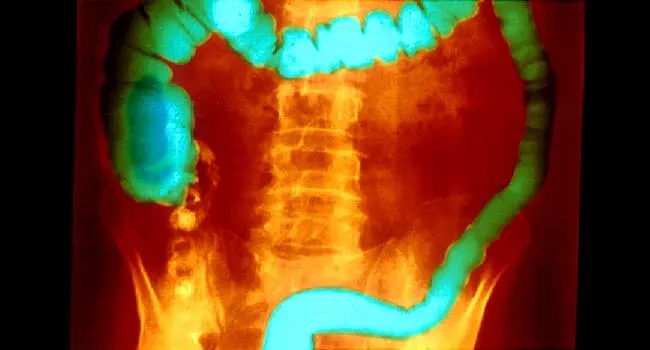
Note: This article is for general education only and is not a substitute for medical advice, diagnosis, or treatment. Anyone with rectal bleeding, ongoing diarrhea, severe abdominal pain, fever, dehydration, or unexplained weight loss should contact a healthcare professional promptly.
Ulcerative colitis pictures can be helpful because UC is not always easy to understand from symptoms alone. A person may say, “My stomach hurts,” or “I keep running to the bathroom,” but those words do not fully show what is happening inside the colon. Ulcerative colitis, often called UC, is a chronic inflammatory bowel disease that affects the inner lining of the colon and rectum. In simple terms, the colon becomes inflamed, irritated, and ulceratedbasically, the digestive system starts acting like it has received a strongly worded complaint from the immune system.
Pictures, diagrams, colonoscopy images, stool-change illustrations, and comparison graphics can help readers recognize possible warning signs of UC and understand how it differs from Crohn’s disease. However, no picture can diagnose ulcerative colitis by itself. UC can mimic infections, hemorrhoids, irritable bowel syndrome, food intolerance, and other digestive conditions. A proper diagnosis usually requires medical history, lab tests, stool tests, colonoscopy, biopsy, and sometimes imaging.
This guide explains what ulcerative colitis may look like, which warning signs deserve attention, how UC differs from Crohn’s disease, and what real-life experiences often feel like for people trying to manage symptoms without letting their bathroom schedule become their social director.
What Is Ulcerative Colitis?
Ulcerative colitis is one of the two main types of inflammatory bowel disease, or IBD. The other major type is Crohn’s disease. UC causes long-lasting inflammation and ulcers in the lining of the large intestine. It usually starts in the rectum and may spread upward through part or all of the colon in a continuous pattern.
That “continuous pattern” matters. In ulcerative colitis, inflammation typically does not skip around. It begins at the rectum and moves upward without normal patches between inflamed areas. Crohn’s disease, by contrast, can affect any part of the digestive tract from the mouth to the anus and often appears in patchy “skip lesions,” where diseased tissue sits next to healthy tissue.
UC symptoms often come and go. During remission, a person may feel mostly normal. During a flare, symptoms may return with a vengeance: diarrhea, blood in the stool, urgency, abdominal cramps, fatigue, and the unsettling feeling that the bathroom has become a second office.
Why People Search for Ulcerative Colitis Pictures
People search for ulcerative colitis pictures for many reasons. Some want to compare symptoms. Others are trying to understand a recent diagnosis. Some are caregivers, parents, or partners who want to know what to watch for. Visuals can make a complicated condition easier to understand, especially when medical words start sounding like they were invented during a spelling bee.
Helpful Types of UC Pictures
Several types of images may help explain ulcerative colitis:
- Colon diagrams: These show where the rectum, sigmoid colon, left colon, and entire colon are located.
- Colonoscopy images: These may show redness, swelling, bleeding, ulcers, and fragile tissue in the colon lining.
- Stool appearance illustrations: These can help explain blood, mucus, watery diarrhea, or changes in consistency.
- UC vs. Crohn’s comparison charts: These highlight location, depth of inflammation, symptom patterns, and complications.
- Extraintestinal symptom images: These may show eye redness, skin lesions, mouth ulcers, or swollen joints linked with IBD.
Still, visual comparison has limits. Blood in stool can happen for many reasons, from hemorrhoids to infections to colorectal disease. Mucus may occur with inflammation but can also appear with other bowel issues. A colonoscopy image can look alarming to non-experts, but interpretation belongs to trained clinicians.
Warning Signs of Ulcerative Colitis
Ulcerative colitis symptoms can range from mild to severe. Some people notice gradual changes, while others feel as if their digestive system suddenly threw a surprise party and forgot to invite comfort.
1. Bloody Diarrhea
One of the classic warning signs of ulcerative colitis is diarrhea with blood. The blood may appear bright red, dark red, or mixed into loose stool. UC causes inflammation and tiny ulcers in the colon lining, which can bleed. Some people also notice mucus or pus.
Occasional minor bleeding may be caused by hemorrhoids, but repeated bloody diarrhea should never be brushed off. If blood appears with urgency, cramping, fatigue, fever, or weight loss, it deserves medical evaluation.
2. Urgency and Frequent Bowel Movements
Urgency means a person suddenly feels they must have a bowel movement right away. In UC, urgency can be intense because inflammation often begins in the rectum, the area that helps signal when stool is ready to pass. When that tissue is inflamed, it may send false alarms or emergency-level alerts.
Some people may need to use the bathroom many times a day during a flare. In severe cases, the number can climb dramatically. This is not ordinary “I had too much coffee” urgency. It can affect work, school, travel, sleep, and confidence.
3. Tenesmus: The “Still Need to Go” Feeling
Tenesmus is the feeling that the bowel has not fully emptied, even after a bowel movement. It can involve straining, rectal pressure, pain, or repeated bathroom trips with little stool passed. Tenesmus is especially common when UC affects the rectum.
It is one of those symptoms that sounds small until someone lives with it. Imagine your body repeatedly announcing “final call” when the plane has already left. That is tenesmus in a nutshell.
4. Abdominal Pain and Cramping
UC-related pain often occurs in the lower abdomen, though the location may vary depending on which part of the colon is inflamed. Cramps may worsen before a bowel movement and improve afterward. During flares, pain may be joined by bloating, gas, nausea, and loss of appetite.
5. Fatigue and Anemia
Fatigue in ulcerative colitis is not just “I stayed up too late watching one more episode.” It can come from inflammation, poor sleep, blood loss, anemia, dehydration, nutritional problems, or the stress of managing unpredictable symptoms.
Anemia may develop when chronic bleeding reduces red blood cells or iron levels. Signs can include weakness, dizziness, shortness of breath, pale skin, headaches, and feeling unusually worn out.
6. Weight Loss and Poor Appetite
Some people with active UC lose weight because eating triggers cramps, diarrhea, or urgency. Others lose weight because inflammation affects appetite and energy needs. Unexplained weight loss should be discussed with a healthcare provider, especially when paired with blood in stool, fever, or persistent diarrhea.
7. Fever, Dehydration, and Severe Symptoms
Fever can signal significant inflammation or infection. Dehydration may happen when diarrhea is frequent, especially if a person cannot keep fluids down. Warning signs include dizziness, dry mouth, dark urine, rapid heartbeat, confusion, or extreme weakness.
Severe abdominal pain, ongoing vomiting, heavy bleeding, high fever, or signs of dehydration require urgent medical attention. Rare but serious complications, such as toxic megacolon, severe bleeding, or perforation, can become life-threatening.
What UC May Look Like Inside the Colon
In medical images, ulcerative colitis may show a colon lining that looks red, swollen, fragile, and ulcerated. Doctors may describe the tissue as inflamed, granular, friable, or bleeding easily. In mild disease, inflammation may be limited to the rectum. In more extensive disease, it can involve the left side of the colon or the entire colon.
Common Visual Patterns
- Ulcerative proctitis: Inflammation is limited to the rectum. Symptoms often include rectal bleeding, urgency, and tenesmus.
- Left-sided colitis: Inflammation extends from the rectum into the left side of the colon. Symptoms may include bloody diarrhea, cramps, and weight loss.
- Pancolitis: Inflammation affects the entire colon. Symptoms may be more severe and include frequent diarrhea, fatigue, abdominal pain, and higher complication risk.
Pictures can show the “where,” but symptoms and test results help tell the “how serious.” A small area of inflammation may cause major urgency if the rectum is involved, while extensive inflammation may increase risks that need closer monitoring.
Ulcerative Colitis vs. Crohn’s Disease: Key Differences
Ulcerative colitis and Crohn’s disease are both forms of inflammatory bowel disease. They share symptoms such as diarrhea, abdominal pain, fatigue, and weight loss. But they are not the same condition.
Location of Inflammation
Ulcerative colitis affects only the colon and rectum. Crohn’s disease can affect any part of the gastrointestinal tract, including the mouth, esophagus, stomach, small intestine, colon, rectum, and anus.
Pattern of Inflammation
UC usually causes continuous inflammation starting at the rectum and moving upward. Crohn’s often causes patchy inflammation with healthy tissue between affected areas.
Depth of Inflammation
Ulcerative colitis usually affects the innermost lining of the colon. Crohn’s disease can involve deeper layers of the bowel wall. This deeper inflammation is one reason Crohn’s is more strongly associated with strictures, fistulas, and abscesses.
Common Complications
UC may increase the risk of severe bleeding, anemia, dehydration, toxic megacolon, and colorectal cancer, especially when disease is long-lasting or extensive. Crohn’s disease may cause bowel narrowing, obstruction, fistulas, abscesses, malabsorption, and perianal disease.
Surgery Differences
Because UC is limited to the colon and rectum, removing the colon and rectum can eliminate colonic disease, though surgery is a major decision and may involve life-changing adjustments. Crohn’s can return in other parts of the digestive tract after surgery, so surgery is not considered curative in the same way.
How Doctors Diagnose Ulcerative Colitis
Doctors do not diagnose UC from pictures alone. Diagnosis usually combines symptoms, medical history, physical examination, blood tests, stool tests, colonoscopy or sigmoidoscopy, biopsies, and sometimes imaging.
Blood and Stool Tests
Blood tests may check for anemia, inflammation, infection, and nutritional concerns. Stool tests can help rule out infections and may measure inflammatory markers. These tests help narrow the possibilities, but they usually cannot confirm UC by themselves.
Colonoscopy and Biopsy
Colonoscopy is a key test for ulcerative colitis. It allows a doctor to look directly at the colon lining and take tiny tissue samples called biopsies. Biopsies help confirm inflammation patterns and rule out other conditions.
Imaging Tests
CT scans, MRI, or other imaging may be used when doctors need to evaluate complications or distinguish UC from Crohn’s disease. Imaging can be especially useful when symptoms are severe or diagnosis is unclear.
Treatment Options for UC
Ulcerative colitis treatment aims to reduce inflammation, control symptoms, heal the colon lining, prevent flares, and improve quality of life. The right plan depends on disease severity, location, past treatment response, overall health, and patient preferences.
Medications
Common UC treatments may include aminosalicylates, corticosteroids for short-term flare control, immunomodulators, biologic therapies, and small-molecule medicines. Doctors often use stronger therapies for moderate to severe disease or when earlier treatments do not work well enough.
Corticosteroids can be effective during flares, but they are not ideal for long-term maintenance because of potential side effects. Many modern treatment plans focus on achieving remission and maintaining it with steroid-sparing options.
Nutrition and Lifestyle Support
No single diet cures ulcerative colitis, and food triggers vary. During flares, some people tolerate low-fiber, bland, or softer foods better. During remission, a balanced diet can support energy, nutrients, and overall health. Hydration is especially important when diarrhea is active.
Stress does not “cause” UC, but stress can worsen symptoms for some people. Sleep, gentle movement, medication consistency, and flare planning can all help. The goal is not to become a wellness robot. The goal is to build routines that make real life more manageable.
Surgery
Surgery may be considered when medications do not control disease, complications develop, precancerous changes appear, or quality of life is severely affected. Surgical options vary, and decisions should be made with a gastroenterologist and colorectal surgeon.
When to Call a Doctor
Contact a healthcare provider if you have ongoing diarrhea, blood in stool, persistent abdominal pain, unexplained weight loss, fever, fatigue, or urgency that disrupts daily life. Seek urgent care for heavy rectal bleeding, severe abdominal pain, signs of dehydration, persistent vomiting, fainting, confusion, or a high fever.
It is also important to call a doctor if symptoms suddenly worsen after seeming stable. UC can flare unexpectedly, and early treatment may prevent complications.
Living With UC: Practical Tips That Actually Help
Living with ulcerative colitis often means learning your personal patterns. Many people track symptoms, foods, stress, sleep, medications, and bathroom frequency. A symptom diary may not sound glamorous, but neither does guessing what caused a flare while clutching a heating pad like it is a family heirloom.
Helpful Everyday Strategies
- Keep medications organized and take them as prescribed.
- Carry a small emergency kit with wipes, spare underwear, medication, and a change of clothes when needed.
- Know bathroom locations before long drives, flights, or events.
- Stay hydrated, especially during diarrhea.
- Discuss vaccines, bone health, anemia, and cancer screening with your care team.
- Avoid starting supplements or anti-inflammatory products without medical guidance.
Most importantly, do not ignore symptoms out of embarrassment. Gastroenterologists talk about bowel movements all day. To them, stool details are not awkward; they are data. Very specific, very useful data.
Experiences Related to Ulcerative Colitis Pictures, Warning Signs, and Crohn’s Differences
For many people, the journey toward an ulcerative colitis diagnosis begins with confusion. They may first notice a little blood and assume it is hemorrhoids. Then diarrhea becomes more frequent. Then urgency starts shaping the day. A normal morning routine turns into a careful strategy: wake up early, stay near a bathroom, skip breakfast before commuting, and hope the body behaves like a polite guest instead of a fire alarm.
This is where pictures and visual explanations can be surprisingly helpful. A diagram showing inflammation beginning in the rectum can make symptoms like urgency and tenesmus finally make sense. A comparison chart between ulcerative colitis and Crohn’s disease can reduce fear by clarifying why doctors ask so many detailed questions. A colonoscopy image may be uncomfortable to look at, but it can also validate what someone has been feeling: the pain and bleeding are not imaginary, dramatic, or “just stress.”
A common experience is delayed recognition. Some people normalize symptoms because digestive issues are easy to explain away. “Maybe it was spicy food.” “Maybe I caught a bug.” “Maybe my stomach is just sensitive.” But UC symptoms often form a pattern: blood, mucus, urgency, nighttime bowel movements, fatigue, and repeated diarrhea. When symptoms interrupt sleep or daily activities, that is a strong sign the body is asking for more than peppermint tea and optimism.
Another real-life challenge is explaining UC to others. Because it is often invisible, friends or coworkers may not understand why someone cancels plans, avoids long car rides, or seems tired after “just a stomach problem.” Visual education can help here, too. A simple picture showing inflamed colon lining can communicate what words sometimes cannot. UC is not ordinary indigestion. It is a chronic inflammatory condition that can affect energy, mood, work, relationships, nutrition, and confidence.
People comparing UC with Crohn’s disease often feel overwhelmed because both conditions share symptoms. The easiest way to remember the difference is this: ulcerative colitis stays in the colon and rectum and usually affects the inner lining in a continuous pattern; Crohn’s disease can occur anywhere in the digestive tract, may skip areas, and can go deeper into the bowel wall. That difference helps explain why Crohn’s is more associated with fistulas and strictures, while UC is more closely tied to continuous rectal bleeding, urgency, and colon-related complications.
The emotional experience matters as much as the physical one. People with UC may feel embarrassed, anxious, frustrated, or isolated. They may worry about accidents, colonoscopy results, medication side effects, or whether symptoms will return during an important event. A practical care plan can restore a sense of control. So can honest conversations with doctors, support groups, registered dietitians, therapists, and trusted loved ones.
One helpful mindset is to treat UC management like weather planning. You cannot control every storm, but you can check the forecast, carry an umbrella, and know where to find shelter. In UC terms, that means recognizing warning signs, following treatment, keeping appointments, planning ahead, and asking for help early. Pictures may start the learning process, but long-term confidence comes from understanding your own body and working with a care team that takes symptoms seriously.
Conclusion
Ulcerative colitis pictures can help explain what UC may look like, but they are only one piece of the puzzle. The most important warning signs include bloody diarrhea, urgency, tenesmus, abdominal cramps, fatigue, weight loss, fever, and dehydration. UC differs from Crohn’s disease mainly in location, pattern, and depth of inflammation: UC affects the colon and rectum in a continuous pattern, while Crohn’s can affect any part of the digestive tract and often appears in patches.
If you notice symptoms that suggest ulcerative colitis, do not rely on pictures or online comparison alone. Medical evaluation is the safest next step. With the right diagnosis and treatment plan, many people with UC can reduce flares, protect colon health, and live active, full lives. The colon may be dramatic, but it does not get to be the main character forever.