

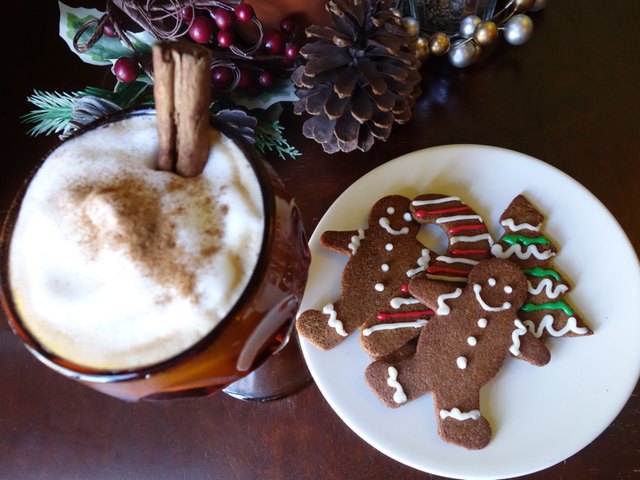
There are holiday cookies, and then there are gingerbread cookies: the tiny, spicy celebrities of the cookie tray. They show up smelling like cinnamon, ginger, and cozy sweaters, and somehow everyone forgives them for being shaped like tiny people. But traditional gingerbread cookies usually arrive with two party crashers: wheat flour and a generous amount of sugar. Delicious? Absolutely. Friendly for gluten-free and low-carb eaters? Not so much.
The good news is that a gluten-free, low-carb gingerbread cookie can still taste like the real deal. It can be warmly spiced, lightly crisp at the edges, tender in the middle, sturdy enough for cookie cutters, and festive enough to make your kitchen smell like a snow globe. The secret is not simply swapping wheat flour for almond flour and hoping for Christmas magic. The best result comes from building the dough with the right flour blend, sweetener, fat, moisture, chilling time, and spice balance.
This recipe is designed for people who want classic gingerbread flavor without traditional flour or a sugar-heavy dough. It uses blanched almond flour for richness, a little coconut flour for structure, a brown sugar-style low-carb sweetener for depth, and a tiny touch of molasses for that old-fashioned gingerbread aroma. The molasses is optional, but it makes the cookies taste more nostalgic. Think “grandma’s cookie tin,” not “cardboard wearing cinnamon perfume.”
Why This Gluten-Free, Low-Carb Gingerbread Cookie Recipe Works
Gluten-free baking is not just regular baking wearing a different hat. Wheat flour contains gluten, which helps dough stretch, bind, and hold shape. When you remove gluten, you need another strategy. Almond flour brings fat, moisture, and a soft crumb, but it does not behave like all-purpose flour. Coconut flour is extremely absorbent, so a small amount can help firm the dough without making the cookies dry. The combination gives these low-carb gingerbread cookies enough body to roll and cut while keeping the texture pleasant.
The sweetener matters, too. Granulated erythritol-based sweeteners can sometimes create a cooling effect or a slightly crunchy texture. Allulose blends tend to brown more easily and keep cookies softer. Monk fruit blends vary by brand, but brown sugar-style versions are especially useful in gingerbread because they mimic some of the caramel notes that brown sugar usually provides. For the best flavor, choose a brown low-carb sweetener that measures cup-for-cup like sugar.
Finally, chilling the dough is non-negotiable. Warm almond flour dough can be sticky, delicate, and dramatic, like a toddler who skipped nap time. Chilling lets the fat firm up and gives the flours time to hydrate, which makes rolling easier and helps the cookies keep their shape in the oven.
Ingredients for the Best Gluten-Free, Low-Carb Gingerbread Cookies
Dry Ingredients
- 2 cups blanched almond flour, finely ground
- 2 tablespoons coconut flour
- 1/2 cup brown sugar-style monk fruit or allulose sweetener
- 2 teaspoons ground ginger
- 1 1/2 teaspoons ground cinnamon
- 1/4 teaspoon ground cloves
- 1/4 teaspoon ground nutmeg
- 1/4 teaspoon allspice
- 1 teaspoon gluten-free baking powder
- 1/4 teaspoon xanthan gum, optional but helpful for roll-out cookies
- 1/4 teaspoon fine sea salt
Wet Ingredients
- 1/4 cup unsalted butter, softened
- 1 large egg, room temperature
- 1 tablespoon unsulphured molasses, optional but recommended
- 1 teaspoon pure vanilla extract
Optional Decoration
- Powdered low-carb sweetener for dusting
- Sugar-free icing made with powdered sweetener and a few drops of milk or lemon juice
- Chopped pecans or walnuts
- Unsweetened coconut flakes for a snowy look
Step-by-Step Instructions
1. Whisk the Dry Ingredients
In a medium bowl, whisk together the almond flour, coconut flour, low-carb sweetener, ginger, cinnamon, cloves, nutmeg, allspice, baking powder, xanthan gum, and salt. Break up any lumps in the almond flour or sweetener. This step matters because spices love to hide in little clumps, and nobody wants one cookie that tastes like a cinnamon candle while the next tastes like plain toast.
2. Cream the Butter
In a large bowl, beat the softened butter for about 30 seconds until smooth. Add the egg, molasses, and vanilla extract, then beat again until combined. The mixture may look slightly separated, especially if the egg is cold. That is normal. Almond flour dough is forgiving once the dry ingredients join the party.
3. Make the Dough
Add the dry ingredients to the wet ingredients and mix until a soft dough forms. At first, it may look crumbly. Keep mixing gently until it comes together. The dough should be soft but not wet. If it feels too sticky, let it rest for five minutes so the coconut flour can absorb moisture before adding anything else.
4. Chill the Dough
Shape the dough into a flat disk, wrap it tightly, and refrigerate for at least 45 minutes. For even better flavor and easier rolling, chill it for 2 hours. If you are baking during a busy holiday week, you can make the dough a day ahead and keep it refrigerated overnight.
5. Roll and Cut
Preheat the oven to 325°F. Line a baking sheet with parchment paper. Place the chilled dough between two sheets of parchment paper and roll it to about 1/4 inch thick. Cut into gingerbread people, stars, trees, circles, or whatever shape brings joy. A dinosaur-shaped gingerbread cookie is still gingerbread. It is just gingerbread with range.
6. Bake Carefully
Transfer the cut cookies to the prepared baking sheet. Bake for 9 to 11 minutes, or until the edges look set and lightly golden. Almond flour browns faster than wheat flour, so keep an eye on the cookies near the end. They will seem soft when they come out of the oven, but they firm up as they cool.
7. Cool Before Decorating
Let the cookies cool on the baking sheet for 10 minutes, then move them to a wire rack. Do not decorate warm cookies unless your goal is icing landslide art. Once completely cool, dust with powdered low-carb sweetener or pipe with sugar-free icing.
Recipe Snapshot
- Prep time: 20 minutes
- Chill time: 45 minutes
- Bake time: 9 to 11 minutes
- Total time: About 1 hour 15 minutes
- Yield: 22 to 26 small cookies
- Estimated net carbs: About 2 to 3 grams per cookie, depending on size, sweetener, and whether molasses is used
Tips for Perfect Gluten-Free, Low-Carb Gingerbread Cookies
Use Finely Ground Blanched Almond Flour
Almond meal is usually coarser and may include almond skins, which can make cookies gritty and darker. Finely ground blanched almond flour creates a smoother dough and cleaner cookie-cutter edges. For the best gluten-free gingerbread cookies, this is one ingredient worth choosing carefully.
Do Not Overuse Coconut Flour
Coconut flour is powerful. Two tablespoons may not look like much, but it absorbs liquid quickly. Adding too much can turn your cookie dough into spiced desert sand. If the dough seems soft, chill it first before adding extra flour.
Choose Spices That Still Smell Alive
Ground spices lose strength over time. If your ginger smells like dusty air and broken promises, replace it. Fresh ground ginger, cinnamon, cloves, and nutmeg are what make these cookies taste bold and festive without needing lots of sugar.
Keep the Dough Cold
If the dough warms up while you roll and cut it, slide it back into the refrigerator for 10 to 15 minutes. Cold dough gives sharper shapes and less spreading. This is especially important for gingerbread men, unless you are comfortable serving gingerbread blobs with strong personalities.
Roll Between Parchment
Low-carb doughs can be more delicate than wheat-based doughs. Rolling between parchment keeps the dough from sticking without adding extra flour. It also makes cleanup easier, which is a gift to your future self.
Flavor Variations
Soft Gingerbread Cookies
Roll the dough slightly thicker, about 1/3 inch, and bake for 8 to 9 minutes. Let the cookies cool completely before moving them. This version is tender, cozy, and excellent with coffee or tea.
Crisp Gingerbread Cookies
Roll the dough closer to 1/8 inch and bake until the edges are deeper golden, about 10 to 12 minutes. Leave the cookies in the turned-off oven with the door cracked for 5 minutes to help dry them slightly.
Orange Gingerbread Cookies
Add 1 teaspoon of fresh orange zest to the dough. Orange brightens the spices and gives the cookies a bakery-style flavor without extra carbs.
Chocolate-Dipped Gingerbread
Dip half of each cooled cookie in melted sugar-free dark chocolate. Sprinkle with chopped nuts before the chocolate sets. This variation looks fancy but requires almost no artistic talent, which is exactly the kind of holiday decorating many of us need.
How to Keep the Recipe Truly Gluten-Free
For people with celiac disease or strong gluten sensitivity, gluten-free baking is not only about skipping wheat flour. Check labels on baking powder, vanilla extract, spices, sweeteners, and decorative toppings. Choose products labeled gluten-free whenever possible. Also use clean utensils, parchment, and baking sheets to reduce cross-contact from wheat-based baking.
If your kitchen regularly handles regular flour, wipe counters thoroughly before starting. Wheat flour can linger on surfaces and in baking tools. A separate rolling pin, silicone mat, or cookie cutter set can be helpful for households that bake both traditional and gluten-free recipes.
Storage and Freezing
Store cooled cookies in an airtight container at room temperature for up to 4 days. For a softer texture, place a small piece of parchment between layers and avoid overbaking. For a crisper texture, store them loosely covered for the first few hours after baking, then seal them once fully cool.
You can also freeze the baked cookies for up to 2 months. Place them in a single layer until frozen, then transfer to a freezer-safe container. Thaw at room temperature before decorating. The dough also freezes well. Wrap it tightly, freeze for up to 2 months, and thaw overnight in the refrigerator before rolling.
Common Mistakes and How to Fix Them
The Dough Is Too Sticky
Chill it longer. If it is still sticky after chilling, sprinkle in 1 teaspoon of coconut flour and wait five minutes before judging the texture again.
The Cookies Spread Too Much
The dough was probably too warm, the butter was too soft, or the baking sheet was hot. Chill cut shapes for 10 minutes before baking and always use a cool baking sheet for each batch.
The Cookies Taste Flat
Add a pinch more salt, use fresher spices, or include the optional molasses. Low-carb sweeteners can taste less rounded than brown sugar, so spices and salt help build depth.
The Cookies Break Easily
Let them cool longer on the pan. Almond flour cookies are fragile when hot but become sturdier as they cool. If you move them too early, they may crack.
Experience Notes: What Baking These Cookies Teaches You
The first lesson of gluten-free, low-carb gingerbread baking is patience. The dough may not behave exactly like traditional gingerbread dough, and that is okay. It is softer at first, more delicate when rolled, and more dependent on chilling. But once you understand its personality, it becomes surprisingly easy to work with. Think of it as a festive dough that wants boundaries, a cold nap, and gentle handling.
One of the most helpful experiences is learning how the dough should feel. Right after mixing, it should be soft and slightly tacky, not dry and crumbly. After chilling, it should be firm enough to roll but not rock-hard. If it cracks around the edges while rolling, let it sit at room temperature for five minutes. If it sticks to the parchment, chill it again. This back-and-forth may sound fussy, but it quickly becomes instinctive.
Another practical lesson is that cookie size changes everything. Small gingerbread people bake quickly and stay neat. Larger shapes need slightly longer baking and more careful cooling. If you are making cookies for a party, test-bake two cookies first. One can be your “soft cookie” test, and the other can be your “crisp edge” test. This tiny experiment saves the whole batch from surprises.
Decorating is also where expectations meet reality. Sugar-free icing can be thinner than traditional royal icing, especially if made with too much liquid. Start with just a few drops of milk, cream, or lemon juice. Stir, wait, and adjust slowly. If the icing runs, add more powdered sweetener. If it clumps, add liquid one drop at a time. The goal is a thick paste that pipes smoothly, not a frosting flood that makes your gingerbread man look like he had a rough December.
Flavor improves with rest. These cookies taste good the day they are baked, but the spices become rounder after several hours. If you are serving them for a holiday gathering, bake them the day before and decorate them once fully cool. The ginger, cinnamon, cloves, and molasses settle into the almond flour, creating a deeper gingerbread flavor.
The biggest experience-based tip is to avoid comparing these cookies bite-for-bite with sugar-and-wheat gingerbread. They are their own excellent thing: buttery, spiced, lightly nutty, and satisfying without being overly sweet. When baked well, they do not taste like a compromise. They taste like a cookie that knows exactly what it is doing.
And yes, they pass the most important test: they make the kitchen smell incredible. That warm gingerbread aroma is half the joy. The other half is eating one while pretending you are only “checking the texture.” Quality control is a serious responsibility.
Conclusion
The best gluten-free, low-carb gingerbread cookies are not built on one magic ingredient. They come from balance: almond flour for richness, coconut flour for structure, warm spices for classic flavor, low-carb sweetener for sweetness, and enough chilling time to help the dough behave. With the right technique, these cookies can be rolled, cut, decorated, gifted, frozen, and proudly placed on any holiday dessert tray.
Whether you are baking for a gluten-free guest, following a low-carb lifestyle, or simply curious about a smarter holiday cookie, this recipe delivers the flavor people expect from gingerbread without relying on wheat flour or loads of sugar. It is festive, flexible, and fun enough to make every December feel a little more delicious.