

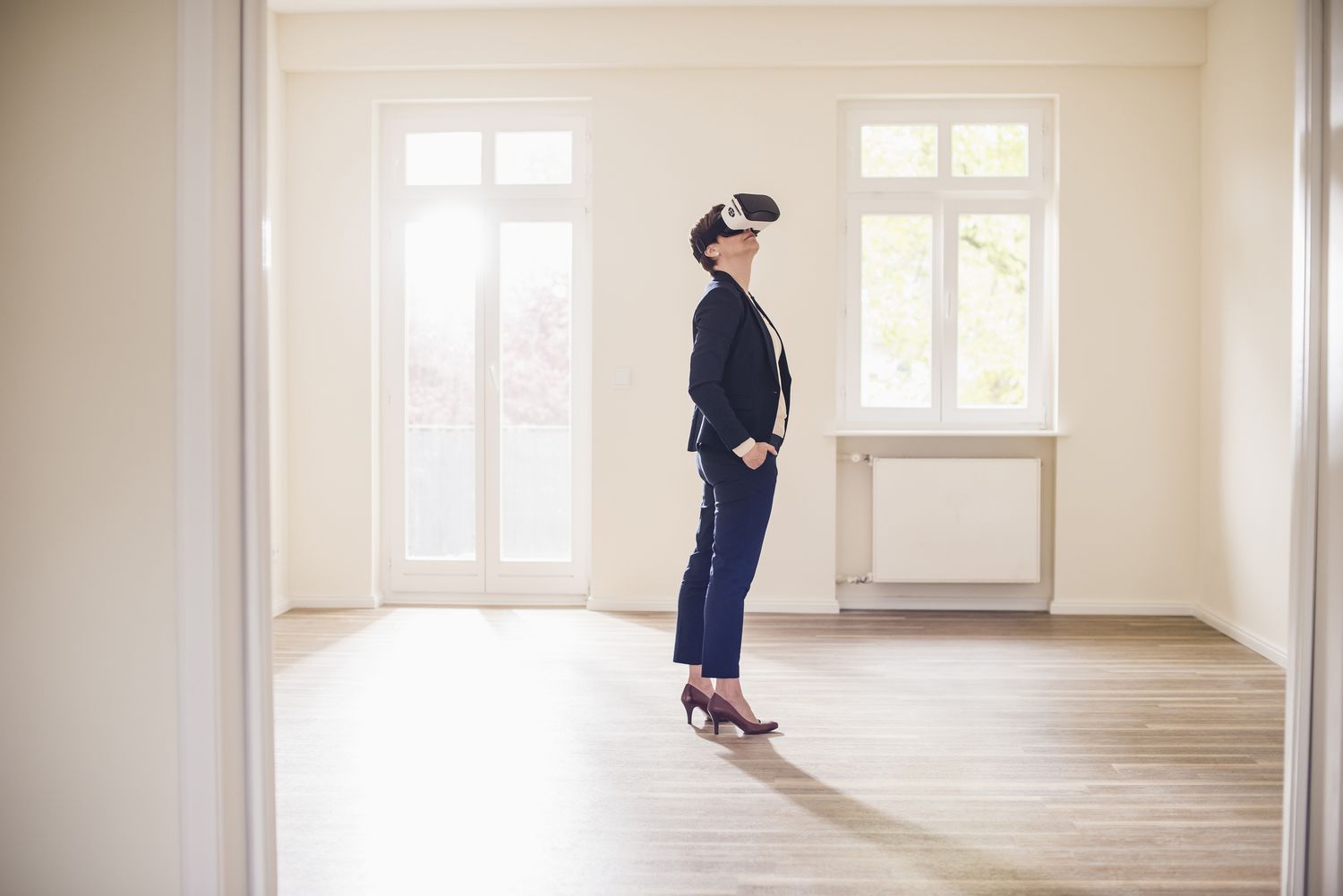
Buying a home has never been a tiny decision. It is part financial strategy, part emotional roller coaster, and part detective work. Before 2020, most buyers expected to walk through a property, open closets, stare suspiciously at the basement, and imagine where the couch would go. Then the pandemic arrived, and suddenly the simple act of touring a house became complicated. Masks, distancing rules, limited open houses, and health concerns changed the rhythm of real estate almost overnight.
That is where virtual reality, 3D walkthroughs, video tours, and remote showings stepped into the spotlight. VR did not replace the feeling of standing in a kitchen and testing whether the island is “snack-friendly,” but it gave homebuyers a practical way to explore properties safely. During the pandemic, virtual home tours became more than a fun tech feature. They became a bridge between buyers, sellers, and agents trying to keep the housing market moving while reducing unnecessary in-person contact.
Today, the phrase “VR lets homebuyers tour during pandemic” sounds like a snapshot of a specific moment in history. But the bigger story is about how real estate technology matured under pressure. What started as a safety solution quickly became a convenience tool, a marketing advantage, and a new expectation for many buyers.
How the Pandemic Changed Home Shopping
When COVID-19 restrictions began affecting daily life in 2020, traditional real estate practices faced a serious challenge. Open houses, crowded showings, and back-to-back buyer visits were suddenly risky or restricted in many areas. Sellers did not want streams of strangers walking through their homes. Buyers did not want to tour multiple houses in person unless they were truly serious. Agents had to follow local rules while still helping clients make major life decisions.
The result was a fast shift toward digital home shopping. Photos were no longer enough. A listing with ten carefully angled pictures could show the shiny parts of a home, but buyers wanted context. How does the living room connect to the kitchen? Is the third bedroom actually a bedroom, or is it a closet with ambition? Can the hallway handle normal human traffic, or must everyone turn sideways like a crab?
Virtual tours answered many of those questions. Instead of relying only on listing photos, buyers could move through a property digitally, look around rooms, examine layouts, and decide whether the home deserved a closer look. This helped reduce wasted showings and made the process safer for everyone involved.
What Is a VR Home Tour?
A VR home tour is a digital experience that allows buyers to explore a property remotely. The term can describe several types of technology, including 3D walkthroughs, 360-degree tours, video tours, livestream open houses, and virtual reality experiences viewed through a headset. In everyday real estate language, many people use “VR tour” broadly to mean any immersive online tour that gives buyers a stronger sense of the home than photos alone.
3D Walkthroughs
A 3D walkthrough lets buyers click or tap through a home room by room. Platforms such as Matterport helped popularize this experience by creating “digital twins” of properties. These tours often include smooth navigation, floor transitions, dollhouse views, and measurement tools. Buyers can revisit the home whenever they want, which is handy when they forget whether the dining room had enough space for Thanksgiving dinner or just enough space for emotional negotiations over folding chairs.
360-Degree Virtual Tours
A 360-degree tour uses panoramic images to let users look around from fixed points inside a property. It is less fluid than a full 3D model, but still much more informative than standard photos. Buyers can scan ceilings, floors, windows, and room corners, which is especially useful when trying to spot details that listing photos may politely avoid.
Agent-Led Video Tours
During the pandemic, many agents began offering live video tours through FaceTime, Zoom, Google Meet, or similar tools. This approach gave buyers the chance to ask questions in real time. They could request a closer look at the water heater, ask the agent to open a closet, or confirm whether the backyard slope was “gentle” or “future sledding accident.”
Why VR Became So Valuable During the Pandemic
VR and virtual tours solved several problems at once. They helped reduce physical exposure, supported buyers relocating from other cities, protected sellers from unnecessary foot traffic, and made listings more accessible. In a market where timing mattered, the ability to tour quickly from a laptop or phone became a genuine advantage.
Safety Came First
The most obvious benefit was health and safety. Virtual home tours allowed buyers to narrow their choices before scheduling an in-person visit. Instead of touring ten homes over a weekend, a buyer could review ten online and physically visit only the top two or three. That reduced contact for buyers, sellers, agents, inspectors, and anyone else involved in the process.
Buyers Could Move Faster
In competitive markets, speed matters. A buyer who can tour a home virtually the same day it hits the market may be able to act faster than someone waiting for an appointment. During the pandemic, when inventory was tight in many areas and homes could attract offers quickly, virtual access helped buyers stay in the game.
Relocation Became Easier
Remote work changed where many people wanted to live. Some buyers left dense city centers for suburbs, smaller towns, or homes with more space. Others moved closer to family or searched for properties with home offices. VR tours made long-distance home shopping more realistic. A buyer in Chicago could explore a home in Phoenix without booking a flight, packing hand sanitizer like survival gear, and hoping the listing looked as good in person as it did online.
How Virtual Tours Helped Sellers
Sellers also gained important benefits from virtual tours. A good 3D tour could make a listing stand out, attract more serious buyers, and reduce unnecessary interruptions. During the pandemic, this mattered because many sellers were working from home, supervising children’s remote learning, caring for relatives, or simply trying to keep life from turning into a group project with no instructions.
Virtual tours helped filter buyers. People who disliked the layout, bedroom sizes, or kitchen location could move on without scheduling a showing. That meant sellers were more likely to welcome visitors who had already studied the home and remained interested. For occupied homes, this was a major advantage.
Sellers also benefited from broader reach. A strong virtual tour could attract out-of-state buyers, investors, and relocating professionals. Instead of depending only on local traffic, listings became easier to evaluate from anywhere. In a pandemic market shaped by remote work and changing lifestyle priorities, that wider audience could make a real difference.
The Buyer Experience: Helpful, But Not Perfect
Virtual tours were powerful, but they were not magic. They helped buyers understand layout, flow, and finishes, but they could not fully capture smell, noise, natural light changes, neighborhood feel, or the exact vibe of a street. A house can look peaceful online and still sit near a road where trucks perform daily drum solos.
Smart buyers used VR as a screening tool rather than a complete replacement for due diligence. They combined virtual tours with property disclosures, neighborhood research, inspection reports, agent feedback, and, when possible, a final in-person visit. For buyers who made offers sight unseen, contingencies and inspections became especially important.
What VR Shows Well
VR tours are excellent for understanding floor plans. Buyers can see how rooms connect, whether the kitchen is open or closed, where bedrooms sit in relation to living areas, and whether the home has awkward transitions. This is difficult to judge from photos alone because listing photography is designed to flatter. A wide-angle lens can make a room look like a ballroom when it is actually one large dog bed away from full capacity.
What VR May Miss
Virtual tours may not reveal odors, humidity, traffic noise, neighbor activity, or small maintenance issues. They can also make spaces feel different depending on camera quality, lighting, staging, and editing. That is why buyers should treat VR as a strong first step, not the entire investigation.
Real Estate Agents Became Digital Guides
The pandemic pushed agents to become more comfortable with technology. A successful agent was no longer just someone who knew the market and negotiated well. They also had to know how to host a virtual open house, guide buyers through a video call, explain digital documents, and help clients compare homes remotely.
Many agents learned to narrate tours more carefully. Instead of saying, “Here is the kitchen,” they had to describe cabinet condition, appliance age, countertop material, storage space, light direction, and room flow. Good virtual showing skills became a competitive advantage.
Agents also became the buyer’s eyes, ears, and sometimes nose. A trustworthy agent could point out street noise, uneven flooring, signs of moisture, or unusual odors. That honesty mattered. In remote homebuying, buyers needed more than a camera operator. They needed an advocate.
How VR Changed Buyer Expectations
Before the pandemic, virtual tours were often seen as a nice bonus. After the pandemic, many buyers began expecting them. Listings without video, 3D tours, floor plans, or strong photography could feel incomplete. Buyers became less patient with vague listings, tiny photo galleries, and descriptions that said “must see” while showing exactly four images, three of which were of the same sink.
This expectation did not disappear when restrictions eased. Buyers discovered that virtual tours save time. Sellers discovered that they reduce casual traffic. Agents discovered that digital tools can make the process more efficient. The pandemic accelerated adoption, but convenience helped virtual tours stay relevant.
VR, Trust, and Transparency in Real Estate
One of the biggest lessons from pandemic-era homebuying is that technology works best when paired with transparency. A virtual tour should not be a highlight reel that hides every flaw. It should help buyers understand the property honestly. Clear visuals, accurate floor plans, detailed descriptions, and responsive agents build trust.
Buyers should be cautious if a listing avoids showing certain rooms, skips the basement, hides exterior angles, or provides no sense of layout. Sometimes there is a harmless reason. Other times, the missing room is missing for a reason, and that reason may have water stains.
Sellers and agents who embrace transparency often attract more qualified buyers. A realistic tour may discourage poor-fit shoppers, but it encourages serious ones. That is a better outcome than creating surprise and disappointment during an inspection.
Tips for Homebuyers Using VR Tours
Watch the Tour More Than Once
The first viewing is usually emotional. Buyers notice the kitchen, the fireplace, the backyard, and whether the home has “main character energy.” The second viewing should be analytical. Look at room sizes, storage, traffic flow, window placement, stairs, entry points, and possible furniture layouts.
Compare the Tour With the Floor Plan
If a floor plan is available, use it. A 3D tour shows the experience of moving through the home, while a floor plan shows proportion and structure. Together, they help buyers understand whether the home actually fits their lifestyle.
Ask for a Live Video Follow-Up
If a home looks promising, ask the agent for a live video walkthrough. Request close-ups of windows, flooring, appliances, mechanical systems, closets, the garage, exterior drainage, and any areas that look unclear. A live tour can answer questions that a polished 3D scan cannot.
Do Not Skip the Inspection
VR is useful, but it does not replace a professional home inspection. Buyers should still evaluate roofing, plumbing, electrical systems, HVAC equipment, foundation condition, moisture issues, pests, and safety concerns. The virtual tour can help you fall in love with a home. The inspection helps you avoid falling into a money pit wearing granite countertops.
Tips for Sellers Creating a Virtual Tour
Sellers who want an effective virtual tour should prepare the home carefully. Clean thoroughly, reduce clutter, open blinds, replace burned-out bulbs, and remove personal items where possible. The goal is not to make the home look fake. The goal is to make it easy for buyers to understand the space.
Good lighting matters. So does camera stability. A shaky video tour can make a charming bungalow feel like it was filmed during a mild earthquake. Professional 3D scans, quality photography, and clear narration can make the listing more attractive and easier to trust.
Sellers should also make sure the tour includes important practical spaces: laundry areas, closets, garage, basement, attic access, yard, driveway, and exterior sides of the home. Buyers want the pretty rooms, yes, but they also want to know where the vacuum cleaner goes.
The Future of VR in Real Estate
The pandemic did not invent virtual real estate tours, but it pushed them into the mainstream. Since then, real estate platforms, brokerages, and technology companies have continued investing in better digital tools. The future may include more interactive floor plans, AI-assisted property search, virtual staging, augmented reality furniture placement, and richer neighborhood previews.
Still, the human side of real estate remains essential. Buying a home is not like ordering a lamp online. It involves lifestyle, risk, financing, negotiation, emotion, and long-term planning. VR can improve the search process, but buyers still need expert guidance, careful research, and good judgment.
The best future is not fully virtual or fully traditional. It is hybrid. Buyers can use VR to explore broadly, compare efficiently, and narrow their options. Then they can use in-person visits, inspections, and agent expertise to confirm the decision. That combination saves time without sacrificing confidence.
Experience-Based Insights: What Pandemic-Era VR Home Touring Felt Like
The experience of using VR home tours during the pandemic was practical, strange, and oddly empowering all at once. For many buyers, the process began at the kitchen table, not in a car. Instead of spending an entire Saturday driving from one listing to another, buyers could open a laptop, pour coffee, and tour homes while wearing slippers. Real estate suddenly had a “browse from the couch” mode, and honestly, the couch did not complain.
One of the biggest advantages was emotional pacing. In a traditional showing, buyers often feel rushed. The agent may have another appointment, the sellers may be returning soon, or another buyer may be waiting outside. With a virtual tour, buyers could pause, rewind, zoom in, and revisit the same room several times. A couple could debate whether the dining room worked without whispering awkwardly in someone else’s hallway.
VR tours also made comparison easier. After viewing multiple homes online, buyers could remember details more clearly because the tours remained available. Instead of saying, “Was that the house with the blue bathroom or the one with the mystery carpet?” buyers could reopen the tour and check. This was especially helpful in hot markets, where quick decisions were common and memory could get blurry after too many listings.
However, virtual touring also created moments of uncertainty. Buyers sometimes struggled to judge scale. A bedroom might look spacious online but feel tight in person. A backyard might appear peaceful in a tour but sit beside a noisy road. Lighting could be misleading, especially if the scan was done on a perfect sunny afternoon. VR gave buyers more information, but it did not give them every sensation of being there.
The best experiences happened when agents treated virtual tours as conversations, not just content. A helpful agent would walk through the home live, point out both strengths and weaknesses, and answer direct questions. “Show me under the sink” became a perfectly reasonable request. So did “Can you stand in the closet for scale?” Real estate became more interactive, and buyers learned to ask sharper questions.
For sellers, the experience could be a relief. Instead of cleaning the house repeatedly for visitors who might only be casually curious, sellers could prepare once for a high-quality tour. The listing worked around the clock after that. Buyers could tour at midnight, during lunch breaks, or between remote meetings. The home was always “open,” but the seller did not have to hide the laundry basket in the trunk every afternoon.
Perhaps the most lasting experience was a change in confidence. At first, many buyers were skeptical. Could they really understand a home through a screen? Over time, they learned that VR was not a gimmick. It was a useful filter. It helped them eliminate poor matches, revisit strong contenders, involve distant family members, and move through the search with more control.
Pandemic-era VR touring was not perfect, and it did not remove the need for inspections, disclosures, or smart negotiation. But it proved that home shopping could be more flexible than people once assumed. The technology turned a difficult moment into an opportunity to rethink the process. In the end, VR did not just let homebuyers tour during the pandemic. It taught the real estate industry that convenience, safety, and better information can live under the same roof.
Conclusion
VR home tours became one of the most important real estate tools of the pandemic because they solved an urgent problem: how to help people explore homes while reducing unnecessary in-person contact. They allowed buyers to compare properties safely, helped sellers market homes with fewer disruptions, and gave agents a new way to guide clients through one of life’s biggest decisions.
The technology was not flawless. Buyers still needed inspections, local research, professional advice, and sometimes an in-person visit before making a final decision. But virtual tours changed expectations for the better. A strong listing today is not just pretty photos and a cheerful description. It is a digital experience that helps buyers understand the home before they ever step through the door.
The pandemic accelerated virtual real estate, but convenience kept it alive. Whether buyers are moving across town or across the country, VR tours continue to make the search smarter, faster, and less exhausting. And if they also let buyers house-hunt in sweatpants, well, that is simply innovation doing its finest work.