

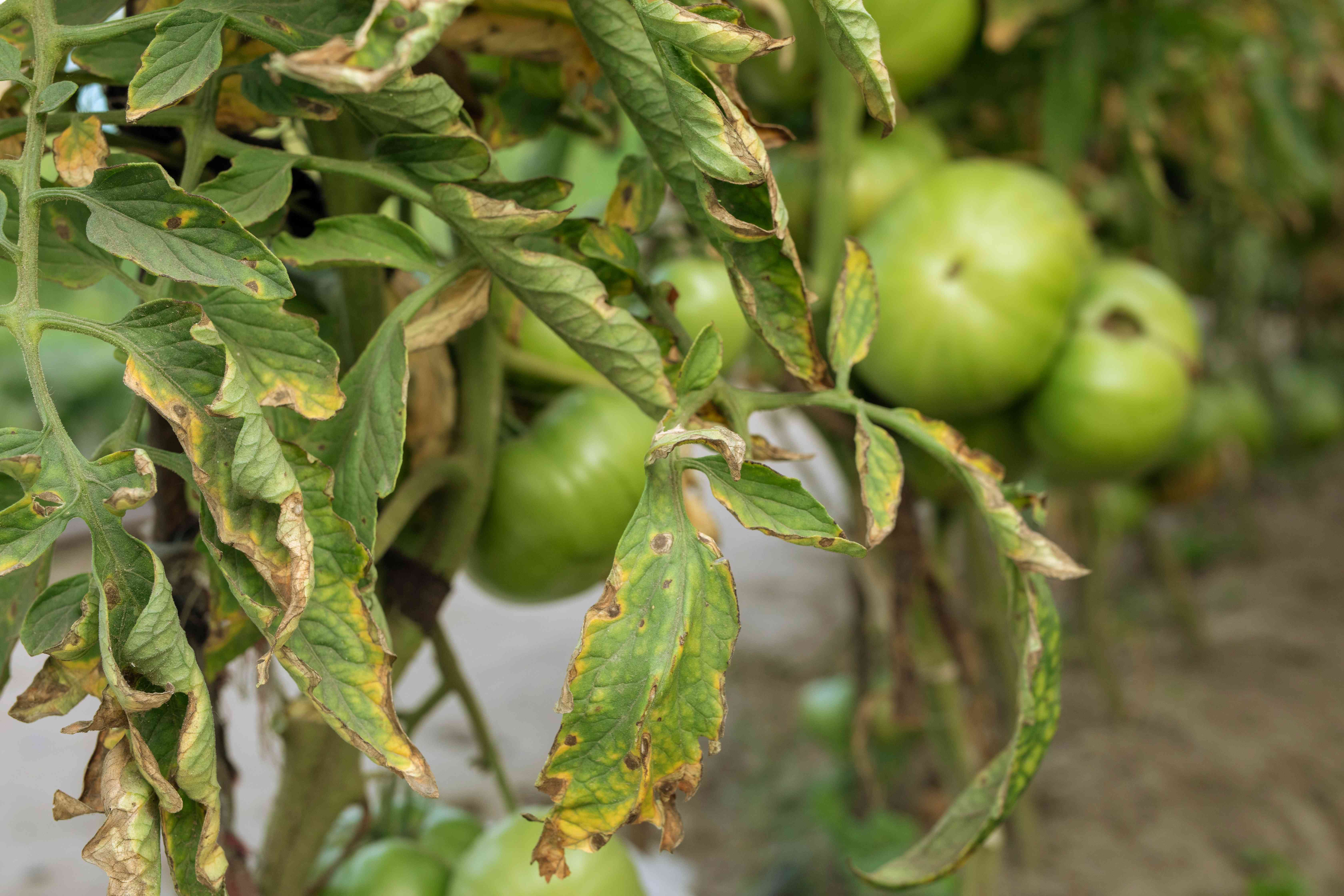
If your tomato leaves are turning yellow, take a breath and step away from the shovel. Yellow leaves don’t automatically mean your tomato plants are doomed. In many cases, they’re simply sending you a polite (okay, sometimes dramatic) SOS about water, nutrients, pests, or disease.
In this guide, we’ll walk through 13 common reasons tomato leaves turn yellow and what you can do right now to fix each one. You’ll learn how to quickly diagnose the problem, how to save stressed plants, and what to do differently next season so your tomato patch stays lush, green, and productive.
How to Quickly Diagnose Yellowing Tomato Leaves
Before diving into the causes, it helps to observe where and how the yellowing shows up. This gives you powerful clues:
- Location on the plant: Lower, older leaves vs. newer growth at the top.
- Pattern of yellowing: Entire leaf, edges burning, or yellowing between green veins.
- Presence of spots: Tiny dark spots, bullseye rings, or gray centers may suggest fungal disease.
- Other symptoms: Curling, wilting, stunted growth, or distorted leaves signal stress, pests, or viruses.
- Soil and watering history: Recently overwatered? Heat wave? New fertilizer or herbicide nearby?
Use these clues as we go through the 13 most common causes and their fixes.
13 Common Causes of Yellow Tomato Leaves (and Exactly How to Fix Them)
1. Natural Aging of Lower Leaves
Sometimes, yellow leaves are just your plant’s version of cleaning its closet. As tomato plants get larger, it’s normal for the oldest, lowest leaves to yellow and drop off, especially once fruiting begins. Many extension services note that mild yellowing of lower foliage late in the season can be completely normal.
How to fix it:
- Gently prune off the yellowed lower leaves to improve airflow.
- As long as new growth looks healthy and green, don’t panic or overcorrect with fertilizer or chemicals.
2. Overwatering and Poor Drainage
Overwatering is one of the biggest culprits behind yellow leaves on many plants, including tomatoes. When soil stays soggy, roots can’t get enough oxygen. They suffocate, rot, and stop absorbing water and nutrients effectivelyleaves respond by yellowing and wilting.
Signs: Yellowing often starts on lower leaves; soil feels constantly wet; plants may appear droopy even though the soil is moist.
How to fix it:
- Check that containers and beds drain well; add compost and organic matter to improve structure.
- Water deeply but less frequently, allowing the top inch of soil to dry before watering again.
- Avoid letting pots sit in saucers full of water.
3. Underwatering and Heat Stress
On the flip side, underwatering and intense heat can also turn leaves yellow. When plants can’t pull enough water to keep up with transpiration, foliage may first wilt, then dry and yellow at the edges.
Signs: Leaves droop during the hottest part of the day, leaf edges become crispy, and soil is bone-dry several inches down.
How to fix it:
- Water deeply at the base of the plant, aiming for 1–1.5 inches of water per week, more during heat waves.
- Mulch with straw, shredded leaves, or compost to keep soil cool and reduce evaporation.
- In extreme heat, provide temporary shade cloth in the afternoon.
4. Nitrogen Deficiency
Nitrogen is the key driver of leafy growth in tomatoes. When there isn’t enough, the plant pulls nitrogen from older leaves to feed new growth. Those older leaves turn uniformly pale green to yellow and may eventually fall off.
Signs: Older, lower leaves turn pale or yellow first, while new leaves remain lighter green but not spotted; growth may be slow and spindly.
How to fix it:
- Apply a balanced organic tomato fertilizer that includes nitrogen, following label directions.
- For a quick boost, use a water-soluble fertilizer formulated for vegetables.
- Long term, add compost or well-rotted manure to improve soil fertility.
5. Other Nutrient Imbalances (Magnesium, Iron, Potassium, Calcium)
Tomatoes are heavy feeders and need a buffet of nutrients, not just nitrogen. Deficiencies in magnesium, iron, potassium, or calcium can all cause variations of yellowing leaves.
- Magnesium deficiency: Yellow blotches or speckles on older leaves, often with green veins remaining. Epsom salts (magnesium sulfate) are sometimes used as a supplement when true deficiency is confirmed.
- Iron deficiency: New leaves turn yellow but veins stay green, especially in alkaline soils.
- Potassium deficiency: Leaf edges may yellow or brown and look scorched, with weak stems and reduced fruit quality.
- Calcium deficiency: Young leaves may become distorted or yellow, and fruits can develop blossom end rot (sunken black spots on the blossom end).
How to fix it:
- Get a soil test if possible; many extension offices offer affordable testing and recommendations.
- Use a tomato fertilizer that includes micronutrients like magnesium, iron, and calcium.
- For magnesium issues, consider a light application of Epsom salt (1–2 tablespoons per gallon of water) as a foliar spray, but don’t overdo it.
- Keep soil moisture consistent to help plants absorb calcium and other nutrients properly.
6. Soil pH Problems and Root Damage
Even if nutrients are technically present, tomatoes can’t access them if your soil pH is way off. Highly alkaline or acidic soil can lock up nutrients like iron and magnesium, leading to yellow leaves that look “deficiency-like” even when you fertilize.
Root damage from transplant shock, digging too close to the plant, or compacted soil can also reduce nutrient uptake and cause yellowing.
How to fix it:
- Test your soil pH; tomatoes prefer roughly 6.0–6.8.
- Add lime to raise pH or elemental sulfur to lower it, following soil test recommendations.
- Avoid disturbing roots once plants are established and loosen compacted soil before planting.
7. Crowded Roots or Small Containers
Tomatoes grown in tiny pots or overcrowded beds may become root-bound, making it hard for them to access water and nutrients. The result: stunted plants with yellowing leaves and poor fruiting.
How to fix it:
- Grow tomatoes in large containers (at least 5 gallons for determinate varieties, more for indeterminate).
- Repot severely root-bound plants into bigger containers and water well afterward.
- Space plants properly in beds (often 18–36 inches apart, depending on variety and support system).
8. Fungal Diseases: Early Blight
Early blight, caused by Alternaria fungi, is a classic culprit behind yellowing tomato leaves. It typically starts on the oldest, lower leaves with yellow patches and dark brown spots that may show concentric rings like a target. Leaves eventually yellow completely, wilt, and fall off.
How to fix it:
- Promptly remove and trash affected leaves (don’t compost diseased foliage).
- Water at the base of the plant instead of overhead to keep leaves dry.
- Improve airflow with proper spacing and pruning of lower branches.
- In severe cases, consider organic fungicides like copper or neem products labeled for tomatoes.
9. Fungal Diseases: Septoria Leaf Spot and Other Leaf Spots
Septoria leaf spot causes small, grayish spots with dark borders on lower leaves. As spots merge, leaves yellow and die. Other leaf spot diseases show similar behavior and thrive in humid, wet weather.
How to fix it:
- Remove infected leaves and keep foliage as dry as possible.
- Mulch to reduce soil splash when it rains.
- Rotate crops and avoid planting tomatoes in the same bed every year.
- Use fungicides if recommended in your area, especially during extended wet periods.
10. Wilt Diseases: Verticillium and Fusarium
Verticillium and Fusarium wilts are soilborne fungal diseases that block water movement inside the plant. Leaves may turn yellow (often starting on one side or one branch), wilt, and eventually brown and die, even when the soil is moist.
How to fix it:
- There is no cure once plants are infected. Remove and discard affected plants.
- Choose resistant tomato varieties (often labeled with “V” or “F” after the variety name).
- Rotate crops and avoid planting tomatoes or other nightshades in the same spot for several years.
11. Pests: Aphids, Whiteflies, and Spider Mites
Sometimes the yellowing is caused not by what’s in the soil, but by tiny vampires on the leaves. Pests like aphids, whiteflies, and spider mites suck sap from tomato foliage, leading to stippling, pale or yellow leaves, and overall decline.
Signs:
- Aphids: Clusters of soft-bodied insects on new growth; leaves may curl and become sticky from honeydew.
- Whiteflies: Tiny white insects that flutter up when you brush the plant; yellowing leaves and sticky honeydew are common.
- Spider mites: Fine webbing and tiny moving dots on the undersides of leaves, with speckled yellowing.
How to fix it:
- Spray plants with a strong stream of water to knock off pests.
- Use insecticidal soap or neem oil, focusing on leaf undersides.
- Encourage beneficial insects like ladybugs and lacewings.
12. Viral Diseases: Tomato Yellow Leaf Curl Virus and Others
Viruses such as Tomato Yellow Leaf Curl Virus (TYLCV) can cause striking yellowing between veins, upward-curling leaves, stunting, and poor fruit set. These viruses are often spread by whiteflies or other insect vectors.
How to fix it:
- Unfortunately, viral infections can’t be cured. Infected plants should be removed and disposed of, not composted.
- Control whiteflies and other vectors using reflective mulch, insecticidal soap, or approved insecticides if necessary.
- Choose resistant tomato varieties in areas where these viruses are common.
- Practice strict garden hygiene and avoid moving from infected plants to healthy ones without washing hands and tools.
13. Herbicide Drift and Chemical Damage
Tomato plants are extremely sensitive to herbicides, including lawn weed killers and agricultural sprays. Drift from a neighbor’s yard or contaminated compost can cause twisted, cupped, or curled leaves that may yellow and look sickly.
Signs: New growth is distorted, leaves may curl or “fern” out, and yellowing may show up irregularly rather than in a neat nutrient pattern.
How to fix it:
- There’s no quick cure, but mildly affected plants sometimes grow out of the damage over time.
- Avoid using herbicides near tomatoes and be cautious with grass clippings, straw, or manure from animals fed treated hay.
- Talk with neighbors about not spraying on windy days if your garden is nearby.
Simple Checklist to Prevent Yellow Leaves on Tomatoes
If you don’t want to play tomato detective every summer, focus on prevention:
- Plant in well-draining, compost-rich soil.
- Water deeply and consistently; avoid extremes of drought or sogginess.
- Fertilize with a balanced tomato fertilizer, not just high-nitrogen lawn food.
- Mulch to reduce soil splash and regulate moisture.
- Space plants properly and prune lower leaves for good airflow.
- Rotate crops and avoid planting tomatoes in the same spot every year.
- Inspect plants weekly for pests and early disease symptoms so you can act fast.
With these habits, you’ll drastically cut down on yellow leaves and enjoy healthier plants and bigger harvests.
Real-Life Tomato Troubleshooting: of Hands-On Experience
Ask any gardener about yellow tomato leaves and you’ll usually get a long story that starts with, “Well, one summer…” Experience is one of the best teachers in the garden, so let’s walk through how a typical “yellow leaf crisis” really plays out and what seasoned gardeners learn from it.
Picture this: It’s midsummer, your tomato plants are finally loaded with green fruit, and you notice the bottom leaves turning patchy yellow. Panic sets in. You sprint to the garden center, buy three different fertilizers, a copper fungicide, a “miracle” tonic, and a bag of something suspiciously dusty labeled “tomato booster.” You rush home and throw everything at your plants in one weekend. A week later, the plants look even worse.
Every experienced gardener has had a version of that storyand most will tell you the same lesson: slow down and diagnose before you treat. Yellow leaves have multiple causes, and the fix for one problem can actually make another worse. For example, if your plants are overwatered and short on oxygen, adding more fertilizer won’t help; it might even burn stressed roots. If the issue is a viral disease, no amount of plant food will reverse it, and you’re better off removing the plant to protect the rest of the garden.
Seasoned tomato growers usually follow a simple routine once they spot yellowing. First, they check the soil: Is it soggy or dry? They’ll dig a few inches down and feel the moisture, not just rely on the surface. They’ll also think back over the last week or twoheavy rain, heat wave, or a missed watering often lines up perfectly with the first signs of yellowing.
Next comes a “leaf inspection.” Experienced gardeners flip leaves over to look for pests, scanning for tiny whiteflies, aphids, or spider mites and any sticky residue or webbing. If they see bugs, they start with simple tools like a strong water spray or insecticidal soap rather than jumping straight to harsher chemicals. They’ve learned that catching pests early usually means gentle solutions are enough.
Then they look at the pattern of yellowing. Older leaves yellowing evenly? That suggests normal aging or possibly nitrogen deficiency. Yellowing with spots or rings? That points toward fungal disease. New leaves yellow between still-green veins? That screams iron deficiency or pH problems. Once you’ve seen these patterns a few times, your brain starts filing them away like a visual library.
Another hard-earned lesson: pruning and tidiness matter. Many gardeners notice that the plants they keep well-pruned and mulchedwith lower leaves trimmed away from the soil surface and spent foliage removed promptlyhave fewer problems with yellow leaves from fungal diseases. It’s not glamorous work, but removing a few leaves early can prevent a lot of yellow, spotted ones later.
Finally, experienced growers tend to be patient. They know plants don’t recover instantly. When they correct watering, add the right fertilizer, or treat for disease, they look for improvement in new growth rather than expecting damaged leaves to turn green again. Old yellow leaves rarely “heal,” but healthier new foliage tells you the plant is back on track.
The big takeaway from all this experience? Yellow leaves are not a gardening failure; they’re feedback. If you learn to read that feedbackchecking water, nutrients, pests, diseases, and chemicals one by oneyou’ll not only save more tomato plants, you’ll become a far more confident gardener. And the first time you rescue a plant that looked hopeless and still harvest baskets of tomatoes from it, you’ll officially earn your “Tomato Whisperer” badge.