

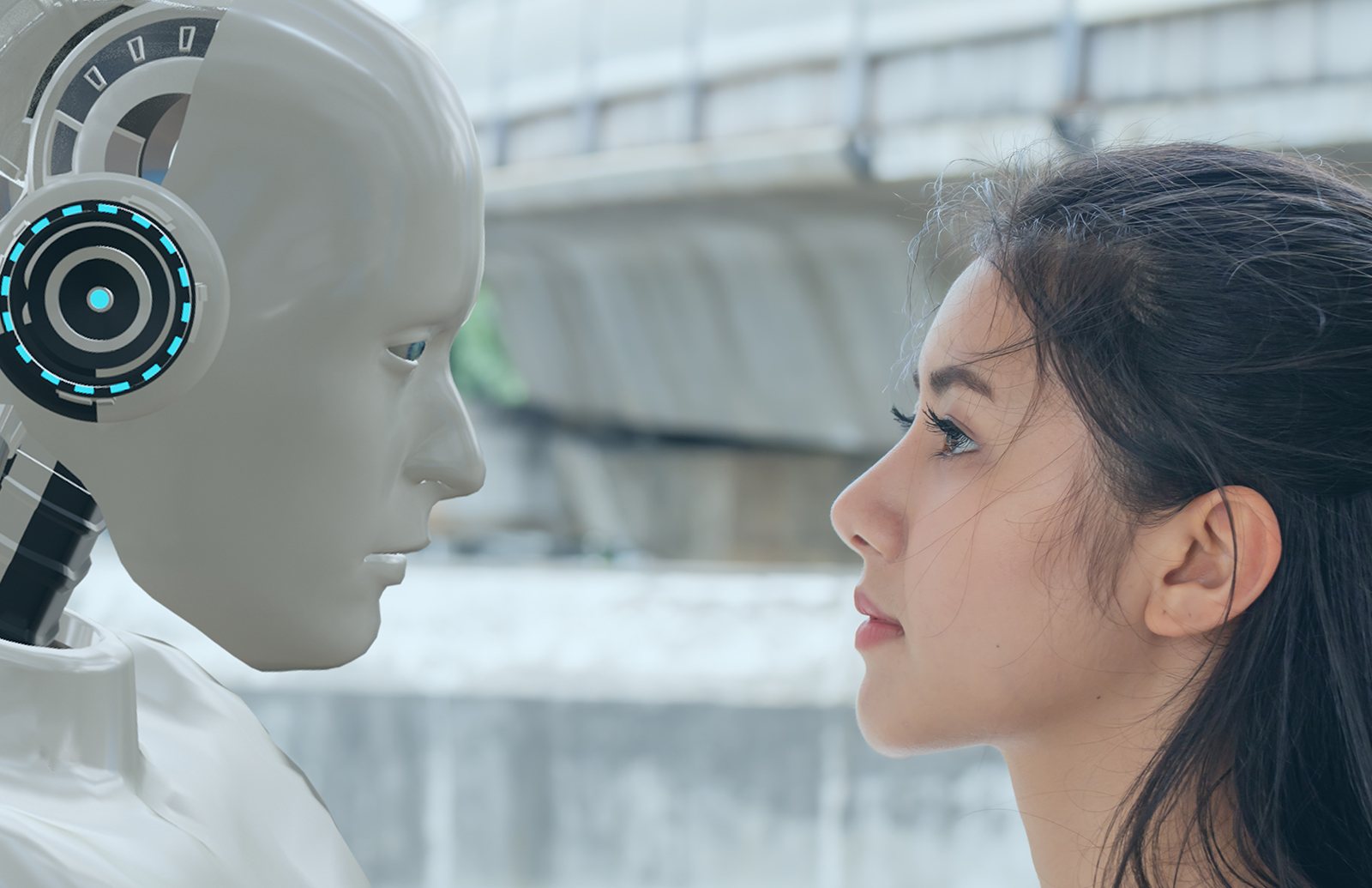
As Artificial Intelligence (AI) becomes more integrated into our daily lives, a new and controversial question is emerging: Is AI programmed to hijack human empathy? From chatbots that mimic human emotions to recommendation systems that influence behavior, AI is increasingly designed to engage users on an emotional level. While this can enhance user experience, it also raises serious ethical concerns about manipulation, trust, and human autonomy.
What Does “Hijacking Human Empathy” Mean?
Hijacking human empathy refers to the idea that AI systems are designed to exploit human emotional responses for specific outcomes—such as increasing engagement, influencing decisions, or driving sales.
AI systems can:
-
Simulate emotional understanding through natural language processing
-
Adapt responses based on user behavior and sentiment
-
Build trust by appearing human-like
These capabilities can create the illusion of genuine emotional connection, even though the AI does not truly “feel” anything.
How AI Engages Human Emotions
1. Conversational AI and Chatbots
Modern chatbots are designed to sound empathetic and supportive. They use language patterns that mimic human conversation, making users feel understood and valued. This is especially common in customer service and mental health apps.
2. Personalization Algorithms
AI analyzes user data to deliver highly personalized content. Social media platforms and streaming services use this to keep users engaged, often triggering emotional responses such as excitement, curiosity, or even outrage.
3. Emotional Recognition Technology
Some AI systems can detect human emotions through facial expressions, voice tone, or text sentiment. This allows them to tailor responses in ways that resonate more deeply with users.
Benefits of Emotional AI
-
Improved User Experience: More natural and engaging interactions
-
Better Customer Support: Faster and more personalized responses
-
Mental Health Assistance: AI companions can provide support and accessibility
-
Enhanced Accessibility: Helps individuals who may struggle with human interaction
When used responsibly, emotional AI can create meaningful and helpful experiences.
Ethical Concerns and Risks
1. Manipulation and Influence
AI systems can subtly influence user behavior by appealing to emotions. This raises concerns about manipulation, especially in advertising, politics, and social media.
2. Loss of Trust
If users feel deceived by AI pretending to be human or emotionally aware, it can erode trust in technology and organizations.
3. Dependency on AI
Over-reliance on emotionally responsive AI could reduce human-to-human interactions, potentially affecting social relationships.
4. Privacy Issues
Collecting emotional data—such as facial expressions or voice tone—raises serious privacy concerns and questions about consent.
Is AI Really “Programmed” to Manipulate?
AI itself does not have intentions or desires. It is not inherently designed to “hijack” empathy. Instead, it reflects the goals set by its creators. If a system is optimized for engagement or profit, it may use emotional strategies to achieve those outcomes.
This means the responsibility lies with:
-
Developers and engineers
-
Companies deploying AI systems
-
Regulators and policymakers
Ethical design and transparency are key to ensuring AI serves users rather than exploits them.
The Need for Ethical AI Design
To address these concerns, organizations must adopt responsible AI practices:
-
Transparency about when users are interacting with AI
-
Clear boundaries to avoid deceptive emotional manipulation
-
Strong data privacy protections
-
Ethical guidelines for AI development and deployment
Building trust is essential for the long-term success of AI technologies.
The Future of Human-AI Interaction
As AI continues to evolve, the line between human and machine interaction may become increasingly blurred. The challenge will be to balance innovation with ethical responsibility. AI has the potential to enhance human connection—but only if it is designed with integrity and respect for users.
The idea that AI is programmed to hijack human empathy highlights important ethical questions about technology and its impact on society. While AI can simulate emotional understanding and improve user experiences, it also carries risks of manipulation and misuse. Ultimately, the future of emotional AI depends on how responsibly it is developed and used.