

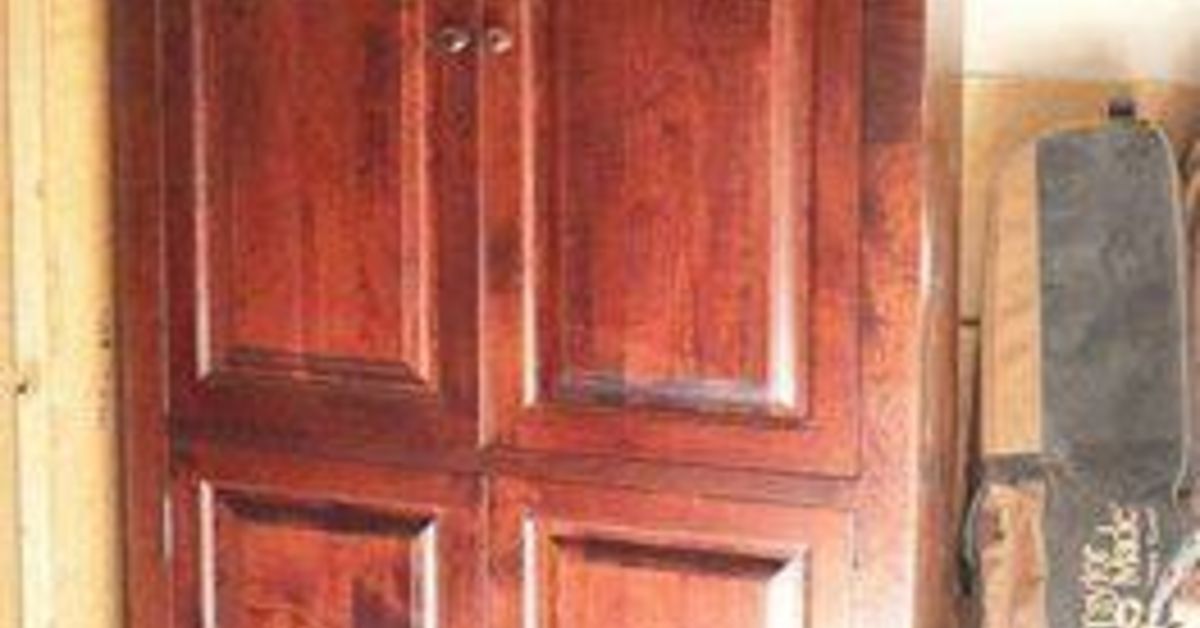
Some furniture pieces age gracefully. Others sit in the corner like they are waiting for cable television to make a dramatic comeback. The oversized media cabinet is a perfect example. Once upon a time, it proudly housed a bulky TV, a DVD player, a gaming console, a stack of remote controls, and possibly three mystery cords no one dared unplug. Now, with flat screens mounted on walls and streaming apps doing all the heavy lifting, many old media cabinets are left asking the furniture version of an existential question: “What am I now?”
The answer may be surprisingly stylish: turn that upcycled media cabinet into an armoire. With a little planning, paint, hardware, shelving, and imagination, a dated entertainment center can become a hardworking storage piece for clothing, linens, craft supplies, kids’ dress-up clothes, office materials, or even a hidden coffee station. It is practical, budget-friendly, and much more satisfying than dragging a perfectly solid cabinet to the curb while muttering, “Sorry, buddy.”
An upcycled media cabinet into armoire project is especially appealing because older media units often have exactly what an armoire needs: height, doors, deep interior space, and sturdy construction. The trick is to rethink the inside, refresh the outside, and make the finished piece feel intentional rather than improvised. Done well, it can look like a custom storage cabinet instead of a rescued relic from the age of DVDs.
Why Turn a Media Cabinet Into an Armoire?
Upcycling is not just a design trend; it is a practical response to the way homes actually work. Families need storage. Small apartments need flexible furniture. Guest rooms need places for extra blankets. Entryways need a spot for coats, bags, and “I’ll put this away later” items. A media cabinet already has the bones for these jobs.
Unlike many modern flat-pack pieces, older media cabinets are often made with solid wood, wood veneer, or heavy engineered materials that can handle modification. They may include adjustable shelves, doors that close fully, built-in drawers, and cable holes that can be repurposed for ventilation or discreet charging cords. Instead of buying a brand-new wardrobe, you can convert what you already ownor what you found at a thrift store, estate sale, neighborhood marketplace, or Habitat ReStoreinto something useful and personal.
There is also a sustainability win. Reusing furniture extends the life of existing materials, reduces waste, and lowers the need for newly manufactured goods. In plain English: the planet appreciates your cabinet glow-up, even if your garage is currently judging the mess.
Start With the Right Media Cabinet
Not every cabinet is worth converting. Before falling in love with a makeover idea, inspect the piece like a polite but suspicious detective.
Check the Structure
Open and close every door. Pull out every drawer. Press gently on the sides. Look for wobbling, swelling, cracked joints, water damage, deep gouges, loose hinges, or sagging shelves. A few scratches are no problem; that is what paint and confidence are for. Serious structural problems, however, can turn a weekend project into a month-long relationship with wood glue and regret.
Measure the Interior
A media cabinet designed for a television usually has a large central opening. That space can become a hanging area, folded-clothing section, linen storage zone, craft supply hub, or toy wardrobe. Measure the height, width, and depth before buying rods, baskets, or shelves. For a clothing armoire, make sure the cabinet is deep enough for hangers. Standard adult hangers usually need generous depth, so shallow media units may work better for folded sweaters, shoes, kids’ clothing, linens, or pantry-style storage.
Consider the Style
Traditional cabinet doors can look beautiful with updated paint and hardware. Glass doors can be covered with fabric, cane webbing, peel-and-stick film, or painted panels if you prefer hidden storage. Open cubbies can become basket zones. Awkward speaker compartments can become shoe shelves. The goal is not to erase the cabinet’s past completely; it is to give it a better second act.
Plan the Armoire Before You Pick Up a Paintbrush
The biggest mistake in furniture upcycling is starting with enthusiasm and ending with a cabinet full of “Oops.” Before sanding, painting, or removing anything, decide what the armoire must do.
Option 1: Clothing Armoire
For a bedroom or guest room, install a closet rod across the main opening. Add a shelf above for hats, bedding, or storage boxes. Use the lower section for shoes, folded jeans, or baskets. If the cabinet is tall enough, you can create a double-hang setup for children’s clothing or short garments.
Option 2: Linen Armoire
If your hallway closet is currently a towel avalanche, turn the media cabinet into a linen armoire. Add adjustable shelves, label baskets, and keep the doors closed for instant calm. This works especially well in bathrooms, laundry rooms, guest rooms, or wide hallways.
Option 3: Craft or Office Armoire
Media cabinets are wonderful for craft supplies because the doors hide visual chaos. Add shallow bins for paper, hooks for scissors, jars for brushes, and a pull-out tray if you want a mini workstation. For office use, the old cord holes are perfect for charging cables, routers, or printer cords.
Option 4: Entryway Storage
Near a front or back door, a converted media cabinet can hold coats, backpacks, dog leashes, umbrellas, hats, gloves, and shoes. Add hooks inside the doors, a boot tray at the bottom, and baskets for each family member. Congratulations: the entryway now has a personality beyond “pile.”
Supplies You May Need
The exact supply list depends on the cabinet and your design, but most upcycled media cabinet into armoire projects use a similar toolkit:
- Cleaner or degreaser
- Screwdriver or drill
- Wood filler
- Sandpaper or sanding sponge
- Tack cloth or microfiber cloth
- Primer suited to wood, veneer, or laminate
- Durable furniture, cabinet, or trim paint
- Paintbrush and small foam roller
- Clear topcoat if needed
- Closet rod and brackets
- Plywood or ready-made shelves
- Baskets, bins, hooks, or drawer organizers
- New knobs, pulls, or hinges
- Furniture anchor kit
Choose products based on the cabinet surface. Laminate needs special attention because glossy surfaces resist paint. A bonding primer and light sanding help paint grip instead of peeling off like a bad sunburn.
Step-by-Step: How to Upcycle a Media Cabinet Into an Armoire
Step 1: Empty, Remove, and Label
Remove shelves, drawers, doors, hardware, back panels, and any outdated TV swivels or brackets. Take photos before disassembly so you remember how everything fits. Place screws and hinges in labeled bags. Future you will be grateful, and future you is already dealing with enough.
Step 2: Clean Every Surface
Furniture collects oils, dust, polish, pet hair, and the occasional ancient snack crumb. Clean the cabinet thoroughly with a degreasing cleaner or mild soap solution. Paint sticks better to a clean surface. Skipping this step is like putting a tuxedo on over gym clothes: technically possible, visually risky.
Step 3: Make Repairs
Fill old hardware holes, scratches, dents, and unused cable openings with wood filler if you want a smooth finish. Tighten loose joints. Replace weak shelf pins. If the back panel is flimsy, consider replacing it with thin plywood or beadboard for a more polished look.
Step 4: Sand for Adhesion
You usually do not need to strip the piece down to raw wood. Light sanding creates enough “tooth” for primer and paint to hold. Sand glossy areas, edges, doors, and filled spots. Wipe away dust with a tack cloth or damp microfiber cloth and let the surface dry completely.
Important safety note: if the cabinet is old and you suspect lead-based paint, do not aggressively sand or scrape it without proper testing and lead-safe practices. Vintage charm is delightful; airborne lead dust is not.
Step 5: Prime the Cabinet
Primer is the quiet hero of furniture makeovers. It improves adhesion, evens out color, blocks stains, and helps the final finish last longer. Use a bonding primer for slick laminate or veneer. Use stain-blocking primer if the wood has tannins, water marks, or mysterious discoloration that looks like it has a backstory.
Step 6: Paint in Thin Coats
Apply paint with a quality brush for corners and a small foam roller for flat surfaces. Thin coats beat thick coats every time. Thick paint can drip, sag, and cure poorly. Two or three light coats usually create a smoother, more durable finish than one dramatic glob.
For an armoire that will be opened daily, cabinet, door, and trim enamel is a smart choice because it is designed for high-touch surfaces. Satin and semi-gloss finishes are easier to wipe clean than flat paint, especially if the armoire will live in a bedroom, hallway, or kids’ room.
Step 7: Customize the Interior
This is where the media cabinet officially changes careers. Install a closet rod if you want hanging storage. Add shelves for folded clothing, linens, or bins. Use adhesive wallpaper, paint, beadboard, or fabric panels on the back wall for a custom surprise when the doors open. Hooks on the inside of doors can hold scarves, belts, jewelry, measuring tapes, or gift bags.
If the cabinet has deep lower drawers, use them for seasonal clothing, extra sheets, craft tools, or shoes. If it has open cubbies, fit them with baskets to keep the look clean. The more specific each zone is, the easier the armoire will be to maintain.
Step 8: Upgrade the Hardware
New hardware can make a painted cabinet look intentional. Brass pulls can warm up navy, green, or black paint. Matte black hardware can modernize oak or white finishes. Ceramic knobs can lean cottage-style. Wood knobs can create a soft Scandinavian look. Hardware is furniture jewelry, and unlike actual jewelry, it rarely disappears in the laundry.
Step 9: Protect and Cure
Paint may feel dry before it is fully cured. Be gentle with doors, shelves, and baskets for the first several days. If the paint brand recommends a topcoat, apply one after the paint has dried properly. Avoid loading heavy items too soon, especially on freshly painted shelves.
Step 10: Anchor the Finished Armoire
A converted media cabinet can be tall, heavy, and front-loaded when the doors are open. Anchor it securely to the wall using an appropriate anti-tip kit, especially in homes with children, pets, or enthusiastic adults who open cabinets like they are revealing prizes on a game show. Safety is part of good design.
Design Ideas for a Beautiful Finished Look
Go Classic With Soft White or Warm Cream
A white or cream armoire blends into bedrooms, nurseries, and guest rooms. It also makes a bulky media cabinet feel lighter. Add brass or antique bronze hardware for a timeless finish.
Try Moody Color for a Boutique Feel
Deep green, charcoal, navy, oxblood, or black can make an old cabinet look expensive. These colors work especially well when paired with simple hardware and a clean interior layout.
Add Wallpaper Inside
Peel-and-stick wallpaper on the back panel creates a charming reveal. Botanical prints, stripes, grasscloth textures, or small geometric patterns can make the armoire feel custom without requiring advanced carpentry skills.
Replace Glass With Cane or Fabric
If the cabinet has glass doors and you do not want everyone admiring your sock bins, cover the glass from the inside. Cane webbing adds texture. Fabric panels add softness. Frosted film gives a cleaner modern look.
Use Matching Baskets
Baskets are the secret weapon of storage furniture. They hide odd-shaped items, create visual order, and make shelves easier to use. Matching baskets can make even a chaotic craft collection look like it has a retirement plan.
Common Mistakes to Avoid
The first mistake is ignoring scale. A giant cabinet in a tiny room can feel like a wooden refrigerator. Before committing, tape the footprint on the floor and make sure doors can open comfortably.
The second mistake is using the wrong paint system. Slick laminate, glossy veneer, and stained wood need proper prep. Clean, sand, prime, and allow drying time. A rushed finish may peel quickly, especially around door edges and handles.
The third mistake is making the interior too complicated. Adjustable shelves, rods, hooks, and baskets are useful, but do not create a puzzle that requires instructions every time you put away a sweater. Keep zones simple.
The fourth mistake is forgetting weight. Heavy stacks of books, tools, or canned goods may overload shelves not designed for that job. Reinforce shelves when needed, use sturdy brackets, and place heavier items low.
The fifth mistake is skipping the anchor. A tall armoire must be secured. The prettiest makeover in the world is not successful if it is unsafe.
Best Rooms for a Converted Media Cabinet Armoire
A bedroom is the obvious choice, especially when closet space is limited. A guest room is another great location because visitors need temporary storage, extra blankets, and a place to hide luggage. In a nursery, an upcycled armoire can hold tiny clothes, diapers, wipes, blankets, and toys. In a dining room, it can store table linens, candles, serving pieces, and seasonal dishes. In a home office, it can hide printers, files, paper, and supplies. In a craft room, it can become a colorful supply station that closes at the end of the day, politely pretending glitter never happened.
The beauty of this project is flexibility. A media cabinet does not have to become a traditional clothing armoire. It can become whatever storage your home is missing most.
Budget-Friendly Tips
Use leftover paint when possible, but make sure it is still in good condition. Shop secondhand for hardware, baskets, and decorative trim. Reuse shelves from the original cabinet by cutting them down or repositioning them. Check local reuse centers for rods, brackets, hinges, and plywood. If the doors are dated, try removing decorative trim instead of replacing them. If the base feels heavy, adding simple feet or painting the bottom darker can improve proportions.
You do not need the most expensive supplies to get a polished result. You need the right supplies, patience between coats, and a willingness to measure twice before drilling holes in your newly painted masterpiece.
Real-Life Experience: What This Project Teaches You
Converting an upcycled media cabinet into an armoire is one of those DIY projects that looks simple in a before-and-after photo but teaches you a surprising number of lessons along the way. The first lesson is that furniture has opinions. A cabinet that appears square may not be perfectly square. A shelf that looks removable may be attached with the determination of a bank vault. A hinge that worked yesterday may suddenly develop theatrical squeaking the moment you finish painting.
The second lesson is that prep work matters more than the glamorous part. Most people want to jump straight to the paint color, because paint is fun and sanding is basically furniture flossing. But cleaning, sanding, filling holes, and priming are what separate a long-lasting armoire from a project that starts peeling the first time a laundry basket bumps into it. The best results usually come from slowing down at the beginning.
Another useful experience is learning how to design storage around real habits. It is tempting to create a magazine-perfect interior with identical bins and beautifully folded linens. That is lovely, but the armoire should match how people actually live. If kids will use it, lower hooks and open baskets may work better than delicate stacks. If it is for guest bedding, wide shelves may matter more than hanging space. If it is for crafts, clear containers and labels can prevent the dreaded “Where did I put the glue gun?” spiral.
This project also builds confidence with tools. Installing a closet rod, adjusting shelves, swapping hardware, and anchoring furniture are manageable skills for many beginners. Each small success makes the next step less intimidating. By the end, a drill feels less like a power tool and more like a household problem solver with a battery pack.
There is also a creative reward that new furniture rarely provides. A store-bought armoire may be beautiful, but an upcycled one has a story. Maybe the cabinet came from a family room where everyone watched movies together. Maybe it was rescued from a thrift store for the price of dinner. Maybe it sat in the garage for two years while everyone pretended not to see it. Turning it into something useful gives that history a new purpose.
The most satisfying moment usually comes after the final hardware is attached, the doors close smoothly, and the storage bins slide into place. Suddenly, the old media cabinet no longer looks like a leftover. It looks chosen. It looks custom. It looks like the kind of piece visitors compliment before asking, “Where did you buy that?” And that is when you get to smile casually and say, “Oh, I made it.” Try not to say it too smugly. Or do. You earned it.
Conclusion
An upcycled media cabinet into armoire project is a smart way to transform outdated furniture into practical, attractive storage. With careful planning, proper surface prep, durable paint, thoughtful interior organization, and safe wall anchoring, an old entertainment center can become a bedroom wardrobe, linen cabinet, craft station, entryway organizer, or office storage hub.
The best part is that the project does not require perfection. It rewards creativity, patience, and problem-solving. A scratch can be filled. A shelf can be moved. A dated finish can be painted. A forgotten cabinet can become one of the most useful pieces in the house. That is the magic of upcycling: it turns “we should get rid of this” into “why didn’t we do this sooner?”