

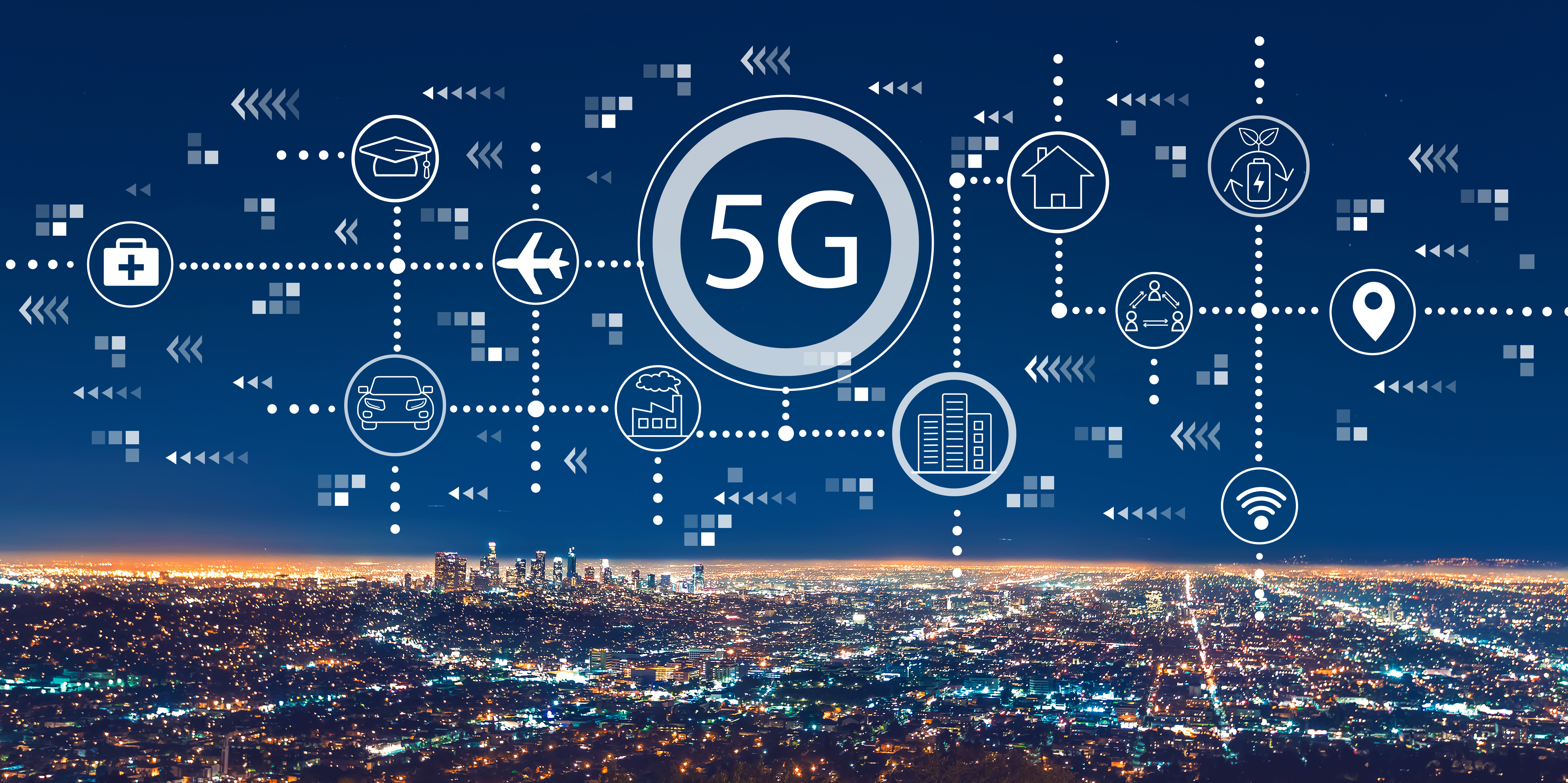
5G technology represents the fifth generation of wireless communication, designed to deliver faster speeds, lower latency, and more reliable connections than previous generations. As the world becomes increasingly connected, 5G is set to revolutionize how we communicate, work, and interact with digital devices.
What Is 5G Technology?
5G stands for “fifth generation” and is the latest standard for mobile networks, following 4G LTE. It is built to handle a massive increase in data demand, supporting everything from smartphones to smart cities, autonomous vehicles, and the Internet of Things (IoT).
Unlike earlier generations, 5G is not just about faster internet on your phone—it is a foundational technology that enables new innovations across multiple industries.
Key Features of 5G
5G technology introduces several major improvements:
- Ultra-fast speeds: Up to 10–100 times faster than 4G
- Low latency: Response times as low as 1 millisecond
- High capacity: Supports a large number of connected devices simultaneously
- Improved reliability: More stable connections even in crowded areas
These features make 5G ideal for real-time applications and advanced technologies.
How Does 5G Work?
5G operates using a combination of advanced technologies and infrastructure:
1. Higher Frequency Bands
5G uses a wider range of radio frequencies, including high-frequency millimeter waves. These waves can carry more data but have shorter ranges, requiring more infrastructure such as small cell towers.
2. Small Cells
Instead of relying solely on large cell towers, 5G networks use many small cells placed closer together. This helps maintain strong signals and consistent performance in urban environments.
3. Massive MIMO (Multiple Input, Multiple Output)
This technology uses multiple antennas to send and receive more data simultaneously, improving network efficiency and capacity.
4. Beamforming
Beamforming directs signals specifically toward a user’s device rather than broadcasting in all directions. This enhances speed, reduces interference, and improves overall performance.
Benefits of 5G Technology
The impact of 5G extends beyond faster internet speeds:
- Enhanced mobile experiences: Smooth streaming, gaming, and video calls
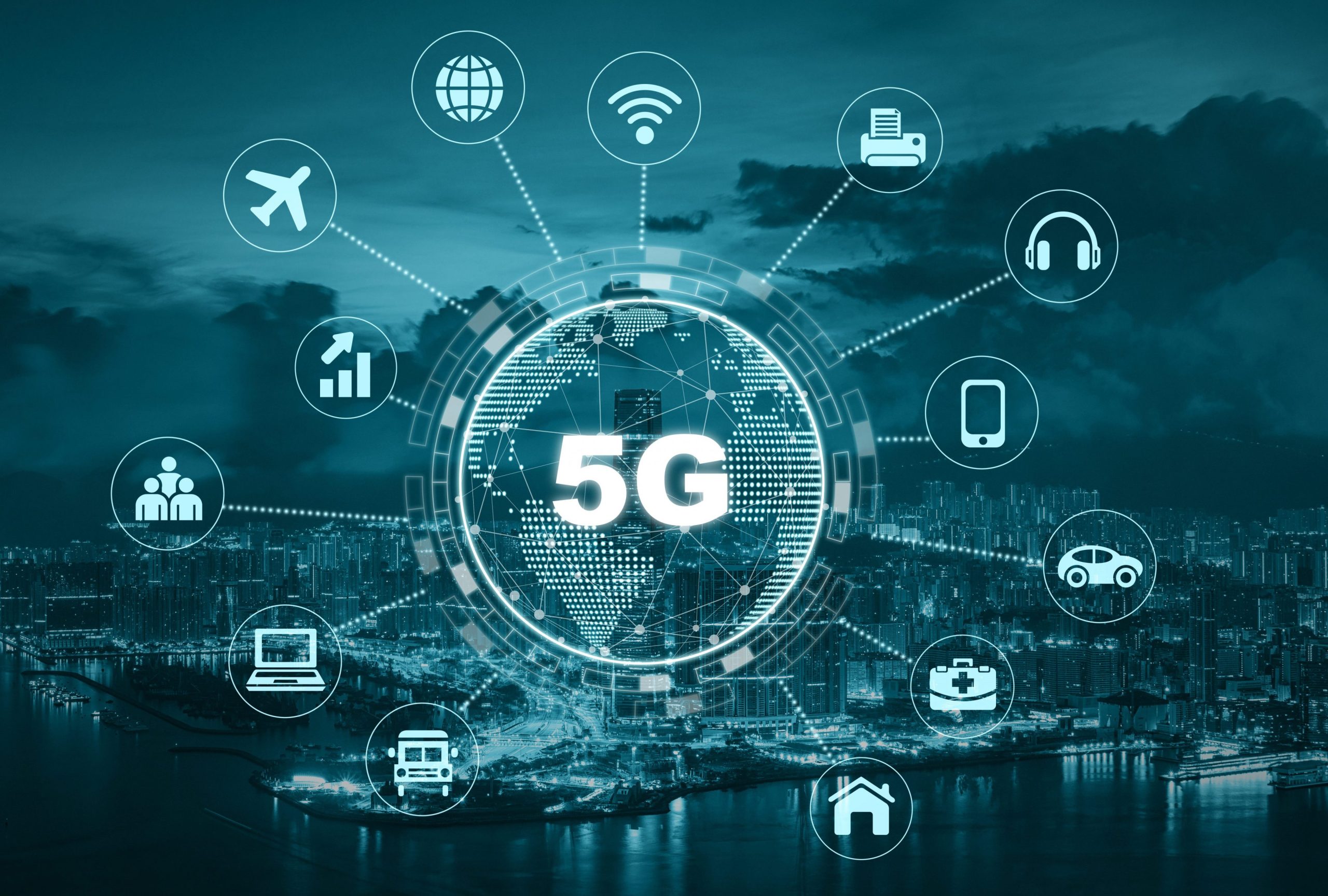
- Smart cities: Improved traffic management, energy efficiency, and public safety
- Healthcare advancements: Remote surgery and telemedicine
- Autonomous vehicles: Real-time communication for safer transportation
- Industrial automation: Increased efficiency in manufacturing and logistics
Challenges and Limitations
Despite its advantages, 5G also faces some challenges:
- Infrastructure costs: Requires significant investment in new equipment
- Limited coverage: High-frequency signals have shorter range and weaker penetration
- Device compatibility: Not all devices support 5G yet
These factors mean that global adoption will take time.
The Future of 5G
As 5G networks continue to expand, they will play a critical role in shaping the future of technology. From powering smart homes to enabling advanced AI applications, 5G is expected to transform nearly every aspect of daily life and industry.
5G technology is a major leap forward in wireless communication, offering faster speeds, lower latency, and greater connectivity. By combining advanced technologies like small cells, massive MIMO, and beamforming, 5G delivers a powerful and flexible network capable of supporting the digital world of tomorrow.