

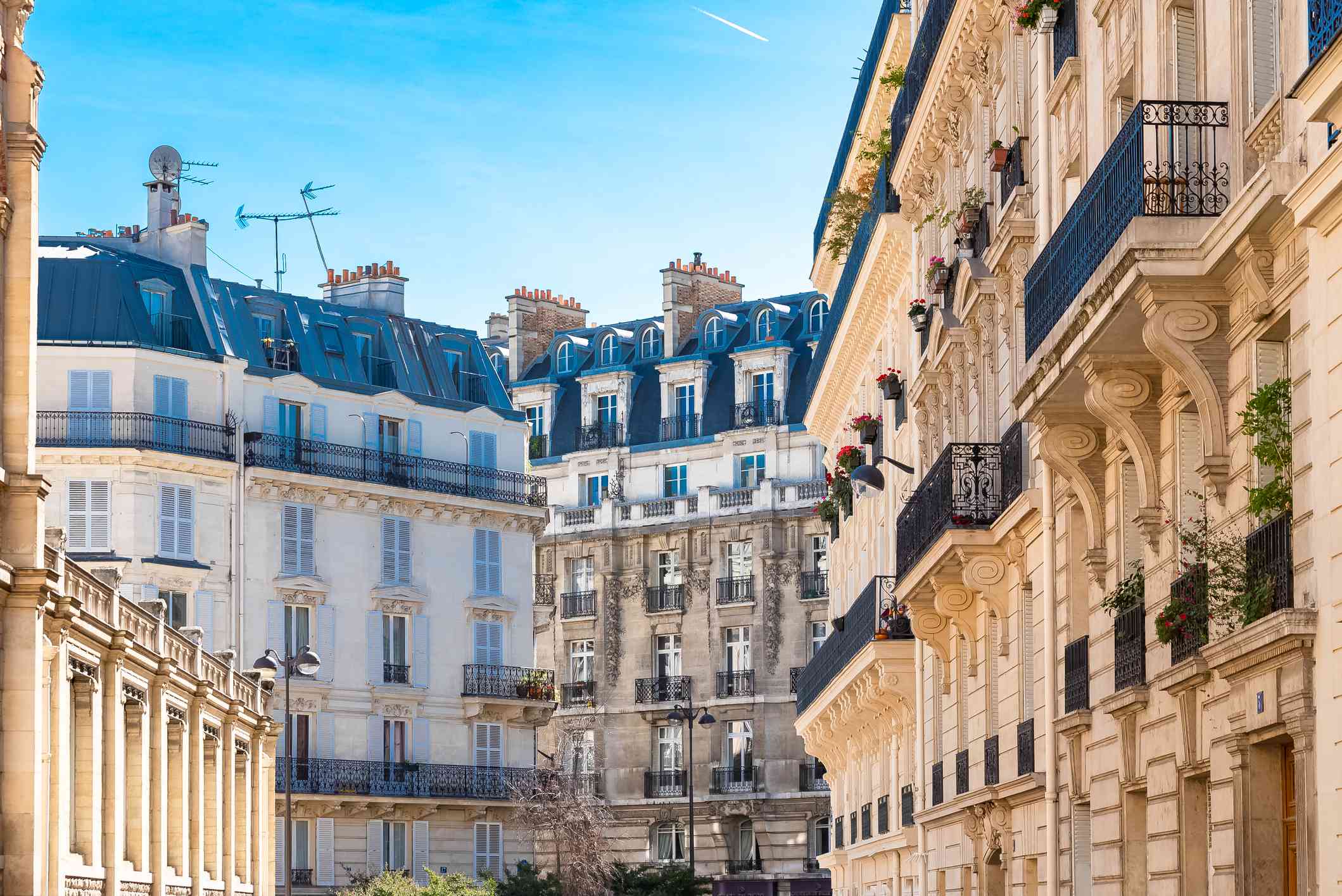
Take one look at Paris and you can play a fun little game: spot the cream-colored stone buildings, the orderly rows of tall windows, the wrought-iron balconies, and the sloped rooftops that look like they were designed by someone who really respected symmetry and also enjoyed dramatic hats. That, in broad strokes, is Haussmann architecture.
But Haussmann architecture is more than a pretty Paris postcard. It is the architectural face of a massive 19th-century urban makeover that transformed Paris from a crowded, medieval maze into a city of wide boulevards, grand perspectives, and strikingly uniform apartment buildings. The style is named after Georges-Eugène Haussmann, the administrator appointed by Napoleon III to oversee the modernization of Paris. What followed was one of the most influential urban redesigns in modern history.
If that sounds elegant and controversial at the same time, congratulations, you already understand the subject. Haussmann architecture sits right at the intersection of beauty, politics, engineering, class, and city planning. It gave Paris its famously cohesive look, but it also came with demolition, displacement, and a level of control that still sparks debate today.
What Haussmann Architecture Actually Means
Haussmann architecture refers to the characteristic apartment buildings and streetscapes associated with the rebuilding of Paris in the mid-to-late 19th century. It is not just one building type in isolation. It is a system. The style works at the scale of the individual façade, the city block, and the boulevard all at once.
At the building level, Haussmannian design is known for its disciplined proportions and repeated features. At the street level, it creates a unified visual rhythm, where cornices line up, balconies align, and whole rows of buildings seem to be speaking the same architectural language. Not shouting. Not rambling. Just speaking in a polished Parisian accent.
That coherence was not an accident. Haussmann’s Paris was shaped by regulations that controlled height, alignment, and materials. The result was a city that felt ordered, airy, and legible in a way older Paris often did not.
The Historical Backstory: Why Paris Changed
Before Haussmann, much of Paris was dense, dark, and notoriously difficult to navigate. Many streets were narrow and winding, and sanitation was poor. The city had also seen repeated unrest, and the old street layout made it easier to build barricades during uprisings. In the 1850s, Napoleon III wanted a capital that looked modern, functioned better, and projected imperial confidence.
Haussmann was put in charge of making that happen. His program involved cutting broad avenues through older neighborhoods, linking major monuments and train stations, improving water supply and sewage systems, adding parks and squares, and imposing greater consistency on the buildings lining the new streets.
So when people ask, “What is Haussmann architecture?” the answer is not simply “those pretty Paris apartments.” It is also “the architectural expression of a giant urban-planning project.” The buildings make the headlines in tourist photos, but the full story includes infrastructure, public health, circulation, landscaping, and political power.
The Signature Features of Haussmann Buildings
1. Cream or pale stone façades
The classic Haussmannian building usually presents a light-colored stone façade that gives Paris its famously luminous look. These façades are elegant without being chaotic. Ornament exists, but it is controlled. The goal is refinement, not visual shouting.
Unlike a street where every building competes for attention, Haussmann blocks tend to feel coordinated. That uniformity is a huge part of the style’s charm. You notice the whole composition before you notice the individual flourishes.
2. Aligned balconies and cornices
One of the easiest ways to identify Haussmann architecture is to look for continuous horizontal lines. Balconies often appear at the second floor and again higher up, commonly around the fifth floor, while cornices line up across adjacent buildings. This creates a pleasing visual order that makes an entire boulevard feel like one grand architectural sentence rather than a jumble of fragments.
If modern urban skylines often feel like everyone brought a different outfit to the same party, Haussmann Paris looks like the dress code was actually read.
3. Mansard roofs and dormer windows
Those sloped roofs are another dead giveaway. Haussmann buildings often feature mansard roofs, usually clad in slate or zinc, with dormer windows popping out like eyebrows on a very sophisticated face. The roofline is both practical and iconic. It adds usable space while helping define the unmistakable silhouette of Paris.
Over time, the city’s zinc rooftops became as recognizable as the façades below them. Together, they created the classic Paris skyline that filmmakers, painters, photographers, and hopeless romantics have been monetizing ever since.
4. Tall windows and generous ceiling heights
Haussmann apartments are famous for tall windows that pull in natural light. Inside, many of these homes feature high ceilings, decorative moldings, parquet floors, marble fireplaces, and large double doors. The interiors were designed to feel grand but livable.
That is one reason the style still feels current. Haussmann interiors can absorb modern furniture surprisingly well. Put a minimalist sofa under ornate plasterwork and suddenly the room looks like it has its own design magazine subscription.
5. A built-in social hierarchy
Haussmann buildings also reflected the class structure of their time. Shops were often located on the ground floor. The second floor, sometimes called the “noble floor,” was especially desirable because it had high ceilings and elegant balconies while remaining easy to reach before elevators became common. Upper middle floors were respectable but less prestigious. The attic or top level, tucked beneath the mansard roof, was often reserved for servants.
In other words, the façade was beautiful, but it also encoded who lived where. Architecture, as usual, had opinions about society.
Haussmann Architecture as Urban Planning
What makes Haussmann architecture especially important is that it cannot be separated from the city around it. These buildings were designed to line wide boulevards, frame public vistas, and contribute to a more navigable urban environment. They are part of a larger composition that includes streets, monuments, parks, and infrastructure.
The broad avenues created long sightlines and a sense of openness. Parks and squares offered breathing room. New sewers, water systems, and gas lighting improved daily life. The city became cleaner, brighter, and easier to move through. From a planning perspective, the project was enormously influential. Cities around the world later borrowed from the model of opening streets, improving sanitation, and using architecture to create a coherent civic identity.
That said, the redesign was never purely about beauty or hygiene. Wide boulevards also made troop movement easier and street revolts harder to sustain. So the same urban form that feels graceful to a stroller with a croissant also had a hard edge of state control. Haussmann architecture is lovely, yes, but it is not innocent.
Why People Still Love the Style
People are drawn to Haussmann architecture because it solves a rare design puzzle: it is consistent without feeling boring. The buildings share a common grammar, but the details vary enough to stay interesting. One doorway may be more sculptural, one balcony more ornate, one corner façade more theatrical than the next.
There is also a human scale to the best Haussmann streets. The buildings are substantial, but not overwhelmingly tall. The streets are grand, but still walkable. The neighborhoods feel dense, active, and visually rich without tipping into chaos. In an age when many cities struggle with either monotony or overload, that balance feels almost miraculous.
And then there is the emotional factor. Haussmann Paris has become shorthand for elegance. Whether in films, fashion shoots, travel magazines, or interior design trends, the style communicates culture, permanence, and a very particular idea of urban beauty. It is no wonder buyers, renters, hoteliers, and architects still use “Haussmannian” like a magic word.
The Criticism: Beauty With a Bill Attached
Of course, not everyone celebrates Haussmannization without reservation. Entire neighborhoods were demolished. Residents, especially working-class Parisians, were displaced. Medieval streets and older buildings disappeared. Critics then and now have argued that the transformation sacrificed local texture, social continuity, and historic fabric in the name of order and prestige.
There is also the political criticism. Haussmann’s boulevards were not only scenic; they were strategic. The redesign supported surveillance, troop movement, and centralized authority. That does not erase the project’s achievements, but it complicates the fairy-tale version of Paris as if the city simply woke up one day looking fabulous.
So when we admire Haussmann architecture, it helps to admire it with both eyes open. One eye for the limestone glow, the rooftop poetry, and the urban intelligence. The other for the social cost and the losses buried beneath those polished streets.
Where You Can See Haussmann Architecture Best
You can find Haussmannian buildings all over central Paris, especially along the grands boulevards and in districts reshaped during the 19th century. Boulevard Haussmann is the obvious headline act, but the style also defines large stretches near the Opéra area, around Parc Monceau, and along many broad avenues radiating through the city.
The easiest way to spot authentic examples is to stop looking at individual landmarks and start reading the street wall itself. Notice the repeated floor levels. Look for the balcony lines. Check the roof angle. Watch how corners are treated, often with extra elegance. Haussmann architecture is less about one superstar building and more about the disciplined ensemble.
Why Haussmann Architecture Still Matters Today
Haussmann architecture still matters because it shows how architecture, infrastructure, and urban policy can work together to shape daily life for generations. It reminds us that city form is never random. Streets affect how people move. Buildings affect how neighborhoods feel. Public works affect health, safety, and status. Design choices ripple outward for centuries.
It also offers a lesson in trade-offs. Paris gained beauty, clarity, and modern infrastructure, but it paid for them through demolition and displacement. That tension makes Haussmann architecture deeply relevant to current debates over redevelopment, housing, historic preservation, and who cities are really built for.
In other words, Haussmann architecture is not just a style to admire from a café terrace. It is a case study in how power can redesign a city, for better and for worse, and leave behind a built environment so compelling that people still fall in love with it before they even know its history.
Experiences Related to Haussmann Architecture
To really understand Haussmann architecture, it helps to move beyond definitions and experience it the way ordinary people do: at street level, from a window, on a staircase, or while turning a corner and suddenly finding a boulevard that seems to stretch forever in perfectly composed perspective.
Walking through a Haussmann neighborhood often feels strangely cinematic. The buildings do not scream for attention one by one, but together they create an atmosphere that is hard to shake. The façades catch light in a soft, flattering way. The balconies throw delicate shadows. The roofs create a jagged, elegant skyline that somehow looks both disciplined and alive. Even before you know the history, the city feels curated.
Then there is the pedestrian experience. Haussmann’s streets often feel open enough to breathe in, yet enclosed enough to remain intimate. Trees line the boulevards. Shops animate the ground floor. Side streets reveal quieter residential stretches where the repetition of windows and stone details becomes almost meditative. You may not consciously count cornices or study proportions, but your body notices the order. That is part of the power of the style: it affects mood as much as sight.
Inside a traditional Haussmann apartment, the experience changes again. Heavy doors, patterned parquet, marble mantels, ceiling moldings, and tall French windows create a sense of ceremony in daily life. Ordinary acts such as making coffee, opening shutters, or hearing footsteps echo down a grand stairwell can feel oddly theatrical. Even the imperfections are part of the charm. Floors creak, layouts can be quirky, and the top levels under the roof may remind you that not everyone in the building lived equally well. The architecture is beautiful, but it still tells the social story it was built to hold.
There is also a very modern experience attached to Haussmann architecture: the experience of contrast. Many people encounter these buildings through renovated apartments where historic details meet contemporary kitchens, smart lighting, and minimalist furniture. That pairing works because Haussmann spaces tend to have strong bones. They can handle old-world ornament and modern simplicity at the same time. A room can feel aristocratic and relaxed, polished and lived-in, which is a rare trick.
For visitors, the lasting memory is often not a single building but a feeling: that Paris somehow manages to be grand without losing everyday life. Laundry still happens. Deliveries still arrive. People still hurry to work, argue over lunch, and drag groceries through carriage entrances once built for another century’s priorities. Haussmann architecture succeeds because it is not only monumental. It is inhabited. It is a backdrop for real life, and that is why it remains so compelling.
Conclusion
So, what is Haussmann architecture? It is the signature architectural style of modern Paris, born from a 19th-century campaign to remake the city under Napoleon III and Baron Haussmann. It is defined by stone façades, aligned balconies, mansard roofs, and an urban logic that values order, light, perspective, and grandeur.
But it is also more than a style guide for attractive apartment buildings. It is a reminder that architecture can be elegant and political, beautiful and disruptive, timeless and controversial all at once. That complexity is exactly what makes Haussmann architecture worth studying. It is not just Paris looking good. It is Paris explaining how cities reinvent themselves, and what they gain and lose in the process.