

Listeria infection sounds like one of those problems that happens to “other people” until a recall alert pops up, your refrigerator suddenly feels suspicious, and that turkey sandwich starts looking like a criminal suspect. In reality, listeriosis is uncommon compared with many other foodborne illnesses, but it can be much more serious, especially for pregnant people, newborns, older adults, and anyone with a weakened immune system.
If you have ever wondered why doctors and public health officials get especially jumpy about deli meats, soft cheeses, and refrigerated ready-to-eat foods, this is the reason. Listeria is sneaky. It can contaminate food, survive in food-processing environments, and unlike many bacteria, it can keep growing in the refrigerator. In other words, it does not treat your fridge like a punishment box. It treats it like a vacation home.
Here is what listeria infection really is, what symptoms to watch for, how it is diagnosed and treated, and the smartest ways to prevent it without becoming afraid of your lunch.
What Is Listeria Infection?
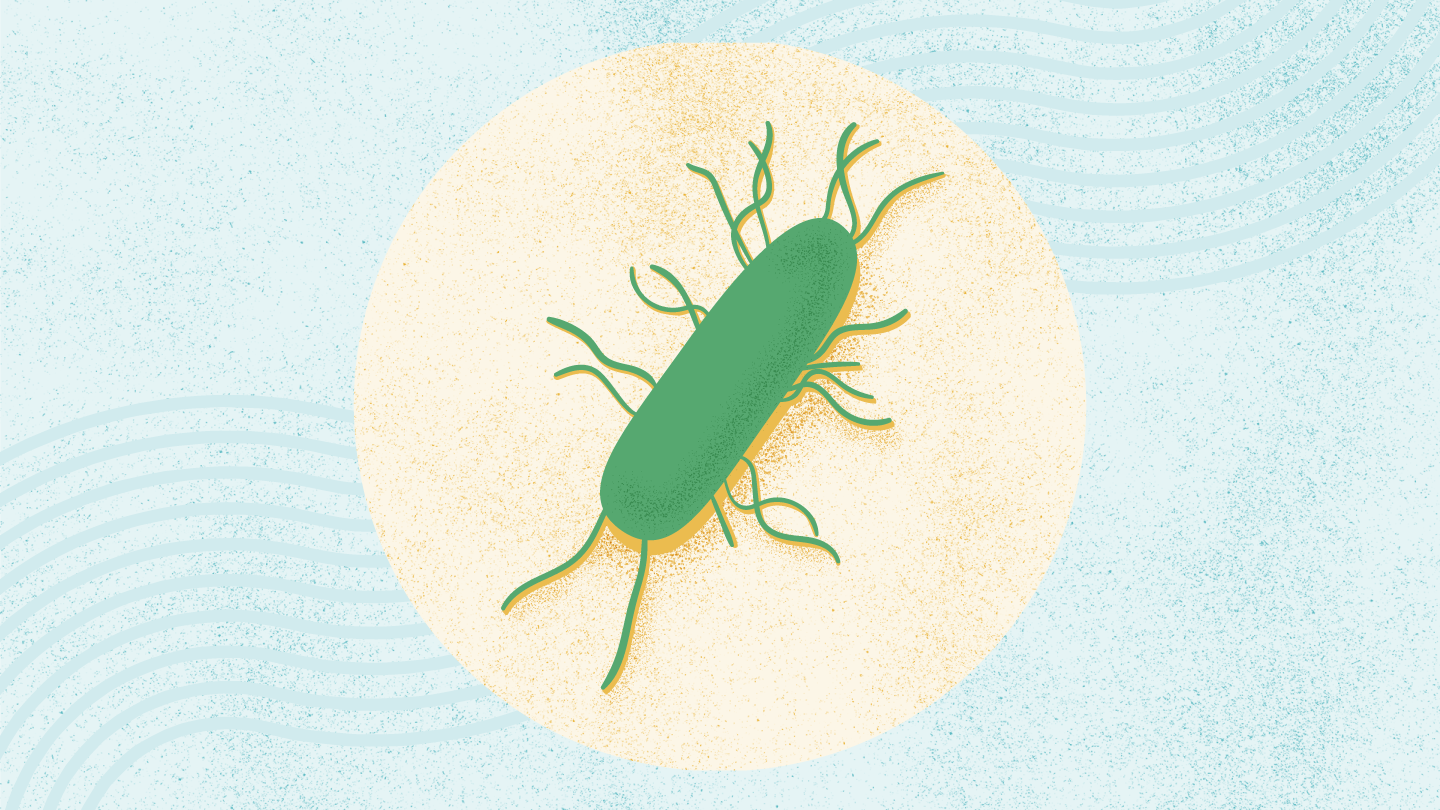
Listeria infection, also called listeriosis, is a bacterial illness caused by Listeria monocytogenes. Most people get it by eating contaminated food. In some people, the infection stays limited to the digestive tract and causes a short bout of nausea, vomiting, or diarrhea. In others, the bacteria move beyond the gut and enter the bloodstream, brain, spinal fluid, placenta, or other tissues. That is when listeriosis becomes a far more serious medical problem.
One of the most important things to understand is that listeria does not affect everyone the same way. A healthy adult might feel like they have a minor stomach bug or a flu-like illness. A pregnant person may have only mild symptoms and still face serious complications for the baby. An older adult or someone receiving chemotherapy may develop invasive infection, sepsis, or meningitis. Same bacteria, wildly different plot twist.
Why Listeria Gets So Much Attention
Listeria is not the most common foodborne germ in the United States, but it is one of the most dangerous for people at high risk. Public health agencies pay close attention to it because it can lead to hospitalization, pregnancy loss, premature delivery, life-threatening newborn infection, and invasive illness in older or immunocompromised adults.
Another reason it worries experts is that the bacteria can grow at refrigerator temperatures. Many germs slow down in the cold. Listeria basically shrugs, puts on a sweater, and keeps going. That is why refrigerated ready-to-eat foods deserve extra caution, especially if they are eaten without reheating.
Who Is Most at Risk for Listeriosis?
Technically, anyone can get listeria infection. Realistically, the people most likely to become seriously ill are:
- Pregnant people
- Newborns
- Adults age 65 and older
- People with weakened immune systems, including those with cancer, kidney disease, liver disease, HIV, diabetes, or organ transplants
- People taking immune-suppressing medications, such as steroids, biologics, or chemotherapy
Pregnancy deserves special mention. Pregnant people are more likely to get listeriosis than other healthy adults, and even when the illness seems mild in the mother, it can still be dangerous for the fetus or newborn. That is why pregnancy food safety advice is so specific about avoiding certain foods or reheating them properly.
Symptoms of Listeria Infection
Symptoms depend on whether the infection stays in the intestines or becomes invasive.
Symptoms of Intestinal Listeria Illness
When listeria causes an intestinal illness, symptoms usually start fairly quickly, often within about 24 hours. This form is usually milder and may last a few days.
- Diarrhea
- Vomiting
- Nausea
- Stomach upset
- Sometimes mild fever
Because these symptoms look like ordinary food poisoning, many people never realize listeria was involved.
Symptoms of Invasive Listeriosis
Invasive listeriosis happens when the bacteria spread beyond the gut. Symptoms often begin within two weeks after eating contaminated food, but the timing can vary a lot. In some cases, symptoms show up much later, which makes the source harder to identify than your average mystery leftovers.
- Fever
- Chills
- Muscle aches
- Fatigue
- Headache
- Stiff neck
- Confusion
- Loss of balance
- Seizures
These symptoms can signal bacteremia, meningitis, or meningoencephalitis, especially in older adults and people with weakened immune systems.
Symptoms During Pregnancy
During pregnancy, listeriosis can be frustratingly subtle. Many pregnant people have only a fever, fatigue, and flu-like muscle aches. Some may have nausea or diarrhea. The illness may seem mild, but the consequences can be severe, including miscarriage, stillbirth, premature delivery, or serious newborn infection.
Symptoms in Newborns
Newborns infected before or around birth may seem generally unwell rather than obviously sick at first. Possible signs include:
- Poor feeding
- Irritability or unusual sleepiness
- Breathing problems
- Fever or unstable temperature
- Bloodstream infection or meningitis
What Causes Listeria Infection?
The cause is straightforward: you eat food contaminated with Listeria monocytogenes. The harder part is figuring out how the food became contaminated in the first place. Listeria can enter the food supply during processing, packaging, storage, transport, or food preparation. It can also spread through cross-contamination in kitchens, refrigerators, cutting boards, and deli counters.
Common foods associated with listeria risk include:
- Deli meats, cold cuts, and hot dogs that are not reheated
- Soft cheeses, especially if made from unpasteurized milk
- Unpasteurized milk and dairy products
- Refrigerated pâté or meat spreads
- Refrigerated smoked seafood
- Raw sprouts
- Melons and some other produce if contaminated
- Ready-to-eat refrigerated foods
- Store-made deli salads in some situations
Importantly, “healthy-looking” food can still be contaminated. Listeria does not announce itself with a weird smell, a neon warning label, or dramatic villain music.
How Doctors Diagnose Listeriosis
Listeriosis is usually diagnosed by identifying the bacteria in a sample from the body. For invasive illness, a healthcare professional may order:
- Blood cultures
- Cerebrospinal fluid testing if meningitis is suspected
- Placental or amniotic fluid testing in pregnancy-related cases
- Other tissue or sterile-site cultures depending on the symptoms
Routine “stomach bug” testing does not always catch listeria, which is one reason intestinal illness is probably underdiagnosed. If someone has fever plus compatible symptoms after eating a recalled or high-risk food, especially if they are pregnant, age 65 or older, or immunocompromised, doctors may think more seriously about listeriosis and order the right tests.
Diagnosis also depends on timing and context. A patient who shows up with confusion and fever after a recent recall is a different story from someone with mild diarrhea after a questionable picnic. Medicine loves context almost as much as bacteria love loopholes.
Treatment for Listeria Infection
Treatment depends on how severe the illness is and who has it.
Mild Intestinal Illness
Some otherwise healthy people with mild gastrointestinal symptoms may recover without antibiotics. Supportive care such as rest, fluids, and monitoring symptoms may be enough. But “mild” should never be self-diagnosed if you are pregnant, older, or immunocompromised.
Invasive Listeriosis
More serious infection is treated with antibiotics. In hospital settings, doctors often use IV antibiotics such as ampicillin, sometimes with gentamicin, depending on the patient and the clinical situation. Treatment can last for days to weeks based on the severity and location of infection.
Treatment During Pregnancy
During pregnancy, prompt treatment matters because antibiotics may help reduce the risk to the baby. A pregnant patient with fever and listeria-compatible symptoms after a possible exposure should contact a healthcare professional promptly rather than waiting to “see if it passes.”
Hospital Care
Some patients need hospitalization for IV antibiotics, fluids, monitoring, treatment of sepsis, or care related to meningitis or pregnancy complications. This is not overreaction. It is what happens when a foodborne illness stops being a digestive inconvenience and starts acting like a bloodstream infection.
When to Call a Doctor Right Away
Contact a healthcare professional promptly if:
- You are pregnant and develop fever, aches, or flu-like symptoms after eating a recalled or high-risk food
- You are age 65 or older or have a weakened immune system and develop fever, headache, or digestive symptoms after possible exposure
- You have severe headache, stiff neck, confusion, balance problems, or seizures
- You learn that you ate a food connected to a listeria recall and now feel ill
If you are in a high-risk group, do not treat this like an ordinary upset stomach and tough it out with crackers and optimism.
How to Prevent Listeria Infection
Prevention is where you have the most control, and thankfully it does not require a laboratory coat. It mostly comes down to smart food choices, clean handling, safe storage, and reheating the right foods.
1. Avoid Unpasteurized Dairy
Skip raw milk and foods made from unpasteurized milk. Check labels on soft cheeses, especially queso fresco, Brie, Camembert, feta, and similar products. Pasteurized versions are safer, but pay attention to recall notices and handling practices too.
2. Reheat Deli Meats and Hot Dogs
If you are pregnant or otherwise at high risk, do not eat deli meats, cold cuts, or hot dogs straight from the package. Heat them until steaming hot, around 165°F, before eating.
3. Be Careful With Refrigerated Ready-to-Eat Foods
Eat perishable ready-to-eat foods as soon as possible. The longer they sit in the refrigerator, the more opportunity listeria has to multiply.
4. Keep Your Refrigerator Cold Enough
Keep the refrigerator at 40°F or below and the freezer at 0°F. A fridge thermometer is not glamorous, but neither is food poisoning.
5. Clean Up Spills Quickly
Wipe refrigerator spills right away, especially juice from deli meats, hot dogs, raw produce, or leftovers. Wash cutting boards, knives, counters, and hands after food handling.
6. Wash Produce Thoroughly
Rinse fruits and vegetables under running water before eating, cutting, or cooking them. This matters even if you plan to peel them because the knife can carry germs from the surface to the inside.
7. Avoid Cross-Contamination
Keep raw meats separate from ready-to-eat foods. Use different cutting boards when possible, or wash and sanitize surfaces well between uses.
8. Follow Recalls Seriously
If a food has been recalled for listeria contamination, do not taste it “just to see.” Throw it out and clean anything it touched, including shelves, drawers, containers, and utensils.
What Living Through a Listeria Scare Often Feels Like
Beyond the clinical facts, listeria has a very human side. The experience is often confusing because symptoms can be vague and delayed, which means people do not always connect them to food right away. One common scenario is the pregnant person who feels a little feverish, achy, and tired after eating something that seemed harmless, like a deli sandwich or soft cheese plate. At first it feels like a mild cold, maybe a rough night’s sleep, maybe just pregnancy fatigue wearing a fake mustache. Then a recall alert appears online, or an obstetrician asks the right question, and suddenly that “small” symptom feels a lot bigger.
Another typical experience involves older adults. A retired parent or grandparent may develop fever, weakness, dizziness, or confusion and not mention any digestive symptoms at all. Families often think dehydration, the flu, or medication side effects are to blame. Only after a hospital visit do they learn that listeria can present as a bloodstream infection or meningitis. For families, that diagnosis can feel shocking because it started with such an ordinary part of life: lunch meat, leftovers, refrigerated smoked fish, or something picked up from a deli.
People with weakened immune systems often describe the experience as especially unfair. They are already juggling medications, lab appointments, or treatment plans, and then one contaminated food exposure turns into another medical emergency. In these cases, what stands out emotionally is not just the illness itself, but the frustration of realizing that food safety has to be managed with the same seriousness as prescriptions. That can be exhausting, but it is also empowering. Once patients understand which foods are riskier and how to store, reheat, and clean properly, many feel more in control and less ambushed by the invisible stuff.
There is also the strange waiting period that listeria creates. With many forms of food poisoning, the connection is obvious: you eat something questionable, and a few hours later your stomach files a formal complaint. Listeria can take longer. That time gap creates doubt. People ask themselves, “Was it the salad? The cheese? The leftovers from last week?” The uncertainty can be stressful, especially during pregnancy. Patients often say the hardest part is not knowing whether mild symptoms are meaningless or the beginning of something serious.
The good news is that informed people make better decisions. Many experiences with listeria end not in tragedy, but in quick action: a call to a doctor, the right culture test, prompt antibiotics, a tossed-out recalled product, a thoroughly scrubbed refrigerator, and a strong vow to never again ignore the words “steam until hot.” If there is a lesson in all these stories, it is this: listeria is serious, but it is also preventable, recognizable, and treatable when people know what to look for and act early.
Conclusion
Listeria infection is a foodborne bacterial illness that ranges from mild digestive symptoms to severe invasive disease. The biggest red flags are not just the symptoms themselves, but who has them: pregnancy, older age, and weakened immunity change the stakes dramatically. The bacteria are most often spread through contaminated food, especially certain refrigerated ready-to-eat items and unpasteurized products. Diagnosis usually requires lab testing from blood, spinal fluid, placenta, or other body samples, and serious cases are treated with antibiotics.
Prevention is wonderfully unglamorous: choose safer foods, wash produce, avoid unpasteurized dairy, keep the fridge cold, reheat high-risk foods, prevent cross-contamination, and take recalls seriously. Not exactly thrilling dinner conversation, but very effective. And when it comes to listeria, effective beats exciting every time.
SEO Tags
Note: This article is for educational purposes only and is not a substitute for personal medical advice, diagnosis, or treatment. If you are pregnant, age 65 or older, immunocompromised, or have neurologic symptoms after possible exposure, seek medical care promptly.