

You did it: you and your surgeon finally broke up with your arthritic knee. Now comes
the big question everyone asks on the way to the operating room: “What is life really
like after knee replacement surgery?”
The short answer: expect progress, not perfection; soreness, not endless agony; and a
lot of walking, icing, and negotiating with your physical therapist. In this guide,
we’ll walk you (pun absolutely intended) through what to expect after your knee
replacement surgery – from the first day in the hospital all the way through your
first pain-free stroll around the block.
The Big Picture: What a New Knee Can (and Can’t) Do
A total knee replacement is designed to do three main things: relieve pain, improve
mobility, and boost your quality of life. Large medical centers report that most
people enjoy significantly less pain and better function once they’ve healed, and
modern implants often last 15–20 years or more when cared for properly.
That said, a knee replacement is not a time machine or a bionic upgrade. You’re most
likely to get back to:
- Walking comfortably on level ground
- Climbing stairs with less pain
- Doing everyday activities like shopping, cooking, and light housework
- Low-impact activities such as cycling, swimming, golf, or dancing
What you shouldn’t expect is to sprint marathons, play full-contact
football, or treat your new joint like a trampoline. High-impact activities can wear
out the prosthetic parts faster and increase your risk of injury. Think “active,
steady lifestyle,” not “auditioning for a superhero movie.”
Your First 24 Hours: Hospital, Monitors, and Your First Walk
After surgery, you’ll wake up in the recovery area with monitors checking your heart,
blood pressure, and oxygen levels. Your surgical leg will be wrapped in a bulky
dressing, and you’ll likely have special stockings or devices on your calves to help
prevent blood clots.
Most people either go home the same day or spend one night in the hospital, depending
on their health, support at home, and how they’re doing after surgery. Don’t be
surprised if a physical therapist shows up within hours to help you sit, stand, and
even take a few steps with a walker. Early movement helps reduce complications and
jump-starts your recovery.
Pain and Swelling: Normal, but Manageable
Let’s be honest: knee replacement surgery is a big operation, so some pain and
swelling are normal. However, your care team will use a combination of medications,
ice, and positioning to keep that pain at a tolerable level so you can move and
participate in therapy.
Typical things you may notice in the first days include:
-
Moderate to severe swelling around the knee and sometimes into the
calf and ankle. - Warmth and stiffness in the joint as your body responds to surgery.
-
Pain with movement, especially bending the knee, which improves
over the first several weeks.
Swelling usually improves over time but can come and go for several months. Elevating
your leg, using ice packs as directed, and wearing compression stockings (if
recommended) are your best friends during this phase.
The First Two Weeks at Home: Sore but Moving Forward
Once you’re home, your focus shifts to three things: protecting your new knee,
keeping it moving, and managing your overall energy. Expect to feel more tired than
usual your body is using a lot of resources to heal, and anesthesia and pain meds
can make you feel like you’re jet-lagged without the vacation.
Wound Care and Safety
Your surgical incision will be covered with a bandage or special dressing. You’ll
receive instructions on when it can get wet, when to change the dressing (if
needed), and what warning signs to watch for, such as increased redness, drainage, or
a foul odor.
Around the house, you’ll likely be using a walker or crutches. Common early safety
tips include:
- Clearing pathways of throw rugs, cords, and clutter
- Using a non-slip mat and grab bars in the bathroom
- Keeping frequently used items at waist level to avoid deep bending
- Asking for help with heavy chores, pets, and small children
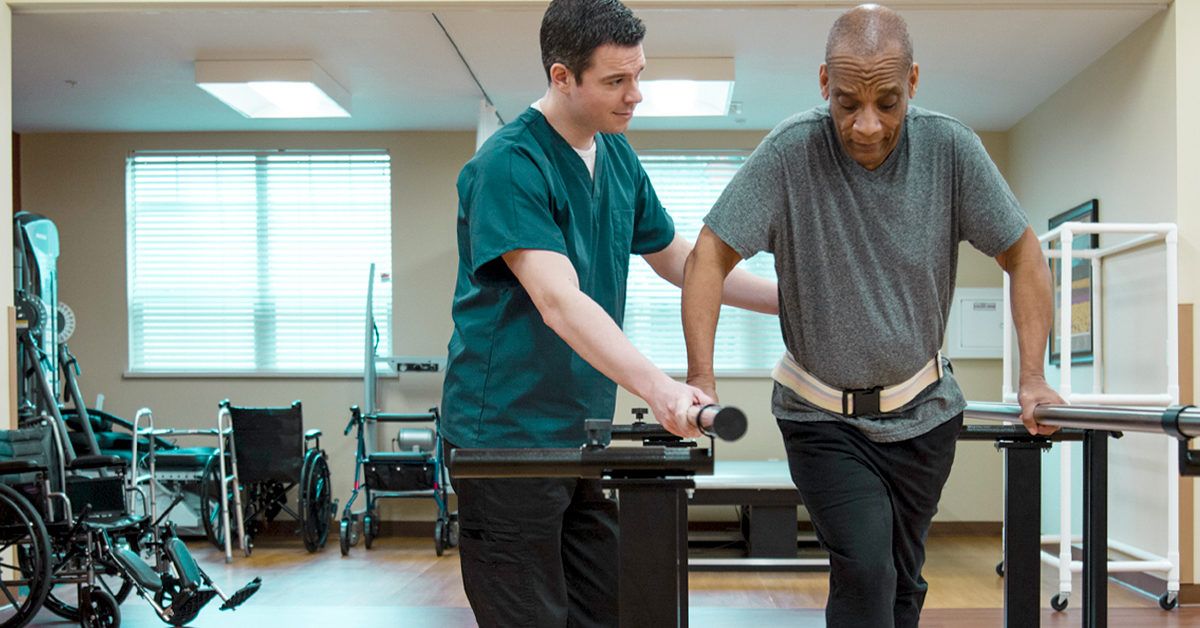
Physical Therapy: Your New Part-Time Job
Rehab starts early, often the day of or the day after surgery. In the first two
weeks, you’ll work on:
- Gently bending and straightening the knee
- Walking short distances with an assistive device
- Strengthening your thigh and hip muscles
- Reducing swelling and improving circulation
Some exercises may feel uncomfortable, but they shouldn’t cause sharp or worsening
pain. The goal is steady improvement, not “no pain, no gain.” Think of your physical
therapist as your recovery coach: they’ll help set realistic goals, correct your
form, and push you just enough so your new knee doesn’t get stiff and stubborn.
Weeks 3–6: Regaining Your Independence
By the time you reach weeks three to six, many people notice real progress. You may
still have swelling and stiffness, but your pain should be decreasing, especially the
deep, achy joint pain you had before surgery.
During this phase, you’ll likely:
-
Transition from a walker to a cane, and eventually to walking without any assistive
device for short distances. - Increase your knee bend (flexion) and work toward fully straightening the joint.
- Practice climbing stairs using a handrail and good technique.
-
Gradually expand your daily activities light cooking, short outings, simple
errands.
Many surgeons allow driving again somewhere around 4–6 weeks after knee replacement
surgery if:
- Your pain is well controlled without strong narcotics
- You can get in and out of the car safely
- You can move your leg quickly enough to brake in an emergency
Always get the green light from your surgeon before getting back behind the wheel.
Months 3–12: From “Surgery Patient” to “Just My New Knee”
At about three months, many people feel “more like themselves.” Walking is easier,
sleep improves, and you’re less focused on your knee 24/7. Your rehab may shift to
more advanced strengthening, balance work, and low-impact exercise like cycling or
swimming.
Some important truths about this period:
-
Swelling can linger. Mild to moderate swelling may come and go for
several months, especially after long days on your feet. -
Full recovery takes time. It’s common for it to take 9–12 months
(or even a bit longer) to feel completely “finished” with recovery. -
Low-impact activities are encouraged. Walking, biking, dancing,
and golf are typically fine with your surgeon’s approval. -
Your knee may feel different. Clicking, a sense of tightness, or a
slightly numb patch of skin near the incision are common and often long-lasting but
not dangerous.
By one year, many people barely think about the fact that they have an artificial
joint – they’re too busy enjoying being able to move without constant knee pain.
Common Side Effects You Probably Don’t Need to Panic About
While your surgeon should review these with you, here are some experiences that are
usually part of normal healing (but always worth mentioning at follow-up visits):
-
Stiffness in the morning or after sitting that improves once you
start moving. - Warmth and mild redness around the incision as the tissues heal.
-
“Mechanical” sensations, like clicking or clunking, as the
artificial parts move. -
Fatigue, especially in the first several weeks as your body heals
and your sleep schedule normalizes. -
Emotional ups and downs it’s common to feel frustrated, worried,
or impatient at times during recovery.
If anything worries you, reach out to your care team. They’d much rather answer a
“false alarm” question than miss an early warning sign.
Red-Flag Symptoms: When to Call Your Surgeon Immediately
Knee replacement surgery is generally safe, but complications can happen. Call your
surgeon or seek urgent care if you notice:
-
Signs of infection: increasing redness, warmth, or swelling that’s
getting worse instead of better; drainage that is cloudy or foul-smelling; fever or
chills. -
Possible blood clot in the leg: new or intense calf pain, a firm
or tender spot in the calf, significant new swelling, or the leg becoming red or
warm. -
Possible lung clot: sudden shortness of breath, chest pain when
you breathe in, rapid heartbeat, feeling lightheaded or faint. -
Severe, new pain or an inability to put weight on the leg after a
fall or twist.
If you’re ever unsure whether something is serious, err on the side of contacting
your surgeon or going to the emergency department.
Setting Realistic Expectations: What Patients and Surgeons See
Research on knee replacement expectations shows that both patients and surgeons
anticipate the biggest improvements in two areas: pain relief and the ability to walk
short distances comfortably. That’s usually where the new knee shines.
However, you may still notice:
-
Some weather-related aches or stiffness (yes, your knee may still complain about
cold fronts). - A different “feel” in the joint compared with your natural knee.
- Limitations with kneeling, squatting, or high-impact sports.
Patients who go into surgery understanding these realities and who commit to rehab
and lifestyle changes tend to be happier with their outcomes than those expecting a
totally “normal” knee or an instant cure.
Top Tips to Make Recovery after Knee Replacement Easier
You can’t control everything about your recovery, but you can stack the odds in your
favor. Here are some practical tips:
1. Prepare Your Home Before Surgery
- Set up a main-floor “recovery zone” with a comfy chair and good lighting.
- Move frequently used items dishes, toiletries, clothing within easy reach.
- Install grab bars or a shower chair if recommended.
- Pre-cook and freeze meals, or plan for simple, healthy options.
2. Build Your Support Squad
Ask family, friends, or neighbors to help with rides, groceries, pet care, and
housework for the first few weeks. Even if you’re fiercely independent, consider this
your moment to practice the fine art of delegating.
3. Take Pain Management Seriously (and Responsibly)
Staying ahead of the pain makes it easier to move, breathe deeply, and sleep. Follow
your surgeon’s instructions about medications, and let them know if your pain
isn’t controlled or if you’re having side effects. Never change doses or add new
medicines without checking first.
4. Treat Physical Therapy Like an Investment, Not a Punishment
The work you put into rehab directly affects how well your knee moves a year from
now. Celebrate small gains a few extra degrees of bend, walking to the mailbox
without stopping, or climbing the stairs more smoothly.
5. Focus on Whole-Body Health
Eating a balanced diet, drinking enough water, not smoking, and managing conditions
like diabetes or high blood pressure all support healing. Gentle activity, deep
breaths, and good sleep hygiene help your body repair itself.
Real-Life Recovery Experiences: What It Can Feel Like
Every knee and every person is different, but hearing what recovery is like for
others can make the process feel more normal and less scary. Here are some composite
examples based on common patient experiences (names and details changed for privacy).
Maria, 68: “The Slow-and-Steady Walker”
Maria had severe osteoarthritis and could barely make it through the grocery store
without stopping. She was nervous about surgery but even more nervous about losing
her independence. The first week after surgery was tough lots of swelling, some
tears during exercises, and a deep fatigue she didn’t expect.
Her turning point came around week three when she noticed she could walk from the
living room to the kitchen without leaning heavily on her walker. By week six, she
was using a cane and proudly measuring her daily steps with a fitness tracker. At
three months, she described her pain as “soreness from exercise,” not the stabbing
joint pain she’d had before.
Her biggest lesson: “Do the exercises even when you don’t feel like it, and ask for
help. I tried to do too much on my own at first and just wore myself out.”
James, 59: “Back to Work, but on New Terms”
James works in an office but had a long commute and a habit of sitting at his desk
for hours. Before surgery, he imagined he’d be back to “normal” in a month. Reality
had different plans. While he was driving again at five weeks and back to work
(part-time) at six weeks, he found sitting all day made his knee stiff and swollen.
His physical therapist helped him adjust by:
- Setting a timer to stand and walk for a few minutes every hour
- Using an adjustable chair and a small footrest to keep his leg comfortable
- Doing a short set of stretches morning, midday, and evening
At four months, James admitted he had underestimated how long full recovery would
take but he was also thrilled that he could walk around his favorite park without
needing to stop for pain.
Lin, 72: “Grandparent on the Move”
Lin’s main goal after knee replacement surgery was simple: get on the floor to play
with her grandkids and be able to get back up without help. In the first six weeks,
just getting in and out of bed felt like an Olympic event. She questioned whether
she’d ever feel “normal” again.
By three months, things felt different. She was walking daily, going to an aquatic
exercise class twice a week, and felt more like herself. Around the nine-month mark,
she realized she’d gone an entire afternoon chasing bubbles and toy cars without once
thinking about her knee.
Her advice: “Don’t compare your recovery to anyone else’s. My neighbor seemed back to
normal in two months. I took longer and that’s okay. We both got to the finish line
in our own time.”
Your Recovery, Your Story
You might recognize parts of yourself in these stories, or you might not. The key is
to remember that knee replacement recovery is a process, not a pass/fail test. There
will be days you feel strong and hopeful, and days you feel sore and discouraged.
When in doubt, lean on your care team, follow your rehab plan, and give yourself
credit for every small step literally and figuratively. Over time, those steps add
up to something big: a life where your knee is no longer the main character in every
scene.
Always talk with your orthopedic surgeon or healthcare provider about questions or
concerns. This article is for general education only and doesn’t replace personalized
medical advice.