

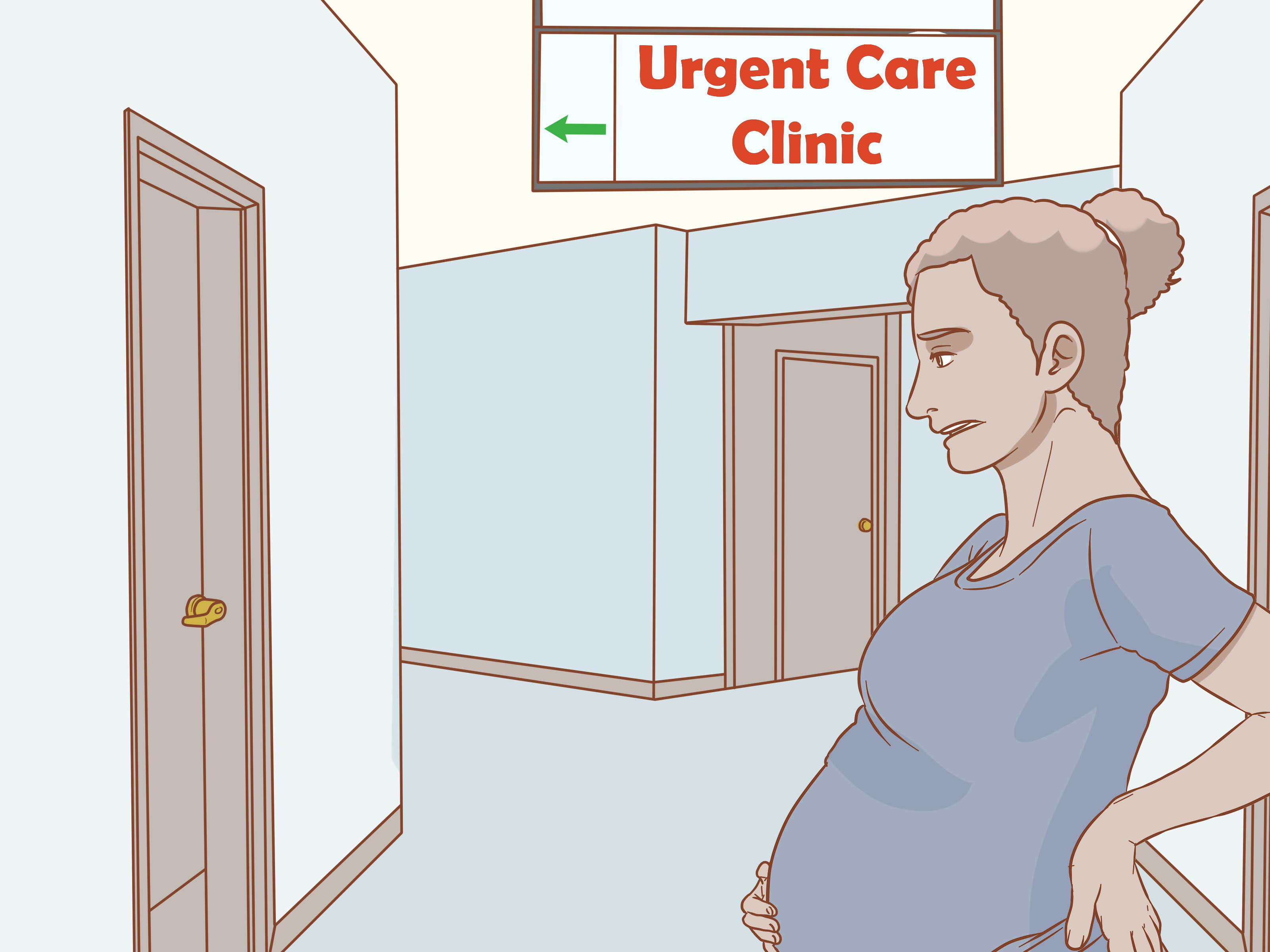
Pregnancy comes with a long list of surprises: glowing skin, snack cravings that deserve their own documentary, and the sudden realization that rolling over in bed can feel like an Olympic event. One common surprise is round ligament pain, a sharp or pulling sensation in the lower belly, hip, or groin area that often appears during the second trimester.
The good news? Round ligament pain is usually a normal part of pregnancy. The even better news? You do not have to simply grit your teeth and whisper, “This is fine,” while clutching a couch pillow. With a few practical habits, gentle movements, and smarter body support, many pregnant people can reduce the frequency and intensity of this discomfort.
This guide breaks down 3 easy ways to ease round ligament pain, including how to move, stretch, rest, and recognize when pain deserves a call to your healthcare provider. Think of it as a calm, useful pregnancy comfort guidewith fewer scary words and more real-life help.
What Is Round Ligament Pain?
The round ligaments are bands of tissue that help support the uterus. As pregnancy progresses, the uterus grows, and those ligaments stretch like tiny internal suspension cables doing a very big job. When they tighten quickly or get tugged by sudden movement, you may feel a sharp, brief pain on one or both sides of the lower abdomen. Some people also feel it in the hips or groin.
Round ligament pain often shows up when you stand too quickly, roll over in bed, cough, sneeze, laugh, twist, or move after sitting still for a while. It can feel like a stab, pull, cramp, or quick jolt. Usually, it lasts only a few seconds to a few minutes and improves with rest or a change in position.
Although it can be startling, round ligament pain is typically not harmful to the baby. However, not every belly pain during pregnancy should be brushed off. Pain that is severe, constant, worsening, or paired with bleeding, fever, chills, vomiting, burning during urination, dizziness, or contraction-like cramping should be checked by a healthcare professional right away.
Way 1: Move Slowly and Support Your Belly
The first and easiest way to ease round ligament pain is to stop surprising your ligaments. Sudden movement is one of the most common triggers. Your body may still remember your pre-pregnancy speed, but your ligaments are now living by a different schedule. They prefer slow, thoughtful movementbasically, the opposite of jumping up because your phone is ringing in another room.
Change Positions Like You Mean It
When getting out of bed, roll onto your side first, use your arms to push yourself up, then swing your legs over the edge. Pause for a breath before standing. This simple sequence reduces the sudden pull on the lower belly and pelvis.
When standing from a chair, scoot forward, place both feet flat on the floor, lean slightly forward, and rise slowly. Avoid twisting at the waist while standing. Instead, turn your whole body, feet included. Your belly is already hosting a tiny roommate; it does not need surprise choreography.
Brace Before Coughing, Sneezing, or Laughing
Coughing, sneezing, or laughing can trigger round ligament pain because the belly muscles and ligaments suddenly tighten. If you feel a sneeze coming, gently bend your hips, lean slightly forward, or support the lower belly with your hands. This small move can reduce the quick stretch that causes that sharp “ouch” moment.
Use a Pregnancy Support Belt
A maternity support belt or belly band can help lift and support the growing abdomen, especially during walking, errands, or long periods on your feet. It will not “cure” round ligament pain, but it can reduce strain and make daily movement more comfortable.
Choose a belt that feels supportive but not tight. You should be able to breathe comfortably, sit down without feeling squeezed, and move without pressure. If a support belt makes pain worse, causes numbness, or feels restrictive, stop using it and ask your provider for guidance.
Way 2: Try Gentle Stretching, Warmth, and Rest
When round ligament pain appears, the goal is not to “push through.” Pregnancy is not the time to prove that you are tougher than your ligaments. Instead, use gentle stretching, warm comfort, and intentional rest to help the irritated area relax.
Use Pregnancy-Safe Gentle Stretches
Gentle stretching can help reduce tension in the hips, pelvis, lower back, and abdominal area. The key word is gentle. Any stretch that causes sharp pain, dizziness, pressure, or discomfort should be stopped.
One helpful option is a modified cat-cow stretch. Start on your hands and knees, keeping your movements slow. Gently round your back upward, then return to a neutral spine. Avoid forcing your belly downward. Move through a comfortable range and breathe steadily.
Another option is a supported pelvic tilt. Stand with your back against a wall or sit on a sturdy chair. Gently tilt your pelvis forward and back without arching dramatically. This can help reduce lower back and pelvic tension.
Side-lying rest can also help. Lie on your side with a pillow between your knees and another pillow under your belly if needed. This position can reduce pulling on the round ligaments and make rest feel more restful instead of like a pillow engineering project.
Apply Mild Warmth
Warmth can relax tight muscles and ease discomfort. Try a warm bath, warm shower, or mild warm compress on the sore area. Keep the temperature comfortable, not hot. Pregnancy and overheating are not best friends, so avoid hot tubs, very hot baths, or heating pads set too high.
If you use a warm compress, place a cloth between the heat source and your skin. Use it for a short period, then check how you feel. The goal is cozy relief, not turning your belly into a toasted sandwich.
Rest When Your Body Asks Nicelyor Not So Nicely
Round ligament pain often improves when you stop, sit, or lie down. If pain happens during walking or chores, pause and change position. Take slow breaths. Try leaning forward slightly or bringing your knees toward your belly while lying on your side.
Rest does not mean doing nothing all day. It means paying attention to patterns. If pain shows up after long grocery trips, standing in the kitchen, or climbing stairs repeatedly, your body may be asking for shorter activity blocks and more breaks.
Way 3: Reduce Triggers With Smarter Daily Habits
The third way to ease round ligament pain is prevention. You may not prevent every twinge, but you can make pain less likely by adjusting your daily routine, posture, and activity level.
Stay Active, But Keep It Pregnancy-Friendly
Moderate movement can help support circulation, flexibility, and muscle strength during pregnancy. Walking, prenatal yoga, swimming, and water aerobics may be helpful for many people. Water-based movement can feel especially good because it reduces pressure on the belly, back, and joints.
Before starting a new exercise routine during pregnancy, check with your healthcare provider, especially if you have a high-risk pregnancy, bleeding, severe pain, dizziness, or medical restrictions. Exercise should feel supportive, not punishing.
Avoid Heavy Lifting and Sudden Twisting
Heavy lifting can strain the back, pelvis, and abdominal area. If you need to pick something up, bend at the knees, keep the object close to your body, and avoid twisting while holding it. Better yet, ask for help when possible. Pregnancy is an excellent time to let someone else carry the giant laundry basket.
The same rule applies to quick turns. Instead of twisting your torso to reach behind you, turn your whole body. Small changes in movement can make a big difference when your ligaments are already stretched.
Use Pillows Like a Professional
Sleep can become complicated during pregnancy, especially when belly growth changes your usual position. A pillow between the knees can help align the hips. A small pillow under the belly can reduce downward pull. A pillow behind the back can keep you comfortably angled on your side.
You do not need a palace of pillows, but you may need strategic support. The right setup can reduce nighttime pulling and make rolling over less dramatic.
Ask Before Taking Pain Medicine
Some healthcare providers may recommend acetaminophen for pregnancy aches, but you should always ask your provider before taking any medication, even over-the-counter medicine. Avoid assuming that a medicine is safe just because it is easy to buy. Pregnancy changes the rulebook, and the rulebook likes fine print.
When to Call Your Healthcare Provider
Round ligament pain is usually brief and improves with rest or position changes. Still, it is important to know when to get medical advice. Call your provider promptly if pain is severe, constant, getting worse, or does not improve after rest.
You should also seek care if pain comes with vaginal bleeding, fluid leakage, fever, chills, nausea, vomiting, dizziness, painful urination, shoulder pain, strong pelvic pressure, or contractions. These symptoms can point to issues that need medical evaluation.
When in doubt, call. You are not “bothering” your provider. Pregnancy questions are part of the job description, and peace of mind is worth more than trying to diagnose yourself at 2 a.m. with one eye open and twelve browser tabs.
A Simple Daily Plan for Round Ligament Pain Relief
A practical routine can help you manage round ligament pain without turning your day into a medical spreadsheet. In the morning, get out of bed slowly by rolling to your side first. Before walking around, take a moment to stretch gently or do a few slow pelvic tilts if your provider has approved them.
During the day, move with intention. Stand slowly, avoid sudden twists, wear supportive shoes, and use a maternity belt if it helps. Break larger tasks into smaller chunks. Instead of cleaning the whole kitchen at once, clean one section, rest, then continue. The kitchen will survive. It has seen worse.
In the evening, try a warm shower, side-lying rest, or gentle stretching. Notice what triggered pain that day. Was it rushing? Standing too long? Rolling over too fast? The more you understand your patterns, the easier it becomes to prevent flare-ups.
Common Mistakes That Can Make Round Ligament Pain Worse
One common mistake is moving quickly after sitting or lying down. Another is ignoring early discomfort and continuing the same activity until the pain gets sharper. Your body often gives small warnings before it sends a louder message.
A second mistake is overstretching. Pregnancy hormones can loosen ligaments, which may make deep stretches feel tempting. But more stretch is not always better. Choose controlled, comfortable movement instead of chasing flexibility.
A third mistake is assuming all belly pain is round ligament pain. While round ligament pain is common, pregnancy can involve other causes of abdominal or pelvic pain. If something feels unusual, intense, or different from your typical pattern, check with your provider.
Real-Life Experiences: What Round Ligament Pain Can Feel Like Day to Day
Many pregnant people describe round ligament pain as a quick, surprising jab that appears during normal activities. One moment you are standing up from the couch, and the next moment your lower belly sends a sharp reminder that your uterus has entered its expansion era. The pain may disappear quickly, leaving you wondering, “Was that serious, or did my body just press a random alarm button?”
A common experience is pain while rolling over in bed. As pregnancy progresses, turning from one side to the other can feel less like sleeping and more like repositioning a very delicate cargo ship. Moving slowly, keeping the knees slightly bent, and using pillows for support can make the process smoother.
Another frequent story involves sneezing. A harmless sneeze can suddenly trigger a pulling pain near the lower belly or groin. Some people learn to brace instinctively by leaning forward or supporting the belly with their hands. It may look a little dramatic, but if it prevents that sharp ligament tug, drama wins.
Walking can also reveal patterns. A short walk may feel great, while a longer errand with hard floors, heavy bags, and no breaks may bring on discomfort. This does not mean movement is bad. It simply means the body may prefer pacing, supportive shoes, hydration, and rest breaks.
Some people notice that round ligament pain feels worse on busy days. Standing for long periods, lifting older children, doing housework, or rushing between tasks can increase strain. On calmer days, symptoms may be milder. This pattern can be frustrating, but it also gives useful clues. Relief often starts with respecting the body’s limits before discomfort becomes intense.
Emotional reactions are part of the experience too. Even when round ligament pain is normal, sharp pain during pregnancy can feel scary. It is completely reasonable to pause, breathe, and check in with your body. It is also reasonable to call your healthcare provider if you feel unsure. Pregnancy is not a test where you earn extra points for silently tolerating discomfort.
Over time, many people develop a personal comfort toolkit: a favorite pillow setup, a warm shower routine, a slower way of standing, a trusted stretch, or a belly band for errands. These small habits can make pregnancy feel more manageable. Round ligament pain may not vanish overnight, but it often becomes less intimidating when you know what it is, what helps, and when to ask for help.
Conclusion
Round ligament pain is one of those pregnancy symptoms that can be normal and annoying at the same time. It often happens because the ligaments supporting the uterus stretch as the belly grows, especially during the second trimester. The pain may feel sharp, pulling, or sudden, but it usually improves with slow movement, rest, gentle stretching, warmth, and better support.
The best approach is simple: move slowly, support your belly, avoid sudden twists, rest when needed, and use pregnancy-safe comfort measures. Just as important, know the warning signs. Severe, constant, worsening, or unusual pain should never be ignored, especially if it comes with bleeding, fever, contractions, dizziness, or other concerning symptoms.
Pregnancy changes the body in impressive ways. Sometimes those changes feel magical. Sometimes they feel like your ligaments are filing a complaint. With the right habits and guidance from your healthcare provider, round ligament pain can become easier to understand, manage, and survivewith your sense of humor still mostly intact.