

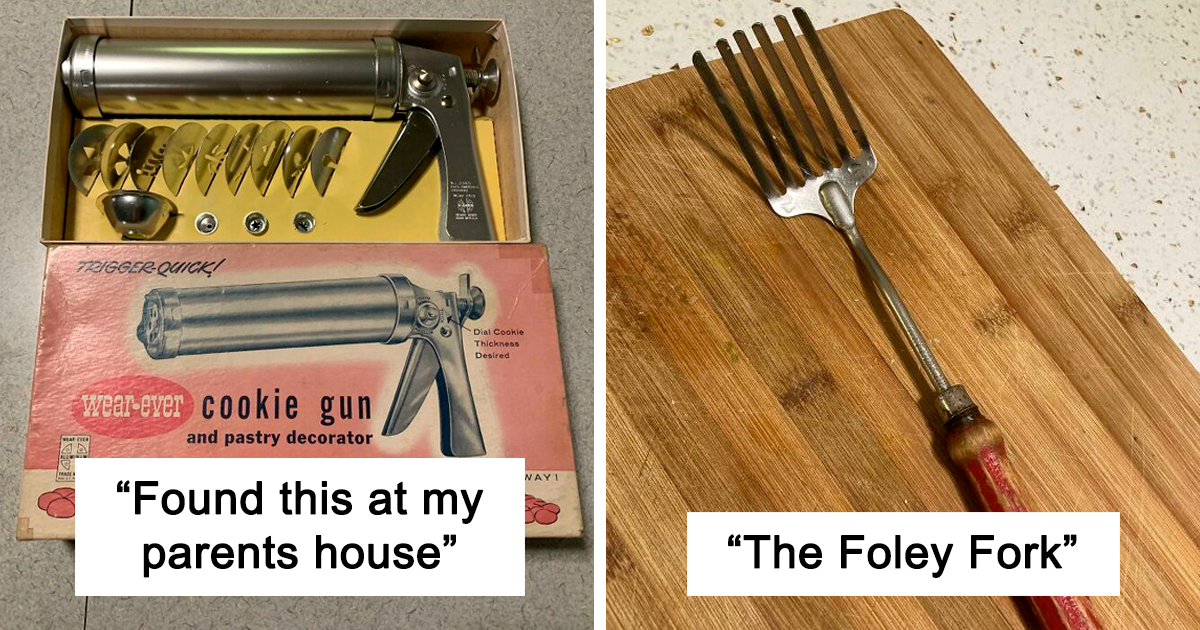
Open a modern kitchen drawer and you’ll probably find a silicone spatula, a microplane, a digital thermometer, and at least one mystery charger that absolutely does not belong there. But not so long ago, American kitchens were ruled by hand-cranked, clamped-on, enamel-coated, wood-handled tools that looked sturdy enough to survive a tornado and still make pie afterward.
The funny thing about old kitchen tools is that most of them were not silly. They were brilliant for their time. Before food processors, electric mixers, nonstick pans, pod coffee makers, and smart ovens, home cooks relied on simple gadgets that demanded a little muscle, a little patience, and occasionally a mild negotiation with physics. Some tools disappeared because technology replaced them. Others vanished because our eating habits changed. And a few were retired because, honestly, nobody needs a separate gadget just to slice one banana unless they are running a banana-slicing empire.
Below is a nostalgic, practical, and slightly amused look at 30 once-popular kitchen tools that we don’t see as often anymore. Some still appear in antique shops, farmhouse kitchens, grandmother’s cupboards, or the homes of people who proudly say, “They don’t make them like this anymore.” In several cases, they are right.
Why Old Kitchen Tools Disappeared
Kitchen tools vanish for many reasons. The biggest is convenience. A food processor can chop, slice, shred, and puree in seconds. A stand mixer can beat cake batter without giving your forearm a full gym session. Refrigerators replaced iceboxes, drip coffee makers pushed percolators off many counters, and electric multi-cookers made the old stovetop pressure cooker feel like a tiny locomotive with trust issues.
But changing lifestyles matter too. Fewer households churn butter, grind meat at home, sift flour for every cake, or make aspic for dinner parties. Kitchens also got smaller in many homes and apartments, which made single-purpose tools harder to justify. The old kitchen was often built around preparation from scratch; the modern kitchen is built around speed, storage, cleanup, and multitasking.
30 Once-Popular Kitchen Tools That We Don’t See Anymore
1. Rotary Egg Beater
The rotary egg beater was once the pride of the baking drawer. With a crank, two beaters, and a satisfying mechanical whir, it whipped eggs, cream, and batters before electric hand mixers took over. It still works beautifully, but modern cooks usually reach for a whisk, immersion blender, or stand mixer instead.
2. Hand-Crank Flour Sifter
Before pre-sifted flour and quick-mix baking became normal, flour sifters were essential. The metal canister with a crank or squeeze handle helped aerate flour and remove lumps. Today, many bakers use a fine-mesh sieve, while casual cooks skip the step entirely and hope the cake is feeling forgiving.
3. Food Mill
A food mill purees cooked vegetables and fruits while separating skins and seeds. It was perfect for tomato sauce, applesauce, mashed potatoes, and baby food. While serious cooks still love it, blenders and food processors pushed it into the “grandma knew what she was doing” category.
4. Clamp-On Meat Grinder
The heavy metal meat grinder clamped to the edge of the table and turned leftover roast or fresh cuts into ground meat. It also handled breadcrumbs and vegetables. Today, most people buy ground meat at the store, and home grinders are more common among hunters, sausage makers, and burger perfectionists.
5. Manual Coffee Grinder
The old hand-crank coffee grinder looked charming, smelled wonderful, and made breakfast feel like a pioneer documentary. Burr grinders are still popular among coffee lovers, but the drawer-style wooden grinder is now more likely to decorate a shelf than fuel a weekday morning.
6. Stovetop Coffee Percolator
Percolators were once the sound of morning: bubbling, sputtering, and filling the kitchen with coffee aroma. Many households replaced them with drip machines, single-serve brewers, French presses, or pour-over setups. Percolator fans still exist, and they are prepared to defend their coffee with enthusiasm.
7. Ice Pick
Before automatic ice makers and bagged ice, people chipped blocks of ice by hand. The ice pick was practical, sharp, and slightly terrifying. Today, it mostly survives in cocktail bars, antique collections, and old movies where someone dramatically opens an icebox.
8. Icebox
The icebox was an insulated cabinet that kept food cool with a block of ice. It was a household necessity before electric refrigerators became common. Modern refrigerators made the icebox obsolete, though the phrase “icebox cake” remains delicious proof that language has a longer shelf life than appliances.
9. Butter Churn
Butter churns turned cream into butter through repeated motion, either with a plunger or crank. Once a common farm kitchen tool, it disappeared as store-bought butter became affordable and reliable. Today, making butter at home is more of a fun weekend experiment than a daily chore.
10. Butter Mold or Butter Stamp
Butter molds pressed decorative patterns into homemade butter. They made the table look elegant and helped identify butter from a particular household or dairy. Now, butter usually arrives in sticks, tubs, or fancy European blocks wrapped like tiny edible presents.
11. Jelly Strainer
A jelly strainer used a cloth bag and stand to separate fruit juice from pulp when making clear jellies. Home canners still use them, but most kitchens no longer produce rows of jewel-toned jars every summer. Store-bought jam made this tool less common, though not less useful.
12. Canning Jar Lifter
This tong-like tool lifted hot jars safely from boiling water. It is still essential for canning, but because fewer households preserve food regularly, many people have never seen one. Anyone who has tried to remove a hot jar with regular tongs understands why this tool deserved respect.
13. Cone-Shaped Colander or Chinois
The cone strainer helped strain sauces, soups, custards, and purees. It often came with a wooden pestle to push food through. Restaurants still use versions of it, but home cooks usually rely on mesh strainers, blenders, or the ancient technique known as “good enough.”
14. Potato Ricer
A potato ricer presses cooked potatoes into tiny rice-like pieces, creating fluffy mashed potatoes without gluey overmixing. It has not vanished completely, but it is far less common than the basic masher. The ricer remains beloved by cooks who take mashed potatoes personally.
15. Pastry Blender
This handled tool with curved metal wires cuts butter or shortening into flour for biscuits and pie crust. Food processors now do the job quickly, but pastry blenders are quieter, cheaper, and easier to clean. They are also excellent at making you feel like you know pie secrets.
16. Egg Coddler
Egg coddlers cooked eggs gently in small lidded cups placed in hot water. They produced soft, delicate eggs suitable for breakfast or elegant brunch. Today, they are uncommon because most people either fry, scramble, boil, or order their eggs from a menu with too many font choices.
17. Egg Slicer
The egg slicer used thin wires to cut hard-boiled eggs into neat slices. It was handy for salads, sandwiches, and party trays. It still exists, but many modern cooks simply use a knife. The egg slicer’s main enemy was not technology; it was drawer clutter.
18. Grapefruit Spoon
With a serrated tip and pointed bowl, the grapefruit spoon made breakfast citrus easier to scoop. Grapefruit was once a standard breakfast item, especially in mid-century diets. As breakfast habits shifted toward smoothies, cereal bars, and coffee consumed while standing, the grapefruit spoon lost its throne.
19. Melon Baller
The melon baller turned cantaloupe, honeydew, and watermelon into tidy spheres for fruit salads and buffet trays. It is still useful, but not many people today feel obligated to make fruit look like it attended finishing school.
20. Nut Grinder
Manual nut grinders chopped walnuts, pecans, and almonds with a crank. They were common when baking from scratch was routine and chopped nuts appeared in cakes, cookies, salads, and holiday dishes. Food processors now dominate, though they can turn nuts into paste if you blink too slowly.
21. Nutmeg Grater
Small nutmeg graters were once common because whole nutmeg kept better and tasted fresher than pre-ground spice. Many cooks now buy ground nutmeg, but those who grate it fresh know the aroma is worth the extra ten seconds.
22. Cookie Press
The cookie press, especially popular for spritz cookies, pushed dough through patterned discs. It made holiday baking efficient and decorative. It still appears in some kitchens, but many families have replaced it with slice-and-bake dough, drop cookies, or bakery boxes pretending to be homemade.
23. Cake Breaker
A cake breaker looked like a comb with long tines and was designed to cut angel food cake without crushing it. It was a clever tool for a specific dessert. As angel food cake became less central to home entertaining, the cake breaker quietly left the table.
24. Aspic Mold
Aspic molds shaped savory gelatin dishes filled with vegetables, meats, or seafood. They were once considered elegant. Today, most people see a molded tuna salad suspended in gelatin and immediately search for an exit strategy. Decorative molds survived better in desserts than in dinner.
25. Stovetop Waffle Iron
Before electric waffle makers, cast-iron waffle irons sat over a flame and had to be flipped manually. They made crisp waffles but required heat control and attention. Electric models made the process easier, though outdoor cooks and vintage fans still appreciate the old version.
26. Stovetop Toaster
The stovetop toaster held slices of bread over a burner. It was simple, lightweight, and useful before pop-up toasters became standard. Today, it is mostly used for camping or nostalgia, because most people prefer toast that does not require close supervision and emotional support.
27. Electric Knife
The electric carving knife was a mid-century marvel, especially for roasts and holiday turkeys. It still exists, but many households no longer use one regularly. Good chef’s knives, pre-sliced meats, and smaller family meals reduced its everyday importance.
28. Electric Can Opener
Countertop electric can openers once felt futuristic. They were common wedding gifts and kitchen counter staples. Manual openers, pull-tab cans, and cleaner modern designs pushed them out of many kitchens. Still, they remain helpful for people with limited hand strength.
29. Bread Box
The bread box kept loaves protected before plastic bags, airtight containers, and freezer storage became routine. Vintage bread boxes are now popular as decor, but fewer homes use them daily. In many modern kitchens, bread lives wherever there is space, which is usually on top of the microwave.
30. Recipe Card Box
The recipe card box was not exactly a tool for cutting or mixing, but it was a kitchen command center. It held family recipes, newspaper clippings, handwritten notes, and mysterious instructions like “bake until done.” Today, recipe apps and search engines dominate, but no phone screen can match a sauce-stained card written by someone you loved.
What These Forgotten Kitchen Gadgets Tell Us About Home Cooking
These old-fashioned kitchen tools reveal how much home cooking has changed. In the past, tools were often designed around preserving food, stretching ingredients, baking from scratch, and making labor-intensive tasks manageable. A jelly strainer made sense when jam-making was seasonal survival as much as pleasure. A meat grinder was useful when cooks had to transform scraps into another meal. A butter mold mattered when homemade butter went straight from kitchen to table.
Modern kitchens are different. We buy more prepared ingredients, rely on refrigeration, use compact appliances, and expect speed. The tools that survived are usually versatile, easy to clean, or emotionally meaningful. The tools that disappeared were often bulky, single-purpose, or tied to foods that fell out of fashion.
Still, it would be unfair to call these tools useless. Many of them do their jobs extremely well. A food mill can make better tomato sauce than a blender. A pastry blender gives you more control than a food processor. A potato ricer can rescue mashed potatoes from becoming wallpaper paste. And a rotary egg beater can still whip cream without needing an outlet, a charging cable, or a software update.
Should You Keep or Collect Vintage Kitchen Tools?
If you find one of these vintage kitchen tools in a thrift store, estate sale, or family cupboard, don’t dismiss it immediately. Some are worth keeping for practical reasons. Food mills, ricers, pastry blenders, cast-iron waffle irons, and manual grinders can still earn their drawer space. Others are worth keeping for sentimental or decorative value, especially recipe boxes, bread boxes, butter molds, and old coffee grinders.
Before using any vintage kitchen gadget, check the material, condition, and safety. Avoid cracked enamel, rust that touches food, loose parts, damaged cords, and unknown coatings. Vintage electric appliances deserve extra caution because wiring and insulation can degrade over time. A charming old mixer is not charming if it sparks like a tiny kitchen dragon.
Experience: What It Feels Like to Cook With Tools From the Past
Cooking with old kitchen tools is a different experience from cooking with modern gadgets. It slows everything down, sometimes in a frustrating way, but often in a surprisingly pleasant one. When you use a rotary egg beater, you feel the batter thickening. When you crank a food mill, you see tomato skins and seeds separate from the sauce. When you sift flour by hand, you notice texture. These tools make cooking more physical, more visible, and more connected to the ingredients.
There is also a kind of kitchen confidence that comes from using simple tools. A modern appliance may do the job faster, but it can hide the process. The old tools show you what is happening. They teach pressure, timing, patience, and rhythm. A pastry blender teaches you what cold butter should look like in flour. A potato ricer shows why overworked potatoes turn gummy. A manual grinder reminds you that “convenience food” used to mean having a strong clamp and a clean table edge.
Many people who inherit old kitchen tools feel a connection that goes beyond function. A recipe card box filled with handwritten notes can make a kitchen feel like a family archive. A bread box from a grandparent’s house may not be the most airtight storage solution, but it carries memory. Even a worn flour sifter can feel like a small machine powered by decades of birthday cakes, Sunday biscuits, and holiday pies.
The experience is not always romantic, of course. Some old tools are awkward. Some are difficult to clean. Some require more effort than the final result deserves. There is a reason nobody is begging to bring back the ice pick as a daily necessity. And while aspic molds are fascinating, the average dinner guest is not currently demanding chicken salad suspended in lemon gelatin. Progress has its perks.
Still, trying these tools can change how you think about cooking. It reminds you that every “easy” modern step once required a dedicated object and a practiced hand. It also makes you appreciate good design. Many vintage kitchen gadgets were built to last for generations, with metal gears, wooden handles, and repairable parts. They may look old-fashioned, but they were often engineered with impressive common sense.
A great way to experience vintage cooking is to choose one tool and use it for a real recipe. Make applesauce with a food mill. Whip cream with a rotary egg beater. Bake spritz cookies with a cookie press. Grind coffee by hand on a quiet morning. The goal is not to reject modern appliances. The goal is to understand the kitchen as a place with history, personality, and a few squeaky moving parts.
In the end, these once-popular kitchen tools are not just clutter from the past. They are reminders of how families cooked, saved, hosted, celebrated, and improvised. Some deserve a comeback. Some deserve a museum shelf. And some deserve to stay exactly where they are: in a dusty box labeled “kitchen stuff,” waiting for someone to ask, “What on earth is this?”
Conclusion
The story of these 30 once-popular kitchen tools is really the story of American home cooking. As technology advanced and daily routines changed, many practical gadgets became unnecessary, outdated, or simply too specialized for modern drawers. But forgotten does not always mean worthless. A food mill, pastry blender, potato ricer, or recipe card box can still bring value, flavor, and memory into the kitchen.
Old kitchen tools remind us that convenience is wonderful, but connection matters too. They carry the sound of Sunday baking, the smell of percolated coffee, the patience of homemade jam, and the humor of a time when every task seemed to require its own oddly shaped gadget. Whether you collect them, use them, or simply admire them, vintage kitchen tools prove that the past still has a seat at the tablepreferably one near the pie.
Note: This article is written as original, publication-ready content based on real kitchen history, vintage cooking practices, and modern home-cooking trends. It does not include source links inside the article body.