

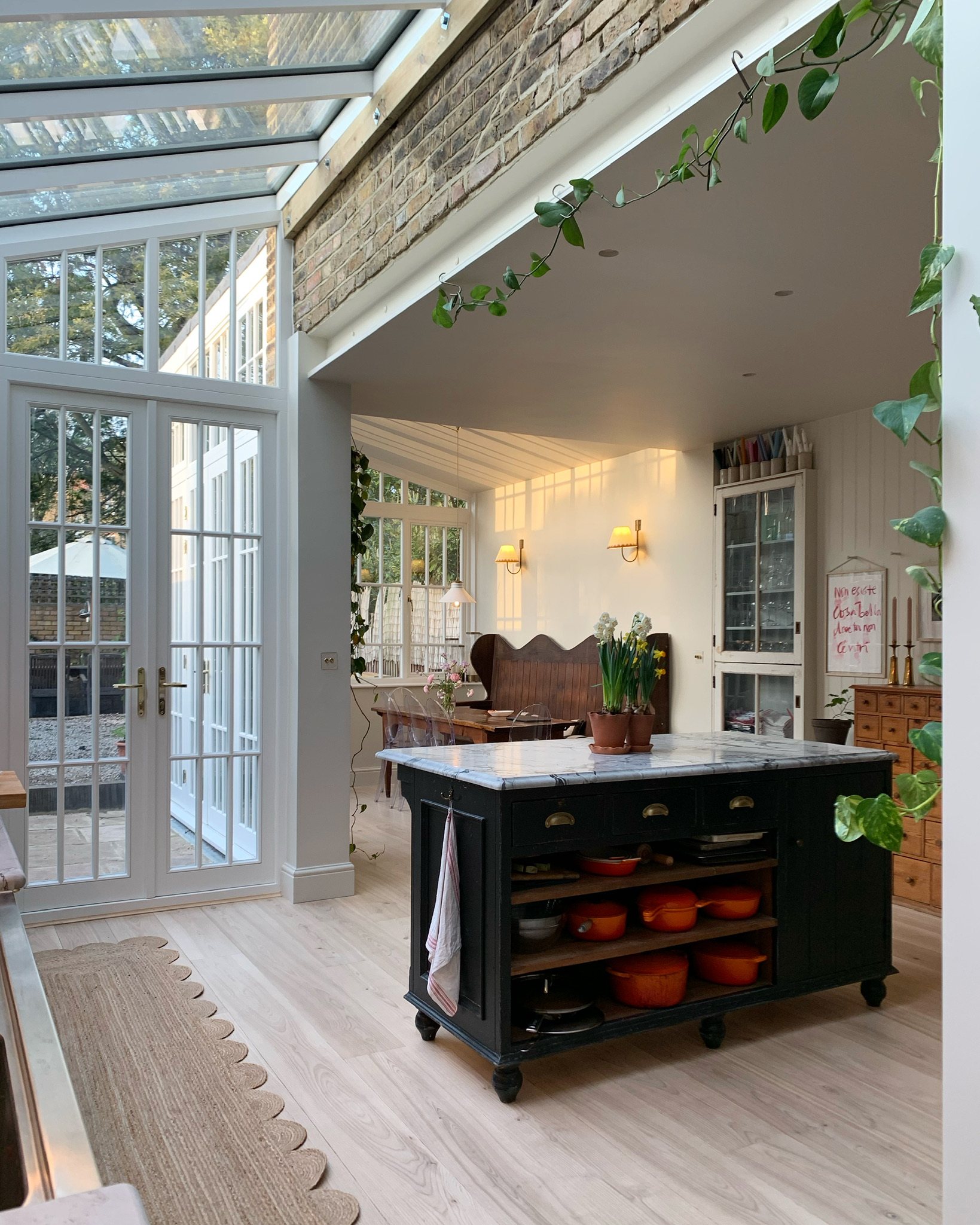
Some kitchens win you over with a marble island the size of a small country. Others rely on dramatic pendant lighting, custom cabinetry, or a refrigerator that looks like it has its own investment portfolio. And then there are kitchens that quietly charm you with one small, clever detail: a scallop-edged rug underfoot.
That is the magic behind the design moment captured in “Remodelista Reconnaissance: Scallop-Edged Rugs in a London Kitchen.” The idea is simple, almost suspiciously simple: take a hardworking natural-fiber rug, give it a playful scalloped border, and place it in a clean, character-filled London kitchen. Suddenly the room feels warmer, softer, and more personalwithout changing the cabinets, repainting the walls, or selling a kidney for imported stone.
Scallop-edged rugs are part of a larger interiors movement toward curves, craft, natural texture, and “just enough whimsy.” They bring a gentle decorative rhythm to kitchens, which are often dominated by straight lines: cabinet boxes, tile grids, countertops, islands, shelves, and appliances. A scalloped jute runner interrupts all that geometry with a wink. It says, “Yes, I am practical. But I also know how to have a little fun before the coffee kicks in.”
Why Scallop-Edged Rugs Work So Well in a Kitchen
A kitchen rug has to earn its keep. It cannot simply lounge around looking beautiful like a velvet chair in a formal sitting room. It must tolerate crumbs, foot traffic, the occasional olive oil incident, and possibly a dog who believes the rug is a personal runway. That is why natural-fiber and flat-weave rugs have become popular choices for kitchens: they add texture without overwhelming the room and often sit low enough to reduce bulk.
The scalloped edge adds personality without making the rug feel fussy. Instead of a standard rectangle, the border forms a series of repeating arcs, creating movement along the floor. In a London kitchenespecially one with classic architecture, glass, vintage pieces, and practical surfacesthe effect feels both old-world and fresh. It is the decorating equivalent of wearing loafers with a striped sock: tasteful, but not asleep.
The Softening Power of Curves
Most kitchens are built from hard materials: stone, wood, tile, metal, glass. They are beautiful, yes, but they can feel a bit stern. A scalloped rug brings in curves, and curves are visual comfort food. The repeated half-moon border softens cabinetry, warms up flooring, and adds a handmade note that balances polished surfaces.
This is why scalloped details have been appearing on everything from lampshades and tableware to headboards, mirrors, baskets, and furniture. The shape feels nostalgic but not dusty. It nods to vintage design, coastal motifs, Victorian detailing, and cottage style, yet it can also look crisp in a modern space when paired with restrained colors and simple materials.
The London Kitchen Look: Minimal, Collected, and Slightly Mischievous
The London kitchen that inspired this design conversation has the kind of effortless charm people try very hard to make look effortless. It feels collected rather than showroom-perfect. That distinction matters. A showroom kitchen often looks as if nobody has ever chopped an onion there. A collected kitchen looks like someone might actually make soup, pour wine, and forget where they put the good scissors.
Scallop-edged rugs fit beautifully into that kind of interior because they bridge the gap between utility and character. They are not loud statement pieces. They do not demand applause. Instead, they add a gentle layer of texture and shape, grounding the kitchen while making it feel lived-in.
Natural Fiber Makes the Trend Feel Grown-Up
The key to keeping scalloped rugs sophisticated is material. A scalloped edge in a bright synthetic shag might lean playful to the point of cartoonish. A scalloped edge in jute, sisal, seagrass, cotton, or wool feels calmer and more architectural. Natural fiber gives the decorative border a grounded quality, making the rug feel artisanal instead of novelty-driven.
Jute in particular has a relaxed, earthy look that suits kitchens with wood tones, painted cabinetry, terracotta, brass, stone, or vintage furniture. Its warm beige color plays nicely with both white walls and moodier palettes. It also gives the floor a layer of texture, which is especially useful in kitchens that might otherwise feel too sleek.
How to Choose a Scallop-Edged Kitchen Rug
Before you fall in love with the first scalloped runner you seeand yes, this can happen quicklythink about size, material, care, safety, and placement. Kitchen rugs live dangerous lives. They are near water, food, heat, and people carrying hot pans. Beauty is welcome, but common sense must be invited to the party.
1. Pick the Right Size
For a galley kitchen or a narrow walkway, a scalloped runner is usually the best choice. It visually lengthens the room and gives the eye a clear path. In front of a sink, a smaller rug can work well, especially if you spend a lot of time washing dishes or prepping vegetables. Around an island, consider whether one long runner or two smaller rugs will feel more balanced.
The rug should not block cabinet doors, catch under appliance panels, or create awkward raised edges where people walk. Ideally, leave visible floor space around the rug so it looks intentional rather than like it wandered in from the hallway and decided to stay.
2. Choose Low-Pile or Flat-Weave Construction
Low-pile and flat-weave rugs are usually best for kitchens because they are easier to vacuum and less likely to trap crumbs. High-pile rugs may feel cozy, but in a kitchen they can become a snack archive. Flat rugs also reduce tripping hazards and work better under doors or near cabinets.
A scalloped border already provides visual interest, so the rug does not need a thick pile or busy pattern to feel special. In fact, a simpler weave often lets the curved edge shine.
3. Think Carefully About Material
Natural-fiber rugs offer texture and charm, but each fiber behaves differently. Jute feels softer and more relaxed, though it may not love constant moisture. Sisal is tougher and more structured, but can feel rougher underfoot. Cotton is lighter and easier to wash in some constructions. Wool is durable and naturally resilient, though it often costs more and may need more careful cleaning.
If your kitchen is a splash zone, check the care instructions before buying. A rug that looks perfect online may become less perfect if it cannot tolerate the realities of pasta night.
4. Use a Rug Pad
This is not optional décor fussing; it is kitchen survival. A rug pad helps keep the rug in place, reduces sliding, and adds cushioning. In a room where people carry knives, hot pans, and full mugs of coffee, a slipping rug is not charming. It is a plot twist nobody asked for.
Choose a pad that suits your flooring type and trim it so it does not peek beyond the scalloped edge. The rug should lie flat, especially along the border. If the scallops curl, they lose their cute factor and become tiny decorative speed bumps.
Styling Ideas for Scallop-Edged Rugs
The beauty of scalloped rugs is that they can swing in several directions. They can look cottage-inspired, coastal, minimalist, traditional, or modern depending on how you style the surrounding kitchen.
For a Minimal Kitchen
Use a natural jute or neutral wool scalloped runner to soften white cabinetry, pale stone, or concrete floors. Keep the palette restrained: cream, oat, flax, warm beige, mushroom, or soft gray. The scalloped edge becomes the detail, so you do not need much else. Add a wood cutting board, a ceramic bowl, and maybe a plant that you promise not to neglect this time.
For a Cottage Kitchen
Pair a scallop-edged rug with painted cabinets, open shelving, brass hardware, café curtains, and vintage dishes. This is where scallops feel especially at home. To avoid making the kitchen too sweet, balance the look with simple lighting, unfussy counters, and practical storage.
For a Modern English Look
Try a scalloped jute runner with dark green, oxblood, navy, or warm gray cabinets. Add unlacquered brass, stoneware, and aged wood. The scallop detail will soften the mood without stealing attention from the architecture. This is the “London kitchen after a rainy afternoon” aesthetic: cozy, handsome, and quietly dramatic.
For a Family Kitchen
Choose a washable or easy-clean rug with a scalloped border, especially if kids, pets, or snack-related chaos are regular guests. Pattern can help disguise daily mess. A natural-look synthetic rug may offer the appearance of jute with easier maintenance. Nobody needs to be morally superior about fiber content while cleaning blueberry jam off the floor.
What Makes Scalloped Rugs Different From Wavy Rugs?
Scalloped and wavy edges are cousins, not twins. A wavy rug usually has a looser, irregular outline, while a scalloped rug features repeated, structured arcs. Scallops feel more tailored and traditional; waves feel freer and more contemporary. Both soften a space, but scallops bring a slightly more classic rhythm.
That structure is why scalloped rugs work so well in kitchens. They are playful, but orderly. The eye reads the border as decorative, not chaotic. In a room filled with function, that balance matters.
Are Scallop-Edged Rugs Just a Trend?
Yes and no. Scalloped details are certainly having a moment, but the shape itself has deep roots in traditional design. You can find scallops in antique furniture, textiles, architecture, ceramics, and decorative trim. The current version feels fresher because designers are using the motif in cleaner materials, bolder contexts, and more restrained palettes.
A scalloped kitchen rug is less risky than installing scalloped tile across an entire wall. If the trend fades, you can move the rug to a bedroom, entryway, laundry room, or reading nook. That is one of the best things about rugs: they let you flirt with a trend without marrying it.
Common Mistakes to Avoid
Choosing a Rug That Is Too Small
A tiny rug floating in the middle of a kitchen can look accidental. Make sure the proportions relate to the sink, island, or walkway. A runner should feel connected to the architecture of the room.
Ignoring Cleaning Needs
Kitchens are messy. Choose a rug you can realistically maintain. If the care instructions require professional cleaning after every minor spill, it may not be the right rug for the room where tomato sauce lives.
Skipping the Rug Pad
A beautiful rug that slides is not a design feature. It is an ankle injury with good branding. Always secure kitchen rugs properly.
Overdoing the Scallops
Scalloped rug, scalloped plates, scalloped backsplash, scalloped curtains, scalloped lampshadeat some point, your kitchen may begin to resemble a very stylish clam. Let the rug be the main curved detail, then echo the shape subtly if needed.
Where to Place a Scallop-Edged Rug in the Kitchen
The most natural placement is in front of the sink, where a rug adds comfort during dishwashing. Another excellent option is along a galley kitchen walkway, where a runner can visually connect the space. In larger kitchens, a rug beside the island can soften the central work zone and create a more furnished feel.
Avoid placing rugs too close to open flames or in areas where they could bunch under stools. If the rug sits near a dishwasher or sink, choose a fiber and pad that can handle moisture. The goal is charm, not mildew with a scalloped border.
Budget-Friendly Ways to Get the Look
You do not need a custom designer rug to try this style. Scalloped jute, cotton, and washable runners are widely available from online marketplaces, home retailers, and artisan shops. If you are testing the look, start with a smaller runner in a neutral shade. Once you know how it performs in your kitchen, you can upgrade to a larger or higher-quality version.
For a more handcrafted look, search for scalloped jute rugs, scalloped natural-fiber runners, scalloped kitchen rugs, and handmade scallop-edge rugs. Pay close attention to dimensions, backing, thickness, and return policies. Product photos are helpful, but measurements are the real romance language of successful decorating.
Experience Notes: Living With a Scallop-Edged Rug in a Kitchen
After spending time studying the scallop-edged rug trend and testing similar styling principles in real kitchens, one lesson becomes clear: this look succeeds when it feels casual. The rug should not appear too precious. A kitchen is a working room, and the rug has to look comfortable being part of daily life.
In a small kitchen, a scalloped runner can create the illusion of more design intention. Even if the cabinets are basic and the appliances are standard, the rug introduces a custom-feeling detail. It draws the eye downward and gives the space a finished layer. This is especially useful in rentals, where changing floors or cabinetry may not be possible.
In a larger kitchen, the rug can help break up expanses of hard flooring. Without a textile layer, big kitchens can feel echoey or cold. A natural-fiber scalloped rug adds warmth without making the room feel cluttered. It also helps visually separate work zones, such as the sink area or island prep area.
One practical experience worth mentioning: scalloped edges are adorable, but they must lie flat. Before committing to a rug, check whether the border is well constructed. A floppy or curling scallop can become annoying quickly. Use a quality rug pad, smooth the rug regularly during the first few days, and avoid placing it where chair legs constantly drag across the curved edge.
Color also matters. Natural jute and beige tones are forgiving because they blend with crumbs, wood floors, stone, and cabinet finishes. Lighter cream rugs look beautiful but may require more frequent cleaning. Dark scalloped rugs can be dramatic, especially in pale kitchens, but they may show lint or flour. And yes, flour will find the rug. Flour has a mysterious social life.
The best styling approach is restraint. Let the scalloped rug be the “small surprise” in the room. Pair it with simple linen towels, wood boards, ceramic pieces, and perhaps one curved accessory nearby. You do not need to turn every object into a scallop. The charm comes from contrast: straight cabinets, clean counters, practical appliances, and then one soft, rhythmic border underfoot.
For households with children or pets, performance should lead the decision. A washable scalloped rug may be more realistic than a delicate handmade jute piece. For adults who cook lightly and clean promptly, natural fiber can work beautifully. For anyone whose kitchen regularly hosts spaghetti experiments, muddy paws, or juice-box incidents, choose durability first. Style is wonderful, but survival is underrated.
Ultimately, the scallop-edged rug works because it makes a kitchen feel human. It adds humor, softness, texture, and a little handmade imperfection. It is not trying to be the most expensive object in the room. It is simply trying to make standing at the sink feel nicer. In design, that kind of small pleasure often matters most.
Conclusion
“Remodelista Reconnaissance: Scallop-Edged Rugs in a London Kitchen” captures a design idea that is both charming and practical: small details can change the emotional temperature of a room. A scallop-edged rug softens kitchen geometry, adds natural texture, and introduces a touch of whimsy without overwhelming the space.
Whether you choose jute, wool, cotton, sisal, or a washable performance material, the secret is balance. Keep the rug low-profile, secure it with a proper pad, place it where it makes sense, and let the scalloped edge do its quiet little dance. In a world of serious kitchens, a scalloped rug is a reminder that good design can be useful, beautiful, and just a tiny bit cheeky.
Note: This article synthesizes current home-design trends, kitchen rug care guidance, and real product/context details related to scallop-edged natural-fiber rugs. Always check individual rug care labels and safety recommendations before using any rug in a kitchen.