

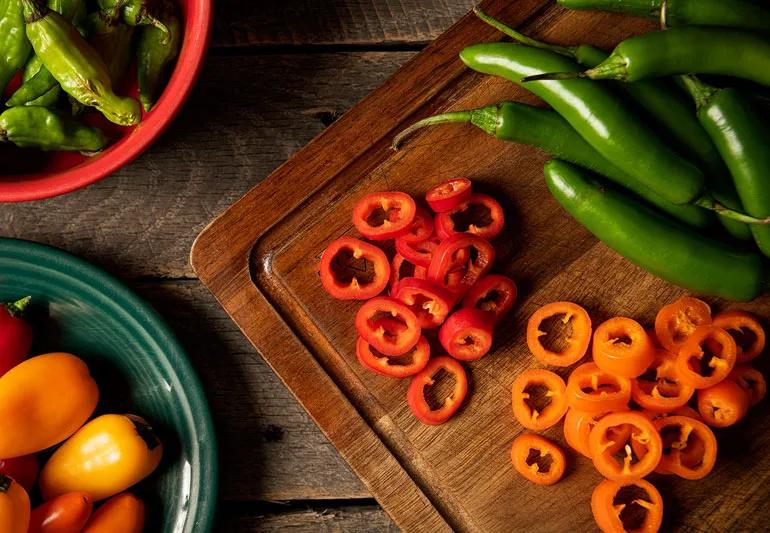
Spicy food has a funny way of announcing itself. It does not quietly enter the room like plain oatmeal in sensible shoes. It kicks open the kitchen door, brings a marching band, and asks whether your taste buds are emotionally prepared. For many people, that fiery bite from chili peppers, cayenne, jalapeños, habaneros, hot sauce, curry, or pepper flakes is more than a thrill. It is flavor, comfort, culture, and sometimes a tiny personal challenge served on a plate.
But beyond the dramatic forehead sweat and the sudden need for a gallon of water, spicy food may offer several real health-related advantages when eaten in reasonable amounts. The star of the show is often capsaicin, the natural compound found in chili peppers that creates the familiar heat. Capsaicin interacts with receptors in the body that respond to heat and pain, which is why a spicy taco can feel like a tiny campfire is holding a meeting on your tongue.
The key phrase, however, is reasonable amounts. Eating spicy food is not a shortcut to perfect health, and it does not cancel out a diet built entirely from deep-fried snacks and heroic amounts of cheese. Still, when spicy ingredients are used wiselyespecially in meals full of vegetables, lean proteins, beans, whole grains, and healthy fatsthey can make nutritious eating more exciting. That matters because food that tastes good is food people are more likely to keep eating.
Below are five benefits of eating spicy food, explained with practical examples, common-sense cautions, and just enough humor to keep your jalapeño from getting too confident.
1. Spicy Food Can Make Healthy Meals More Satisfying
One of the simplest benefits of eating spicy food is also one of the most useful: it makes meals taste bold without requiring heavy sauces, extra sugar, or too much salt. A sprinkle of crushed red pepper can wake up roasted vegetables. A spoonful of salsa can make grilled chicken less boring. A dash of chili oil can turn a bowl of soup from “fine” into “please do not talk to me until I finish this.”
Flavor matters because healthy eating is much easier when meals are enjoyable. Many people struggle with nutritious foods not because they dislike vegetables, beans, fish, or whole grains, but because those foods are often prepared in ways that are painfully plain. Spices solve that problem. Chili peppers, cayenne, paprika, black pepper, ginger, garlic, and curry blends can create depth, heat, aroma, and excitement.
How spice helps reduce the “healthy food is boring” problem
Imagine two plates of roasted cauliflower. One is plain, pale, and looks like it has a minor personality crisis. The other is tossed with olive oil, smoked paprika, garlic, cayenne, lemon juice, and a pinch of salt. Same vegetable, very different experience. Spicy seasoning helps bring out natural sweetness, adds contrast, and gives the brain something interesting to notice.
This is especially helpful for people who want to eat more home-cooked meals. Instead of relying on highly processed flavor boosters, spicy ingredients can create satisfaction with simple foods. A pot of lentils becomes more appealing with chili powder and cumin. Brown rice tastes better with hot sauce and lime. Scrambled eggs get a promotion when jalapeños join the meeting.
The benefit is not that spicy food magically makes every meal healthy. A mountain of nachos does not become a wellness retreat just because it has jalapeños on top. The real advantage is that spice can help nutritious foods become crave-worthy.
2. Capsaicin May Support Metabolism and Fullness
Capsaicin, the compound that gives chili peppers their heat, has been studied for its possible role in metabolism, appetite, and energy balance. Some research suggests that capsaicin may slightly increase energy expenditure and may help some people feel fuller after eating. The effect is usually modest, not dramatic. In other words, chili peppers are not personal trainers wearing tiny red hats.
Still, small effects can matter when they are part of a larger healthy lifestyle. Spicy meals often encourage slower eating, especially when the heat level politely reminds you that your mouth is not a race car. Eating more slowly can give the body more time to recognize fullness. A spicy bean soup, vegetable curry, or chili made with lean protein may feel deeply satisfying without needing to be overloaded with rich extras.
Smart ways to use spicy foods for satisfying meals
The best approach is to pair spicy ingredients with foods that already support fullness: protein, fiber, and healthy fats. Try adding hot sauce to black beans and rice, sliced jalapeños to avocado toast, cayenne to vegetable soup, or chili flakes to salmon with roasted sweet potatoes. These meals do not depend on spice alone. The heat simply adds excitement and may help the meal feel more complete.
Be careful with spicy foods that arrive wrapped in a lot of grease, sugar, or sodium. Some hot wings, spicy chips, instant noodles, and ultra-sauced fast foods may be fiery, but they are not automatically good choices. The pepper is doing its best, but it cannot rescue the whole nutrition report card by itself.
For SEO readers searching for “spicy food and metabolism,” the honest answer is this: spicy food may offer a gentle nudge, not a miracle. It works best as part of balanced meals, regular movement, good sleep, and a realistic routine that does not treat dinner like a punishment.
3. Spicy Food May Support Heart-Friendly Eating Patterns
Another potential benefit of eating spicy food is its connection to heart-friendly eating habits. Studies have observed that people who regularly eat chili peppers may have better cardiovascular outcomes, although this does not prove that peppers alone cause the benefit. Food habits are complicated. People who eat chili peppers may also eat more vegetables, cook more traditional meals, or follow dietary patterns that support health in other ways.
Even with that caution, spicy ingredients can support heart-conscious cooking in a practical way. When food has strong flavor from peppers, herbs, garlic, onion, vinegar, citrus, and spices, it may need less salt to taste satisfying. That can be helpful because many packaged foods and restaurant meals already contain more sodium than people realize.
Spice can replace blandness, not common sense
Think of hot peppers as part of a flavor team. They work well with lime juice, cilantro, garlic, cumin, ginger, turmeric, basil, and vinegar. Together, these ingredients can make a dish bright and lively without leaning too heavily on butter, cream, or salty sauces. A spicy tomato salsa over grilled fish is a good example. So is a vegetable stir-fry with chili, ginger, garlic, and a small amount of lower-sodium sauce.
Spicy food also appears in many traditional cuisines that feature beans, vegetables, seafood, fermented foods, lentils, herbs, and whole grains. Mexican salsa, Korean kimchi, Indian dal, Thai curry, Ethiopian berbere stews, and Cajun pepper blends all show how heat can live inside balanced meals. The best results come when spicy food is part of a nutrient-rich pattern rather than a dare involving the hottest pepper available on Earth.
It is also worth mentioning that “heart-friendly” does not mean “painfully plain.” A plate can be colorful, spicy, fragrant, and supportive of good eating habits. Your dinner does not need to taste like cardboard that went to a wellness seminar.
4. Capsaicin Is Linked to Pain-Relief Pathways
Here is where spicy food gets especially interesting. Capsaicin does not only affect taste. It also interacts with nerve receptors involved in heat and pain. That is why capsaicin is used in some topical creams and patches for certain kinds of nerve, muscle, and joint discomfort. The basic idea is that repeated exposure to capsaicin can reduce the amount of certain pain-signaling chemicals available in the area.
Eating chili peppers is not the same thing as applying a medical capsaicin cream, and nobody should treat dinner as a prescription. However, the connection helps explain why capsaicin has attracted serious scientific interest. The same compound that makes hot sauce feel like a tiny dragon sneeze also has measurable effects on sensory nerves.
What this means for everyday eaters
For the average person, this benefit is more about understanding capsaicin’s biological activity than expecting a bowl of spicy noodles to fix aches and pains. If someone has ongoing pain, arthritis symptoms, nerve pain, or inflammation concerns, they should talk with a qualified health professional instead of trying to solve the issue with ghost peppers and optimism.
That said, spicy foods often come packaged with other beneficial ingredients. A curry may include turmeric, ginger, garlic, onions, vegetables, and legumes. A spicy soup may contain broth, herbs, mushrooms, leafy greens, and lean protein. These combinations can support a nourishing diet overall.
The lesson is simple: capsaicin is powerful enough to be studied seriously, but it should still be respected. A little heat can be enjoyable. Too much heat can turn dinner into a dramatic survival documentary starring your sinuses.
5. Spicy Food May Encourage Better Gut DiversityBut Listen to Your Stomach
Gut health is one of the most talked-about nutrition topics, and spicy food has earned a place in that conversation. Some research suggests capsaicin may influence gut bacteria and digestive processes. Spicy foods are also often eaten with fiber-rich ingredients like beans, vegetables, lentils, herbs, and fermented foods, which can support a more varied diet.
However, this benefit comes with a bright red caution label: spicy food does not agree with everyone. For some people, chili peppers can trigger heartburn, acid reflux, stomach discomfort, or symptoms related to irritable bowel syndrome. The same jalapeño that makes one person feel alive may make another person cancel all evening plans and stare suspiciously at the refrigerator.
How to enjoy spicy food without declaring war on your digestive system
Start small. If you are new to spicy food, begin with mild heat such as paprika, poblano peppers, a small amount of hot sauce, or a pinch of red pepper flakes. Add more only if your body handles it well. Pair spice with soothing foods like rice, yogurt, avocado, beans, or vegetables. Avoid eating very spicy meals right before bed if you are prone to reflux.
Also pay attention to the form of spicy food. Fresh peppers, dried chili flakes, homemade salsa, and spice blends can be part of balanced meals. Extremely spicy food challenges, concentrated pepper extracts, and “prove your bravery” sauces are a different category. Your stomach does not hand out medals. It only files complaints.
If spicy food causes regular discomfort, there is no rule saying you must eat it. Health is not measured by how calmly you can chew a habanero. Many people do well with mild spices or aromatic seasonings that provide flavor without intense heat.
Best Spicy Foods to Add to a Balanced Diet
The healthiest spicy foods are usually the ones built around whole ingredients. Try fresh chili peppers in omelets, soups, tacos, grain bowls, and salads. Use cayenne or chili powder in bean chili, roasted vegetables, or marinades. Add kimchi to rice bowls, but watch the sodium if you eat it often. Blend hot peppers into salsa with tomatoes, onions, cilantro, and lime. Stir red pepper flakes into pasta with vegetables and olive oil.
Spices can also help refresh leftovers. Yesterday’s roasted chicken becomes a spicy wrap with salsa and greens. Plain chickpeas become a crunchy snack with paprika and cayenne. Leftover rice becomes a quick bowl with eggs, vegetables, chili crisp, and scallions. These small upgrades make home cooking easier to enjoy, which is one of the most underrated nutrition strategies around.
Who Should Be Careful With Spicy Food?
Spicy food is not for every stomach or every situation. People with frequent heartburn, acid reflux, gastritis, ulcers, inflammatory bowel conditions, or irritable bowel syndrome may need to limit or avoid spicy foods depending on their symptoms and medical advice. Anyone who notices pain, burning, nausea, or digestive upset after eating spicy meals should reduce the heat and speak with a healthcare professional if symptoms continue.
Children and teens should avoid extreme spicy food challenges, concentrated pepper products, or anything designed to cause intense pain. Food should be enjoyable, not a stunt. Even adults should treat ultra-hot sauces with caution. A balanced bowl of spicy chili is one thing. A sauce that looks like it was bottled during a volcanic argument is another.
Practical Tips for Eating More Spicy Food
If you want to enjoy the benefits of spicy food without overwhelming your taste buds, build heat slowly. Add a small amount of spice, taste the dish, and adjust. Use acidity from lime, lemon, or vinegar to brighten heat. Add herbs to create freshness. Combine spicy ingredients with creamy or cooling foods like yogurt, avocado, or hummus.
You can also explore different kinds of heat. Jalapeños taste grassy and bright. Chipotle peppers are smoky. Cayenne is sharp and direct. Gochugaru is fruity and warm. Harissa adds North African depth. Curry pastes can be aromatic and complex. Hot sauce is convenient, but check labels because some brands are high in sodium or sugar.
The goal is not to eat the hottest food possible. The goal is to make meals more enjoyable, varied, and satisfying. Your taste buds should feel invited, not ambushed.
Personal Experiences and Everyday Lessons From Eating Spicy Food
Anyone who eats spicy food regularly learns a few life lessons. The first is humility. You may think you are strong. You may think you are prepared. Then one innocent-looking pepper slice appears in a bowl of noodles and suddenly you are negotiating with your own forehead sweat. Spicy food has a way of reminding people that confidence is not the same thing as tolerance.
One common experience is discovering that spice can completely change the mood of a meal. A simple bowl of tomato soup becomes richer with chili flakes. A turkey sandwich becomes less forgettable with pickled jalapeños. A vegetable stir-fry becomes exciting with garlic, ginger, and chili oil. The food does not merely become hotter; it becomes more alive. Spicy food adds rhythm. It makes each bite feel slightly different from the last.
Many people also find that spicy food helps them appreciate cultural food traditions more deeply. Heat is not random. It often carries history, geography, family habits, and regional identity. A Mexican salsa, a Louisiana hot sauce, a Thai curry, an Indian vindaloo, a Korean kimchi stew, or a Caribbean pepper sauce all use heat differently. Some are smoky. Some are fruity. Some are tangy. Some sneak up slowly like a polite villain. Learning those differences can make eating more adventurous and respectful.
Another everyday lesson is that spicy food encourages balance. Too much heat without acid, fat, sweetness, or salt can feel flat and aggressive. Good spicy cooking is not just about turning up the fire. It is about creating harmony. Lime juice can sharpen chili. Yogurt can soften it. Beans can ground it. Herbs can freshen it. A well-made spicy dish should not simply shout “HOT!” It should have something interesting to say after the shouting stops.
Spicy food can also make home cooking feel more creative. Once someone owns a few basic spiceschili powder, smoked paprika, cayenne, red pepper flakes, black pepper, cumin, and garlic powderordinary ingredients become easier to reinvent. Eggs, potatoes, lentils, chicken, tofu, carrots, soups, and salads can all move in different directions depending on the spice blend. This helps reduce food boredom, which is one of the quiet reasons people drift back to takeout.
Of course, experience also teaches boundaries. Not every meal needs to be spicy. Not every sauce needs to challenge your ancestors. Some days call for gentle warmth rather than full culinary fireworks. The smartest spicy food lovers know when to stop. They also know that milk, yogurt, rice, bread, or avocado can help cool the burn better than plain water, which often just spreads the drama around.
The best personal takeaway is this: spicy food is most enjoyable when it improves the meal rather than dominates it. When used with care, it can make healthy food more appealing, add variety to your routine, and turn ordinary dinners into something memorable. It brings energy to the table. It starts conversations. Occasionally, it clears your sinuses with the confidence of a marching band. And when the heat is just right, spicy food reminds us that eating well does not have to be boring, bland, or beige.
Conclusion: A Little Heat Can Be a Big Win
Spicy food is not a miracle cure, but it can be a flavorful ally. The benefits of eating spicy food may include better meal satisfaction, modest support for metabolism and fullness, heart-friendly cooking habits, interesting effects from capsaicin, and possible gut-related advantages for people who tolerate heat well. The secret is moderation. Use chili peppers and spices to enhance balanced meals, not to punish your digestive system for entertainment.
Whether you love a mild salsa or a curry that makes your eyebrows reconsider their career path, spicy food can make eating more enjoyable. Start small, choose whole-food meals, listen to your body, and remember: the best spicy dish is the one that tastes good today and still seems like a good idea tomorrow.