

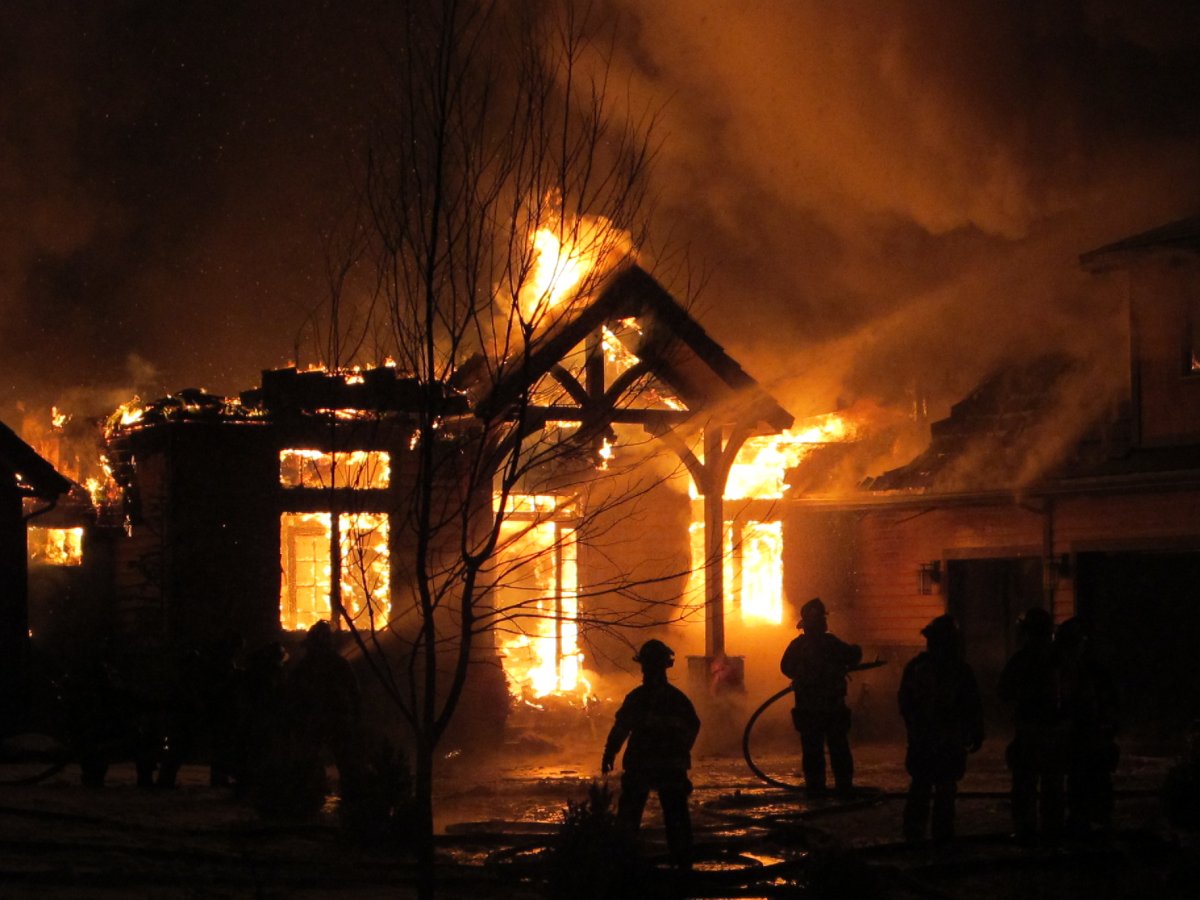
Most homeowners think about fire safety in the same way they think about flossing: important, sensible, and somehow easier to postpone until “next weekend.” Smoke alarms get installed, batteries get changed when the chirping becomes more annoying than a hungry raccoon, and everyone hopes that is enough. But a home fire sprinkler system adds something smoke alarms cannot: action.
A smoke alarm warns you that fire has arrived. A residential fire sprinkler system begins fighting that fire while it is still small. That difference matters because modern house fires can grow frighteningly fast. Synthetic furniture, open floor plans, and lightweight construction materials can help flames move quickly from “uh-oh” to “everybody out now.” Home fire sprinklers are designed to control or even extinguish flames early, giving people more time to escape and helping reduce damage before firefighters arrive.
If you have seen sprinklers in movies, forget the dramatic scene where one match sets off every sprinkler in the building and drenches the hero, the villain, and three innocent ficus trees. Real residential fire sprinklers are much less theatrical and much more useful. Usually, only the sprinkler closest to the fire activates. It is not a whole-house indoor rainstorm. It is a targeted response to dangerous heat.
What Is a Home Fire Sprinkler System?
A home fire sprinkler system is a built-in network of pipes and sprinkler heads designed to detect high heat from a fire and release water directly over the area where the fire is growing. These systems are typically installed in one- and two-family homes, townhouses, and manufactured homes according to residential sprinkler standards such as NFPA 13D.
The goal is not to turn your living room into a swimming pool. The goal is life safety: slow the fire, control the heat, reduce smoke, and create more survivable conditions so people can escape. In many cases, a sprinkler can contain a fire before it spreads beyond the room where it started.
How Residential Fire Sprinklers Work
Residential sprinkler heads are heat-activated. Each head contains a small thermal element, often a glass bulb filled with liquid or a soldered metal link. When the air near the sprinkler reaches a specific high temperature, the element releases and water flows through that sprinkler head.
This is an important point: smoke does not set off the sprinkler. Burnt toast does not set off the sprinkler. Your questionable attempt at flambé does not set off the sprinkler unless it becomes an actual fire. The sprinkler responds to heat, not everyday kitchen drama.
Only the Sprinkler Near the Fire Usually Activates
One of the biggest myths about home fire sprinkler systems is that all sprinkler heads activate at once. In reality, sprinkler heads operate independently. The unit closest to the fire typically activates first because that is where the heat is concentrated. Most home fires can be controlled by one sprinkler head, which is why residential sprinklers are far less destructive than many people imagine.
Sprinklers Use Less Water Than Fire Hoses
A residential sprinkler head uses a focused amount of water directly on the fire. Firefighters, by contrast, may need large hose streams to battle a fire that has already grown, spread, and filled the home with smoke. In practical terms, sprinklers can reduce fire damage and water damage because they respond earlier and more precisely.
Why Home Fire Sprinkler Systems Matter
House fires remain a major safety risk in the United States. Cooking is consistently one of the leading causes of residential fires, followed by heating equipment, electrical malfunctions, and careless accidents. Those are not exotic causes. They are ordinary household moments: a pan left unattended, a space heater too close to bedding, an overloaded outlet, or a candle enjoying its villain era.
Home fire sprinklers matter because fires do not wait politely for help to arrive. A fire can grow rapidly, produce toxic smoke, and make escape routes dangerous within minutes. Sprinklers help control heat and flames before the fire becomes a full-room event.
Main Benefits of Installing a Residential Fire Sprinkler System
1. Better Life Safety
The biggest benefit is simple: sprinklers help save lives. When combined with working smoke alarms, home fire sprinklers significantly reduce the risk of death in a home fire. Smoke alarms provide the warning. Sprinklers provide suppression. Together, they are the fire-safety equivalent of a seat belt and airbag: each helps, but the combination is stronger.
2. Reduced Property Damage
Because sprinklers attack the fire early, they can limit flame spread, smoke damage, and structural damage. Instead of a fire spreading from a trash can to curtains, cabinets, walls, and the attic, a sprinkler may keep the incident contained to a small area. Your home may still need cleanup, but “cleanup” is much better than “call the insurance company, the restoration crew, and your cousin with a pickup truck.”
3. More Time to Escape
In a fire, time is the most valuable thing in the house. Sprinklers help buy that time by reducing heat and slowing fire growth. This is especially important for children, older adults, people with disabilities, and anyone who may need extra time to get out safely.
4. Firefighter Safety
A controlled fire is safer for firefighters than a fully involved structure fire. Sprinklers reduce heat, flames, and smoke before firefighters enter the building. That can lower the risk of flashover, structural collapse, and dangerous interior firefighting conditions.
5. Possible Insurance Discounts
Some insurance companies offer discounts for homes with fire sprinkler systems. The exact discount depends on the insurer, location, policy, and system details. Homeowners should ask their insurance provider directly because savings can vary. Even when the discount is modest, the bigger value is the reduced risk of catastrophic loss.
Types of Home Fire Sprinkler Systems
Stand-Alone Sprinkler Systems
A stand-alone system has dedicated piping for fire sprinklers. It may use copper, CPVC, PEX, or other approved piping materials, depending on the design and local code. These systems often connect to the home’s water supply, but they are separate from the domestic plumbing used for sinks, showers, and appliances.
Stand-alone systems are common and reliable, but they may require additional components such as backflow prevention, valves, pumps, or storage tanks. Homes on wells may need a tank and pump if the well cannot supply enough pressure and water volume for sprinkler operation.
Multi-Use Sprinkler Systems
A multi-use system combines fire sprinkler piping with the home’s cold-water plumbing. When someone uses water in the house, fresh water circulates through parts of the system. This helps reduce concerns about stagnant water and can simplify installation in some new homes.
Multi-use systems are typically easiest to install during new construction because the plumbing and sprinkler layout can be designed together. Retrofitting this type of system into an existing home can be more complicated.
Wet Pipe Systems
Most residential sprinklers are wet pipe systems, meaning the pipes are filled with water and ready to discharge when a sprinkler head activates. Wet pipe systems are simple, dependable, and fast.
Dry or Antifreeze Considerations
In colder climates, special design choices may be needed to prevent freezing in garages, attics, or other unheated spaces. Installers may use insulation, heated areas, dry sections, listed antifreeze solutions, or other code-approved methods. This is not a DIY guessing game. Freezing pipes are already annoying when they affect a bathroom; they are even more serious when they affect a life-safety system.
How Much Does a Home Fire Sprinkler System Cost?
For new construction, homeowner education groups often cite an average cost of about $1.35 per square foot of sprinklered space. The actual price depends on local labor rates, water supply, home design, number of sprinkler heads, ceiling layout, code requirements, and whether the system is installed during construction or added later.
Retrofitting an existing home usually costs more than installing sprinklers in a new build. That is because installers may need to open ceilings or walls, route pipe through finished spaces, upgrade water service, or add a tank and pump. If you are building a new house or planning a major renovation, that is the best time to ask about sprinklers. It is much easier to install piping before drywall arrives and starts pretending the walls have always been perfect.
What Affects the Price?
- Home size and layout: Larger homes and complex floor plans usually require more sprinkler heads and piping.
- Water supply: Municipal water may be simpler than a private well, but pressure and flow still need to be verified.
- New construction vs. retrofit: New construction is usually more cost-effective.
- Local code requirements: Some jurisdictions have specific design, inspection, or permit rules.
- Ceiling types: Vaulted ceilings, beams, soffits, and decorative features can affect sprinkler placement.
- System style: Concealed or flush sprinkler heads may cost more than basic visible heads but offer a cleaner appearance.
Are Home Fire Sprinklers Required?
Requirements vary by state, city, county, and project type. Model building codes have included residential sprinkler provisions for many new one- and two-family homes and townhouses, but local adoption is not uniform. Some communities require sprinklers in new homes. Others remove or modify those provisions. Some require sprinklers only for large homes, homes far from hydrants, steep-driveway properties, certain remodels, or developments using fire-safety trade-offs.
The safest move is to check with your local building department, fire marshal, or authority having jurisdiction before designing a new home or major renovation. Code rules can change, and local requirements are what determine whether sprinklers are mandatory for your project.
Common Myths About Home Fire Sprinkler Systems
Myth 1: “If one sprinkler goes off, they all go off.”
Nope. That is Hollywood. Real sprinklers operate individually. The sprinkler head exposed to high heat activates. The rest stay quiet, dry, and dramatically underemployed.
Myth 2: “Smoke will activate the sprinklers.”
Smoke activates smoke alarms, not sprinklers. Sprinklers respond to heat. That means ordinary smoke from cooking mistakes, candles, or fireplace use will not trigger them unless the situation becomes a dangerous fire.
Myth 3: “Sprinklers cause more water damage than firefighters.”
In most real fires, early sprinkler activation can reduce total damage because it controls the fire before it grows. A small amount of targeted water is usually better than widespread flames, smoke, roof ventilation, and high-volume hose streams.
Myth 4: “Sprinklers are ugly.”
Modern residential sprinkler heads can be surprisingly discreet. Some are recessed or concealed behind small cover plates that blend into ceilings. Unless your interior design style is “industrial ceiling mushroom,” you have options.
Myth 5: “I have smoke alarms, so I do not need sprinklers.”
Smoke alarms are essential, but they do not control flames. A complete fire-safety plan includes prevention, detection, escape planning, and suppression. Sprinklers fill the suppression role automatically, even if no one is home.
Installation: What Homeowners Should Expect
Installing a home fire sprinkler system begins with design. A qualified residential sprinkler contractor evaluates the home layout, water supply, ceiling design, hazard areas, and code requirements. The system design determines where sprinkler heads go, how pipes are routed, and whether additional equipment is needed.
In new construction, sprinkler installation usually happens before drywall. The contractor coordinates with plumbers, builders, electricians, and inspectors. In existing homes, installation may involve selective wall or ceiling openings. A skilled installer will try to minimize disruption, but homeowners should expect some patching and repainting.
Choosing a Contractor
Look for a contractor experienced in residential fire sprinkler systems, not just commercial installations. Ask whether the contractor is licensed where required, familiar with NFPA 13D, and comfortable working with your local building department. Good contractors should be able to explain the design plainly. If the explanation sounds like a secret code whispered by a wizard, ask more questions.
Questions to Ask Before Installation
- Is my water supply adequate for the system?
- Will I need a tank, pump, or upgraded water meter?
- Which standard and local code will the system follow?
- How many sprinkler heads are needed?
- Can the heads be recessed or concealed?
- What maintenance will be required?
- Will the system connect to an alarm or monitoring service?
- What inspections and permits are required?
Maintenance: Easier Than Most People Think
Residential sprinkler systems are generally low-maintenance. Homeowners should keep sprinkler heads clear, avoid painting them, avoid hanging decorations from them, and know where the control valve is located. If the system includes a test valve, alarm, pump, or tank, follow the installer’s maintenance instructions.
It is smart to visually check the system during routine home maintenance. Make sure valves are open, nothing is blocking sprinkler heads, and no one has decided to hang holiday garland from a sprinkler pipe. Festive? Yes. Wise? Absolutely not.
Home Fire Sprinklers and Interior Design
One reason homeowners hesitate is appearance. Nobody wants a beautiful living room ceiling interrupted by something that looks like it belongs in a warehouse. Fortunately, residential sprinklers have come a long way. Concealed heads can sit behind small plates, and many designs are available in finishes that blend with ceilings or walls.
If design matters to you, talk to the contractor early. Sprinkler placement must follow safety rules, but there is often room to choose less noticeable heads or coordinate finishes. The system should protect the home without making every room look like a hotel hallway.
Where Sprinklers Make the Biggest Difference
Every part of a home benefits from fire protection, but certain areas deserve special attention. Kitchens are obvious because cooking is a leading cause of home fires. Living rooms and bedrooms matter because upholstered furniture, bedding, electronics, candles, and heaters can create serious fire hazards. Garages may require special design considerations because of temperature changes, vehicles, tools, and stored materials.
Homes with open floor plans can also benefit from early suppression. Open layouts are popular because they feel spacious and bright, but they can also allow smoke and heat to move quickly. Sprinklers help counter that risk by controlling the fire near its origin.
Home Fire Sprinklers vs. Smoke Alarms vs. Fire Extinguishers
These tools are not competitors. They are teammates.
- Smoke alarms warn people to escape.
- Fire extinguishers can help trained adults control very small fires when escape is still safe.
- Home fire sprinklers automatically attack flames, even when no one is awake, nearby, or physically able to use an extinguisher.
The best home fire safety plan includes all three, plus an escape plan practiced by everyone in the household. Yes, that includes teenagers who roll their eyes. Eye-rolling is allowed. Knowing two ways out is nonnegotiable.
Should You Install a Home Fire Sprinkler System?
If you are building a new home, the answer is strongly worth considering. New construction is the most cost-effective time to install sprinklers, and the system can be integrated neatly with plumbing, framing, and ceiling design.
If you are remodeling, sprinklers may still make sense, especially during major renovations that open walls and ceilings. If you live far from a fire station, rely on well water, have household members who need extra evacuation time, or want stronger protection for a high-value home, the case becomes even stronger.
If you are retrofitting a finished home, get a professional estimate. Costs can vary widely, but the conversation is worthwhile. You may discover that certain areas can be protected more easily than expected, or that a future remodel would be the perfect time to add the system.
Real-Life Experience: What Homeowners Often Learn After Researching Sprinklers
Many homeowners start with the same reaction: “Do I really need this?” That is understandable. A fire sprinkler system is not as glamorous as a kitchen island, a soaking tub, or a patio that says, “Yes, we own a citrus-scented candle.” Sprinklers are hidden, quiet, and rarely admired during dinner parties. But once homeowners understand how fast fires grow, the system begins to look less like an upgrade and more like a practical layer of protection.
One common experience is surprise at how discreet modern sprinkler heads can be. People often picture commercial sprinklers hanging from pipes in big-box stores. Then they see a concealed residential sprinkler cover plate and realize it can blend into the ceiling better than a recessed light. In a new home, the system can be designed so it feels like part of the original plan, not an afterthought.
Another lesson involves cost. Homeowners may assume sprinklers are wildly expensive because they sound specialized. In new construction, however, the cost can be comparable to other upgrades people choose without blinking. Granite countertops, designer tile, premium flooring, and custom cabinets can all cost more than expected. Unlike those upgrades, sprinklers do not care whether your guests compliment them. They are there for the one day you hope never comes.
Homeowners with wells often learn that water supply is the make-or-break detail. A sprinkler system needs adequate pressure and flow. If the home is not connected to municipal water, a tank and pump may be required. This does not make sprinklers impossible, but it does make planning essential. It is better to solve water supply during design than to discover the issue after walls are closed and everyone is emotionally attached to the drywall.
Maintenance is another pleasant surprise. People imagine complicated annual rituals involving gauges, clipboards, and a technician named Gary who appears with mysterious tools. In many homes, maintenance is simpler: keep valves open, do not paint sprinkler heads, do not block them, and follow the contractor’s instructions for testing alarms or valves. If the system includes pumps, tanks, or monitoring, there may be additional steps, but the everyday homeowner role is usually manageable.
Families with young children, older relatives, or mobility concerns often view sprinklers differently after talking through escape timing. A home fire is not just about whether someone hears an alarm. It is about whether everyone can get out before heat and smoke make escape dangerous. Sprinklers can slow the emergency down, and in fire safety, slowing things down is a big win.
One practical tip from homeowners who have gone through the process: involve your builder, plumber, sprinkler contractor, and local inspector early. Early coordination prevents design conflicts, surprise costs, and awkward ceiling changes. It also gives you time to ask about head styles, room coverage, water supply, permits, and insurance documentation.
The final experience many homeowners share is emotional. After installing sprinklers, they stop thinking about them most of the time, which is exactly how safety systems should work. Like seat belts, smoke alarms, and circuit breakers, sprinklers are not exciting. They are better than exciting. They are dependable, quiet, and ready. In a world full of home upgrades that mostly impress guests, a fire sprinkler system protects the people who live there.
Conclusion
Home fire sprinkler systems are not just for mansions, commercial buildings, or dramatic movie scenes. They are practical, proven safety systems designed for ordinary homes and ordinary families. They respond automatically, use targeted water, reduce fire growth, and work alongside smoke alarms to create a safer home environment.
For new homes, sprinklers are easiest and most affordable to install during construction. For existing homes, they may still be a smart investment during major remodeling or when household risk factors make extra protection especially valuable. The most important step is to speak with a qualified residential fire sprinkler contractor and your local building authority so you understand the requirements, options, and costs for your specific home.
A beautiful home is wonderful. A safer beautiful home is even better. And if the sprinkler system never activates, that is not a waste. That is the dream.