

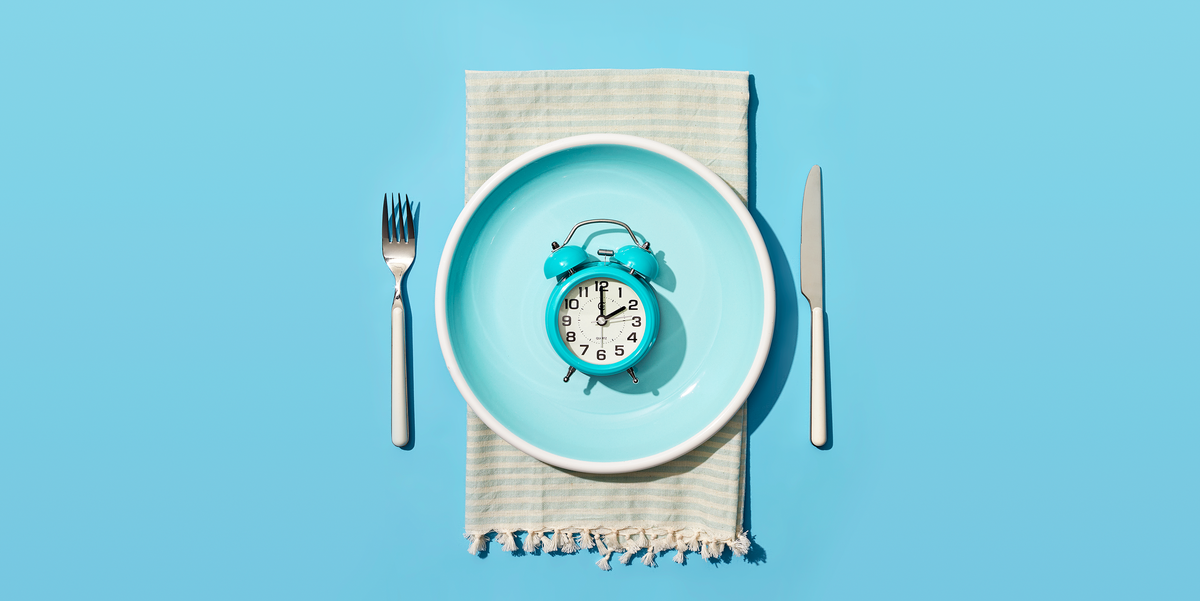
The 16:8 diet sounds like something invented by a very organized clock, but it is actually one of the most popular forms of intermittent fasting. Instead of giving you a long list of forbidden foods, measuring spoons, and the emotional burden of saying goodbye to bread forever, the 16/8 intermittent fasting method focuses on timing. You fast for 16 hours and eat during an 8-hour window.
Simple? Yes. Magical? No. Useful? For some people, absolutely. The 16:8 diet can help with weight loss, appetite control, late-night snacking, and healthier eating routines. But it is not a golden ticket to unlimited pizza between noon and 8 p.m. Your body, annoyingly wise as usual, still notices calories, food quality, sleep, stress, exercise, and whether your “light snack” is a family-size bag of chips.
So, does the 16/8 intermittent fasting method work? The best answer is: it can work when it helps you eat fewer calories, choose better foods, and stick to a routine you can actually live with. It is not better than every other weight-loss plan for everyone, and it is not safe or appropriate for all people. Let’s break it down without the hype, fear-mongering, or influencer-level enthusiasm for black coffee.
What Is the 16:8 Diet?
The 16:8 diet is a form of time-restricted eating. You fast for 16 hours each day and eat all meals and snacks within an 8-hour eating window. A common schedule is eating from 12 p.m. to 8 p.m., then fasting from 8 p.m. until noon the next day. Another version is eating from 10 a.m. to 6 p.m. or 9 a.m. to 5 p.m.
During the fasting period, people usually drink water, plain coffee, or unsweetened tea. During the eating window, you eat regular meals. The method does not automatically require calorie counting, carb cutting, keto, meal replacements, or asking your salad for permission before adding dressing.
The main appeal is simplicity. Instead of tracking every bite, you narrow the hours when eating happens. For many people, that naturally cuts out evening snacking, grazing, and “I accidentally ate cereal standing in the kitchen at 11:47 p.m.” moments.
How the 16/8 Intermittent Fasting Method Works
The 16/8 intermittent fasting method works mainly by creating structure. When your eating window is shorter, there are fewer opportunities to snack, drink calories, or eat out of boredom. If that leads to a calorie deficit, weight loss may happen.
Some research also suggests that time-restricted eating may affect insulin sensitivity, blood sugar control, appetite hormones, blood pressure, cholesterol, and inflammation in the short term. However, the long-term health effects are still being studied, and experts generally agree that food quality still matters.
Example 16:8 Diet Schedule
Here is a simple 12 p.m. to 8 p.m. eating window:
- 7:00 a.m. Water, black coffee, or unsweetened tea
- 12:00 p.m. First meal: eggs, avocado toast, Greek yogurt, or a protein-rich salad
- 3:30 p.m. Snack: fruit with nuts, cottage cheese, hummus with vegetables, or a protein smoothie
- 7:00 p.m. Dinner: salmon or chicken, vegetables, beans, brown rice, sweet potatoes, or a hearty soup
- 8:00 p.m. Fasting begins
This schedule is popular because much of the fasting period happens while you sleep. Your pillow does some of the fasting work, which is very considerate of it.
Does the 16:8 Diet Work for Weight Loss?
Yes, the 16:8 diet can support weight loss, but usually because it helps people eat fewer calories overall. It does not override the basic principle of energy balance. If you consume more calories than your body uses, even inside an 8-hour window, weight loss is unlikely.
Research comparing time-restricted eating with traditional calorie restriction has produced mixed results. Some studies show modest weight loss and improvements in metabolic markers. Other studies find that 16:8 fasting is not significantly better than simply reducing calories throughout the day.
That does not mean the method is useless. It means the best diet is often the one you can follow consistently. For people who hate calorie counting but do well with rules like “kitchen closes at 8,” the 16/8 method may be easier than traditional dieting.
How Much Weight Can You Lose?
Weight loss varies. Some people may lose half a pound to one pound per week when the plan creates a moderate calorie deficit. Others may lose nothing if they overeat during the eating window. A few may feel worse, become overly hungry, or develop an unhealthy relationship with food.
Healthy, sustainable weight loss usually happens gradually. If a plan promises dramatic results in seven days, it may be selling more fantasy than nutrition. Your metabolism is not a light switch, and your jeans are not legally required to loosen by Friday.
Potential Benefits of the 16:8 Diet
The 16:8 intermittent fasting method may offer several benefits, especially for people who struggle with mindless snacking or late-night eating.
1. It May Reduce Late-Night Snacking
Many extra calories sneak in after dinner. Cookies, chips, wine, sweet drinks, and “just one bite” leftovers can add up quickly. A clear fasting start time can help close the snack window before it becomes a snack garage door.
2. It May Make Eating Simpler
Some people feel relieved by fewer food decisions. Instead of planning breakfast, snacks, lunch, more snacks, dinner, and dessert, they focus on two balanced meals and one planned snack. Less decision fatigue can make healthy eating easier.
3. It May Improve Some Metabolic Markers
Short-term studies suggest time-restricted eating may improve weight, blood sugar, cholesterol, blood pressure, and inflammatory markers in some people. These effects are not guaranteed, and they may depend on weight loss, diet quality, activity, sleep, and individual health conditions.
4. It May Help Appetite Awareness
Fasting can teach some people the difference between physical hunger and habit hunger. The body may say, “I need lunch,” while the brain says, “We always chew during this meeting.” Learning the difference can be useful.
What Should You Eat on the 16:8 Diet?
The 16:8 diet tells you when to eat, not exactly what to eat. That freedom can be helpful, but it can also backfire. If the eating window becomes a daily festival of ultra-processed foods, sugary drinks, and low-protein meals, results may be disappointing.
A strong 16:8 diet plan should include:
- Lean protein: chicken, fish, eggs, tofu, Greek yogurt, beans, lentils, turkey, or cottage cheese
- High-fiber carbohydrates: oats, quinoa, brown rice, fruit, vegetables, beans, and whole-grain bread
- Healthy fats: avocado, olive oil, nuts, seeds, and fatty fish
- Plenty of produce: colorful vegetables and fruits for vitamins, minerals, fiber, and volume
- Hydration: water, sparkling water, unsweetened tea, or black coffee during fasting hours
Think of the eating window as a place to nourish yourself, not a race against the clock. You do not need to eat everything in the refrigerator just because the timer is running.
Foods and Drinks That Can Break a Fast
Most calorie-containing foods and drinks break a fast. That includes milk, cream, sugar, juice, smoothies, alcohol, protein shakes, and snacks. Plain water, black coffee, and unsweetened tea are commonly allowed during fasting hours.
Some people add a splash of milk to coffee and still get results because their overall calorie intake remains controlled. However, if you want a stricter fast, keep fasting drinks calorie-free.
Who Should Avoid the 16:8 Diet?
The 16:8 diet is not right for everyone. People who are pregnant or breastfeeding, have a history of eating disorders or disordered eating, are underweight, or have certain medical conditions should avoid fasting unless a healthcare professional specifically recommends it.
People with diabetes, especially those using insulin or medications that can cause low blood sugar, should talk with a doctor or registered dietitian before trying intermittent fasting. People taking blood pressure medication, those prone to dizziness, older adults at risk of falls, and anyone with heart disease, cancer, or complex medical needs should also seek professional guidance.
Fasting is a tool, not a personality test. If it makes you feel awful, anxious, dizzy, obsessed with food, or socially miserable, that matters.
Possible Side Effects
Common side effects of the 16/8 intermittent fasting method may include hunger, headaches, irritability, fatigue, dizziness, constipation, mood changes, difficulty concentrating, and changes in menstrual cycles. These symptoms may improve after an adjustment period, but they should not be ignored.
If fasting leads to binge eating, extreme restriction, guilt, or fear around food, stop and consider a more flexible approach. A healthy diet should improve your life, not turn lunch into a moral courtroom.
Is the 16:8 Diet Safe for Your Heart?
This is an area where the answer is still developing. Some short-term studies suggest intermittent fasting may improve heart-related markers such as blood pressure, cholesterol, weight, and blood sugar. However, preliminary observational findings presented by the American Heart Association in 2024 linked eating windows shorter than eight hours with higher cardiovascular mortality risk. Importantly, that research showed an association, not proof that fasting caused the deaths.
The practical takeaway is not panic. It is caution. If you have heart disease, cancer, diabetes, or other health concerns, do not start a strict fasting plan just because someone on social media looks good holding a water bottle. Talk with a qualified healthcare professional and consider a less restrictive eating window, such as 12:12 or 14:10.
Common Mistakes on the 16:8 Diet
Mistake 1: Eating Too Much During the Window
An 8-hour eating window is not a buffet license. Large portions, sugary drinks, desserts, and frequent snacking can erase the calorie deficit that fasting might have created.
Mistake 2: Not Eating Enough Protein
Protein supports fullness, muscle maintenance, and recovery. Without enough protein, you may feel hungrier and lose more lean mass during weight loss.
Mistake 3: Ignoring Fiber
Fiber from fruits, vegetables, beans, and whole grains helps digestion and fullness. If fasting plus low fiber causes constipation, your gut may file a formal complaint.
Mistake 4: Exercising Hard While Under-Fueled
Some people train well while fasted. Others feel weak, dizzy, or cranky enough to argue with a treadmill. Schedule harder workouts near your eating window if performance suffers.
Mistake 5: Going From Zero to 16 Hours Overnight
Jumping straight into 16 hours may feel rough. Many people do better starting with 12:12, then 14:10, then 16:8 if it still feels comfortable.
How to Start the 16:8 Diet Safely
If you are healthy and want to try 16:8 fasting, start gradually. Choose an eating window that fits your real life. If family dinner is at 7 p.m., a 9 a.m. to 5 p.m. eating window may turn you into the person sadly sipping tea while everyone else enjoys tacos. That is not a sustainable wellness plan; that is dinner theater.
Try this beginner-friendly approach:
- Start with a 12-hour overnight fast for several days.
- Move to a 14-hour fast if you feel good.
- Try 16:8 only when it feels manageable.
- Eat balanced meals with protein, fiber, healthy fats, and slow-digesting carbohydrates.
- Stay hydrated during fasting hours.
- Monitor energy, mood, sleep, digestion, and workout performance.
- Stop or adjust if fasting causes dizziness, binge eating, or unhealthy food obsession.
Sample 16:8 Meal Plan
Eating Window: 11 a.m. to 7 p.m.
11:00 a.m. meal: Vegetable omelet with whole-grain toast, berries, and plain Greek yogurt.
2:30 p.m. snack: Apple slices with peanut butter or hummus with carrots and whole-grain crackers.
6:30 p.m. dinner: Grilled salmon, roasted sweet potatoes, a large salad with olive oil vinaigrette, and steamed broccoli.
During fasting hours: Water, sparkling water, plain tea, or black coffee.
This type of plan works because it is not just “eat less time.” It is nutrient-dense, satisfying, and realistic. You are not fasting all day only to wrestle a sad lettuce leaf at dinner.
16:8 Diet vs. Other Intermittent Fasting Methods
The 16:8 diet is only one version of intermittent fasting. Other approaches include 12:12 fasting, 14:10 fasting, the 5:2 method, alternate-day fasting, and one-meal-a-day plans. Compared with more extreme fasting schedules, 16:8 is moderate and easier for many people to follow.
That said, easier does not mean effortless. If your mornings are active, your job is physically demanding, or breakfast helps you manage mood and focus, a shorter fast may be better. The best eating pattern is the one that supports your health without making your calendar, family life, and stomach stage a rebellion.
So, Does the 16/8 Intermittent Fasting Method Work?
The 16/8 intermittent fasting method can work, especially for people who use it to reduce late-night eating, simplify meals, and create a sustainable calorie deficit. It may also support better blood sugar control and other metabolic markers in certain groups.
But it is not magic. It is not automatically better than calorie restriction. It does not cancel out poor food quality. It does not fit everyone’s medical needs, schedule, hormones, workouts, or relationship with food.
The smartest way to view the 16:8 diet is as a structure. For the right person, it is a helpful fence around eating habits. For the wrong person, it is an unnecessary rule that adds stress. Your goal is not to win fasting. Your goal is to build a healthy routine that you can repeat without needing heroic willpower every Tuesday.
Real-Life Experience Notes: What Trying 16:8 Often Feels Like
Many people who try the 16:8 diet describe the first week as a negotiation between the brain, the stomach, and the coffee maker. Morning hunger can feel loud at first, especially if breakfast has always been part of your routine. For some, the hunger fades after a few days. For others, it keeps banging a tiny spoon on the table. That difference matters.
A common positive experience is the relief of having fewer food decisions. People who usually snack after dinner often find that a firm cutoff time helps. When the rule is “I’m done eating at 8,” there is less internal debate about cookies, leftovers, or the mysterious cheese that appears when the refrigerator light turns on. This can make calorie reduction feel more natural.
Another real-world benefit is improved awareness. With 16:8 fasting, people often notice how much eating was driven by habit rather than hunger. Maybe the 10 a.m. snack was boredom. Maybe the evening dessert was stress. Maybe the second dinner was simply because the streaming service asked, “Are you still watching?” and your hand answered with chips.
However, the experience is not universally positive. Some people become overly hungry and eat too quickly when the window opens. Others feel tired during morning workouts or irritable at work. If the eating window becomes too restrictive, it can lead to overeating later. In that case, a 14:10 or 12:12 schedule may work better than forcing 16:8.
Social life is another factor. Dinner invitations, family breakfasts, travel, holidays, and work events do not always respect fasting schedules. Flexible people tend to do better. Missing one fasting day does not ruin progress. In fact, flexibility may help long-term consistency because life is not a laboratory. It contains birthdays, delayed flights, and coworkers who bring donuts with suspiciously good timing.
The best personal experience with 16:8 usually comes from treating it as a gentle routine, not a punishment. People who succeed often plan balanced meals, prioritize protein and fiber, drink enough water, sleep well, and avoid turning the eating window into a speed-eating contest. They also adjust when their body gives clear feedback.
In practice, the 16:8 diet works best when it feels almost boring. You eat satisfying meals, stop late-night grazing, stay hydrated, and repeat. No drama. No miracle claims. No need to announce your fasting window to everyone within a three-table radius. Just a simple structure that may help you eat better and feel more in control.
Conclusion
The 16:8 diet is a popular intermittent fasting method that limits eating to an 8-hour window and fasting to 16 hours each day. It may help with weight loss, appetite control, and metabolic health when it leads to fewer calories and better eating habits. But the 16/8 intermittent fasting method is not a miracle diet, and it is not ideal for everyone.
If you are healthy, curious, and looking for a simple way to reduce snacking, 16:8 may be worth trying gradually. If you have diabetes, heart disease, a history of disordered eating, are pregnant or breastfeeding, take medications, or often feel dizzy when meals are delayed, talk with a healthcare professional first.
The real secret is not the clock. It is consistency, food quality, portion awareness, movement, sleep, and choosing a plan that does not make you miserable. A diet that fits your life will almost always beat a “perfect” diet you abandon after three heroic days and one emotional muffin.
Note: This article is for general educational purposes only and is not a substitute for personal medical advice. Anyone with a medical condition, medication schedule, pregnancy, breastfeeding, or a history of disordered eating should consult a qualified healthcare professional before starting intermittent fasting.