

British English can sound perfectly familiar right up to the moment someone says they are “chuffed,” asks you to “budge up,” or announces that a repair is “a proper dodgy botch job.” The individual words are English, yet the sentence may still arrive wearing a tiny mystery hat.
This guide to 77 British slang words and phrases translates everyday UK expressions into clear American English. It covers greetings, money, food, moods, insults, dating language, pub talk, workplace phrases, and a small serving of Cockney rhyming slang. Each entry includes a practical example so you can recognize the term in conversation without accidentally responding to “You all right?” with your complete medical history.
Why British Slang Can Be Confusing
Slang is informal language shaped by place, age, social group, media, and fashion. Britain is not one giant accent wearing a trench coat. England, Scotland, Wales, and Northern Ireland contain many regional dialects, and London alone produces more linguistic variety than some television franchises produce spin-offs.
A term common in Manchester may sound dated in Bristol, while a phrase heard on a reality show may be much stronger, younger, or more regional than it appears. Some expressions are used throughout the United Kingdom; others belong primarily to a particular city or community.
Context matters just as much as definition. “Cheeky” can criticize rude behavior, praise playful confidence, or justify an extra pastry. “Mate” can express affection, neutrality, or a warning, depending on tone. The safest strategy is to learn what a phrase usually means, listen to how local speakers use it, and avoid deploying the strongest insults until you understand the social temperature.
Everyday British Slang for People, Places, Food, and Money
1. All right?
Meaning: A casual greeting meaning “How are you?” It usually does not signal concern. Example: “All right, mate?” “Yeah, you?”
2. Cheers
Meaning: Depending on context, this can mean thanks, goodbye, or a toast before drinking. Example: “Cheers for helping with the bags.”
3. Ta
Meaning: A quick, informal way to say thank you. Example: “Here’s your receipt.” “Ta!”
4. Mate
Meaning: A friend, acquaintance, or simply the person being addressed. Tone determines whether it sounds warm, neutral, or irritated. Example: “Nice one, mate.”
5. Bloke
Meaning: An ordinary man or guy. Example: “The bloke at the counter was very helpful.”
6. Lad
Meaning: A boy or young man, although adults may use it jokingly among male friends. Example: “He’s a good lad.”
7. Lass
Meaning: A girl or young woman, especially in northern England and Scotland. Example: “She’s a clever lass.”
8. Cuppa
Meaning: A cup of tea, or occasionally coffee when the context is clear. Example: “Fancy a cuppa?”
9. Brolly
Meaning: An umbrellathe item you forget precisely when British weather remembers you exist. Example: “Take a brolly; it looks grim outside.”
10. Telly
Meaning: A television or television programming. Example: “There’s nothing decent on the telly.”
11. Loo
Meaning: A polite, informal word for the restroom or toilet. Example: “Excuse me, where’s the loo?”
12. Bog
Meaning: A rougher and less elegant word for the toilet. Example: “The bog’s down the hall.”
13. Budge up
Meaning: Move over and make room for someone. Example: “Budge up so Nan can sit down.”
14. Gaff
Meaning: Someone’s home or place, particularly in casual conversation. Example: “We’re having people over at our gaff.”
15. Chippy
Meaning: A fish-and-chips shop. Example: “Let’s grab dinner from the chippy.”
16. Scran
Meaning: Food or a meal, used especially in parts of northern England. Example: “That was proper good scran.”
17. Quid
Meaning: One British pound. The form stays the same in the plural, so five pounds becomes “five quid.” Example: “It cost twenty quid.”
18. Fiver
Meaning: A five-pound note or an amount of five pounds. Example: “Can you lend me a fiver?”
19. Tenner
Meaning: A ten-pound note or an amount of ten pounds. Example: “Lunch was less than a tenner.”
20. Skint
Meaning: Having little or no money. Example: “I’m skint until payday.”
British Slang for Moods, Reactions, and Emphasis
21. Chuffed
Meaning: Very pleased or proud. Example: “I’m chuffed with how the project turned out.”
22. Gutted
Meaning: Extremely disappointed or upset. It conveys considerably more emotion than simply being annoyed. Example: “I was gutted when the concert was canceled.”
23. Gobsmacked
Meaning: Utterly astonished. “Gob” is British slang for the mouth, so the expression suggests being shocked speechless. Example: “She was gobsmacked by the surprise.”
24. Knackered
Meaning: Completely exhausted. Example: “After that hike, I’m knackered.”
25. Peckish
Meaning: Slightly hungrynot starving, just ready to investigate the snack cupboard. Example: “I’m feeling a bit peckish.”
26. Miffed
Meaning: Mildly annoyed, disappointed, or offended. Example: “He was miffed that nobody told him.”
27. Stroppy
Meaning: Bad-tempered, argumentative, or difficult. Example: “The toddler got stroppy after missing her nap.”
28. Shirty
Meaning: Irritable, defensive, or unnecessarily aggressive. Example: “There’s no need to get shirty with me.”
29. Full of beans
Meaning: Energetic, lively, and unusually enthusiastic. Example: “The kids are full of beans this morning.”
30. Over the moon
Meaning: Extremely happy. Example: “They were over the moon about the news.”
31. Cream crackered
Meaning: Very tired. This is Cockney rhyming slang in which “cream crackered” rhymes with “knackered.” Example: “I’m cream crackered after that shift.”
32. Minging
Meaning: Disgusting, unpleasant, or very unattractive. Example: “Those old trainers are minging.”
33. Lush
Meaning: Excellent, lovely, attractive, or delicious. The positive slang usage is especially associated with Wales and parts of western Britain. Example: “That cake was lush.”
34. Cracking
Meaning: Excellent, exciting, or impressive. Example: “That was a cracking match.”
35. Brilliant
Meaning: Great, excellent, or simply an enthusiastic acknowledgment. It does not necessarily refer to intelligence. Example: “You booked the table? Brilliant.”
36. Proper
Meaning: A flexible intensifier meaning genuinely, completely, or impressively. Example: “That was a proper storm.”
37. Bloody
Meaning: A common intensifier that adds emphasis. It may sound mildly rude depending on the speaker and audience. Example: “It’s bloody freezing.”
38. Blimey
Meaning: An exclamation of surprise, shock, or admiration. Example: “Blimey, that line is enormous.”
British Slang for People, Attraction, and Social Behavior
39. Cheeky
Meaning: Playfully bold, slightly rude, or enjoyably indulgent. Example: “Shall we have a cheeky dessert?”
40. Fit
Meaning: Physically attractive, not merely in good athletic condition. Example: “Everyone thinks the new bartender is fit.”
41. Fancy
Meaning: To want or like something, or to feel attracted to someone. Example: “Fancy a walk?” or “I think she fancies him.”
42. Snog
Meaning: To kiss passionately. Example: “They were snogging by the taxi stand.”
43. Chinwag
Meaning: A friendly, informal conversation. Example: “Come over for tea and a chinwag.”
44. Gobby
Meaning: Loud, opinionated, and often rudely outspoken. Example: “He gets gobby after a couple of drinks.”
45. Smarmy
Meaning: Ingratiating in an oily, insincere way. A smarmy person may seem friendly while obviously wanting something. Example: “The salesperson’s smarmy compliments felt rehearsed.”
46. Dodgy
Meaning: Suspicious, unreliable, unsafe, or of questionable quality. It can describe a person, neighborhood, website, meal, excuse, or electrical outlet that appears to be plotting something. Example: “That website looks dodgy.”
47. Naff
Meaning: Uncool, tacky, unfashionable, or lacking style. Example: “The decorations were charmingly naff.”
48. Posh
Meaning: Upper-class, expensive-looking, elegant, or socially refined. Example: “They booked a posh hotel for the weekend.”
49. Numpty
Meaning: A foolish or incompetent person. It is generally comic rather than vicious. Example: “I left my keys inside like a complete numpty.”
50. Muppet
Meaning: An idiot or someone behaving foolishly. Example: “You put diesel in the wrong car, you muppet.”
51. Plonker
Meaning: A silly or inept person. Example: “Don’t be a plonkerread the instructions.”
52. Prat
Meaning: An irritating, foolish, or contemptible person. It is stronger than “plonker” but usually milder than the harshest British insults. Example: “He acted like a prat during the meeting.”
53. Mug
Meaning: A gullible person who is easily fooled or taken advantage of. Example: “I paid twice like a total mug.”
54. Mug off
Meaning: To disrespect, embarrass, deceive, or make a fool of someone. Example: “Don’t mug me off in front of everyone.”
55. Wanker
Meaning: A strong, vulgar insult for an obnoxious or contemptible person. This one is not suitable for polite conversation, workplace emails, wedding vows, or first meetings with your partner’s grandparents. Example: “Ignore him; he’s being a wanker.”
British Slang for Actions, Work, and Getting Things Done
56. Crack on
Meaning: Continue, get started, or move ahead with a task. Example: “We’ve got loads to do, so let’s crack on.”
57. Faff about
Meaning: Waste time through indecision, fussing, or unnecessary activity. Example: “Stop faffing about and choose a restaurant.”
58. Skive
Meaning: Avoid work, school, or another responsibility, often by pretending to be unavailable or unwell. Example: “He skived off work on Friday.”
59. Leg it
Meaning: Run away or leave quickly. Example: “When the alarm sounded, we legged it.”
60. Nick
Meaning: To steal something. In other contexts, being “nicked” can mean being arrested. Example: “Someone nicked my bike.”
61. Sacked
Meaning: Fired or dismissed from a job. Example: “He got sacked for repeatedly arriving late.”
62. Doddle
Meaning: Something very easy to do. Example: “The setup was a doddle.”
63. Wonky
Meaning: Crooked, unstable, uneven, or not functioning properly. Example: “That shelf looks a bit wonky.”
64. Botch job
Meaning: Poorly executed work, especially a repair completed carelessly or hastily. Example: “The leaking pipe was a real botch job.”
65. Sorted
Meaning: Resolved, arranged, prepared, or under control. Example: “Tickets, hotel, and trainsorted.”
66. Bagsy
Meaning: A claim of first choice, similar to calling dibs. Example: “Bagsy the front seat!”
67. On the pull
Meaning: Actively looking for a romantic or sexual partner. Example: “They went clubbing because Dan was on the pull.”
British Slang for Drinking, Teasing, and Classic Expressions
68. Bevvy
Meaning: An alcoholic drink, often beer. Example: “Fancy a quick bevvy after work?”
69. Knees-up
Meaning: A lively party or celebration, usually involving music, dancing, food, or drinks. Example: “They had a big knees-up after the wedding.”
70. On the lash
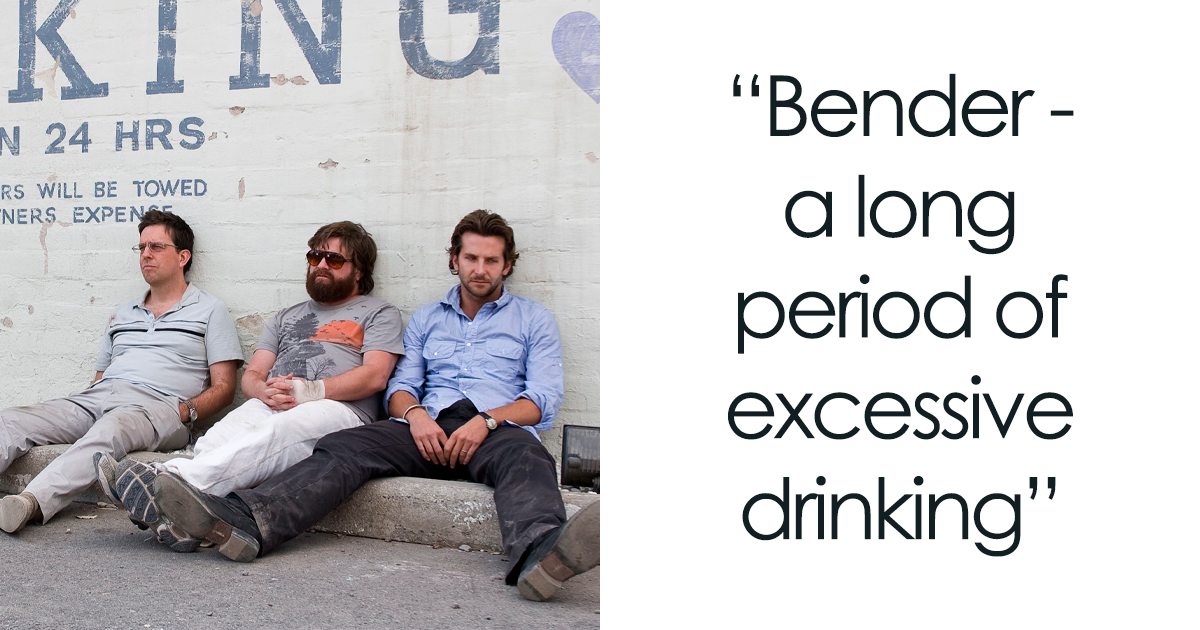
Meaning: Out drinking heavily and socializing. Example: “The team went on the lash after the final.”
71. Apples and pears
Meaning: Cockney rhyming slang for stairs, sometimes shortened to “apples.” Example: “He ran up the apples and pears.”
72. Innit
Meaning: A compressed form of “isn’t it?” It may also function as a general conversational tag seeking agreement, even when “isn’t it?” would not be grammatically expected. Example: “It’s cold today, innit?”
73. Taking the mickey
Meaning: Teasing, mocking, or making fun of someone. Example: “Are you serious, or are you taking the mickey?”
74. Bob’s your uncle
Meaning: A phrase indicating that a process is simple, finished, or likely to produce the desired result. It works somewhat like “and there you have it.” Example: “Click save, restart the app, and Bob’s your uncle.”
75. Have a butcher’s
Meaning: Cockney rhyming slang for “have a look,” derived from “butcher’s hook.” The rhyming word is frequently omitted. Example: “Have a butcher’s at this photo.”
76. Dog’s dinner
Meaning: A complete mess, particularly something badly organized, poorly presented, or unattractively dressed. Example: “The presentation looked like a dog’s dinner.”
77. Not my cup of tea
Meaning: Not something one likes, enjoys, or finds personally appealing. Example: “Reality television isn’t my cup of tea.”
A 500-Word Field Guide to Experiencing British Slang in Real Life
The Café Test: When a Greeting Is Not a Health Questionnaire
Imagine walking into a neighborhood café and hearing, “You all right?” from the person behind the counter. An American visitor may begin preparing a sincere answer about jet lag, lower-back stiffness, and the emotional consequences of airline food. In most casual British settings, however, the phrase works like “How’s it going?” A compact “Yeah, good, you?” is enough.
Then comes “Fancy a cuppa?” and the conversation becomes easier: you are being offered tea or coffee, not invited to admire decorative cups. This is the first useful experience with British slangliteral translation is often less important than conversational purpose.
The Pub Lesson: One Word May Do Three Jobs
At a pub, “cheers” can appear everywhere. Someone says it after receiving a drink, before taking a sip, or while leaving the table. The meaning shifts among “thanks,” “here’s to us,” and “goodbye,” but the friendly tone remains.
You may also hear someone offer to buy a round, meaning drinks for everyone in the group. Later, a friend might suggest a “quick bevvy,” which is frequently optimistic advertising rather than an accurate prediction. The practical lesson is that pub vocabulary carries social rules: take turns, notice tone, and remember that going “on the lash” describes a much heavier night than enjoying one polite beverage.
The Workplace Surprise: British Understatement Has Sharp Elbows
In an office, a colleague may call a serious problem “a bit dodgy” or describe a chaotic document as “not ideal.” British speech often uses understatement, irony, and softening language, so the emotional volume may be higher than the words initially suggest.
“Can we have a quick chinwag?” could introduce a pleasant conversation, but it might also lead into important feedback. “Let’s crack on” means stop discussing and start working. “Sorted” signals that an issue has been handled. A newcomer who learns these cues will understand meetings faster and spend less time wondering why everyone sounds calm while the spreadsheet is visibly on fire.
The Dating-Show Effect: Slang Travels Faster Than Luggage
British reality television has exported terms such as “fit,” “snog,” “mugged off,” and “on the pull” to international audiences. Their definitions are easy enough, but their social force varies. Calling someone “fit” directly praises their attractiveness. Saying a person “mugged you off” suggests humiliation, deception, or disrespect, often with romantic drama attached.
Hearing these phrases away from television can be oddly funny. Language that sounded theatrical on screen may be completely ordinary among friends. Still, copying a television cast member’s vocabulary word for word can make a visitor sound as natural as a tuxedo at a laundromat. Learn the meaning, but let actual conversations teach you the delivery.
The Regional Reality: There Is No Single British Slang Dictionary
Travel from London to Cardiff, Glasgow, Newcastle, Liverpool, or Belfast and the vocabulary, rhythm, pronunciation, and preferred expressions will change. “Lush” may sound especially Welsh, while “scran” is strongly associated with northern usage. Cockney rhyming slang belongs historically to London and may be used playfully rather than constantly in modern conversation.
The most rewarding experience is not collecting slang like souvenir magnets but noticing how language signals local identity. Ask what an unfamiliar phrase means, laugh when appropriate, and listen before imitating. Most speakers are happy to explain, especially when the explanation gives them an excuse to introduce three even stranger expressions.
How to Use British Slang Without Sounding Forced
Start with low-risk terms such as “cheers,” “mate,” “cuppa,” “knackered,” “chuffed,” and “sorted.” These expressions are widely understood and fit many casual situations. Once you have heard them used naturally, they are relatively easy to adopt without sounding like you memorized a phrase book during the flight.
Use stronger insults sparingly, especially “wanker,” which is genuinely vulgar. Even milder labels such as “prat,” “muppet,” or “numpty” depend on the relationship and tone. Friendly teasing among close companions can become insulting when directed at a stranger.
Avoid assuming that every British person uses Cockney rhyming slang. Expressions such as “apples and pears” and “have a butcher’s” are culturally recognizable, but they are not compulsory vocabulary across the United Kingdom. Similarly, slang popularized by younger speakers or reality television may sound unusual when used by someone from a different age group or region.
Most importantly, do not force several expressions into one sentence. Saying, “Cheers, mate, that proper lush scran left me chuffed but knackered, innit?” may be technically understandable, but it sounds less like natural speech and more like a British slang glossary falling down the stairs.
Treat slang as living language rather than a costume. The goal is comprehension first and natural use second. When you understand the tone, region, age group, and relationship involved, British slang stops sounding like a secret code and starts revealing what it does best: adding humor, efficiency, warmth, understatement, and spectacularly creative annoyance to everyday speech.
Conclusion
These 77 British slang words and phrases offer a practical route into informal UK English. Some are widely used, some are regional, some are affectionate, and some should remain safely holstered until you know your audience.
Learn the everyday essentials, pay attention to context, and remember that tone can turn “mate” from a verbal hug into a flashing warning light. Before long, you will understand when someone is chuffed, gutted, skint, knackered, or simply faffing aboutand that is a cracking start.
Note: Slang changes quickly and varies across regions, generations, and communities. The examples in this article reflect common informal usage, not a rulebook for every speaker in the United Kingdom.