

Note: This article is for general wellness and food education only. Sendha namak, also known as rock salt, should be used in moderation like any other salt. People with high blood pressure, kidney disease, heart conditions, thyroid concerns, pregnancy-related dietary needs, or a sodium-restricted diet should follow medical advice from a qualified health professional.
Introduction: The Humble Salt Crystal With a Big Personality
Sendha namak, commonly called rock salt, is one of those pantry ingredients that manages to sound ancient, natural, and slightly mysterious all at once. In South Asian kitchens, it is often used during fasting days, sprinkled over fruit, stirred into cooling drinks, or added to chutneys and snacks for a gentle mineral taste. In American wellness circles, it is frequently compared with Himalayan pink salt, sea salt, kosher salt, and regular table salt. In other words, this little crystal has been doing a lot of networking.
But before we crown sendha namak as the superhero of seasonings, let us keep our chef hats and science goggles on. Rock salt is mainly sodium chloride, the same basic compound found in most edible salts. It may contain trace minerals depending on where it is mined, which can affect color, texture, and flavor. However, those minerals are present in tiny amounts, so sendha namak should not be treated as a magic mineral supplement. It is still salt, and salt still deserves respect. Think of it as a powerful supporting actor, not the entire nutrition cast.
Used wisely, sendha namak can enhance food, support electrolyte balance in specific situations, add texture to recipes, and become part of simple self-care routines such as warm soaks. Used carelessly, it can contribute to too much sodium, which may raise blood pressure and increase health risks over time. The goal is not to fear it or worship it. The goal is to understand it, use it well, and avoid turning your dinner into a sodium theme park.
What Is Sendha Namak?
Sendha namak is the Hindi name for rock salt. Geologically, rock salt is usually halite, a natural mineral form of sodium chloride. It forms from ancient bodies of salty water that evaporated over long periods, leaving behind mineral deposits underground. When mined, cleaned, crushed, and prepared for food use, it becomes the edible rock salt many people use in cooking.
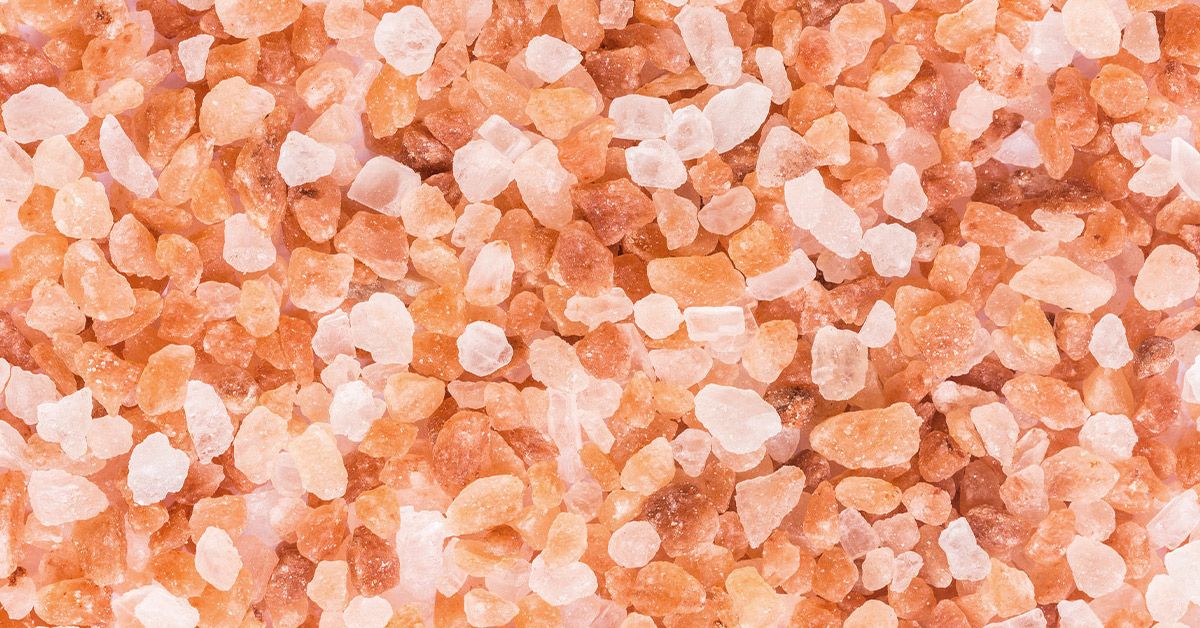
Depending on its source, rock salt may appear white, pale pink, grayish, or slightly reddish. These colors come from small amounts of minerals and natural impurities. Fine sendha namak dissolves quickly and works well in drinks, batters, marinades, and spice blends. Coarse crystals add crunch, make a dramatic finishing salt, and look fancy enough to make roasted vegetables feel like they have hired a publicist.
Sendha Namak vs. Table Salt
The biggest nutritional difference is not that one is “healthy” and the other is “bad.” The key differences are processing, texture, flavor, and iodine. Table salt is usually finely processed and often iodized, meaning iodine is added to help support thyroid health. Sendha namak is typically less refined and usually not iodized. That matters because iodine is an essential nutrient, and relying only on non-iodized salts may reduce iodine intake unless you get enough from seafood, dairy, eggs, or other sources.
Both salts contain sodium. A teaspoon of salt can contain roughly around 2,300 milligrams of sodium, although the exact amount varies by crystal size and how tightly it packs into the spoon. This is why “natural salt” does not mean “eat unlimited salt.” Your blood pressure does not give bonus points for rustic packaging.
1. Adds Flavor Without Needing Complicated Ingredients
The first and most practical benefit of sendha namak is flavor. It has a clean, slightly earthy, and sometimes subtly mineral taste. Many people find it softer or less sharply salty than regular table salt, especially when used as a finishing touch. This makes it useful in dishes where you want seasoning without overwhelming the natural flavor of the food.
For example, a pinch of fine sendha namak over sliced cucumber, watermelon, mango, or pineapple can make the fruit taste brighter. It works beautifully with lemon juice, roasted cumin, black pepper, fresh mint, and cilantro. In savory cooking, it can season potatoes, lentils, yogurt dips, roasted chickpeas, soups, and simple vegetable stir-fries.
How to Use It in Everyday Cooking
Try adding a small pinch to homemade raita, guacamole, hummus, or tomato salad. Use coarse rock salt as a finishing salt on roasted sweet potatoes or grilled corn. Because the crystals can vary in size, start with less than you think you need, taste, and adjust. This “taste first, panic never” method prevents accidental oversalting.
Sendha namak is also popular in fasting recipes, especially in Indian cooking traditions. Dishes such as sabudana khichdi, roasted makhana, fruit chaat, and vrat-friendly potato recipes often use it instead of regular salt. Even outside fasting, it brings a pleasant flavor that pairs well with tangy, fresh, and mildly spicy foods.
2. Helps Maintain Sodium Balance When Used Appropriately
Sodium is not the villain of nutrition. Your body needs sodium to support nerve signaling, muscle function, and fluid balance. Without enough sodium, the body cannot function properly. In rare or specific situations, such as heavy sweating, prolonged exercise, vomiting, diarrhea, or certain medical conditions, sodium levels can drop too low. That condition, known as hyponatremia, can be serious and requires proper medical attention.
Sendha namak can provide sodium, just like other edible salts. A pinch in food or a homemade electrolyte-style drink may be useful after intense sweating, especially when paired with water and food. However, this does not mean everyone should start drinking salty water every morning. Most people already consume enough sodium, especially from packaged foods, restaurant meals, processed meats, canned soups, salty snacks, frozen meals, and sauces.
The Smart Way to Think About Electrolytes
Electrolytes are minerals that carry an electrical charge in the body. Sodium is one of them. Potassium, magnesium, calcium, and chloride also play important roles. Sendha namak mainly contributes sodium and chloride, with only tiny amounts of other minerals. For everyday hydration, plain water and a balanced diet are usually enough. For long workouts, hot weather, or heavy sweating, a balanced electrolyte drink may be helpful, but it should not become an excuse to turn every glass of water into soup.
If you have high blood pressure, kidney problems, heart disease, or have been told to limit sodium, ask a healthcare professional before using salt for hydration. The right amount depends on your health, activity level, climate, and diet.
3. May Support Digestion Through Better Seasoning Habits
Sendha namak is often described in traditional wellness systems as a digestive aid. While rock salt itself should not be treated as a cure for digestive problems, it can support better eating habits in a simple way: it makes fresh, whole foods taste better. When vegetables, lentils, yogurt, fruit, and homemade snacks are properly seasoned, people are more likely to enjoy them.
A small amount of sendha namak with lemon, cumin, ginger, or mint can create a flavorful digestive-style seasoning blend. For instance, a sprinkle over cucumber yogurt raita or a warm lentil soup can make the dish satisfying without relying on heavy sauces or ultra-processed seasonings.
Digestive-Friendly Examples
Try mixing sendha namak with roasted cumin powder and black pepper, then sprinkle it over plain yogurt. Add a pinch to lemon water with mint after a meal if you enjoy the taste, but keep the amount very small. You can also use it in homemade chaas, a spiced buttermilk drink, with cumin and cilantro. The flavor feels refreshing, and the yogurt or buttermilk provides more nutritional value than the salt itself.
For people with acid reflux, ulcers, kidney disease, swelling, or sodium sensitivity, salty drinks and salty foods may not be ideal. Digestion is personal. Your stomach has opinions, and sometimes it files complaints.
4. Brings Texture and Visual Appeal to Foods
Food is not only about nutrients. Texture matters. Appearance matters. That satisfying little crunch from coarse rock salt on a roasted potato or chocolate dessert can make a simple recipe feel restaurant-worthy. Sendha namak can be used as a finishing salt, which means it is added at the end of cooking rather than mixed in early.
Using it as a finishing salt may also help some people use less overall salt because the crystals hit the tongue directly. Instead of burying salt inside the whole dish, you place a small amount on the surface, where it gives a stronger flavor impression. This is not a guaranteed sodium-reduction trick, but it can be a helpful cooking strategy.
Best Foods for Coarse Sendha Namak
Coarse crystals work well on roasted carrots, baked potatoes, avocado toast, grilled vegetables, homemade flatbread, boiled eggs, and even dark chocolate desserts. A tiny pinch can balance sweetness and deepen flavor. The keyword here is tiny. A finishing salt should be more like confetti, not a snowstorm.
Fine sendha namak is better for doughs, batters, soups, sauces, and drinks because it dissolves more evenly. If you substitute coarse rock salt for fine table salt in baking, measure carefully or use weight rather than volume. One teaspoon of coarse salt may contain less sodium than one teaspoon of fine salt because the larger crystals leave more air space in the spoon.
5. Useful in Warm Soaks and Simple Self-Care Routines
Rock salt is also used outside the kitchen in warm soaks for feet or body relaxation. A warm foot soak with a small amount of rock salt can feel soothing after a long day, especially if your feet have been trapped in shoes plotting their escape since morning. The warmth of the water is likely doing much of the relaxing work, while the salt adds a pleasant spa-like feel.
Some people use salt scrubs for rough areas like heels or elbows. The texture can help with gentle exfoliation, but it must be used carefully. Salt can sting on cuts, irritate sensitive skin, and worsen dryness if overused. It should not be applied to broken skin, rashes, infections, or severe eczema unless a dermatologist says it is okay.
How to Use It Safely on Skin
For a foot soak, dissolve a small handful of rock salt in warm, not hot, water and soak for 10 to 15 minutes. Pat the skin dry and apply a fragrance-free moisturizer afterward. For exfoliation, mix finely ground salt with a gentle oil or cleanser and use light pressure. If the skin burns, stings, or becomes red, stop immediately. More scrubbing does not equal more glow. Sometimes it just equals angry skin.
Salt baths and scrubs are wellness comforts, not medical treatments. If you have diabetes, circulation problems, skin infections, or open wounds, speak with a healthcare professional before soaking your feet or using abrasive scrubs.
6. Works as a Natural Preserving and Food Preparation Ingredient
Salt has been used for food preservation for centuries because high salt levels make it harder for many bacteria to thrive. Sendha namak can be part of traditional pickling, curing, brining, and fermenting recipes. It draws water out of vegetables, helps create brines, and improves flavor development.
In homemade pickles, for example, salt helps pull moisture from cucumbers, carrots, radishes, lemons, or green chilies. In fermentation, the right amount of salt encourages desirable fermentation while discouraging spoilage organisms. However, food preservation requires proper technique. Guessing wildly with salt in fermented foods is not charming; it is how jars become science experiments with questionable intentions.
Smart Kitchen Uses
Use sendha namak in quick pickles with vinegar, water, spices, and vegetables. Add it to brines for poultry or vegetables, but measure carefully. Use it to season homemade spice blends such as chaat masala-style mixes, roasted cumin salt, or chili-lime salt. It can also be used to rim glasses for nonalcoholic drinks like lime soda, jalapeño lemonade, or sparkling cucumber water.
When preserving food, always follow tested recipes from reliable food safety sources. Salt type, grain size, acidity, temperature, and storage conditions all matter. For canning or long-term storage, do not casually swap ingredients unless the recipe allows it.
Possible Risks and Side Effects of Sendha Namak
Sendha namak may sound gentler than regular salt, but the body mainly sees sodium. Too much sodium can increase fluid retention and contribute to higher blood pressure in many people. Over time, high sodium intake may increase the risk of heart disease and stroke. Most health organizations advise adults to keep sodium below 2,300 milligrams per day, with lower targets often recommended for people with high blood pressure or elevated risk.
Another important issue is iodine. Since sendha namak is usually not iodized, using it as your only salt may reduce iodine intake. Iodine supports thyroid hormone production, metabolism, and healthy development during pregnancy and infancy. If you prefer rock salt, make sure your diet includes iodine-rich foods such as seafood, dairy, eggs, or iodized salt when appropriate.
Who Should Be Extra Careful?
People with high blood pressure, chronic kidney disease, heart failure, liver disease, swelling, or sodium-restricted diets should be careful with all salts, including sendha namak. Pregnant and breastfeeding people should also pay attention to iodine and sodium needs. Athletes and heavy sweaters may need sodium at times, but they should avoid overcorrecting with salty drinks unless guided by a professional or a well-designed sports nutrition plan.
The safest rule is simple: use sendha namak for flavor, not as a health shortcut. A pinch can make food delicious. A mountain of it is still a mountain of sodium.
How to Buy and Store Sendha Namak
Choose food-grade sendha namak from a reputable brand. Look for clean packaging, clear labeling, and no unusual additives unless you specifically want a seasoned blend. Avoid products sold only for bath, spa, lamp, or decorative use unless the label clearly states they are safe for eating. Salt lamps may look cozy, but they are not dinner.
Store rock salt in an airtight container away from moisture. Coarse crystals can clump if exposed to humidity, especially in warm kitchens. If you buy a large bag, transfer a small amount to a shaker or jar for daily use and keep the rest sealed. A grinder can be useful for coarse crystals, but make sure it is designed for salt, as salt can corrode some metal parts over time.
Practical Experiences With Sendha Namak: Real-Life Ways People Use It
In everyday cooking, sendha namak often earns its place not because it performs miracles, but because it makes simple foods more enjoyable. A common experience is using it on fruit chaat. Sliced apples, oranges, watermelon, guava, or pineapple taste brighter with a tiny pinch of rock salt, lemon juice, and roasted cumin. The salt does not overpower the fruit; it wakes it up, like a polite alarm clock for your taste buds.
Another familiar use is in cooling drinks. Many families add a pinch of sendha namak to chaas or spiced buttermilk with cumin, ginger, mint, and cilantro. After a hot day, this drink can feel refreshing because it provides fluid, tangy flavor, and a little sodium. The real lesson from this experience is balance. The drink should taste lightly seasoned, not like it accidentally fell into the ocean.
Home cooks also like sendha namak for potatoes. Boiled potatoes tossed with ghee or olive oil, cumin, green chili, lemon, and rock salt become simple comfort food. During fasting days, this combination is especially popular because it is easy, filling, and flavorful. Outside fasting, the same idea works as a quick side dish. Add fresh herbs and roasted peanuts, and suddenly the potato has gone from “basic” to “weeknight hero.”
Some people prefer sendha namak as a finishing salt because it gives a noticeable burst of flavor with less mixing. For example, roasted vegetables can be cooked with minimal salt and then finished with a few crushed crystals right before serving. The result feels flavorful without salting the entire pan heavily. This technique is especially useful for people trying to reduce sodium gradually while keeping food satisfying.
In self-care routines, the most common experience is the warm foot soak. After standing for hours, soaking feet in warm water with a small amount of rock salt can feel relaxing. The benefit may come mostly from warmth, rest, and the simple act of slowing down. Still, there is nothing wrong with a small ritual that tells your body, “Congratulations, you survived the day.” The key is to moisturize afterward and avoid using salt on cracked or irritated skin.
One practical mistake many beginners make is assuming all salts measure the same. Coarse sendha namak, fine sendha namak, kosher salt, and table salt can taste different and pack differently in a spoon. A recipe that calls for one teaspoon of fine salt may become too bland or too salty if you swap in a different grain size without tasting. The best habit is to add less first, stir well, taste, and adjust.
Another real-world lesson is that sendha namak works best when paired with strong natural flavors. Lemon, lime, yogurt, mint, cucumber, cumin, black pepper, ginger, roasted vegetables, and fresh fruit all complement it. If a dish tastes flat, a pinch may help. If a dish already contains salty ingredients like cheese, pickles, soy sauce, canned beans, packaged spice mixes, or processed snacks, adding more salt may be unnecessary.
Finally, many people discover that sendha namak is most valuable when treated as a mindful ingredient. It encourages tasting, adjusting, and paying attention. That may be its most underrated benefit. In a world full of oversized portions and ultra-processed foods, learning to season fresh food thoughtfully is a quiet kitchen superpower.
Conclusion: Should You Use Sendha Namak?
Sendha namak can be a useful, flavorful, and culturally meaningful salt. It enhances fresh foods, supports sodium needs when appropriate, adds texture, fits beautifully into traditional recipes, and can be used in simple relaxation routines. It may contain trace minerals, but not enough to replace a balanced diet. It is usually not iodized, so iodine intake deserves attention if you use it regularly.
The best way to enjoy rock salt is with moderation and common sense. Use it to make whole foods taste better, not to chase exaggerated wellness claims. Add a pinch to fruit, yogurt, roasted vegetables, soups, or homemade drinks. Try it as a finishing salt when you want crunch and flavor. Keep sodium limits in mind, especially if you have health concerns. In the kitchen, sendha namak is a wonderful tool. Like any tool, it works best when you do not swing it around wildly.