

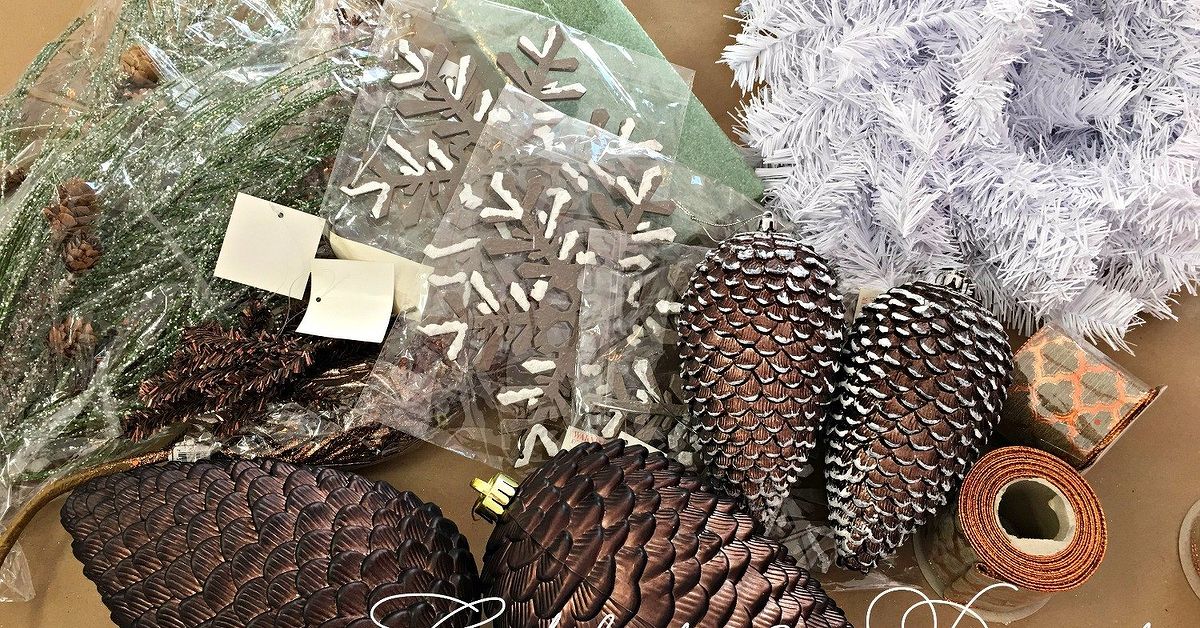
A snowy winter door swag is the front-door equivalent of a cozy knit scarf: charming, practical, and somehow able to make even a plain porch look like it has been expecting guests with hot cocoa.
Why a Snowy Winter Door Swag Works So Well
When winter arrives, the front door often gets stuck between two moods: full Christmas sparkle or absolutely nothing. A snowy winter door swag solves that awkward decorating gap beautifully. It has the festive spirit of a holiday wreath, but it feels softer, more natural, and easier to leave up after the ornaments are packed away. Instead of shouting “holiday party,” it whispers “fresh snow, pine trees, and maybe someone inside knows how to bake cinnamon rolls.”
A door swag is different from a traditional wreath because it hangs vertically. It usually starts wide at the top, narrows toward the bottom, and uses gathered evergreen branches, pinecones, berries, bells, ribbon, or frosted accents. That shape makes it especially flattering on tall doors, narrow entryways, sidelights, porch columns, gates, and even interior doors. A snowy finish adds brightness, which is helpful during the darker months when your porch can start looking like it has joined a witness protection program.
The best part is flexibility. A snowy evergreen door swag can look rustic, farmhouse, traditional, Scandinavian, woodland, glam, or minimalist depending on the materials. White flocking and silver ribbon create a frosty elegant look. Pinecones, jute, and burlap give it a cabin feel. Red berries and velvet ribbon make it classic. Eucalyptus and champagne ornaments make it modern. Basically, it is one project with many personalitieslike a craft-store chameleon, but less suspicious.
What Is a Snowy Winter Door Swag?
A snowy winter door swag is a decorative hanging made from evergreen stems or faux greenery arranged in a tapered bundle and finished with snow-like accents. It may be made from real pine, fir, cedar, spruce, juniper, magnolia leaves, faux branches, or a mix of both. The “snowy” effect can come from flocked greenery, white berry picks, frosted pinecones, artificial snow spray, white-tipped branches, or pale ribbon.
Unlike a round wreath, a swag naturally points downward, which gives it movement. It looks like the greenery has been gathered from a winter forest and tied together in one graceful bundle. This makes it ideal for homeowners who want front door winter decor that feels handmade, seasonal, and welcoming without being too busy.
Fresh vs. Faux Greenery
Fresh greenery gives the best scent and a beautifully organic texture. Pine, cedar, fir, juniper, and magnolia are popular because they offer different needle shapes, colors, and levels of fullness. Fresh materials are especially effective outdoors in cool, shaded places, where they can stay attractive for several weeks with proper care.
Faux greenery, on the other hand, is reusable, lightweight, and easy to reshape. It is the better option for hot climates, sunny doors, apartment hallways, or anyone who would rather not mist branches every few days. High-quality faux evergreen branches with wired stems can look convincing, especially after you layer in pinecones, ribbon, and a little snow effect. No one needs to know your “fresh alpine boughs” came from a storage bin labeled “holiday stuff, probably.”
Materials You Need for a DIY Snowy Winter Door Swag
You do not need a professional floral studio to make a beautiful DIY winter door swag. Most supplies are easy to find at craft stores, garden centers, hardware stores, or even your backyard if you have safe access to evergreen clippings.
Basic Supplies
- Fresh or faux evergreen branches, about 18 to 30 inches long
- Florist wire or paddle wire
- Wire cutters and pruning shears
- Ribbon, twine, jute, or velvet bow
- Pinecones, berry picks, bells, ornaments, or dried citrus slices
- Snow spray, flocked picks, white berries, or frosted pinecones
- Hot glue gun for faux materials or extra-secure accents
- Over-the-door hanger, wreath hook, outdoor-safe adhesive hook, or ribbon loop
Best Greenery Choices
For a full snowy winter door swag, combine at least two or three textures. Use fir or pine as the base because they create volume. Add cedar for softness and drape. Add juniper for fragrance and tiny blue-green berries. Magnolia leaves bring a rich, glossy contrast, especially if the brown undersides are visible. Spruce has a classic winter look but can be prickly, so treat it like the cactus of Christmas greenery: pretty, but not interested in hugs.
If you are harvesting greenery yourself, cut responsibly. Take small amounts from healthy plants, avoid stripping one branch bare, and never harvest from public or private land without permission. If in doubt, buy bundles from a garden center, tree lot, or florist. Many tree sellers also offer trimmings from Christmas trees, which are perfect for swags and often inexpensive.
How to Make a Snowy Winter Door Swag
This project can be completed in about 30 to 60 minutes, depending on how dramatic you want to be. A simple swag is quick. A heavily layered snowy front door swag with ribbon tails, frosted cones, bells, and artful asymmetry may take longer, especially if you pause every five minutes to hold it up and whisper, “Is this too much?” Spoiler: in winter decorating, “too much” is usually just “almost enough.”
Step 1: Build the Greenery Base
Lay your longest evergreen stems on a table with the cut ends together at the top and the tips pointing downward. This creates the classic teardrop shape. Add shorter branches on top, slightly fanning them outward. Keep layering until the swag looks full from the front and has a natural taper.
Mix textures as you go. Place sturdy pine or fir branches in the back, softer cedar or cypress toward the front, and accent stems near the center. For a realistic snowy winter door swag, avoid making it perfectly symmetrical. Nature rarely uses a ruler, and that is part of her charm.
Step 2: Wire the Stems Securely
Once the bundle looks balanced, wrap florist wire tightly around the cut ends. Go around the stems several times, pulling firmly so the bundle does not slip. Leave extra wire at the back to form a hanging loop, or attach a separate loop of ribbon or twine.
If the stems are bulky, wrap them in two places: once near the top and once a few inches lower. This helps the swag keep its shape, especially on a windy porch. The front door is not the place for timid wiring. Winter gusts love drama.
Step 3: Add Pinecones and Winter Accents
Pinecones are the easiest way to make a swag look finished. Wire them near the upper center where the stems are gathered, or cluster them slightly off-center for a designer look. Add white berry picks, small ornaments, bells, dried orange slices, cinnamon sticks, or frosted seed pods.
For a snowy woodland style, use pinecones brushed with white craft paint or flocking. For a more polished look, use silver ornaments, pearlized berries, or champagne ribbon. For a traditional Christmas-to-winter design, use red berries sparingly so the swag still feels seasonal after December.
Step 4: Create the Snowy Effect
The snowy finish is what turns a plain evergreen door swag into a winter scene. You can use pre-flocked faux branches, artificial snow spray, white floral picks, frosted pinecones, or a light dusting of white paint on branch tips. The key is restraint. A little snow looks magical; too much snow looks like the swag got into a fight with a powdered donut.
Spray snow outdoors or in a well-ventilated area, following the product directions. Hold the can back and mist lightly over the tips rather than coating every needle. Concentrate snow on the upper surfaces, just as real snow would settle. If you prefer a craftier approach, dab pinecones with white paint and sprinkle a touch of fine glitter while wet. Keep glitter minimal unless your personal decorating philosophy is “visible from space,” which is valid but ambitious.
Step 5: Tie the Bow
A bow gives the swag personality. Velvet ribbon feels rich and classic. Burlap looks rustic. Satin adds shine. Plaid feels cozy and farmhouse. Wired ribbon is easiest because it holds shape and lets you fluff the loops after hanging.
Place the bow near the top of the swag, covering the wired stems. Let the tails hang down naturally, or cut them in a V shape for a finished look. If your swag is heavily snowy and neutral, a deep green, burgundy, navy, or charcoal ribbon adds contrast. If your door is dark, ivory or silver ribbon brightens the whole entry.
Step 6: Hang It Safely
Use an over-the-door hanger, a strong wreath hook, ribbon over the top of the door, or an outdoor-rated removable hook. The hanger should support the weight of the swag, especially if you used fresh greenery, pinecones, or bells. Before walking away, open and close the door a few times to make sure the swag does not swing, scrape, or attempt a dramatic escape.
Design Ideas for Every Style of Winter Entry
Classic Snowy Evergreen Door Swag
Use pine, fir, cedar, red berries, pinecones, and a red velvet bow. Add a light dusting of snow spray to the tips. This style is timeless and works well on white, black, green, navy, or natural wood doors.
Rustic Farmhouse Winter Swag
Choose mixed evergreens, burlap ribbon, jute twine, natural pinecones, and small bronze bells. Add flocked branches but skip shiny ornaments. This look pairs beautifully with galvanized planters, lanterns, stacked firewood, and a simple coir doormat.
Elegant Frosted Front Door Swag
Use faux flocked greenery, silver berries, pearl accents, white satin ribbon, and glass-like ornaments. Keep the palette limited to white, silver, green, and champagne. It feels snowy without becoming cartoonish.
Scandinavian-Inspired Snowy Swag
Keep it minimal with cedar, pine, white berries, wooden beads, and narrow linen ribbon. Let the greenery shape do the talking. This style is perfect for anyone who wants winter decor that feels calm, natural, and not like Santa’s workshop exploded on the porch.
Woodland Wildlife Swag
Add tiny faux birds, mushrooms, acorns, seed pods, and frosted twigs. Keep the colors soft: brown, moss green, ivory, and muted red. This snowy winter door swag feels charming and storybook-like, especially on a cottage, cabin, or garden gate.
How to Keep a Fresh Winter Door Swag Looking Good
Fresh greenery lasts longest when it is cool, shaded, and protected from drying winds. Before assembling your swag, soak fresh branches in room-temperature water for several hours or overnight. Let them drain before wiring. This helps the stems take up moisture before they go on display.
After hanging, mist the greenery every few days when temperatures are above freezing. Focus on the cut stems and the back of the swag, not just the pretty front. Avoid placing fresh greenery in direct sunlight or near heat sources. A covered porch is ideal because it protects the swag from sun, rain, and strong wind while keeping it naturally cool.
If your door receives intense afternoon sun, consider faux greenery or a hybrid design. You can use a faux base and add a few fresh stems near the front for scent and texture. That way, if the fresh pieces dry out, you can replace them without rebuilding the whole swag. This is also a smart choice for warmer regions where “winter” sometimes means wearing a sweater at breakfast and regretting it by lunch.
Safety Tips for Snowy Door Swags
Winter decor should be beautiful, but it should also be safe. If you add lights, use outdoor-rated LED lights and check the packaging for proper use. LED lights produce less heat than traditional bulbs, which is better for greenery and safer for decorations. Do not overload outlets, do not pinch cords in the door, and turn lights off before leaving home or going to bed.
Keep fresh greenery away from open flames, space heaters, and hot porch lights. If the swag becomes brittle, brown, or starts dropping needles heavily, remove it. Dried greenery can become flammable, and no door decoration is cute enough to argue with basic fire safety. The swag may be gorgeous, but it does not get to audition as kindling.
Also think about door function. Make sure the swag does not block a peephole, house number, doorbell camera, lock, or storm door closure. A beautiful entry should welcome guests, not confuse delivery drivers into photographing your package from three zip codes away.
Common Mistakes to Avoid
Using Too Few Branches
A skimpy swag looks accidental. Use more greenery than you think you need, especially at the top. The bundle should feel lush and layered, not like three tired branches tied together after a long day.
Forgetting the Back
The back does not need to be gorgeous, but it should be tidy. Trim sharp stems, tuck wire ends inward, and make sure nothing scratches the door. Add felt pads behind heavy pinecones or wire if needed.
Overloading the Decorations
Too many ornaments can weigh the swag down and hide the greenery. Choose a focal point: bow, pinecones, berries, bells, or snowy texture. Let one feature lead and the others support it.
Ignoring Scale
A small swag can disappear on a large door, while an oversized swag can overwhelm a narrow entry. For a standard front door, a finished length of 24 to 32 inches usually works well. For double doors, make two matching swags or create a slightly simpler pair so the entry feels balanced.
Snowy Winter Door Swag Styling Tips
A door swag looks best when it connects with the rest of the porch. Add a pair of planters filled with evergreen branches, birch logs, pinecones, or faux snow-dusted stems. Place lanterns on the steps with battery-operated candles. Use a doormat in natural coir, plaid, or simple black-and-white pattern. Keep the color palette consistent so the door, swag, planters, and lighting feel intentional.
If your swag is snowy and neutral, repeat that snowy texture elsewhere. A dusting of faux snow on pinecones in porch planters, white berry stems in a bucket, or frosted garland around the door can tie everything together. If you use red berries in the swag, echo red in a ribbon, lantern, or small outdoor pillow. Repetition is what makes the entry look designed instead of “I bought one of everything and hoped for peace.”
For a longer-lasting winter look, remove obviously Christmas accents after the holiday. Take off Santa ornaments, candy canes, or bright red bows and replace them with ivory ribbon, pinecones, bells, or muted blue-gray berries. Suddenly your Christmas swag becomes a snowy winter door swag that can stay up through January or February without looking like you forgot what month it is.
Personal Experience: What Making a Snowy Winter Door Swag Teaches You
The first time you make a snowy winter door swag, you may expect it to behave like a tidy craft project. It will not. Evergreen branches have opinions. Pine needles will appear in places pine needles have no business being. Florist wire will roll under the table at least once. And somehow, one pinecone will look absolutely perfect until you attach it, at which point it will face the wrong direction like a stubborn woodland satellite dish.
But that is also the charm. A handmade winter door swag does not need to look factory-perfect. In fact, the slightly uneven branch lengths, the natural curve of cedar, and the random placement of snowy tips are what make it feel authentic. The best swags look gathered, not manufactured. They should feel like you took a walk through a quiet winter forest and returned with something beautiful instead of just cold fingers.
One useful experience is learning to build fullness from the back forward. At first, many people try to make the front pretty immediately. The result is usually flat. A stronger method is to start with long, sturdy branches in the back, then layer medium stems, then finish with delicate pieces. It is similar to styling hair, except the hair smells like pine and does not complain about humidity.
Another lesson is that ribbon matters more than expected. A cheap, floppy ribbon can make a nice swag look sleepy. Wired ribbon, especially velvet, plaid, linen, or satin, adds structure and polish. A bow also hides the mechanics at the top, which is helpful because the wired stem area is rarely glamorous. Think of the bow as the swag’s winter hat: decorative, practical, and excellent at covering awkward things.
Snow effect is another area where restraint pays off. Heavy artificial snow can look fun indoors, but on a front door it may clump, shed, or make the greenery look less natural. A light touch on branch tips, pinecones, and berry clusters gives a better frosted look. If using snow spray, test it on a spare branch first. Some sprays are bright white, some are subtle, and some have the energy of shaving cream at a school play.
Fresh greenery also teaches patience. Soaking branches before arranging may feel like an extra step, but it helps them stay flexible and fresh. Misting the swag every few days becomes a tiny winter ritual. You step outside, spray the greenery, adjust a ribbon loop, and feel briefly like the caretaker of a miniature forest. It is strangely satisfying.
Weather will teach humility. A covered porch is kind. A windy exposed door is a battlefield. If your entry gets strong gusts, wire everything more tightly than you think necessary. Lightweight ornaments should be secured at two points. Pinecones need real wire, not wishful thinking. A swag that survives the first windy night deserves respect and possibly a small medal.
The most rewarding part is how quickly a snowy winter door swag changes the mood of a home. Even a simple version with pine branches, pinecones, white berries, and a neutral bow can make the entrance feel warmer and more cared for. Guests notice it. Neighbors notice it. You notice it when you come home at night and your door looks like it belongs in a cozy winter movie instead of just holding back the cold.
And unlike many seasonal decorations, a snowy swag ages gracefully. If a few fresh stems dry, tuck in replacements. If the bow droops, fluff it. If December passes, remove the bright holiday pieces and let the frosty greenery carry the look into deep winter. That is the real beauty of this project: it is not just Christmas decor. It is a small, welcoming celebration of the whole snowy season.
Conclusion
A snowy winter door swag is one of the easiest ways to make a front entry feel warm, polished, and seasonal. It works for Christmas, but it does not have to disappear when the holidays end. With evergreen branches, pinecones, frosted accents, ribbon, and a secure hanging method, you can create a door decoration that feels natural, stylish, and personal.
Whether you choose fresh greenery for fragrance, faux branches for convenience, or a mix of both, the secret is layering. Build a full base, add texture, create a soft snowy finish, and choose a bow that matches your home’s style. Keep fresh swags cool and hydrated, use safe lighting if you add sparkle, and adjust the design after the holidays for a winter look that lasts.
In the end, a DIY snowy winter door swag is more than a bundle of branches. It is a cheerful hello on a cold day, a little curb appeal magic, and proof that your front door can wear winter better than most of us wear parkas.