

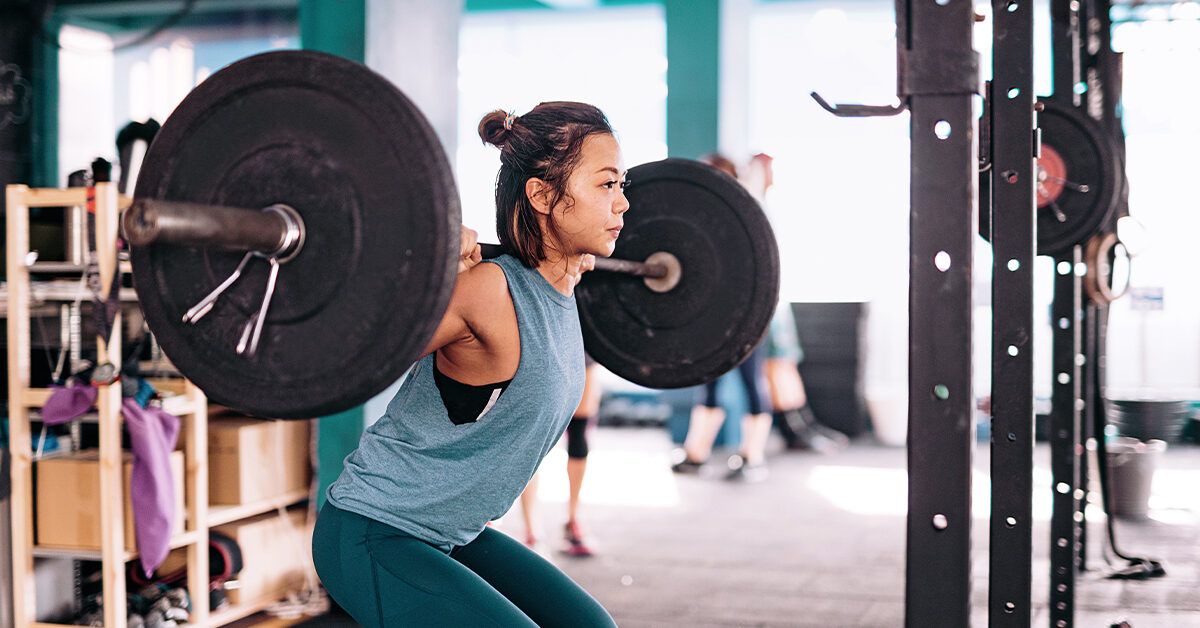
Powerlifting vs. bodybuilding is one of the classic gym debates, right up there with “Should I do cardio before or after weights?” and “Who keeps leaving one 25-pound plate on the leg press?” Both sports use barbells, dumbbells, machines, sweat, discipline, and a suspicious amount of meal prep containers. But they are not the same.
Powerlifting is about proving how much weight you can lift for one all-out repetition in three competition lifts: the squat, bench press, and deadlift. Bodybuilding is about developing muscle size, symmetry, definition, proportion, and stage-ready presentation. One asks, “How strong are you?” The other asks, “How complete does your physique look under bright lights while covered in tanning product?”
Neither is automatically better. Powerlifting can build impressive strength, confidence, and measurable progress. Bodybuilding can transform body composition, improve muscular balance, and teach remarkable control over training and nutrition. The best choice depends on your goals, personality, recovery, injury history, and whether you prefer chasing numbers or sculpting details.
What Is Powerlifting?
Powerlifting is a strength sport built around three barbell lifts: the squat, bench press, and deadlift. In competition, lifters typically get three attempts at each lift. Their best successful squat, bench press, and deadlift are added together to create a total. The highest total in a lifter’s division wins.
The training style reflects that goal. Powerlifters spend a lot of time practicing the competition lifts and their close variations. A powerlifting program might include low-repetition sets, heavy loads, long rest periods, paused bench presses, tempo squats, block pulls, and accessory movements designed to strengthen weak points.
For example, if a lifter struggles to lock out a deadlift, their program may include rack pulls, Romanian deadlifts, rows, glute work, and grip training. If their bench press stalls off the chest, they may use paused benches, dumbbell presses, and upper-back work. Powerlifting is not just “pick up heavy thing, grunt, repeat.” It is a technical sport where small improvements in setup, bracing, bar path, and recovery can add serious pounds to the total.
What Is Bodybuilding?
Bodybuilding is a physique sport focused on muscle development, symmetry, conditioning, and presentation. A bodybuilder is not judged by how much they can lift on stage. Nobody asks competitors to max out a squat between posing rounds, which is probably for the best. Instead, judges evaluate the overall look: muscular size, balance between body parts, definition, proportion, and posing.
Bodybuilding training usually emphasizes hypertrophy, which means increasing muscle size. Workouts often include moderate to high volume, multiple exercises per muscle group, controlled repetitions, isolation movements, and training close to muscular fatigue. A bodybuilder may use squats, bench presses, and deadlifts, but those lifts are tools rather than the final scoreboard.
For instance, a bodybuilder training legs may combine hack squats, leg presses, Romanian deadlifts, leg curls, walking lunges, and calf raises. The goal is not merely to move weight from point A to point B. The goal is to create tension in the target muscle, accumulate enough quality work, recover, and repeat until the mirror politely admits something is happening.
Powerlifting vs. Bodybuilding: The Core Difference
The biggest difference is the outcome being trained. Powerlifting is performance-based. Bodybuilding is appearance-based. A powerlifter wants the strongest possible one-rep max in three specific lifts. A bodybuilder wants the most complete, muscular, balanced, and conditioned physique possible.
This changes almost everything: exercise selection, rep ranges, rest periods, nutrition strategy, recovery priorities, and even mindset. Powerlifters often organize training around percentages of a one-rep max. Bodybuilders often organize training around muscle groups, weekly volume, intensity techniques, and how well they can stimulate a muscle without letting joints file a complaint.
Powerlifting Prioritizes Strength
Powerlifters train to lift heavier over time. Their programs often include sets of one to five repetitions, heavier intensities, and longer rest periods so they can perform high-quality attempts. Technique is extremely important because a small adjustment in foot position, grip width, torso angle, or breathing can change the lift.
Bodybuilding Prioritizes Muscle Development
Bodybuilders train to build and reveal muscle. They typically use a wider range of repetitions, often around six to fifteen reps, though higher and lower reps can also work when programmed intelligently. They may use machines, cables, dumbbells, bands, and bodyweight exercises to target specific muscles from different angles.
Training Style: Heavy Singles vs. High-Quality Volume
A powerlifting workout might begin with heavy squats, followed by paused squats, Romanian deadlifts, hamstring curls, abdominal work, and mobility drills. The session is organized around improving the squat pattern and supporting muscles.
A bodybuilding leg workout might include leg extensions to warm up the quads, hack squats for controlled tension, leg presses for volume, lying leg curls for hamstrings, hip thrusts for glutes, and calf raises for the stubborn little muscles that refuse to grow unless personally threatened. The session is organized around developing the legs as completely as possible.
Powerlifting training tends to be more specific. Bodybuilding training tends to be more varied. Powerlifters repeat the main lifts frequently because skill matters. Bodybuilders rotate exercises more often because muscle stimulation can be achieved through many movements.
Nutrition Differences
Both powerlifters and bodybuilders need enough protein, carbohydrates, fats, vitamins, minerals, and calories to train hard and recover. However, their nutrition strategies often look different.
Powerlifters may focus on fueling performance and staying within a weight class. Some lifters intentionally gain weight to improve leverage and strength, while others carefully maintain or cut weight before competition. The key is supporting heavy training without sacrificing recovery.
Bodybuilders usually pay closer attention to body composition. In a muscle-building phase, they may eat in a calorie surplus to support hypertrophy. Before a competition or photo shoot, they often enter a cutting phase to reduce body fat while keeping as much muscle as possible. That process can be demanding. It requires patience, consistency, and the emotional strength to look at a rice cake and pretend it is exciting.
Pros of Powerlifting
1. Clear, Measurable Progress
Powerlifting gives you numbers. If your squat goes from 225 pounds to 275 pounds, progress is obvious. You do not need dramatic lighting, a pump, or a perfect mirror angle. The barbell tells the truth, occasionally in a rude tone.
2. Builds Maximal Strength
Because powerlifting focuses on heavy compound lifts, it is excellent for developing maximal strength. Squats, bench presses, and deadlifts train large amounts of muscle and teach the body to coordinate force efficiently.
3. Improves Confidence
There is something deeply satisfying about lifting a weight that once looked impossible. Powerlifting can build mental toughness, patience, and confidence that carries outside the gym. After a hard deadlift session, carrying groceries in one trip feels like a moral obligation.
4. Strong Community
Powerlifting communities are often supportive, especially at local meets. Lifters cheer for competitors they have never met because everyone understands the courage it takes to step onto the platform.
Cons of Powerlifting
1. Repetitive Movement Patterns
Powerlifting requires frequent practice of the same three lifts. This can be productive, but it can also become repetitive or contribute to overuse issues if programming, technique, and recovery are poor.
2. Joint and Recovery Demands
Heavy lifting is demanding. The nervous system, joints, connective tissue, and muscles all need recovery. Beginners who max out every week often learn an important lesson: enthusiasm is not a periodization plan.
3. Less Focus on Balanced Aesthetics
Powerlifting can build a muscular body, but it does not automatically create balanced bodybuilding-style proportions. A lifter may have a powerful posterior chain and still need extra work for shoulders, arms, calves, or upper-chest development.
Pros of Bodybuilding
1. Excellent for Muscle Growth
Bodybuilding is designed for hypertrophy. By using enough weekly volume, controlled technique, progressive overload, and targeted exercise selection, bodybuilders can build muscle across the entire body.
2. Improves Body Composition
Bodybuilding encourages attention to nutrition, recovery, and consistent training. For many people, it is an effective approach for gaining muscle, reducing body fat, and creating a more athletic appearance.
3. Flexible Exercise Selection
Unlike powerlifting, bodybuilding does not require mastery of only three competition lifts. If barbell squats bother your hips, you can use hack squats, leg presses, split squats, or machine work. This flexibility can make bodybuilding more adaptable for different bodies.
4. Better Mind-Muscle Connection
Bodybuilding teaches you to feel the target muscle working. That may sound mystical until you watch someone turn a simple lateral raise into a shoulder-building masterpiece while another person turns it into a full-body interpretive dance.
Cons of Bodybuilding
1. Progress Can Be Harder to Measure
Strength numbers can rise quickly, but visible physique changes take time. Muscle growth is slow, and fat loss can blur the picture. Progress photos, measurements, training logs, and patience are essential.
2. Nutrition Can Become Stressful
Bodybuilding nutrition can be empowering, but it can also become obsessive if taken too far. Tracking calories, weighing food, and dieting for extreme leanness may not be healthy or necessary for everyone.
3. Higher Volume Can Be Time-Consuming
A serious bodybuilding split may require many exercises, sets, and training days. If you enjoy long gym sessions, great. If you have thirty minutes and a parking meter with trust issues, it may be harder to manage.
Which Builds More Muscle?
Bodybuilding usually has the advantage for maximizing muscle size because hypertrophy is the central goal. Bodybuilders use more total volume, more exercise variety, and more direct work for individual muscles. They train the chest from multiple angles, isolate the rear delts, hit the hamstrings with both hip-hinge and knee-flexion movements, and give calves the attention powerlifters sometimes reserve for checking attempt selections.
That said, powerlifting can absolutely build muscle. Heavy squats, presses, and deadlifts are powerful muscle-building tools, especially for beginners and intermediate lifters. Many strong powerlifters have impressive physiques. The difference is that muscle growth in powerlifting is usually a means to improve strength, while in bodybuilding it is the main event.
Which Builds More Strength?
Powerlifting is better for maximal strength in the squat, bench press, and deadlift because it practices those exact skills under heavy loads. Strength is specific. A bodybuilder may have large legs, but if they rarely perform low-rep barbell squats, they may not express their strength as well in a powerlifting-style max attempt.
Bodybuilders do get stronger, especially over time. Progressive overload is still important. However, they often measure progress through better reps, more control, stronger contractions, improved symmetry, and increased training volumenot just one-rep max performance.
Injury Risk: Is One Safer?
Neither sport is automatically dangerous, and neither is automatically safe. Injury risk depends on technique, load management, fatigue, recovery, coaching, exercise selection, and ego control. Ego control deserves its own section, but we will be polite.
Powerlifting can create risk when lifters handle very heavy loads without proper form, rush progression, skip warm-ups, or test maxes too often. Bodybuilding can create risk when lifters use excessive volume, poor exercise technique, forced reps, extreme dieting, or ignore joint pain.
The safest approach is to progress gradually, learn proper technique, recover seriously, and listen when your body sends warning signals. A little muscle soreness is normal. Sharp pain, numbness, dizziness, or joint pain that keeps getting worse is not a badge of honor. It is your body sending an email with “urgent” in the subject line.
Can You Combine Powerlifting and Bodybuilding?
Yes. Many recreational lifters use a hybrid approach sometimes called powerbuilding. Powerbuilding combines heavy strength work with bodybuilding-style accessory training. For example, you might start a workout with heavy bench press sets, then move to incline dumbbell presses, cable flyes, lateral raises, triceps extensions, and upper-back work.
This approach is popular because it offers the best of both worlds: measurable strength progress and visible muscle development. You can chase a bigger deadlift while still training arms, shoulders, and abs for aesthetics. In other words, you can be strong and look like you lift, which is a fairly reasonable life goal.
Powerlifting vs. Bodybuilding for Beginners
Beginners can benefit from either style, but the best starting point is usually a balanced strength-training program that teaches good technique, builds muscle, and develops consistency. New lifters do not need to choose a permanent identity on day one. You are allowed to squat, curl, bench, row, and change your mind. The fitness police will not arrive, although someone may still ask how much you bench.
If you love numbers, structure, and heavy barbell practice, powerlifting may be motivating. If you enjoy variety, physique changes, and feeling specific muscles work, bodybuilding may be more enjoyable. If both sound appealing, start with a hybrid plan and see what keeps you coming back.
How to Choose the Right Style for You
Choose Powerlifting If:
You enjoy measurable goals, heavy compound lifts, technical practice, and performance-based competition. Powerlifting is also a great fit if you like structured programming and the thrill of adding five pounds to the bar after weeks of disciplined training.
Choose Bodybuilding If:
You care most about muscle size, body composition, symmetry, and physique development. Bodybuilding may also suit you if you enjoy exercise variety, higher-volume training, and detailed nutrition strategies.
Choose Powerbuilding If:
You want strength and aesthetics together. A powerbuilding plan lets you train the squat, bench press, and deadlift while still doing enough hypertrophy work to build a balanced physique.
Sample Weekly Training Comparison
Powerlifting-Focused Week
A powerlifting week might include a squat-focused day, bench-focused day, deadlift-focused day, and a secondary upper-body or technique day. Main lifts come first, followed by accessories that support weak points. Rest periods are longer, and progress is often tracked by load, sets, reps, and bar speed.
Bodybuilding-Focused Week
A bodybuilding week might use a push-pull-legs split, upper-lower split, or body-part split. The lifter may train chest and triceps one day, back and biceps another day, legs on another, then shoulders, arms, or weak points later in the week. Progress is tracked through better control, more reps, more volume, improved measurements, and visual changes.
Common Myths About Powerlifting and Bodybuilding
Myth 1: Powerlifters Do Not Care About Muscle
False. More muscle can help a lifter move more weight. Many powerlifters use bodybuilding-style accessories to build muscle and prevent imbalances.
Myth 2: Bodybuilders Are Weak
Also false. Many bodybuilders are very strong, especially in moderate rep ranges. They may not train specifically for a one-rep max, but that does not mean they are weak.
Myth 3: You Must Pick One Forever
Nope. Training goals can change. You might powerlift for a year, switch to bodybuilding for a while, then settle into powerbuilding. Fitness is not a marriage contract with a barbell witness.
Real-World Experience: What Powerlifting vs. Bodybuilding Feels Like
The biggest practical difference between powerlifting and bodybuilding is how each one feels week after week. Powerlifting often feels like a long-term negotiation with gravity. You show up, practice the same lifts, make tiny improvements, and learn that a “small” five-pound personal record can feel like winning an argument with physics. The workouts can be intense but focused. You may spend twenty minutes preparing for a top set that lasts five seconds. To outsiders, this looks like standing around. To lifters, it is strategy, recovery, bracing practice, and possibly quiet panic.
Bodybuilding feels different. It is more like construction work with a mirror and better lighting. You are not only asking, “Can I lift this?” You are asking, “Can I make this muscle do the work?” A bodybuilding session may include more exercises, more angles, shorter rests, and a deeper burn. The weight matters, but the quality of tension matters more. A bodybuilder may reduce the load to improve form, slow the eccentric portion of a rep, or keep constant tension on the muscle. In powerlifting, moving the bar efficiently is the goal. In bodybuilding, making the muscle work harder is often the point.
From experience, many beginners are surprised by which style they enjoy. Some people think they want bodybuilding because they want visible muscle, then discover they love chasing strength numbers. Others start powerlifting because it seems simple, then realize they miss curls, lateral raises, cable work, and the satisfying feeling of a sleeve-stretching arm pump. There is no shame in either discovery. Enjoyment matters because consistency beats the “perfect” program you quit after three weeks.
Powerlifting also teaches patience. Progress is not always linear. Some weeks the bar moves like it has wings. Other weeks it feels bolted to the floor by a villain with excellent craftsmanship. You learn to respect sleep, stress, warm-ups, and programming. You also learn that maxing out too often is like checking your bank account every six minutes: it does not magically make the number bigger.
Bodybuilding teaches awareness. You learn which exercises fit your structure, which muscles need more work, and which movements create a great stimulus without beating up your joints. You may discover that your chest grows better from dumbbell presses than barbell benching, or that your quads respond better to hack squats than back squats. Bodybuilding rewards experimentation, but it also punishes impatience. Muscle growth takes time, and the mirror can be a dramatic little liar from day to day.
For most everyday lifters, the best experience comes from blending both. Start sessions with a big strength movement, then finish with bodybuilding accessories. Track your main lifts, but also track measurements, photos, recovery, and how your joints feel. Build strength without ignoring symmetry. Build muscle without abandoning performance. That balanced approach keeps training productive, interesting, and sustainable.
Conclusion
Powerlifting and bodybuilding share the same gym floor, but they play different games. Powerlifting is about maximum strength in the squat, bench press, and deadlift. Bodybuilding is about building a complete, muscular, balanced, and well-conditioned physique. Powerlifting gives you objective numbers and the thrill of heavy performance. Bodybuilding gives you detailed physique development and a flexible toolbox for muscle growth.
The right choice depends on what excites you. If you love heavy barbells and measurable goals, powerlifting may be your path. If you love sculpting muscle and refining your physique, bodybuilding may fit better. If you want both, powerbuilding offers a smart middle ground. The best program is not the one with the coolest name. It is the one you can train hard, recover from, and follow consistently without making your joints, schedule, or personality collapse.
Note: This article is for general educational purposes. If you are new to lifting, recovering from injury, managing a medical condition, or preparing for competition, work with a qualified coach, trainer, dietitian, or healthcare professional.