

Every home has at least one mysterious clutter zone. You know the place. It may be the kitchen counter where mail, keys, sunglasses, vitamins, school forms, and one lonely screwdriver gather like they are holding a tiny conference. Or maybe it is the closet that opens with a dramatic avalanche, as if your winter coats have been waiting months to make their escape.
Professional organizers see these cluttered areas every day, and here is the comforting truth: messy spots are not a sign that you are lazy, hopeless, or secretly living inside a storage unit. Clutter usually appears where life happens quickly. The busiest areas of a home become “drop zones” because people need convenience, not because they enjoy stepping over backpacks and mystery cords.
The good news? The most cluttered areas in every home are surprisingly predictable. Once you know where clutter collects, why it happens, and how professional organizers fix it, you can create systems that actually match real life. No color-coded fantasy required. Just practical storage, simple habits, and a little honesty about how many tote bags one household truly needs.
Why Certain Areas Become Clutter Magnets
Clutter tends to collect in places that are visible, convenient, and used often. A kitchen island is flat, central, and easy to reach, which makes it perfect for meal prep and also perfect for dropping receipts, headphones, and half the contents of your car. Entryways fill up because they sit between the outside world and your home. Closets overflow because they hide delayed decisions behind a door.
Professional organizers often look for one major problem: items without a clear home. If something does not have a specific place to go, it usually lands on the nearest surface. That is how a single piece of mail turns into a paper pile, and how a chair becomes “the chair,” also known as the unofficial laundry department.
The solution is not to buy more bins immediately. The first step is to understand the pattern. What enters the space? Who uses it? What piles up fastest? Which items are actually needed nearby? When you answer those questions, organizing becomes less about making a room look perfect and more about making it easier to live in.
1. The Entryway: The First Stop for Everyday Chaos
The entryway is one of the most cluttered areas professional organizers see because it handles a lot of traffic in very little space. Shoes, coats, backpacks, umbrellas, dog leashes, sports gear, mail, packages, and reusable bags all arrive here first. If there is no system, everything lands wherever gravity allows.
Why It Gets So Messy
Most entryways are expected to do too much. They must welcome guests, store daily essentials, catch outdoor items, and help everyone leave the house on time. That is a big job for a small bench and one overworked hook.
How Pro Organizers Fix It
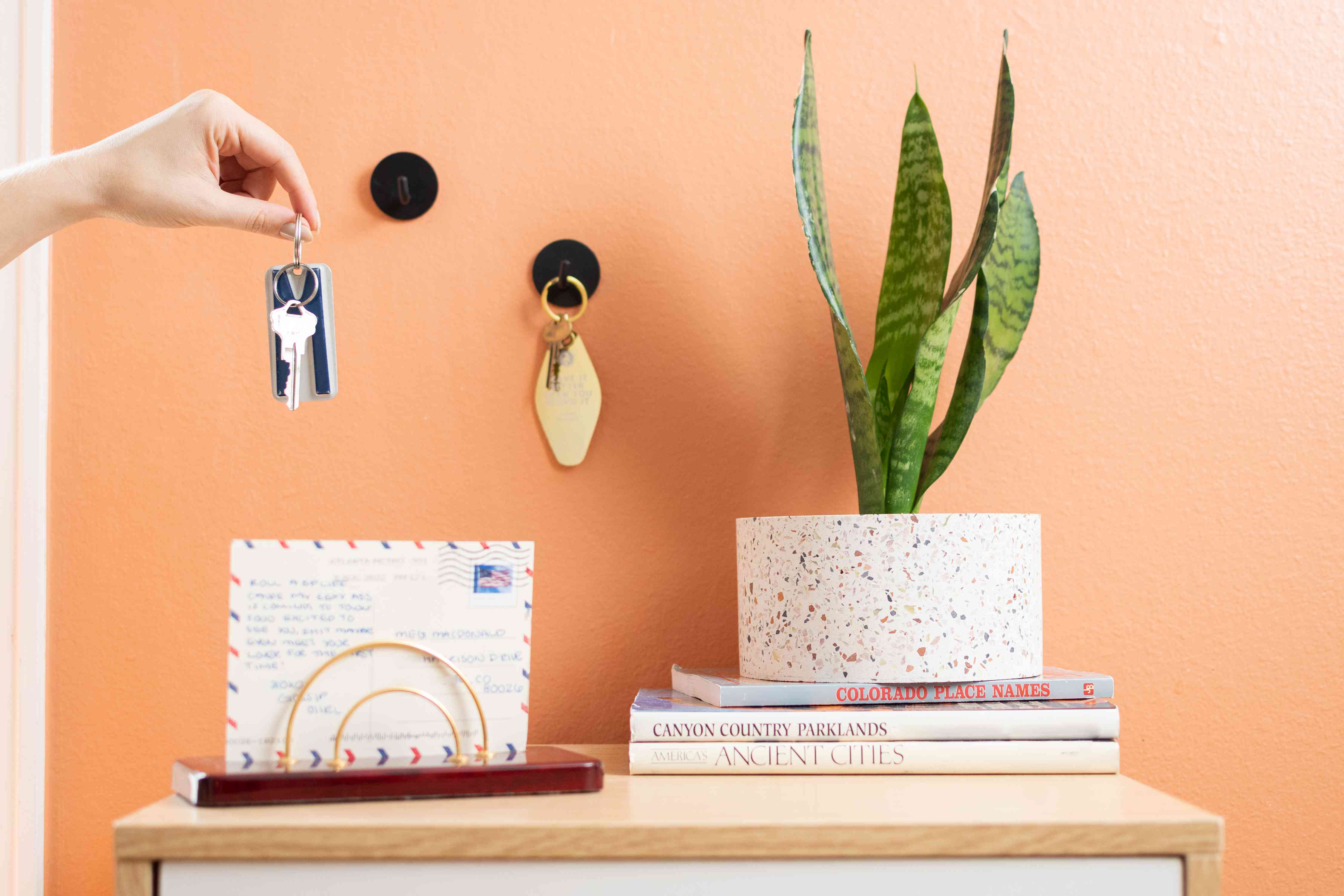
Create a real landing zone. Add hooks for bags and coats, a shoe tray or rack for daily footwear, a small basket for keys and sunglasses, and a designated spot for mail. If several people live in the home, assign each person a basket, cubby, or hook. Labels can help, especially for kids or busy mornings when everyone suddenly forgets where shoes go.
The goal is not to store every coat and every pair of shoes by the door. Keep only what is used daily. Off-season jackets, special occasion shoes, and extra bags should move to a closet or storage area. Your entryway should not be carrying the emotional weight of four seasons.
2. Kitchen Counters: The Household Command Center
Kitchen counters may be the most famous clutter magnets in the home. They are where groceries land, recipes begin, coffee happens, homework spreads out, and mail somehow returns even after you swear you already handled it.
Why It Gets So Messy
The kitchen is usually the busiest room in the house. Because it supports meals, family schedules, school paperwork, snacks, medicine, pet supplies, and social time, the counters become a visual to-do list. Unfortunately, that list often includes old coupons and a banana that has entered its abstract art phase.
How Pro Organizers Fix It
Professional organizers often start by clearing counters completely, then deciding what deserves permanent counter space. Daily-use items like a coffee maker, fruit bowl, or utensil crock may stay. Rarely used appliances should move to cabinets, pantry shelves, or another storage area.
Use zones to keep the kitchen functional. Create a coffee zone with mugs and filters nearby. Make a lunch-packing zone with containers, bags, and snacks in one cabinet or drawer. Keep paper out of the kitchen as much as possible by creating a separate command center with folders, a wall pocket, or a small file box.
A simple rule works wonders: clear the counters every night. It does not need to be a deep clean. Just reset the space so tomorrow does not start with yesterday’s chaos wearing a new hat.
3. The Junk Drawer: Small Drawer, Big Personality
Almost every home has a junk drawer. Professional organizers do not hate junk drawers. In fact, a well-managed miscellaneous drawer can be useful. The problem begins when the drawer becomes a black hole for batteries, rubber bands, sauce packets, expired coupons, unknown keys, and one tiny Allen wrench that may or may not be important.
Why It Gets So Messy
Junk drawers become cluttered because they lack boundaries. They are often used for anything that does not have a home elsewhere. Over time, useful items get buried under random objects, and the drawer stops functioning.
How Pro Organizers Fix It
Empty the drawer completely. Sort items into categories: office supplies, tools, batteries, keys, coupons, small electronics, and trash. Toss dried pens, expired offers, broken pieces, and duplicate items you never use. Then add drawer dividers or small containers so each category has a defined area.
A junk drawer should be a utility drawer, not a museum of tiny confusion. Keep it limited to items you actually need in that location.
4. Closets: The Place Where Delayed Decisions Go to Nap
Closets are among the most cluttered areas in every home because they hide mess beautifully. Close the door, and the problem disappears. Open the door, and suddenly you are negotiating with a pile of sweaters from three personal eras.
Why It Gets So Messy
Closets often hold clothes that do not fit, items kept out of guilt, seasonal pieces, sentimental outfits, and things people plan to repair “someday.” They also become catch-all storage for luggage, gift wrap, keepsakes, linens, and mystery boxes.
How Pro Organizers Fix It
Start with one category, not the entire closet. Sort shirts, shoes, bags, or coats first. Ask practical questions: Do I wear this? Does it fit my current life? Is it damaged? Would I buy it again today? If not, donate, recycle, repair, or discard it.
Use slim hangers to save space, shelf dividers to prevent stacks from collapsing, and bins for accessories. Store off-season clothing in labeled containers. Keep daily items at eye level and special occasion items higher or farther back. A closet should support your routine, not make you feel like you are entering a fabric-based escape room.
5. Bathroom Vanities and Medicine Cabinets
Bathrooms collect clutter quietly. Products multiply under the sink, half-used bottles gather in drawers, and expired medicine hangs around like it pays rent. Professional organizers often find duplicates of sunscreen, hair products, razors, lotions, and travel toiletries.
Why It Gets So Messy
Bathrooms are used daily, but storage is usually limited. People buy replacements before finishing products, keep items that did not work, or save tiny hotel bottles for a future trip that apparently requires seventeen mini conditioners.
How Pro Organizers Fix It
Remove everything from the vanity, drawers, and medicine cabinet. Check expiration dates on medication, sunscreen, and skincare. Discard empty bottles and products that caused irritation or simply did not work. Group items by category: dental care, hair care, skincare, first aid, makeup, shaving, and travel.
Use clear bins, drawer organizers, and stackable containers so you can see what you own. Keep daily products easy to reach and occasional items in labeled bins. The bathroom should help you get ready, not force you to dig through expired cough drops before coffee.
6. The Pantry and Refrigerator
Food storage areas are another clutter hotspot. Pantries fill with duplicate spices, forgotten baking mixes, stale crackers, and cans purchased during a very ambitious chili phase. Refrigerators develop their own ecosystem of leftovers, condiments, and jars with suspiciously vague labels.
Why It Gets So Messy
Food clutter happens when items are hard to see. If you cannot tell what you already own, you buy more. Then the new groceries block the old groceries, and suddenly there are four mustards and no dinner plan.
How Pro Organizers Fix It
Group food by category: breakfast, snacks, baking, pasta, canned goods, spices, condiments, and lunch supplies. Use clear bins or baskets to contain similar items. Place older food toward the front so it gets used first. In the refrigerator, create zones for leftovers, produce, drinks, dairy, and condiments.
Before grocery shopping, do a five-minute scan. Toss expired food, note what needs to be used, and check duplicates. This small habit saves money and prevents the pantry from becoming a snack-themed archaeological dig.
7. Home Office Desks and Paper Piles
Paper clutter remains one of the biggest problems professional organizers see, even in the digital age. Bills, school forms, receipts, manuals, medical documents, tax papers, invitations, and random notes create piles that feel important but are rarely easy to use.
Why It Gets So Messy
Paper represents decisions. Pay this. File that. Reply to this. Save that just in case. Because each paper asks for action, people often delay dealing with it. The pile grows, and eventually it becomes easier to ignore than sort.
How Pro Organizers Fix It
Create a simple paper system with three categories: action, reference, and recycle. Action papers need a response, payment, signature, or appointment. Reference papers need to be saved. Everything else should be shredded or recycled.
Use a small file box, desktop sorter, or labeled folders. Schedule one weekly paper reset. Even fifteen minutes can prevent a pile from turning into a paperwork mountain with its own climate.
8. Laundry Areas and Bedroom Chairs
Laundry clutter is sneaky because it moves. Dirty clothes start in bedrooms, travel to hampers, visit the laundry room, and sometimes settle permanently on a chair. Professional organizers often see clean laundry baskets that never get folded, unmatched socks, and clothes that are not quite dirty but not quite clean.
Why It Gets So Messy
Laundry is not one task. It is several tasks wearing one name: washing, drying, folding, hanging, sorting, and putting away. Clutter happens when the final step breaks down.
How Pro Organizers Fix It
Make laundry easier to finish. Place hampers where clothes naturally land. Use separate baskets for lights, darks, towels, or each family member. Add hooks in bedrooms or closets for clothes that can be worn again. Most importantly, reduce clothing volume. The less you own, the less laundry can pile up.
If clean laundry often sits in baskets, try folding directly from the dryer or hanging items immediately. A laundry system should match your energy level, not the lifestyle of someone who irons pillowcases for sport.
9. Living Room Surfaces
Coffee tables, side tables, TV consoles, and bookshelves can quickly become cluttered with remotes, magazines, toys, blankets, cups, chargers, and decorative objects. The living room is meant for relaxing, but clutter can make it feel visually noisy.
Why It Gets So Messy
Living rooms are shared spaces. Everyone uses them, but not everyone feels responsible for resetting them. Items from other rooms migrate in and never leave.
How Pro Organizers Fix It
Keep surfaces mostly clear. Use a tray to corral remotes, coasters, and small items. Add baskets for blankets or toys. Store chargers in a drawer or cable box. At the end of the day, do a five-minute reset: return dishes to the kitchen, toys to bins, and random items to their rooms.
The living room does not need to look like a magazine spread. It just needs enough breathing room that you can sit down without moving six objects first.
10. Garages, Basements, and Storage Rooms
Garages and storage rooms often become the final destination for items nobody wants to make a decision about. Old furniture, holiday decorations, sports gear, tools, paint cans, childhood keepsakes, and “we might need this someday” objects all gather there.
Why It Gets So Messy
These spaces are usually out of sight, so clutter grows without daily consequences. The problem becomes obvious only when you cannot park in the garage, find the holiday lights, or reach the toolbox without climbing over a retired printer from 2008.
How Pro Organizers Fix It
Divide the space into zones: tools, sports equipment, seasonal decor, gardening supplies, automotive items, and keepsakes. Use sturdy shelves, clear bins, wall hooks, and overhead storage when appropriate. Label everything clearly.
Be honest about broken items and unfinished projects. If you have not repaired something in years, it may be time to let it go. Storage should protect useful items, not preserve guilt in cardboard form.
Simple Decluttering Rules Pro Organizers Use Everywhere
No matter which area you tackle, a few professional organizing principles apply throughout the home. First, declutter before buying storage. Containers are helpful, but they cannot solve the problem of owning too much. A bin full of clutter is still clutter, just wearing a lid.
Second, organize by category. Group like items together so you can see duplicates and make better decisions. Third, store items where you use them. If scissors are always needed near the kitchen table, do not hide them in a faraway office just because that seems “official.”
Fourth, make systems easy to maintain. Open bins are often better for kids. Clear containers are useful in pantries and bathrooms. Labels help everyone know where things belong. The best organizing system is not the prettiest one; it is the one your household will actually use on a Tuesday night.
Experience-Based Tips: What Clutter Teaches You About Real Life
After spending time studying the most cluttered areas pro organizers see in every home, one lesson becomes clear: clutter is rarely about stuff alone. It is about habits, timing, space, emotions, and the tiny decisions people postpone because daily life is already full. The entryway pile is not just shoes and bags. It is rushed mornings, tired evenings, sports practice, rainstorms, and the fact that nobody wants to hang up a coat when dinner is burning.
One practical experience many homeowners share is that small clutter zones often reveal bigger household patterns. For example, if the kitchen counter is always covered in mail, the real problem may not be the counter. The real problem is that mail has no next step. Once a simple system existsrecycle immediately, place bills in an action folder, file important papers weeklythe counter suddenly becomes easier to keep clear.
Another common experience is the emotional surprise of decluttering closets. People expect to sort clothes, but they often end up sorting old identities. There may be work clothes from a former job, jeans from a different season of life, or formal outfits kept for events that never happen. Professional organizers often encourage clients to focus on current usefulness, not guilt. Your closet should serve the person you are now, not act as a storage unit for every version of you who ever existed.
Bathrooms also teach an important lesson: clutter can come from good intentions. People buy backup toothpaste, extra shampoo, first-aid supplies, skincare products, and travel bottles because they want to be prepared. Preparedness is useful, but too many backups create confusion. When you cannot see what you own, you buy more. A simple “use first” bin for opened products can prevent waste and make daily routines smoother.
In family homes, clutter often gathers where responsibility is unclear. A living room full of toys, cups, blankets, and chargers may not need a bigger basket. It may need a five-minute family reset after dinner. When every person returns a few items, the room recovers quickly. The habit matters more than the storage product.
One of the most helpful organizing experiences is learning to start small. Many people try to declutter an entire house in one weekend, then burn out by Saturday afternoon while surrounded by piles. Professional organizers usually recommend smaller wins: one drawer, one shelf, one counter, one category. A finished drawer builds confidence. A half-finished garage creates despair and possibly a strong desire to move.
The most effective systems are also forgiving. A basket near the stairs can catch items that need to go up. A donation bin in the closet makes it easier to release clothes immediately. A tray on the coffee table can contain remotes and reading glasses. These are not signs of failure. They are realistic tools for real homes.
Ultimately, cluttered areas show you where your home needs better support. If bags land on the floor, add hooks. If papers pile up, create a paper routine. If pantry items expire, improve visibility. If laundry never gets put away, reduce the number of clothes or simplify the folding system. The point is not perfection. The point is making your home easier to live in, clean, and enjoy.
Conclusion
The most cluttered areas pro organizers see in every home are usually the spaces that work the hardest: entryways, kitchen counters, closets, bathrooms, pantries, desks, laundry areas, living rooms, and storage zones. These places become messy not because people do not care, but because they handle constant activity without clear systems.
Decluttering works best when it is practical, specific, and repeatable. Give every item a home. Keep daily essentials easy to reach. Remove what no longer serves you. Create simple routines that prevent clutter from returning. A beautifully organized home is not one that never gets messy. It is one that can be reset without requiring a full weekend, three emotional support coffees, and a search party.